
Józef Fordon
Polish Conventual Franciscan priest, confessor of Saint Maximilian Kolbe, declared Venerable in 2018.
Contemporaries

Figures and markers around the normalized period for this entry.
Guided reading
5 reading sections
Biography
The youth of Józef Fordon, his priestly vocation, and his clandestine entry into the Conventual Franciscans under the name of Brother Melchior.
Józef Jakub Fordon was born on August 5, 1862, in Grodno (today Hrodna in Belarus), into a family of the Polish nobility. His father, Jakub Fordon, was an architect, and his mother, Felicja Łukowicz, was his first educator in the faith. As the couple's only child, he felt the call to the priesthood very early on. After his secondary studies in Grodno, he overcame the obstacles imposed by the Russian tsarist authorities and entered the diocesan seminary of Vilnius in 1883. He was ordained a priest there on August 2, 1887, in Kaunas by Bishop Antanas Baranauskas. Desirous of leading a more radical religious life, but confronted with the prohibition of religious orders by the Russian Empire, he traveled clandestinely to Austria-Hungary in 1910 to enter the novitiate of the Conventual Franciscans in Krakow, where he took the name of Brother Melchior.
Life and Work
His pastoral ministry devoted to Dąbrowa Białostocka and Grodno, marked by the construction of churches and the defense of the faithful in the face of persecution.
Father Melchior began his ministry as a vicar and then as a parish priest in various parishes, notably in Dąbrowa Białostocka starting in 1893, where he devoted himself tirelessly for ten years. There, he founded a temperance confraternity to fight against alcoholism and undertook the construction of a large Neo-Romanesque church dedicated to Saint Stanislaus. Subsequently appointed to Grodno and then to Vilnius, he firmly opposed Tsarist persecutions against the Catholic Church and defended the rights of the Greek Catholic faithful. After entering the Franciscans, he returned to Grodno, where he exercised a discreet but deeply impactful apostolate among the poor, the sick, and the marginalized, becoming a beloved figure to the entire local population.
Path to Holiness
His heroic act of charity during the First World War to save thirteen firefighters condemned to death.
In September 1915, during the First World War, German troops occupied Grodno and accused thirteen local firefighters (Catholics, Orthodox, and Jews) of espionage for Russia, sentencing them to death. Father Melchior courageously intervened with the German officer, going so far as to kiss the soldiers' hands and offer his own life in exchange for that of the condemned. Touched by this heroic gesture and this charity without borders, the German officer decided to pardon all the firefighters. This act of bravery and universal love deeply marked the minds of the people and sealed his reputation for holiness among all the communities of the city.
Beatification and canonization
The recognition of the heroic nature of his virtues by Pope Francis in 2018, declaring him venerable.
Afflicted with tuberculosis and asthma, Father Melchior spent the last years of his life almost entirely in the confessional, devoting himself to the faithful despite his declining health. He died in the odor of sanctity on February 27, 1927, in Grodno. His funeral brought together a huge crowd of Catholics, Orthodox, and Jews. The beatification process, delayed by the Second World War and the Soviet period, was relaunched after the fall of communism. On December 21, 2018, Pope Francis authorized the Congregation for the Causes of Saints to promulgate the decree recognizing the heroic nature of his virtues, thus conferring upon him the title of venerable.
Spirituality and legacy
His role as spiritual director to Saint Maximilian Kolbe and his legacy of ecumenical charity.
The spirituality of Father Melchior Fordon is deeply Franciscan, characterized by humility, evangelical poverty, and an unconditional love for the poor. In October 1922, when Father Maximilian-Maria Kolbe arrived in Grodno to set up the printing press for the Knight of the Immaculata, Father Melchior became his spiritual director and confessor. Father Kolbe, deeply moved by his holiness, described him as a holy soul. His legacy endures today as a model of ecumenical charity and reconciliation between the various religious communities of Belarus and Poland.
Iconography
Signs and attributes
Frequently asked questions about Józef Fordon
Who was Józef Fordon?
Polish Conventual Franciscan priest, confessor of Saint Maximilian Kolbe, declared Venerable in 2018.
What is Józef Fordon the patron saint of?
Patronage of Józef Fordon: Pompiers de Grodno and Firefighters of Grodno.
How is Józef Fordon depicted in Christian art?
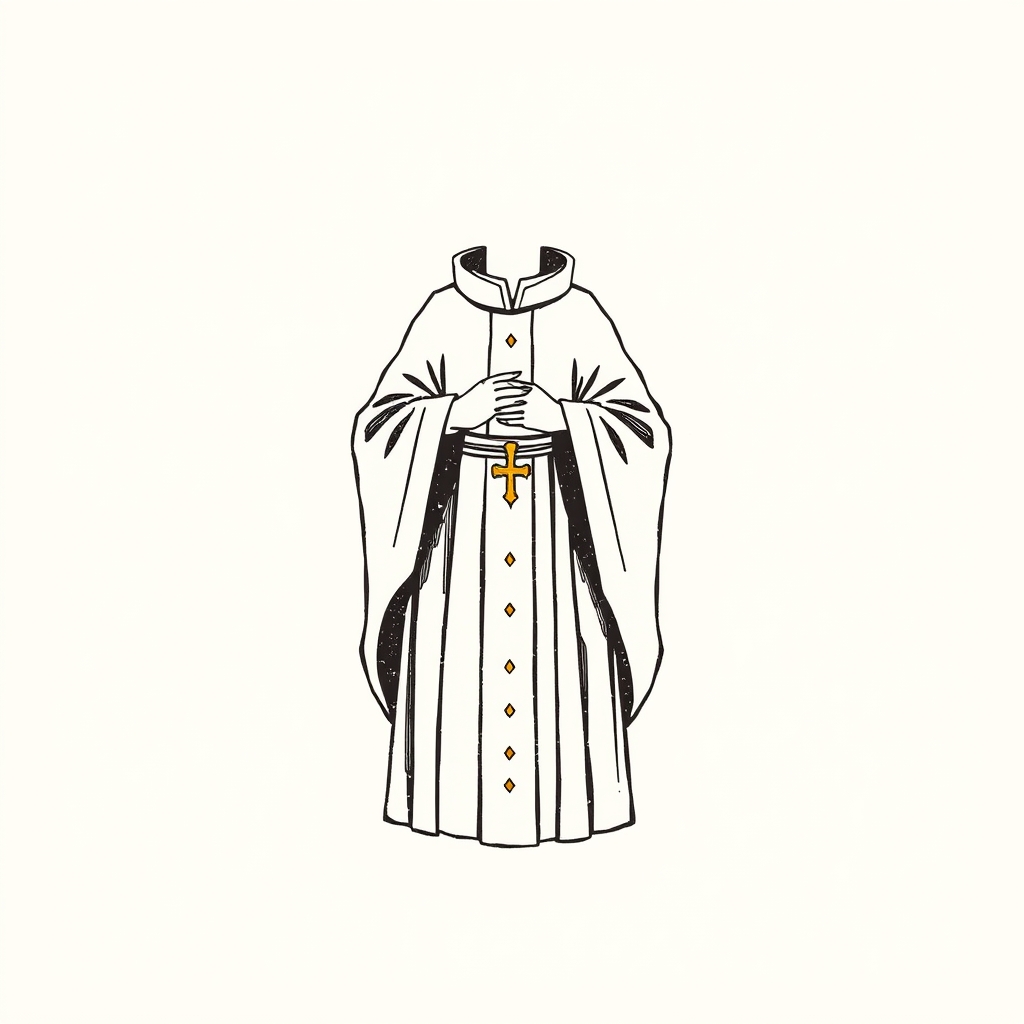
In iconography, Józef Fordon is recognizable by: Franciscan habit and Rosary.
Which saints were contemporaries of Józef Fordon?
Contemporaries include: Jesús María Echavarría Aguirre, Pauline of the Agonizing Heart of Jesus, Narcisa de Jesús and Juan de Jesús López y González.
When did Józef Fordon die?
Józef Fordon died around 1862.
What are the other names of Józef Fordon?
Other forms of the name: Melchior Fordon and Józef Jakub Fordon.
Who are the relatives of Józef Fordon?
Relatives of Józef Fordon: Jakub Fordon (father) and Felicja Łukowicz (mother).
Annexes & related entities
Structured data for exploration: events, miracles, quotes, places, attributes, patronages, and important entities cited in the text.
Key Events
- Era / death: 1862-1927
- Decree of venerability by Francis