
Petar Barbarić
A young Croatian Jesuit seminarian from Bosnia and Herzegovina, Petar Barbarić distinguished himself by his piety and joyful fulfillment of daily duties before dying of tuberculosis at the age of 22.
Contemporaries

Figures and markers around the normalized period for this entry.
Guided reading
5 reading sections
Biography
Birth and childhood of Petar Barbarić in Herzegovina, his early piety, and his brilliant primary studies.
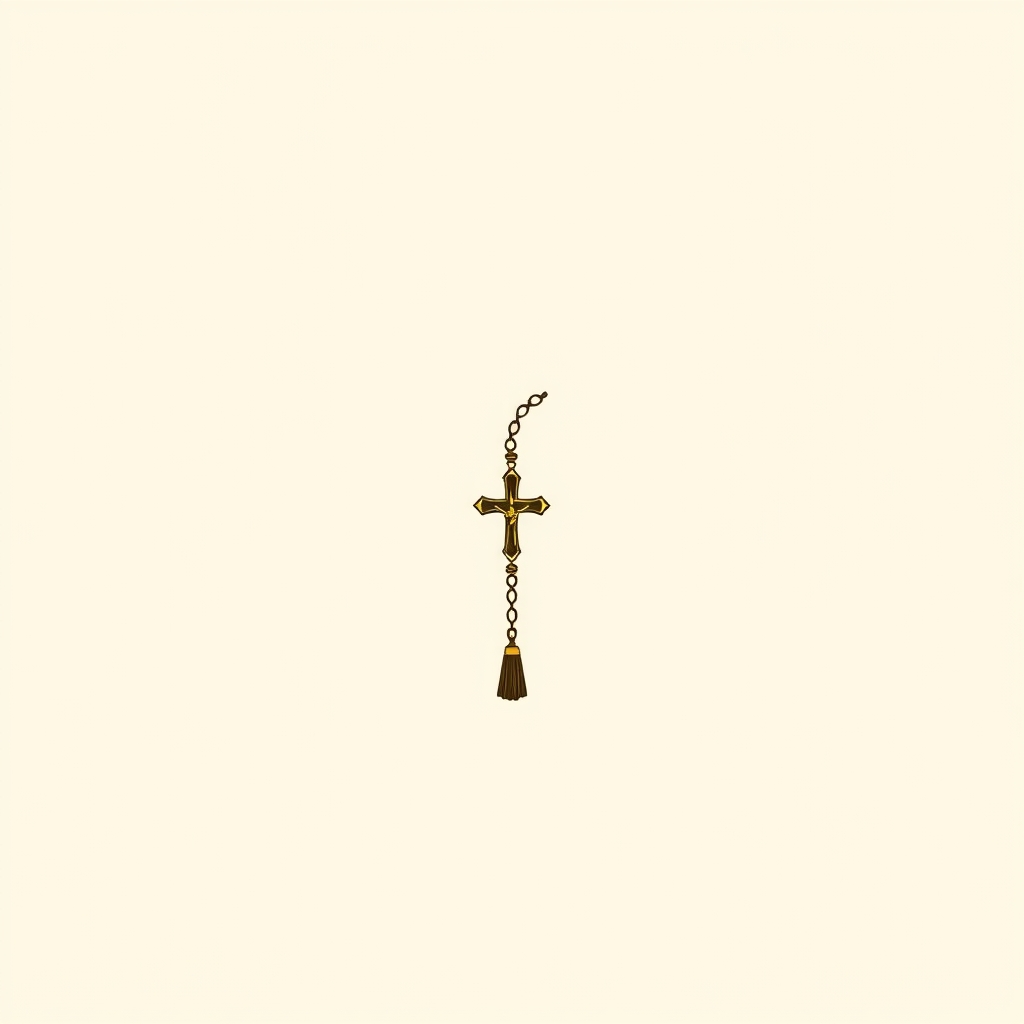
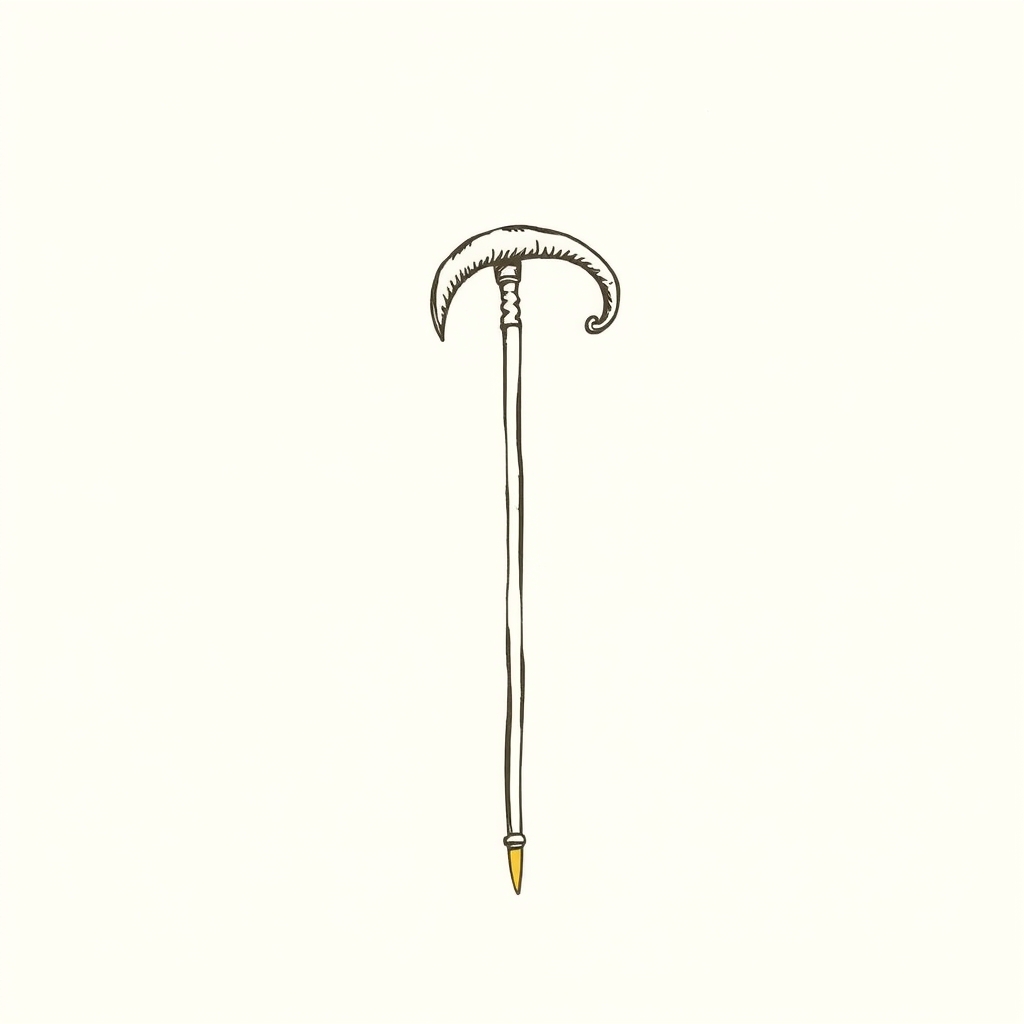
Petar Barbarić was born on May 19, 1874, in Šiljevišta, a hamlet attached to the parish of Klobuk (near Ljubuški), in Herzegovina. At that time, the region was under the rule of the Ottoman Empire (it would soon pass under Austro-Hungarian administration). Coming from a family of deeply pious Croatian Catholic peasants, he was the son of Ante Barbarić and Kata Tolj. He grew up among nine siblings. One of his older brothers, Mate (known by his religious name as Friar Marko Barbarić-Lesko), would become a Franciscan priest and die a martyr in 1945 under the communist regime (his own cause for beatification is currently open). During his childhood, Petar worked as a shepherd, tending his father's flock. He distinguished himself very early on by his remarkable piety: when he was in the fields, he would hold his shepherd's crook in one hand and count his rosary beads with the other. In 1886, a primary school opened its doors in Veljaci. Although he had to walk for an hour and a half to get there, Petar proved to be a student of exceptional intelligence. Thanks to his abilities and the support of his parents, he completed the four-year school curriculum in only two years, graduating with honors in 1888. Lacking the financial means to immediately pursue secondary studies, he entered as an apprentice and clerk in a shop in Vitina, where he worked until 1889.
Life and Work
Entry into the Travnik seminary, exemplary life, call to the Society of Jesus, illness and religious profession on his deathbed.
In 1889, the rector of the minor seminary of Travnik (directed by the Jesuit Fathers) sent a letter to the teachers of Bosnia and Herzegovina asking them to recommend gifted young men who wished to become priests. Petar's former teacher immediately remembered the brilliant boy. With the enthusiastic agreement of his parents, Petar was admitted to the Travnik seminary in the autumn of 1889. At the seminary, Petar led an exemplary life. He was consistently at the top of his class. Anxious to prepare himself as well as possible for his future ministry, he studied with ardor and learned, among other things, Italian, French, and German in order to be able to hear the confessions of the faithful in several languages. Appointed prefect of the Marian Congregation, he actively propagated devotion to the Sacred Heart of Jesus and love for the Virgin Mary. In 1896, at the end of a spiritual retreat, he felt a pressing call to enter the Society of Jesus (the Jesuits). His superiors, however, advised him to wait until he had obtained his baccalaureate before formally entering the novitiate. On April 7, 1896 (Easter Tuesday), during a school excursion with his classmates, the seminarians were caught in a violent storm and were soaked to the bone. Petar then contracted a severe cold accompanied by a strong cough and fever. Despite a stay with his family during the summer, his health continued to decline: he was diagnosed with pulmonary tuberculosis, an incurable disease at the time. At the beginning of 1897, the illness worsened considerably, forcing him to abandon his studies and remain in the infirmary. Conscious of his imminent death, he expressed an ardent desire to pronounce his Jesuit vows. Thanks to a special dispensation granted by the Superior General of the Society of Jesus, Petar Barbarić was authorized to make his religious profession. He pronounced his perpetual vows on April 13, 1897, on his infirmary bed. He passed away two days later, on April 15, 1897 (Holy Thursday of that year), in Travnik, at the age of 22.
Path to Holiness
Reputation for holiness, pilgrimages, desecration and concealment of his body by the communist regime, followed by the rediscovery of his intact remains in 1998.
From the moment of his death, Petar Barbarić left behind an immense reputation for holiness among his companions and the faithful of the region. He was initially buried in the Bojne cemetery in Travnik. His grave quickly became a place of pilgrimage and prayer. In 1935, his mortal remains were transferred to the church of the Travnik seminary. However, after the communist regime came to power in Yugoslavia at the end of the Second World War, the authorities decided to suppress his cult. In 1944 (or shortly thereafter), his body was stolen by the communists, dragged through the mud, and then secretly walled up in the basements of the seminary building. The regime spread false rumors claiming that his remains had been destroyed. In 1998, following the restitution and reconstruction of the Travnik seminary, excavations were undertaken. The body of Petar Barbarić was found intact in the foundations of the building. On July 23, 1998, his remains were solemnly placed in the crypt of the seminary church (dedicated to Saint Aloysius Gonzaga), where they are once again venerated by numerous pilgrims.
Beatification and canonization
Opening of the cause for beatification, diocesan inquiries, and recognition of the heroic nature of his virtues by Pope Francis in 2015.
The cause for the beatification of Petar Barbarić officially opened in the Archdiocese of Sarajevo (Vrhbosna). The diocesan informative process took place from December 16, 1938, to January 11, 1943. The decree on his writings was published on May 11, 1945. After the discovery of his body and the end of the communist period, a supplementary diocesan inquiry was conducted from February 25, 2003, to February 16, 2007. This inquiry was validated by the Congregation for the Causes of Saints on February 1, 2008. The Positio super virtutibus was officially submitted in Rome on July 17, 2012. On March 18, 2015, Pope Francis authorized the promulgation of the decree recognizing the heroic nature of his virtues, thereby conferring upon him the title of Venerable.
Spirituality and Legacy
Spirituality of daily duty, famous quote, tribute from Pope Francis, and contemporary ecumenical devotion.
The spirituality of Petar Barbarić is characterized by a constant search for holiness through the faithful and joyful fulfillment of daily duties. He is the author of a famous maxim that summarizes his spiritual path: "Of all the paths that lead to heaven, the shortest, the easiest, and the surest seems to me to be the one that a man travels by fulfilling his ordinary duties." He had an ardent love for the Eucharist, the Rosary, and the Sacred Heart of Jesus. During his apostolic journey to Sarajevo on June 6, 2015, Pope Francis expressly cited Petar Barbarić before priests, religious, and seminarians, presenting him as a model of unity and virtue for all of Bosnia and Herzegovina, linking Herzegovina (his native land) to Bosnia (the place of his religious profession and death). Today, the Catholic School Center (KŠC) and the seminary in Travnik bear his name. His tomb remains a major spiritual center in Bosnia and Herzegovina, attracting many Catholic faithful every Thursday, as well as Orthodox Christians and Muslims who come to seek his intercession.
Iconography
Signs and attributes
Frequently asked questions about Petar Barbarić
Who was Petar Barbarić?
A young Croatian Jesuit seminarian from Bosnia and Herzegovina, Petar Barbarić distinguished himself by his piety and joyful fulfillment of daily duties before dying of tuberculosis at the age of 22.
How is Petar Barbarić depicted in Christian art?
In iconography, Petar Barbarić is recognizable by: Rosary and Shepherd's crook.
Which saints were contemporaries of Petar Barbarić?
Contemporaries include: Jesús María Echavarría Aguirre, Pauline of the Agonizing Heart of Jesus, Narcisa de Jesús and Juan de Jesús López y González.
When did Petar Barbarić die?
Petar Barbarić died around 1874.
What are the other names of Petar Barbarić?
Other forms of the name: Pietro Barbarić.
Who are the relatives of Petar Barbarić?
Relatives of Petar Barbarić: Ante Barbarić (father), Kata Tolj (mother) and Mate Barbarić (frère Marko Barbarić-Lesko) (brother).
Annexes & related entities
Structured data for exploration: events, miracles, quotes, places, attributes, patronages, and important entities cited in the text.
Key Events
- Era / death: 1874-1897
- Decree of venerability by Francis
Quotes
-
Of all the paths that lead to heaven, the shortest, easiest, and surest seems to me to be the one a man travels by fulfilling his ordinary duties.
https://vertexaisearch.cloud.google.com/grounding-api-redirect/AUZIYQExdTRjFidEqbexy-rySgDZ5k-1OszKn9wA-p6ZKIGDDBkc4v-xkCNxmYElIYaEH7taLG5XkzYufbFAcO07_sat9JESsqN7TWcYQhTuWDY2SNaQ2-8ThdgGk76HtVPJSlbPKeHVULM=