
Lino Maupas
Father Lino Maupas (1866-1924) was a Venerable Franciscan friar, known for his heroic devotion to the poor, prisoners, and the marginalized of Parma.
Contemporaries

Figures and markers around the normalized period for this entry.
Guided reading
5 reading sections
Biography
Youth, education, and priestly ordination of Father Lino Maupas.
Alpinolo Ildebrando Umberto Maupas, better known as Father Lino Maupas (Padre Lino), was born on August 30, 1866, in Spalato (today Split, Croatia), then under the sovereignty of the Austro-Hungarian Empire. He was the tenth and last child of Giovanni Maupas, a civil servant of noble French origin, and Rosa Marini, an Italian dramatic actress from Avezzano. His paternal uncle, Monsignor Pietro Doimo Maupas, Archbishop of Zara (Zadar), took charge of his education and sent him to study at the archiepiscopal seminary run by the Jesuits. It was on the occasion of his confirmation that his uncle gave him a book on the life of Saint Francis of Assisi, which sparked a deep religious vocation in him. On November 30, 1882, he took the Franciscan habit at the convent of Capodistria (Koper). Sent to the convent of Košljun, he experienced a tumultuous initial journey: in 1885, he was dismissed from the order for playing the piano at unauthorized hours in the company of another novice named Raimondo. He then temporarily enlisted in the Guardia di Finanza (the Italian financial police). However, his desire for religious life remained intact. He requested readmission to the Franciscans, which he obtained, and restarted his novitiate in Italy, at the convent of Fucecchio in Tuscany. He pronounced his solemn vows in 1889. After a brief missionary stay in Shkodër, Albania, interrupted for health reasons (eye problems that required an operation in Bologna), he was ordained a priest on November 30, 1890, in the cathedral of Forlì by Bishop Domenico Svampa. After a short time in Casalmaggiore (or Cortemaggiore), he was sent on June 18, 1893, to the convent of the Santissima Annunziata in Parma, the city where he would spend the rest of his life.
Life and Work
Ministry to the poor, prisoners, and role as a social peacemaker in Parma.
In Parma, Father Lino Maupas dedicated himself entirely to the service of the most destitute, prisoners, and marginalized youth. He began his ministry as a curate and chaplain of the Santissima Annunziata parish, located in the working-class and then very poor Oltretorrente district. In 1900, he was appointed chaplain of the San Francesco del Prato prison, and in 1910, he also assumed the role of chaplain at the Lambruschini reformatory for minors, located at the Certosa of Parma. His work was not limited to official structures. Father Lino tirelessly walked the streets of Parma to distribute food, clothing, and provide spiritual comfort. His charity was so overflowing that he did not hesitate to give away everything he possessed, including the convent's provisions, which sometimes caused tensions with his religious community. To allow him to carry out his street apostolate without constantly breaking the rules of monastic enclosure, his superiors obtained a brief of exclaustration from the Holy See. This status allowed him to live outside the convent while retaining the Franciscan habit and his vows. During the First World War, he served briefly as a military chaplain in Padua in 1915, before being recalled to Parma by the prison administration. He then founded the "Pro Patria" center to collect donations, clothing, and deliver mail intended for prisoners of war. Father Lino was also a social peacemaker: during the major agricultural strikes and popular riots of 1898, 1907, and 1914, he intervened between the angry crowd and law enforcement, notably saving his own convent from fire and testifying in favor of the workers during trials.
Journey toward holiness
Life of absolute poverty, mortification, and death of Father Lino Maupas.
The life of Father Lino was marked by absolute poverty and rigorous mortification. He wore a hair shirt, fed on leftovers, and often slept on the floor of the church, at the foot of the crucifix, no longer having the strength to climb the stairs leading to his cell at the end of his life. Afflicted with a serious heart condition that he refused to treat so as not to interrupt his service, he collapsed suddenly on May 14, 1924, at the age of 57, in front of the entrance to the pastificio Barilla (the Barilla pasta factory) in Parma. He had gone there to ask the management to hire an unemployed young man with a family to support. His death sparked immense popular emotion. It was the inmates of the San Francesco del Prato prison, whom he had loved and assisted so much, who built his coffin with their own hands. More than 30,000 inhabitants of Parma attended his funeral, an exceptional tribute for a simple religious. He was buried in the Villetta cemetery in Parma, where his grave immediately became a place of pilgrimage and constant devotion.
Beatification and canonization
Beatification process and recognition of the heroic nature of his virtues by John Paul II.
Given the persistence of his reputation for holiness (fama sanctitatis), the diocesan curia of Parma opened the ordinary informative process for beatification on July 25, 1942. The diocesan process was closed on July 22, 1948, and the acts were transmitted to Rome. The Roman phase of the cause was officially introduced on October 23, 1948. On March 26, 1999, Pope John Paul II signed the decree recognizing the heroic nature of his virtues, thus conferring upon him the title of Venerable. To this day, the cause is still ongoing, awaiting the official recognition of a miracle attributed to his intercession to pave the way for his beatification.
Spirituality and legacy
Spiritual legacy, charitable works, and tributes in Parma.
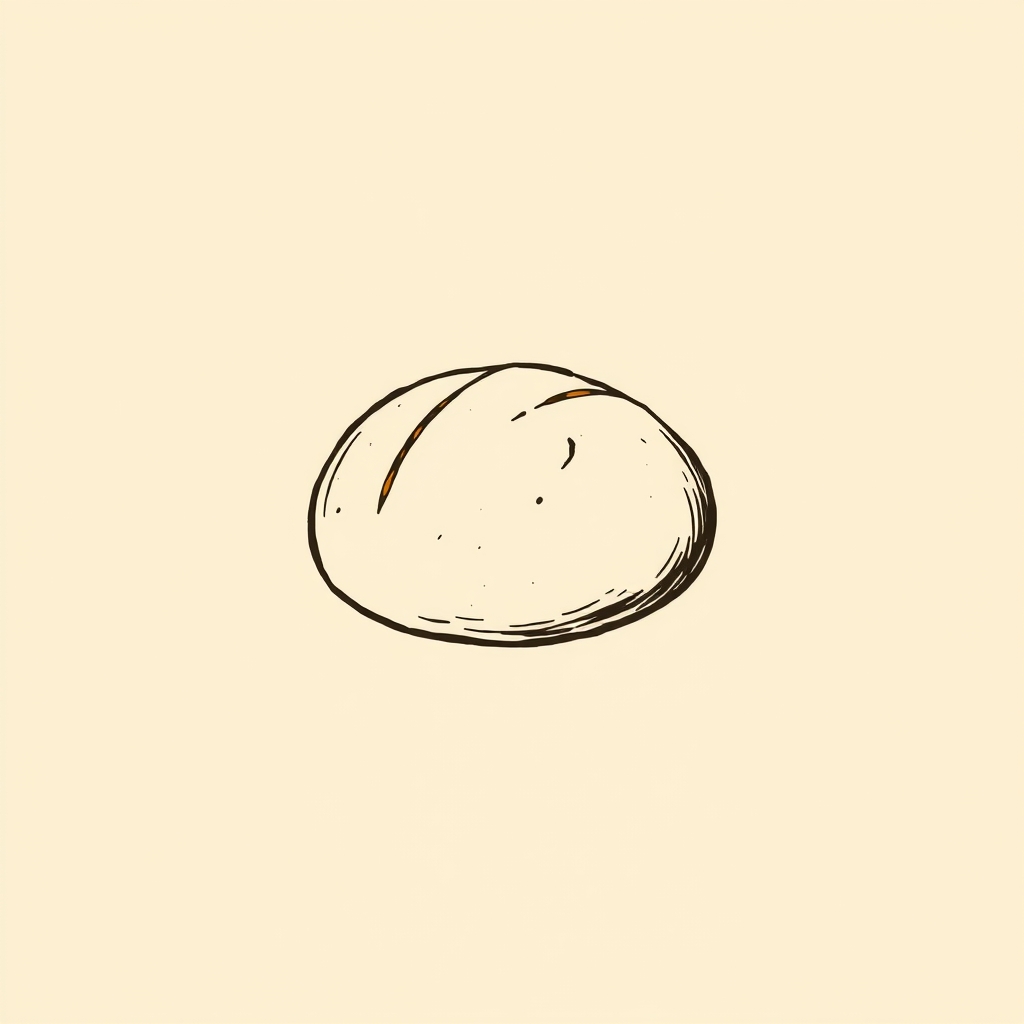
The spirituality of Father Lino Maupas is deeply rooted in the Franciscan charism of evangelical poverty and unconditional love for the least among us. He saw the face of the suffering Christ in every poor person, every prisoner, and every marginalized individual. His love for the crucified Christ translated into concrete and immediate action, without distinction of social class or political opinion. His legacy remains extremely vibrant in Parma. In 1947, the Villetta cemetery inaugurated the "Chiostro Padre Lino" (Father Lino Cloister) at the historic site of the paupers' graves. In 1961, the "Casa Padre Lino" assistance organization was created to continue his charitable activities for the elderly and the destitute. The "Amici di Padre Lino" (Friends of Father Lino) association perpetuates his memory through various social initiatives, including the "Mensa di Padre Lino" (the soup kitchen) adjacent to the Annunziata convent, which continues to distribute hot meals. In 1998, a bronze monument created by the sculptor Jucci Ugolotti was erected in his honor in Piazza Inzani, in the heart of the Oltretorrente district, depicting him walking with his arms full of bread for the poor. His life also inspired the Italian film Atsalut pader (1979), directed by Paolo Cavara.
Iconography
Signs and attributes
Frequently asked questions about Lino Maupas
Who was Lino Maupas?
Father Lino Maupas (1866-1924) was a Venerable Franciscan friar, known for his heroic devotion to the poor, prisoners, and the marginalized of Parma.
How is Lino Maupas depicted in Christian art?
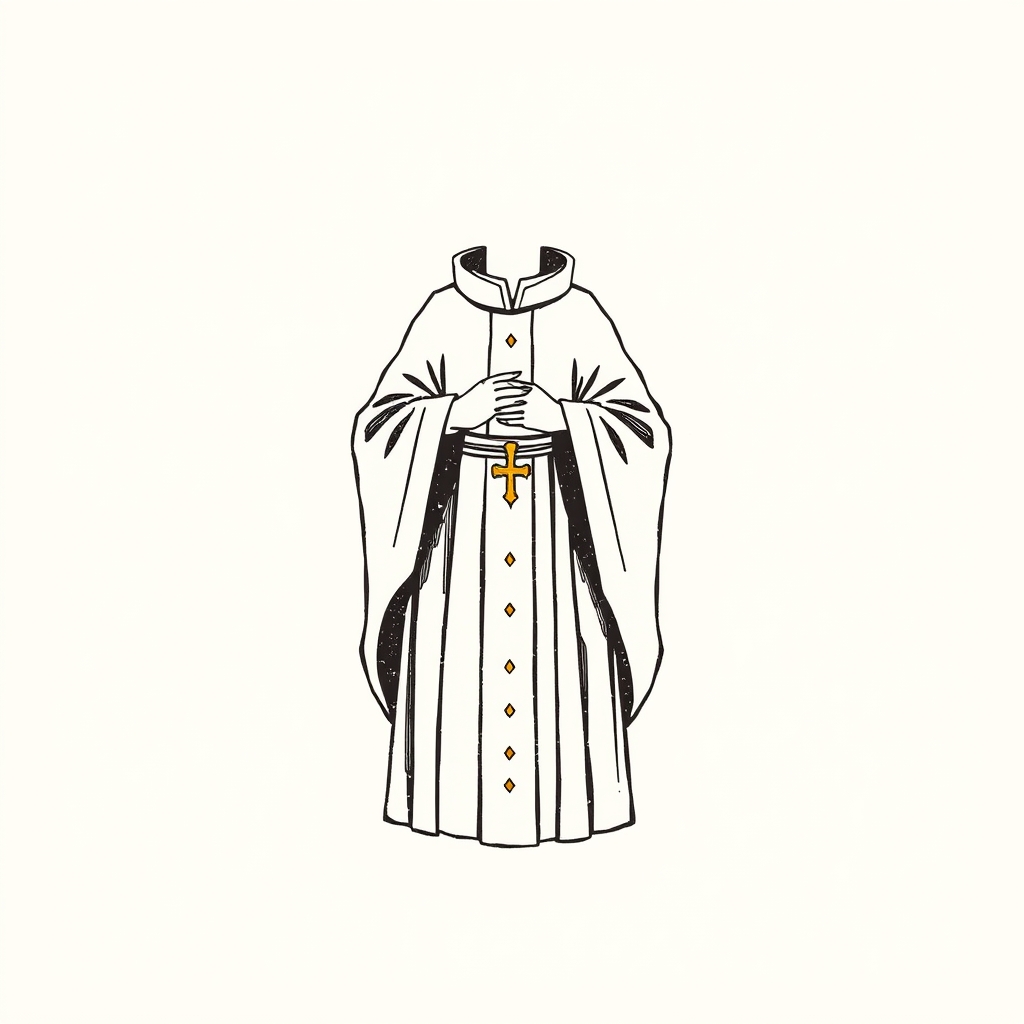
In iconography, Lino Maupas is recognizable by: Franciscan habit and Bread.
Which saints were contemporaries of Lino Maupas?
Contemporaries include: Pauline of the Agonizing Heart of Jesus, Felipe de Jesús Munárriz and 50 companions, Mariano de Jesús Euse Hoyos and Teresa of Jesus of the Andes.
When did Lino Maupas die?
Lino Maupas died around 1924.
What are the other names of Lino Maupas?
Other forms of the name: Alpinolo Ildebrando Umberto Maupas, Padre Lino and Padre Lino Maupas.
Who are the relatives of Lino Maupas?
Relatives of Lino Maupas: Giovanni Maupas (father), Rosa Marini (mother) and Pietro Doimo Maupas (paternal uncle).
Annexes & related entities
Structured data for exploration: events, miracles, quotes, places, attributes, patronages, and important entities cited in the text.
Key Events
- Era / death: 1866-1924
- Decree of venerability by John Paul II