
Francesco Marinoni
Francesco Marinoni (1490-1562) was an Italian Venerable Theatine priest. A companion of Saint Cajetan of Thiene, he worked in Naples where he inspired the foundation of the Monte di Pietà.
Contemporaries

Figures and markers around the normalized period for this entry.
Guided reading
5 reading sections
Biography
Youth in Venice, studies in Padua, and the beginnings of his priestly and charitable ministry to the sick.
Francesco Marinoni was born in Venice on December 25, 1490. Coming from a wealthy noble family originally from Clusone, he was the youngest of six children. Educated in deep Christian piety, he naturally gravitated toward ecclesiastical and legal studies, studying civil and canon law at the University of Padua. After being ordained a priest, he first exercised his ministry in Venice, notably as a cleric at the collegiate church of San Pantalon (San Pantaleone), and then as a sacristan and canon of the prestigious St. Mark's Basilica. He also devoted himself to the sick as a chaplain and superior of the Hospital of the Incurables in Venice. During the plague epidemic that struck the city in 1528, he showed heroic dedication to the infected.
Life and Work
Entry into the Theatines, mission in Naples with Saint Cajetan of Thiene, and foundation of major charitable works.
In December 1528, desiring to lead a life more radically in conformity with the Gospel and to work for the reform of the clergy, Francesco renounced his canonry at Saint Mark's. He entered the Order of Clerics Regular (the Theatines), founded by Saint Cajetan of Thiene and Gian Pietro Carafa (the future Pope Paul IV). He received the religious habit from the hands of Carafa on December 9, 1528, under the name Giovanni (John), and pronounced his solemn vows on May 29, 1530. In August 1533, by order of Pope Clement VII, he accompanied Saint Cajetan to Naples to establish the order there. They settled at the Hospital for the Incurables, then in 1538 received the Basilica of San Paolo Maggiore. In April 1540, Giovanni became superior of this community. A fervent preacher and sought-after spiritual director, he counted among his spiritual sons Saint Andrew Avellino and Blessed Paul Burali of Arezzo. Concerned with relieving misery and fighting against usury, he inspired in 1539 the foundation of the Monte di Pietà (Pawn Bank) of Naples by his noble penitents Aurelio Paparo, Gian Domenico di Lega, and Leonardo Palma. He also supported the creation of the pious place "Il Tempio" by Giovanna Scorziata and the monastery of Sant'Andrea delle Dame by the Palescandolo sisters. Upon the death of Saint Cajetan in 1547, he succeeded him as head of the community and, out of humility, refused the office of Archbishop of Naples offered by Pope Paul IV.
Path to holiness
Final years of devotion in Naples, death in 1562 and burial alongside Saint Cajetan.
Giovanni Marinoni spent the final years of his life in Naples, entirely devoted to prayer, confession, and the care of the poor. He died on December 13, 1562, in Naples, carried off either by a violent fever following a chill, or by the cholera epidemic that was then ravaging the city. Assisted in his final moments by his disciple and confessor, Saint Andrew Avellino, he was buried in the crypt of the Basilica of San Paolo Maggiore in Naples, alongside Saint Cajetan of Thiene.
Beatification and canonization
Confirmation of the cult by Clement XIII in 1762 and recognition of heroic virtues by Benedict XVI in 2011.
The cult of Giovanni Marinoni developed rapidly after his death, supported by the testimonies of his contemporaries, notably a letter written in 1600 by Saint Andrew Avellino describing his heroic virtues. On September 11, 1762, Pope Clement XIII officially confirmed his cult ab immemorabili, which is equivalent to his beatification (some sources also mention the date of December 5, 1764). More than two centuries later, on June 27, 2011, Pope Benedict XVI authorized the Congregation for the Causes of Saints to promulgate the decree recognizing the heroic nature of his virtues, thus formally attributing to him the title of Venerable. A recognized miracle is now required for his canonization.
Spirituality and legacy
Spirituality centered on the Passion, legendary gentleness, and lasting social impact in Naples.
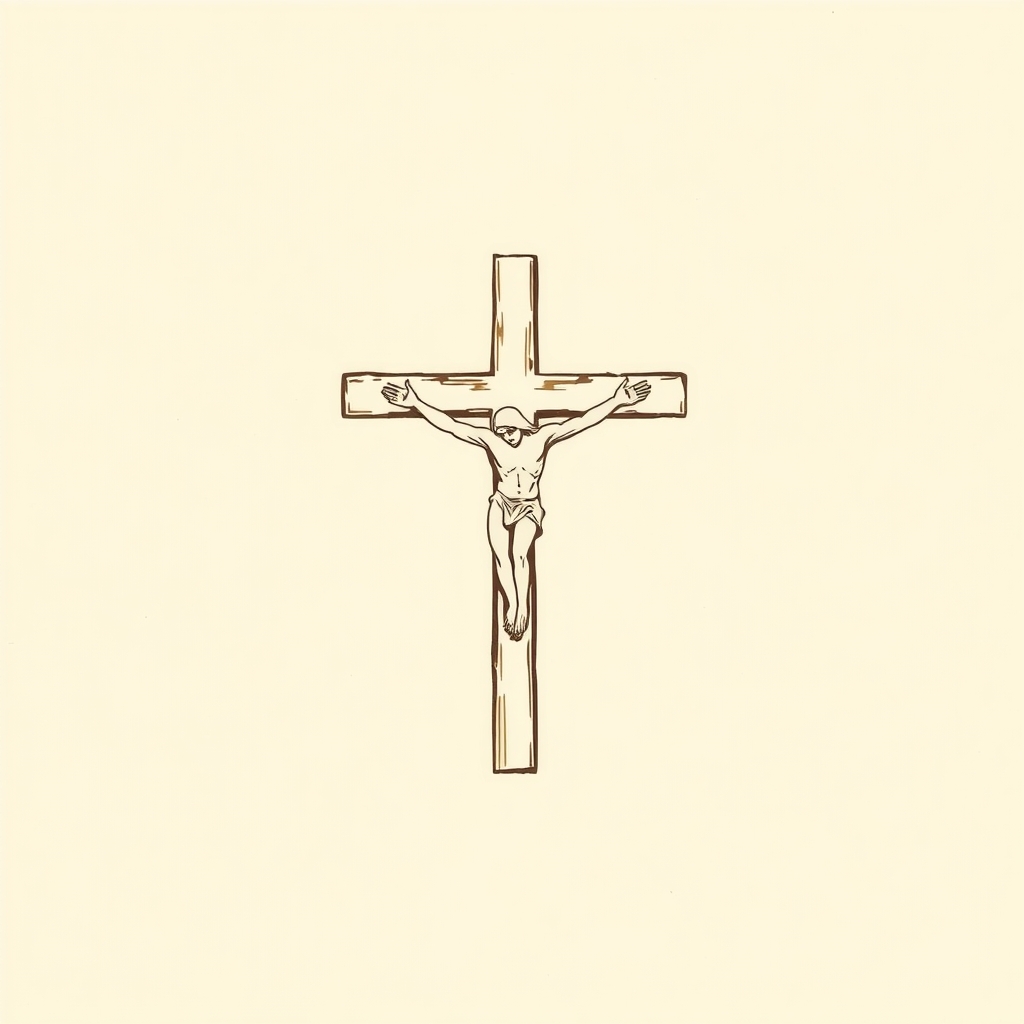
The spirituality of Giovanni Marinoni is deeply marked by the contemplation of the mystery of the Passion and the crucified Christ. He is often depicted in art holding a crucifix in his hand. Saint Andrew Avellino described him as a man of extraordinary gentleness and kindness, whose face constantly reflected the joy and serenity of the divine presence. Nicknamed the "master of the Theatine saints," he knew how to transmit to his novices a radical love of evangelical poverty, lived in joy and confident abandonment to Providence. His legacy survives not only through the memory of his spiritual direction of great saints, but also through the lasting social impact of the Monte di Pietà that he helped found in Naples.
Iconography
Signs and attributes
Frequently asked questions about Francesco Marinoni
Who was Francesco Marinoni?
Francesco Marinoni (1490-1562) was an Italian Venerable Theatine priest. A companion of Saint Cajetan of Thiene, he worked in Naples where he inspired the foundation of the Monte di Pietà.
How is Francesco Marinoni depicted in Christian art?
In iconography, Francesco Marinoni is recognizable by: crucifix.
Which saints were contemporaries of Francesco Marinoni?
Contemporaries include: Blessed John of Jesus-Mary, Ana de Jesús, Venerable Anne of Jesus and Saint Francis de Sales (Bishop and Prince of Geneva).
When did Francesco Marinoni die?
Francesco Marinoni died around 1562.
What are the other names of Francesco Marinoni?
Other forms of the name: Giovanni Marinoni and Jean Marinoni.
Annexes & related entities
Structured data for exploration: events, miracles, quotes, places, attributes, patronages, and important entities cited in the text.
Key Events
- Era / death: 1490-1562
- Decree of venerability by Benedict XVI