
Josefa Naval Girbés
A Spanish laywoman, embroiderer, and catechist, she dedicated her life to the Christian education of young girls and to the service of her parish in Algemesí.
Contemporaries

Figures and markers around the normalized period for this entry.
Guided reading
5 reading sections
Biography
Birth, childhood, and youth of Josefa Naval Girbés in Algemesí.
Maria Josefa Naval Girbés was born on December 11, 1820, in Algemesí, a municipality in the province of Valencia, Spain. She was the eldest of six children born to Francisco Naval and Josefa María Girbés, a couple of modest farmers who were deeply Christian. Baptized on the very day of her birth in the parish church of Saint James the Apostle (San Jaime Apóstol), she was given the name Maria Josefa, but would be affectionately called "Pepa" or "Señora Pepa" by those around her.
She received the sacrament of Confirmation at the age of eight, on November 10, 1828, and made her First Communion the following year, at age nine. At that time, access to public education was very limited. Josefa attended a neighbor's school where she learned the rudiments of reading and writing, but she distinguished herself above all by her skill in needlework, particularly silk and gold embroidery.
In June 1833, when she was only thirteen years old, her mother died prematurely at the age of 35. As the eldest of the siblings, Josefa had to leave school to take over the management of the household and the upbringing of her brothers and sisters. The family then moved in with her maternal grandmother and uncle, both of whom were in fragile health, and whom she also cared for with devotion. Despite these heavy domestic responsibilities, her piety grew, and she found constant spiritual support from her parish priest and spiritual director, Father Gaspar Silvestre.
Life and Work
Consecration in the world, embroidery workshop-school, and charitable commitment.
At the age of 18, on December 4, 1838, Josefa Naval Girbés made a perpetual vow of chastity. She chose not to enter a cloistered monastery, but to consecrate her virginity to Jesus Christ while remaining in the world, in order to serve the Church and her neighbor at the heart of her own parish community. Around 1850, at the age of 30, she began gathering young girls and women at her home for moments of spiritual reading and Christian formation. An expert in embroidery, she opened a free workshop-school for manual labor in her house. This workshop quickly became a center for evangelization and community life. While teaching the art of embroidery, Josefa trained her students in prayer, meditation on the Gospel, and the practice of Christian virtues. For her most advanced disciples, she set up meetings for more in-depth spiritual formation, known as "garden colloquies" (conversaciones del jardín). Thanks to this pedagogy, her house became a true seminary of Christian life: many young girls discovered their religious vocation there and entered the convent, while others learned how to become holy mothers of families. Josefa was also actively involved in the charitable works of her parish. As a member of the Society of Saint Vincent de Paul, she visited the sick, assisted the poor, and strove to restore peace in divided households. Her dedication culminated in 1885, during a severe cholera epidemic that struck Algemesí. At 65 years old, she courageously risked her life to care for the sick and assist the dying, helping them to pass away in the grace of God.
Journey toward holiness
Carmelite spirituality, illness, and the holy death of Josefa.
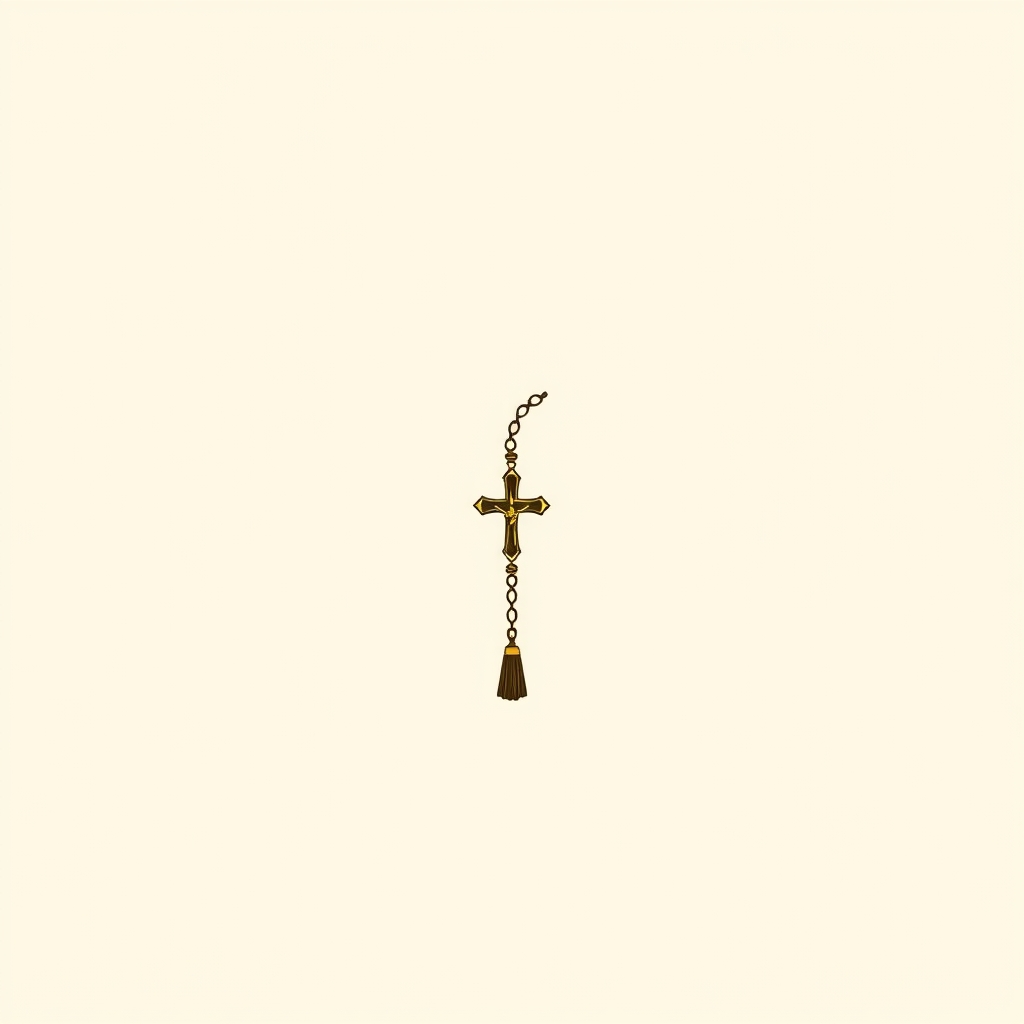
The spiritual life of Josefa Naval Girbés is deeply marked by the spirituality of Carmel. She nourished herself on the writings of Saint Teresa of Avila and Saint John of the Cross, and became a member of the Secular Order of Discalced Carmelites (then called the Secular Third Order). She dedicated a filial love to the Virgin Mary, faithfully wearing the Scapular of Mount Carmel and reciting the Rosary daily with her students.
In 1891, her health, already precarious, deteriorated severely due to chronic heart problems. She endured great physical suffering for two years with heroic patience and total resignation to the divine will. Feeling her end approaching, she asked to be clothed in the Carmelite habit (brown tunic and white mantle) for her burial.
On February 24, 1893, Josefa passed away holily in Algemesí, at the age of 72, surrounded by her spiritual daughters. Her funeral was celebrated in the presence of an immense crowd of faithful who already considered her a saint. On October 20, 1946, her mortal remains were transferred to the parish church of Saint James in Algemesí (today a minor basilica), where they are still venerated.
Beatification and canonization
Process of beatification, recognition of heroic virtues and miracles.
The ordinary informative process on the reputation for holiness of Josefa Naval Girbés was opened in the Archdiocese of Valencia on December 22, 1950, and closed on June 30, 1952. An additional process was conducted in 1956. After examination by the Congregation for the Causes of Saints, the decree of validity for the diocesan processes was signed on October 7, 1982.
On January 3, 1987, Pope John Paul II promulgated the decree recognizing the heroic nature of her virtues, granting her the title of Venerable.
A miracle attributed to her intercession (the scientifically inexplicable healing of a sick person) was officially approved by a papal decree on September 1, 1988.
Josefa Naval Girbés was solemnly beatified by Pope John Paul II on September 25, 1988, in St. Peter's Basilica in Rome.
Within the framework of her canonization cause, a second miracle was the subject of a diocesan investigation validated in Rome on May 12, 2006. The medical board of the Congregation for the Causes of Saints formally approved this miracle on May 22, 2014. The cause is currently awaiting the final decision of the Sovereign Pontiff for the proclamation of her canonization.
Spirituality and legacy
Josefa's spiritual legacy as a mistress of lay holiness.
Blessed Josefa Naval Girbés is celebrated by the Church as an "exceptional mistress of lay holiness." In his beatification homily, Pope John Paul II highlighted how her simple and hidden life anticipated by nearly a century the teaching of the Second Vatican Council on the universal call to holiness and the active role of the laity in the mission of the Church.
Her spiritual legacy rests on the conviction that daily work and the most ordinary duties of one's state in life can become paths of high contemplation and fruitful apostolate. By transforming her embroidery workshop into a school of prayer and Christian life, she showed that faith must be incarnated in the concrete realities of existence. She remains an inspiring model for catechists, educators, and all lay faithful engaged in the life of their parish.
Iconography
Signs and attributes
The supernatural in their life
The miracles of Josefa Naval Girbés
Frequently asked questions about Josefa Naval Girbés
Who was Josefa Naval Girbés?
A Spanish laywoman, embroiderer, and catechist, she dedicated her life to the Christian education of young girls and to the service of her parish in Algemesí.
What is Josefa Naval Girbés the patron saint of?
Patronage of Josefa Naval Girbés: Catéchistes, Catechists, Éducateurs, Educators, Brodeuses and Embroiderers.
How is Josefa Naval Girbés depicted in Christian art?
In iconography, Josefa Naval Girbés is recognizable by: Scapular of Our Lady of Mount Carmel and Rosary.
What miracles are attributed to Josefa Naval Girbés?
1 miracle are attributed to this saint, notably: Healing.
Which saints were contemporaries of Josefa Naval Girbés?
Contemporaries include: Jesús María Echavarría Aguirre, Pauline of the Agonizing Heart of Jesus, Narcisa de Jesús and Juan de Jesús López y González.
When did Josefa Naval Girbés die?
Josefa Naval Girbés died around 1893.
What are the other names of Josefa Naval Girbés?
Other forms of the name: Maria Josefa Naval Girbés, Pepa and Señora Pepa.
Who are the relatives of Josefa Naval Girbés?
Relatives of Josefa Naval Girbés: Francisco Naval (father) and Josefa María Girbés (mother).
Annexes & related entities
Structured data for exploration: events, miracles, quotes, places, attributes, patronages, and important entities cited in the text.
Key Events
- Era / death: 1893
- Beatification in 1988 by John Paul II