
Antonina de Angelis
An Italian religious of the Daughters of Our Lady of Mercy, Maria Ludovica De Angelis (born Antonina) dedicated her life to the development of the Children's Hospital of La Plata in Argentina.
Contemporaries

Figures and markers around the normalized period for this entry.
Guided reading
5 reading sections
Biography
Birth in Italy, entry into religious life with the Daughters of Our Lady of Mercy, and departure on mission to Argentina.
Blessed Maria Ludovica De Angelis, born Antonina De Angelis, was born on October 24, 1880, in San Gregorio, a small village in the Abruzzo region located near the city of L'Aquila, Italy. She was the eldest of a family of eight children. Baptized on the very day of her birth with the name Antonina, she grew up in a modest, rural environment. From a very young age, she worked hard in the fields, developing a deep love for nature and a great spiritual sensitivity. Although reserved, Antonina felt the call to religious life very early on. Her desire for consecration found a perfect echo in the charism of the Institute of the Daughters of Our Lady of Mercy, founded in 1837 in Savona by Saint Maria Giuseppa Rossello. On November 14, 1904, she entered this congregation and received the name Sister Maria Ludovica upon taking the habit. Three years later, on November 14, 1907, she was sent on a mission to Argentina. She arrived in Buenos Aires on December 4, 1907.
Life and Work
Exceptional dedication to the Children's Hospital of La Plata, which she transformed and modernized in the service of the youngest.
In 1908, Sister Maria Ludovica was assigned to the Children's Hospital of La Plata (Hospital de Niños). Upon her arrival, the establishment was extremely modest, with only sixty beds and two wooden pavilions. She began her service there humbly as the person in charge of the kitchen, the laundry, and the pantry. Through her kindness, dedication, and sense of organization, she quickly gained the esteem of all and subsequently became the administrator of the hospital, and then the superior of her religious community. Sister Maria Ludovica dedicated fifty-four years of her life to transforming this hospital into a modern and welcoming care center. Without advanced academic training but driven by an unwavering faith and great practical ingenuity, she multiplied initiatives to improve the lot of sick children: - She obtained public and private financial aid to build new operating rooms and individual rooms, and to acquire state-of-the-art medical equipment. - She had a convalescence building for children erected in Mar del Plata, equipped with a chapel (which has since become a parish). - She created a farm in City Bell to ensure a regular supply of healthy and fresh food for the young patients of the hospital. Her action was based on a deep life of prayer, centered on the Eucharist and the Virgin Mary. She succeeded in uniting the medical staff, volunteers, and benefactors, transforming the hospital into a true family united around a single goal: the well-being and healing of the children. Her life's program was summed up in a motto she repeated constantly: "Do good to all, to anyone."
Journey toward holiness
Faced with illness, Sister Maria Ludovica offers up her sufferings and passes away in 1962 in La Plata.
In 1935, Sister Maria Ludovica felt the first symptoms of abdominal cancer. Despite the progression of the disease and the physical suffering, she refused to slow down her pace of work and continued to serve daily at the hospital with a smile, her rosary always in hand. She offered her trials for the salvation of souls and the good of the Church.
She passed away on February 25, 1962, in La Plata, at the age of 81, within the very hospital she helped to build and develop for more than half a century. Her remains rest today in the Cathedral of La Plata.
Beatification and canonization
Recognition of her heroic virtues, a miracle of healing, and beatification by John Paul II in 2004.
The cause for the beatification and canonization of Sister Maria Ludovica was introduced in the diocese of La Plata. On December 20, 2001, Pope John Paul II promulgated the decree recognizing the heroic nature of her virtues, thereby conferring upon her the title of Venerable.
A miracle attributed to her intercession was officially recognized by a decree on December 20, 2003. This miracle concerned the scientifically inexplicable healing of a young girl suffering from a serious congenital pathology.
Sister Maria Ludovica De Angelis was solemnly beatified by Pope John Paul II on October 3, 2004, in Saint Peter's Square in Rome. During his homily, the Holy Father highlighted her motherly heart, her qualities as a guide, and her concrete and generous love for sick children.
Spirituality and legacy
An active charity and a living legacy through the hospital named in her honor in La Plata.
The spirituality of Blessed Maria Ludovica is characterized by active charity, profound humility, and total abandonment to Divine Providence. She knew how to combine a life of intense contemplation with a social and medical commitment of remarkable effectiveness. Her legacy remains extremely vibrant in Argentina. The Children's Hospital of La Plata was officially renamed in her honor "Hospital de Niños Sor María Ludovica." She is particularly venerated as the patroness and model for healthcare professionals, nurses, and hospital staff in the region.
Iconography
Signs and attributes
The supernatural in their life
The miracles of Antonina de Angelis
Frequently asked questions about Antonina de Angelis
Who was Antonina de Angelis?
An Italian religious of the Daughters of Our Lady of Mercy, Maria Ludovica De Angelis (born Antonina) dedicated her life to the development of the Children's Hospital of La Plata in Argentina.
What is Antonina de Angelis the patron saint of?
Patronage of Antonina de Angelis: professionnels de santé, healthcare professionals, infirmiers, nurses, personnel hospitalier and hospital staff.
How is Antonina de Angelis depicted in Christian art?
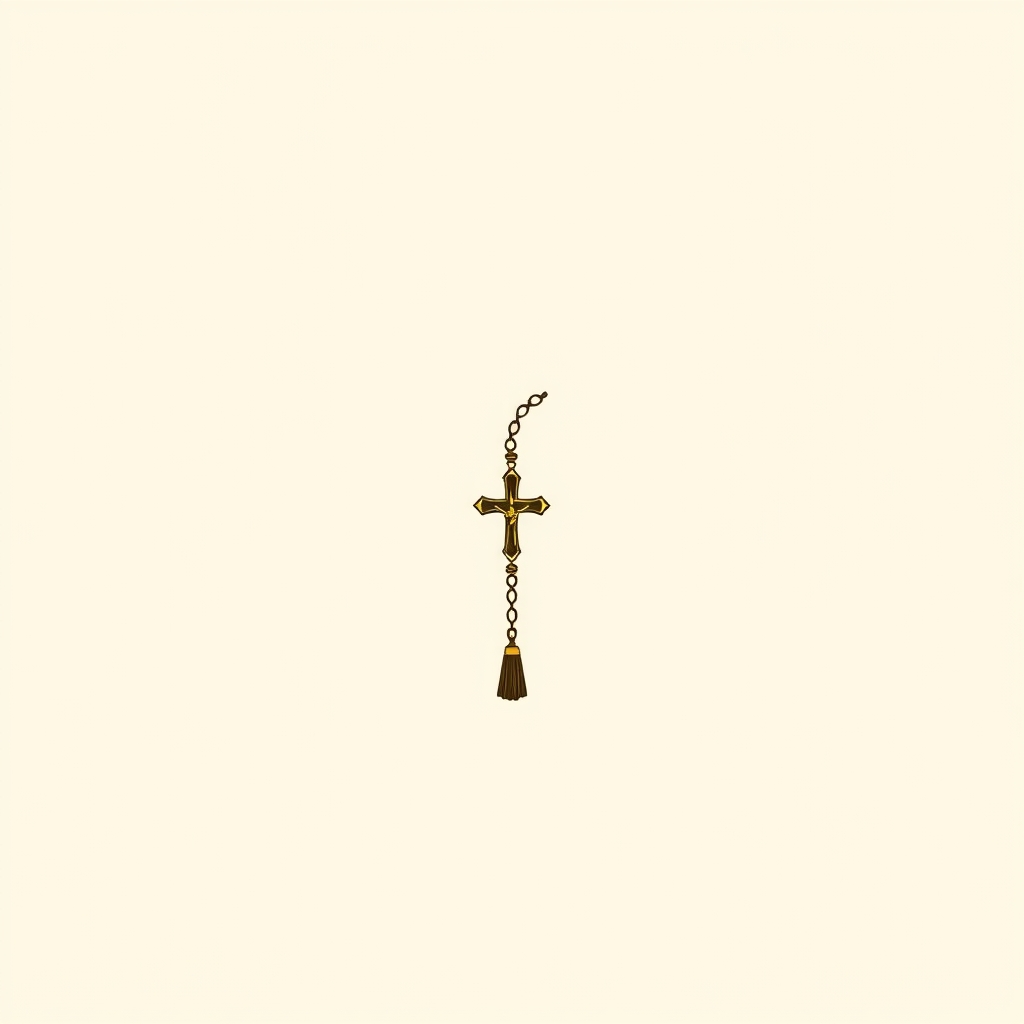
In iconography, Antonina de Angelis is recognizable by: rosary.
What miracles are attributed to Antonina de Angelis?
1 miracle are attributed to this saint, notably: Healing.
Which saints were contemporaries of Antonina de Angelis?
Contemporaries include: Pauline of the Agonizing Heart of Jesus, Felipe de Jesús Munárriz and 50 companions, Mariano de Jesús Euse Hoyos and Teresa of Jesus of the Andes.
When did Antonina de Angelis die?
Antonina de Angelis died around 1962.
What are the other names of Antonina de Angelis?
Other forms of the name: Maria Ludovica De Angelis.
Annexes & related entities
Structured data for exploration: events, miracles, quotes, places, attributes, patronages, and important entities cited in the text.
Key Events
- Era / death: 1962
- Beatification in 2004 by John Paul II
Quotes
-
Do good to everyone, to anyone at all
https://vertexaisearch.cloud.google.com/grounding-api-redirect/AUZIYQESDTbB0Xg1UQ5h8J1zHHEhgsS_XpIdiTH8zC_eQSIbTf4zymcAZwOaH1zsIVsmAmManCTe-amw9m2uR6yWy9UgDPfGlZjFRvPXuxY0QbYM9_63zOeXUEmVKrMfe3iwH65-tpkeNlK5bWMyVPFA