
Saint Suitbert the Elder
An English monk sent by Saint Egbert, Suitbert became the apostle of the Frisians and the Boructuariens at the turn of the 8th century. Consecrated bishop by Wilfrid of York, he evangelized vast territories before retiring to a monastery on the Rhine. He died in 713 at Kaiserswerth, where his relics are still honored.
Contemporaries

Figures and markers around the normalized period for this entry.
Guided reading
4 reading sections
SAINT SUITBERT, APOSTLE OF THE FRISIANS (713).
The mission to the Frisians
A disciple of Saint Egbert, Suitbert was sent with eleven companions to evangelize the Frisians after the failure of Wigbert, benefiting from the support of Pepin of Herstal.
Saint Suitbert the Elde r was born in England. Saint Egbert , his master, who saw with sorrow that a first mission and the apostolic labors of Wigbert, thwarted by Prince Radbod, had failed al most completely among the Frisians, sent twelve mi ssionar ies, among whom was Suitbert, to preach the Gospel to this people once again. They began the exercise of their ministry in Utrecht. They were powerfully supported by Pepi n of Herstal, who had made Radbod his tributary.
Episcopate and expansion of the apostolate
Consecrated bishop in England by Wilfrid of York, Suitbert extended his work toward the Boructuarians before being hindered by Saxon invasions.
The land that bore the name of Frisia extended from the mouth of the Rhine to Denmark and ancient Saxony; but our Saint exercised his zeal primarily in Hither Frisia, which included the southern part of Holland, the northern part of Brabant, and the lands of Guelders and Cleves. He had the consolation of seeing an innumerable multitude of men abjure paganism and renounce their disorders. He was consecrated bishop in England by his compatriot Wilfrid of York, some time after the year 6 97. He reappea red in the midst of his people with greater authority and no less zeal. He established the best order in the churches he had previously founded. Then, entrusting his sheep to the care of Willibrord and his companions, he penetrated into the la nd of the Boructuarians, known today as the Duchy of Berg and the County of Mark, and he converted a great number of them to the faith. Unfortunately, the success of his labors was halted by an irruption of the Saxons, who seized the entire country aft er having committed the most frightful ravages there.
Retreat and monastic foundation
The saint retires to an island in the Rhine gifted by Pepin, founds a monastery there, and dies in 713.
The holy bishop, to prepare for death, retired to a small island which Pepin had gifted to him, situated in the middle of the waters of the Rhine. He founded a monastery there, where he died in the exercise of penance on March 1, 713. This monastery was very famous for several centuries; a town formed around it, long named Saint-Suitbert, but which has resumed its ancient name of Keiserswerdt; w e have a pan egyric in honor of this Saint, by Radbod, Bishop of Utrecht, who died in 917. In 1026, the relics of Saint Suitbert were found at Keiserswerdt; they were enclosed in a silver shrine with those of Saint Villeic, his successor in the gove rnment of the abbey. They are still in the same place, with the exception of a few small parts, which the Archbishop of Cologne gave to several churches.
Posterity and veneration
His relics were discovered in the 11th century at Kaiserswerth, and his cult spread widely in Holland and the neighboring regions.
His feast was formerly celebrated with great solemnity in Holland and the other countries of which he had been the apostle.
Iconography
Signs and attributes
Entities
Narrative network
The names, places, and concepts most present in the entry, weighted by centrality in the text.
Frequently asked questions about Saint Suitbert the Elder
Who was Saint Suitbert the Elder?
An English monk sent by Saint Egbert, Suitbert became the apostle of the Frisians and the Boructuariens at the turn of the 8th century. Consecrated bishop by Wilfrid of York, he evangelized vast territories before retiring to a monastery on the Rhine. He died in 713 at Kaiserswerth, where his relics are still honored.
What is Saint Suitbert the Elder the patron saint of?
Patronage of Saint Suitbert the Elder: Holland, Frisia and Kaiserswerth.
How is Saint Suitbert the Elder depicted in Christian art?
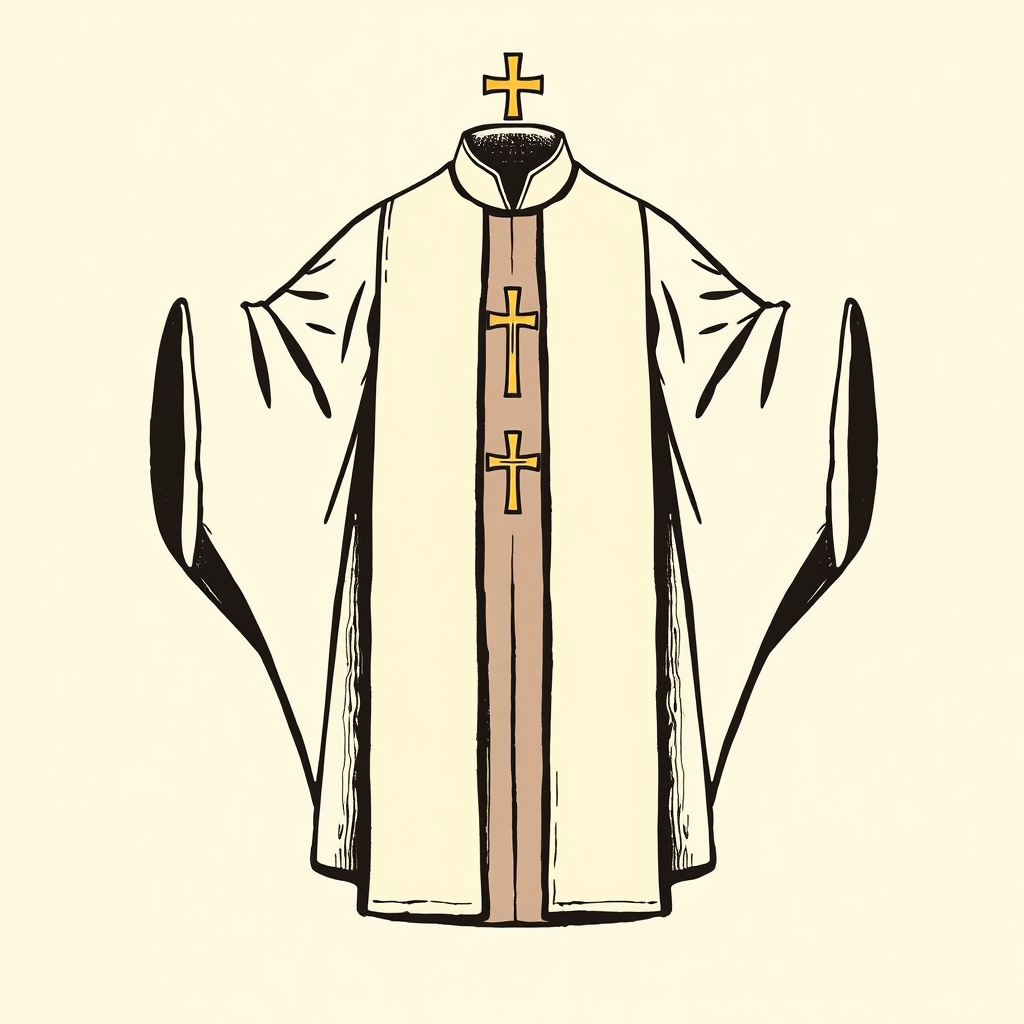
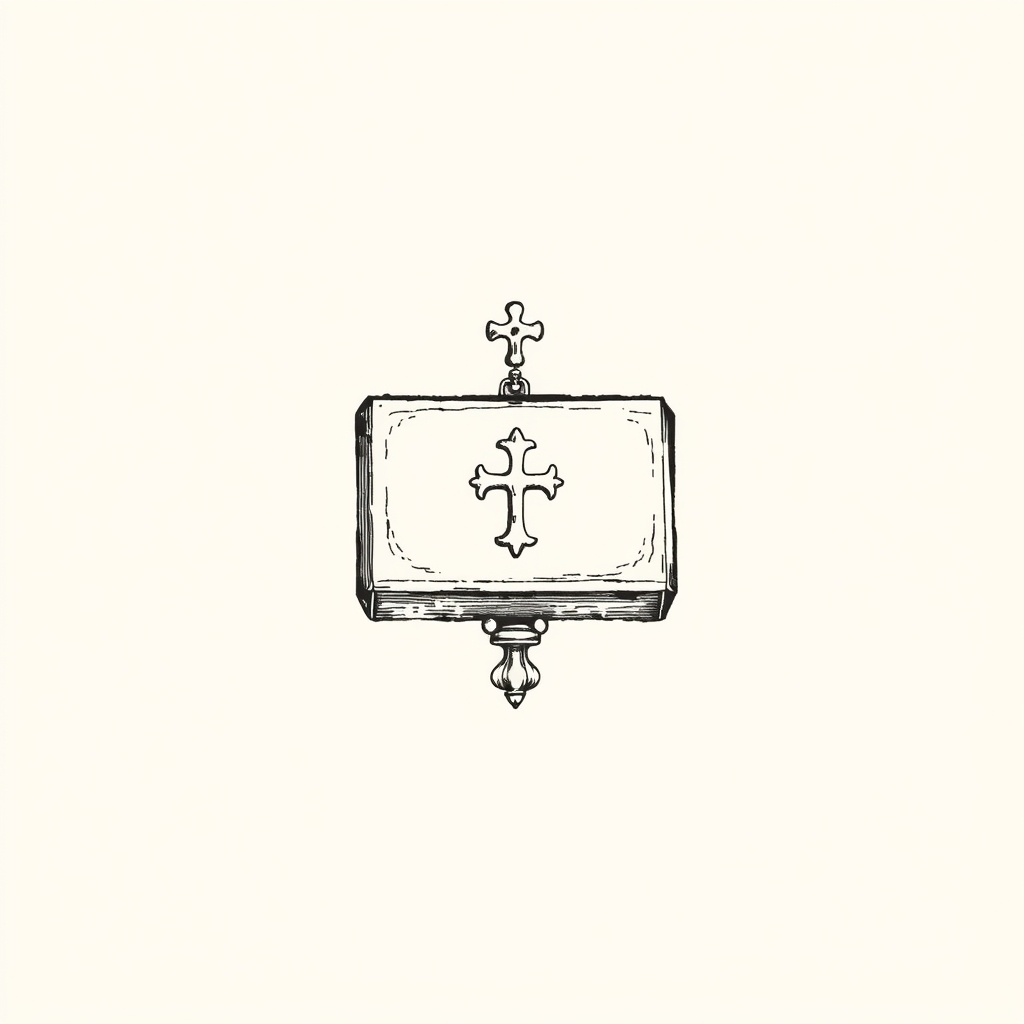
In iconography, Saint Suitbert the Elder is recognizable by: episcopal habit and silver reliquary.
Which saints were contemporaries of Saint Suitbert the Elder?
Contemporaries include: Saint Hidulph of Trier, Saint Ghislain (Guillain), Saint Lambert (Landebert) and Saint Amand of Maastricht.
When did Saint Suitbert the Elder die?
Saint Suitbert the Elder died around 713.
What are the other names of Saint Suitbert the Elder?
Other forms of the name: Suitbert l'Ancien.
Annexes & related entities
Structured data for exploration: events, miracles, quotes, places, attributes, patronages, and important entities cited in the text.
Key Events
- Mission to the Frisians with twelve companions
- Episcopal consecration in England by Wilfrid of York after 697
- Establishment of order in the churches of Frisia
- Mission to the Boructuarians
- Foundation of a monastery on an island in the Rhine given by Pepin of Herstal
- Died while performing penance in 713