
Noël Pinot
A French priest and martyr of the Revolution, Blessed Noël Pinot was guillotined in Angers in 1794 for refusing to swear an oath to the Civil Constitution of the Clergy.
Contemporaries

Figures and markers around the normalized period for this entry.
Guided reading
5 reading sections
Biography
Youth, formation, and beginnings of the priestly ministry of Noël Pinot in Angers and its surroundings.
Blessed Noël Pinot was born on December 19, 1747, in Angers, France. He was the sixteenth and last child of a deeply Christian family of weavers. Having lost his father at the age of eight, he entered the seminary of Angers to pursue his ecclesiastical studies. He was ordained a priest on December 22, 1770. After his ordination, he first exercised his ministry as a vicar in the parishes of Bousse, Coutures, and then Corzé. In August 1781, he was appointed chaplain of the hospice for the incurably ill in Angers, where he distinguished himself by his devotion to the sick. In September 1788, he became the parish priest of Louroux-Béconnais.
Life and Work
The ministry of Father Pinot in Le Louroux-Béconnais in the face of the upheavals of the French Revolution.
In Le Louroux-Béconnais, Father Noël Pinot applied himself to spiritually revitalizing his parish through his piety, his preaching, and his active charity. However, the French Revolution came to disrupt his ministry. In 1790, the Constituent Assembly voted for the Civil Constitution of the Clergy, requiring priests to take an oath of fidelity to the Nation and to civil law, which amounted to breaking unity with the Pope. While his vicar, Mathurin Garanger, initially took this oath, Father Pinot firmly opposed it. On Sunday, January 23, 1791, he publicly refused to take the schismatic oath, affirming that his spiritual authority did not come from civil power but from God. Accused by the revolutionary municipality of opposition to the law, he was arrested on March 5, 1791, and sentenced to exile by the district court, with a prohibition from approaching within eight leagues of his parish. He then withdrew into hiding, notably in Beaupréau.
Path to Holiness
The clandestine return of Abbé Pinot, his arrest at La Milandrie, and his death sentence.
In 1793, taking advantage of the Vendée uprising, Abbé Pinot returned secretly to Le Louroux-Béconnais to support his parishioners who were deprived of a legitimate pastor. Dressed as a peasant to evade search parties, he traveled the countryside by night, celebrating Mass and administering the sacraments in barns and friendly homes. His clandestine life ended on the night of February 8, 1794. Denounced by an inhabitant whom he had previously helped, he was surprised by Republican soldiers at the Milandrie farm while preparing to celebrate Mass. The soldiers discovered him hidden in a wooden chest in the attic. Arrested while wearing his priestly vestments, he was dragged under insults and blows to Angers. After twelve days of imprisonment, he appeared before the Revolutionary Military Commission of Angers. The president of the tribunal, an apostate priest named Roussel, sentenced him to death. Out of derision or provocation, the judge offered him the chance to climb the scaffold wearing his liturgical vestments. Abbé Pinot accepted with joy, seeing it as an immense consolation.
Beatification and canonization
The execution of Noël Pinot in Angers and his official recognition as a martyr by the Church.
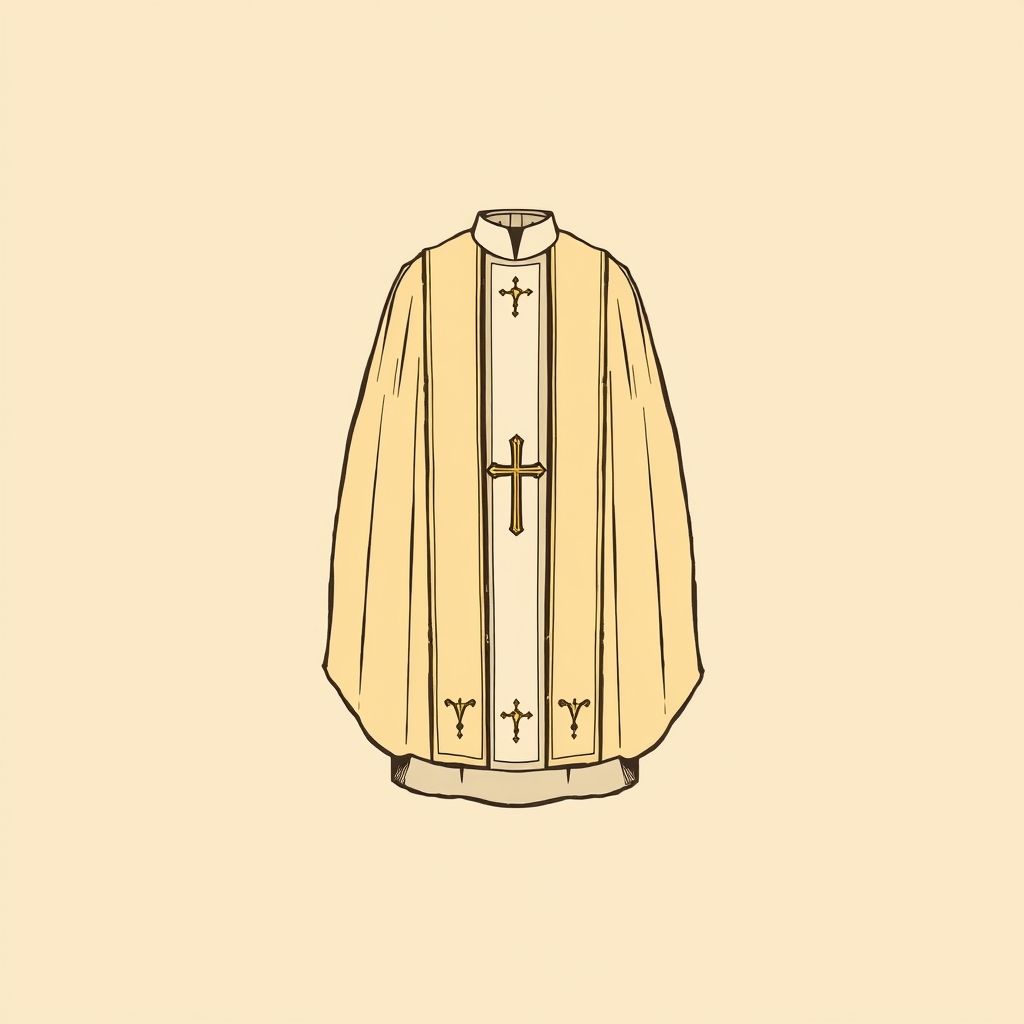
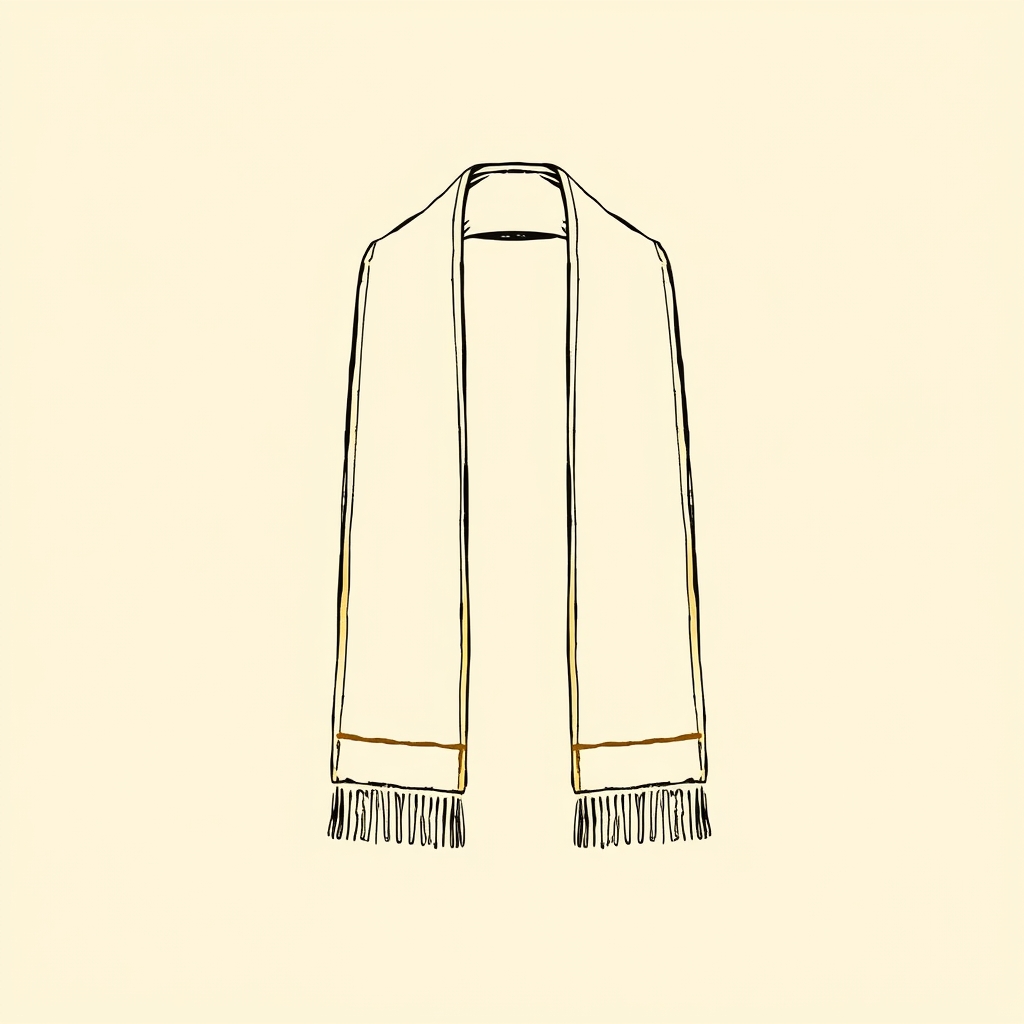
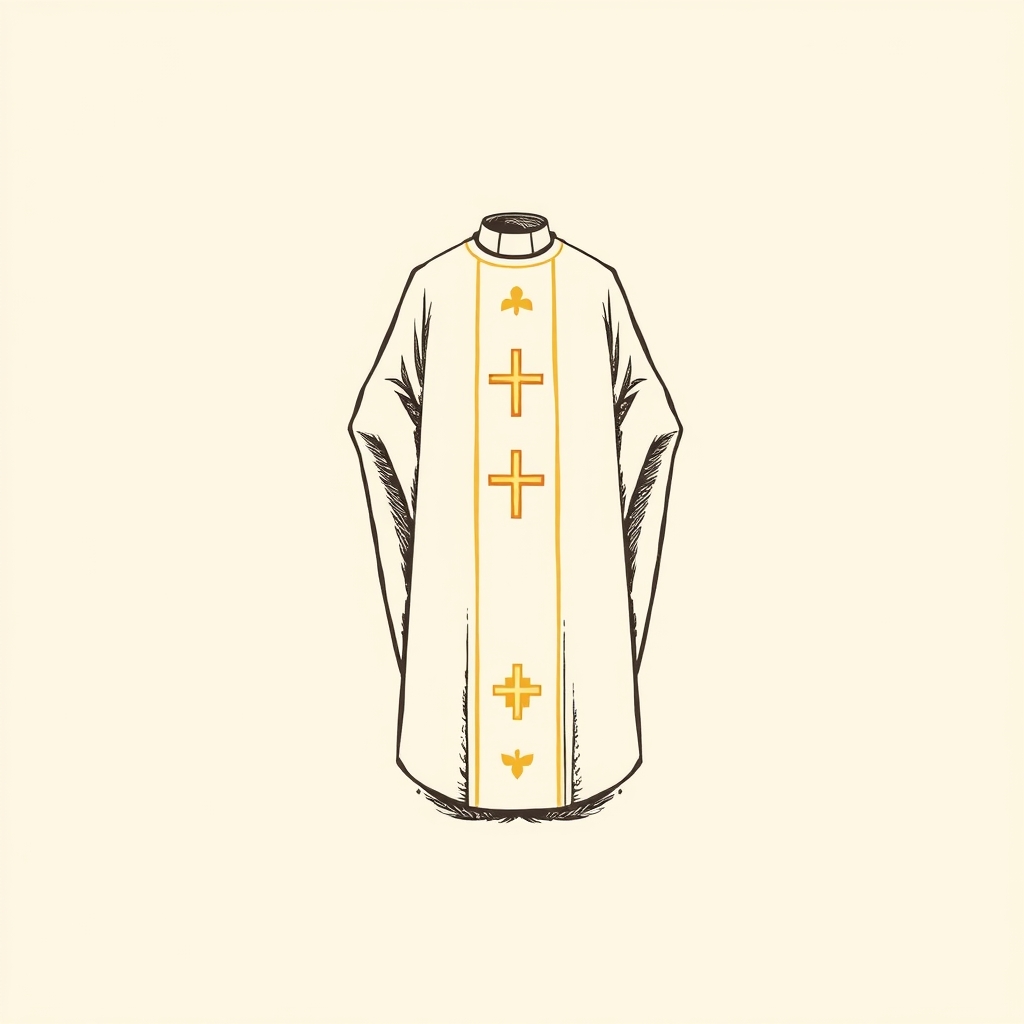
On Friday, February 21, 1794, around 3 p.m., Father Noël Pinot was led to the guillotine erected on the Place du Ralliement in Angers. Dressed in his priestly vestments (alb, stole, chasuble), he climbed the steps of the scaffold while reciting the opening prayers of the Mass: "Introibo ad altare Dei" ("I will go unto the altar of God"). He was executed at the age of 46. The process for his beatification was opened in 1864 by the Bishop of Angers, Mgr Guillaume Angebault. On June 3, 1926, Pope Pius XI promulgated the decree recognizing his martyrdom in hatred of the faith (odium fidei). Noël Pinot was solemnly beatified by Pope Pius XI on October 31, 1926, at the Vatican. His liturgical feast is set for February 21, the day of his birth into Heaven.
Spirituality and legacy
The spiritual significance of Noël Pinot's sacrifice and the enduring nature of his memory in Anjou.
The spirituality of Blessed Noël Pinot is based on an absolute fidelity to Christ, to the Church, and to the Apostolic See, lived out until the total gift of his life. By ascending the scaffold wearing his celebrant's vestments, he intimately united his own sacrifice to that of Christ on the Cross, transforming the guillotine into an altar of offering. Today, his memory remains particularly alive in Anjou. The parish of Le Louroux-Béconnais bears his name. The Blessed Noël Pinot oratory in Angers as well as the Milandrie sanctuary perpetuate his memory and remain places of prayer, particularly for priestly vocations. In 1984, during the beatification of the 99 martyrs of Angers, Pope John Paul II recalled the exemplary figure of Father Pinot, the first martyr of this group to have been raised to the altars.
Iconography
Signs and attributes
Frequently asked questions about Noël Pinot
Who was Noël Pinot?
A French priest and martyr of the Revolution, Blessed Noël Pinot was guillotined in Angers in 1794 for refusing to swear an oath to the Civil Constitution of the Clergy.
What is Noël Pinot invoked for?
Noël Pinot is invoked for: vocations sacerdotales and priestly vocations.
How is Noël Pinot depicted in Christian art?
In iconography, Noël Pinot is recognizable by: priestly vestments, alb, stole and chasuble.
How did Noël Pinot die?
Noël Pinot suffered martyrdom for the Christian faith (18th century).
Which saints were contemporaries of Noël Pinot?
Contemporaries include: Venerable Agnes of Jesus, Blessed Mary Anne of Jesus, Saint Alphonsus Liguori and Saint Mary Frances of the Five Wounds of Jesus.
Annexes & related entities
Structured data for exploration: events, miracles, quotes, places, attributes, patronages, and important entities cited in the text.
Key Events
- Era / death: 1794
- Beatification in 1926 by Pius XI
Quotes
-
Introibo ad altare Dei
https://vertexaisearch.cloud.google.com/grounding-api-redirect/AUZIYQHLDzVMQ-YUcjFg4LHL53XZkocLqJwxKIN3PNKkTWjcGbp9Z3l79qwOBxhrknL5NS5O3g6DYy0yBmou52nCNH729I1F9jaFbhYKOdPfa_KQP2g_xOeP4lcssGT44xruCJqyeQ==