
Antonio Franco
Antonio Franco (1585-1626) was an Italian prelate, royal chaplain, and prelate of Santa Lucia del Mela, beatified in 2013 by Pope Francis.
Contemporaries

Figures and markers around the normalized period for this entry.
Guided reading
5 reading sections
Biography
Birth in Naples, law studies and priestly ordination in Madrid.
Antonio Franco was born in Naples on September 26, 1585, into a noble family of French origin. He was the third of six children of Orlando Franco, a lawyer and man of letters, and Anna Francesca Pisana di Antonio, daughter of the Baron of Pascarella. Baptized on September 29, 1585, in the parish church of Sant'Angelo a Segno in Naples under the names Pirro Antonio Giovanni Francesco, he would subsequently use only the name Antonio. Endowed with a sharp intelligence, he obtained a doctorate in civil and canon law (Utroque Jure) at the University of Naples on September 23, 1602, when he was only 17 years old, thanks to an age dispensation. Feeling the call to the priesthood but not yet having the canonical age to be ordained, he was sent by his father to Rome to pursue his ecclesiastical studies. Less than a year later, his father ordered him to go to Madrid, to the court of King Philip III of Spain, in order to secure a position for him consistent with his rank. He was ordained a priest there in 1610. On January 14, 1611, he was appointed royal chaplain by the Spanish sovereign.
Life and Work
Ministry as Major Chaplain of Sicily and Prelate of Santa Lucia del Mela.
On November 12, 1616, King Philip III appointed him Major Chaplain of the Kingdom of Sicily and Ordinary Prelate of the territorial prelature of Santa Lucia del Mela. This appointment was confirmed by Pope Paul V on February 11, 1617. Antonio Franco made his solemn entry into Santa Lucia del Mela on May 18, 1617. During his nine years of ministry, he proved to be a pastor of exceptional apostolic zeal, often compared to Saint Charles Borromeo for his rigorous application of the decrees of the Council of Trent. He focused on reforming local ecclesiastical institutions, personally oversaw the doctrinal and moral formation of his priests, and regularly visited the most remote parishes of his territory. Deeply sensitive to the social distress of his faithful, he waged a fierce struggle against usury and social injustices, promulgating severe decrees to protect the poor and the farmers. He also dedicated his personal fortune to the reconstruction of the cathedral of Santa Lucia del Mela.
Path to Holiness
A life of asceticism, rigorous penance, and devotion until his death in 1626.
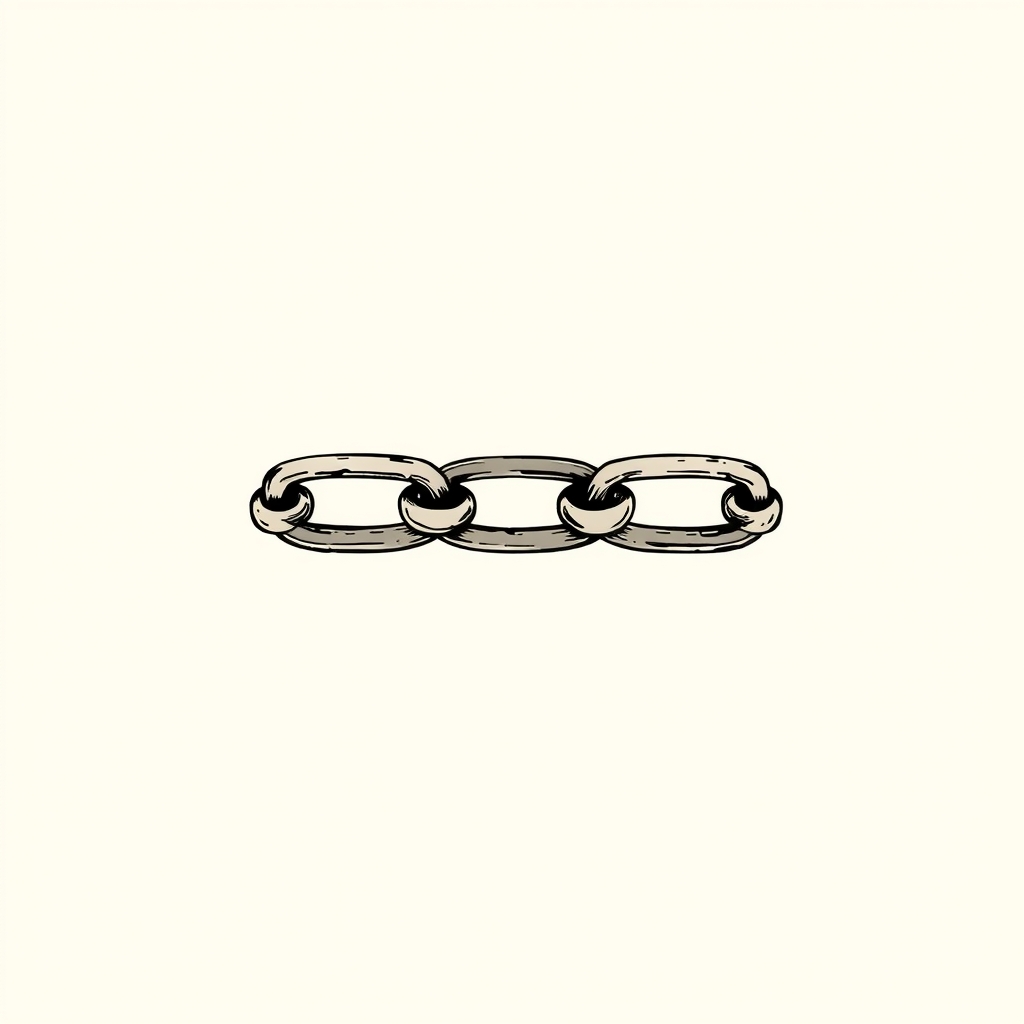
Alongside his intense pastoral activity, Antonio Franco led a life of extreme asceticism and penance. He refused the comforts of his office, slept on the floor on a simple mat with a stone as a pillow, and frequently fasted on bread and water. He constantly wore two heavy iron chains around his waist as instruments of mortification. Exhausted by his privations and pastoral devotion, he fell gravely ill. During his agony, he expressed his ardent desire to be united with Christ by repeating the words of Saint Paul: "Cupio dissolvi et esse cum Christo." He passed away in the odor of sanctity on September 2, 1626, in Santa Lucia del Mela, at the age of 40. From the moment of his death, popular devotion surrounded him with a reputation for holiness. On July 7, 1633, seven years after his passing, his tomb was opened and his body was discovered perfectly incorrupt.
Beatification and canonization
Recognition of heroic virtues, a miracle, and beatification in 2013.
The formal process for his beatification experienced numerous interruptions over the centuries due to various historical events. The cause was officially relaunched in the 20th century with the granting of the nihil obstat decree on April 11, 1984. The diocesan inquiry took place from 1988 to 1993. On January 14, 2011, Pope Benedict XVI promulgated the decree recognizing the heroic nature of his virtues, granting him the title of Venerable. On December 20, 2012, the same sovereign pontiff signed the decree recognizing a miracle attributed to his intercession. This miracle, formally validated by the Dicastery for the Causes of Saints, concerns the scientifically inexplicable healing of a woman suffering from stomach cancer. The beatification ceremony was celebrated on September 2, 2013, in the Cathedral of Messina by Cardinal Angelo Amato, Prefect of the Congregation for the Causes of Saints, representing Pope Francis. On September 15, 2013, his incorrupt remains were brought back in a solemn procession to the Co-cathedral of Santa Maria Assunta in Santa Lucia del Mela, where they now rest under the altar of the Most Holy Crucifix.
Spirituality and legacy
A model of pastoral charity nicknamed the "Saint Francis of Sicily".
The spirituality of Antonio Franco is marked by an intimate union with the suffering Christ, lived through radical voluntary poverty and rigorous bodily mortifications. Nicknamed the "Saint Francis of Sicily" by his faithful, he embodied the model of the pastor totally given to his flock, combining the rigor of the Tridentine reform with immense pastoral charity. His legacy remains alive in Santa Lucia del Mela, where his name is traditionally given to children at baptism as a sign of devotion. One of the iron chains he wore in penance is kept in a silver reliquary and continues to be brought to the sick to solicit his protection and healing.
Iconography
Signs and attributes
Frequently asked questions about Antonio Franco
Who was Antonio Franco?
Antonio Franco (1585-1626) was an Italian prelate, royal chaplain, and prelate of Santa Lucia del Mela, beatified in 2013 by Pope Francis.
What is Antonio Franco invoked for?
Antonio Franco is invoked for: protection des malades, protection of the sick, guérison and healing.
How is Antonio Franco depicted in Christian art?
In iconography, Antonio Franco is recognizable by: iron chains.
Which saints were contemporaries of Antonio Franco?
Contemporaries include: María de Jesús López Rivas, Mariana de Jesús de Paredes, Blessed Mariana de Jesús (de Paredes y Flores) and Saint Francis de Sales (Bishop and Prince of Geneva).
When did Antonio Franco die?
Antonio Franco died around 1626.
What are the other names of Antonio Franco?
Other forms of the name: Pirro Antonio Giovanni Francesco Franco.
Who are the relatives of Antonio Franco?
Relatives of Antonio Franco: Orlando Franco (father) and Anna Francesca Pisana di Antonio (mother).
Annexes & related entities
Structured data for exploration: events, miracles, quotes, places, attributes, patronages, and important entities cited in the text.
Key Events
- Era / death: 1626
- Beatification in 2013 by Francis