
Saint Boniface IV
A monk who became Pope in 607, Boniface IV is famous for having transformed the Pantheon of Rome into a Christian church dedicated to the Virgin and the martyrs. He restored monastic discipline and converted his own home into a monastery. He died in 615 after a pontificate marked by his zeal for relics and ecclesiastical institutions.
Contemporaries

Figures and markers around the normalized period for this entry.
Guided reading
5 reading sections
SAINT BONIFACE IV, POPE (615).
Origins and election
Boniface IV, son of a physician and monk of Saint Sebastian, was elected pope in 607 during the reign of Emperor Phocas.
Boniface IV , son of a physician fr om Vale ria, a city in the land of the Marsi, was a monk of Saint Sebastian Outs ide the Walls, and a cardinal-priest, when he was raised to the sovereign Pontifica te during the rei gn of Emperor Phocas, and consecrated on Sunday, August 28, in the year 607.
Administration of the Holy See
The pontificate lasted more than six years, marked by the ordination of numerous bishops and deacons.
He held the Holy See for six years, eight months, and thirteen days, during which time he performed two ordinations, both in the month of December, and created twenty-five bishops and eight deacons.
Monasticism and ecclesiastical discipline
He transformed his house into a monastery and convened a council to restore discipline, in connection with the Church of England.
He made a monastery of his paternal home, and endowed this monastery with his own goods. He did even more for monastic institutions; for, having convened a council of all the bishops of Italy, he restored the ancient discipline which was falling into decay. Mellitus, Bishop of London , who was in Rome for the affairs of the Church of England, attended this synod, and took the decrees back to England, along with letters from Boniface.
The conversion of the Pantheon
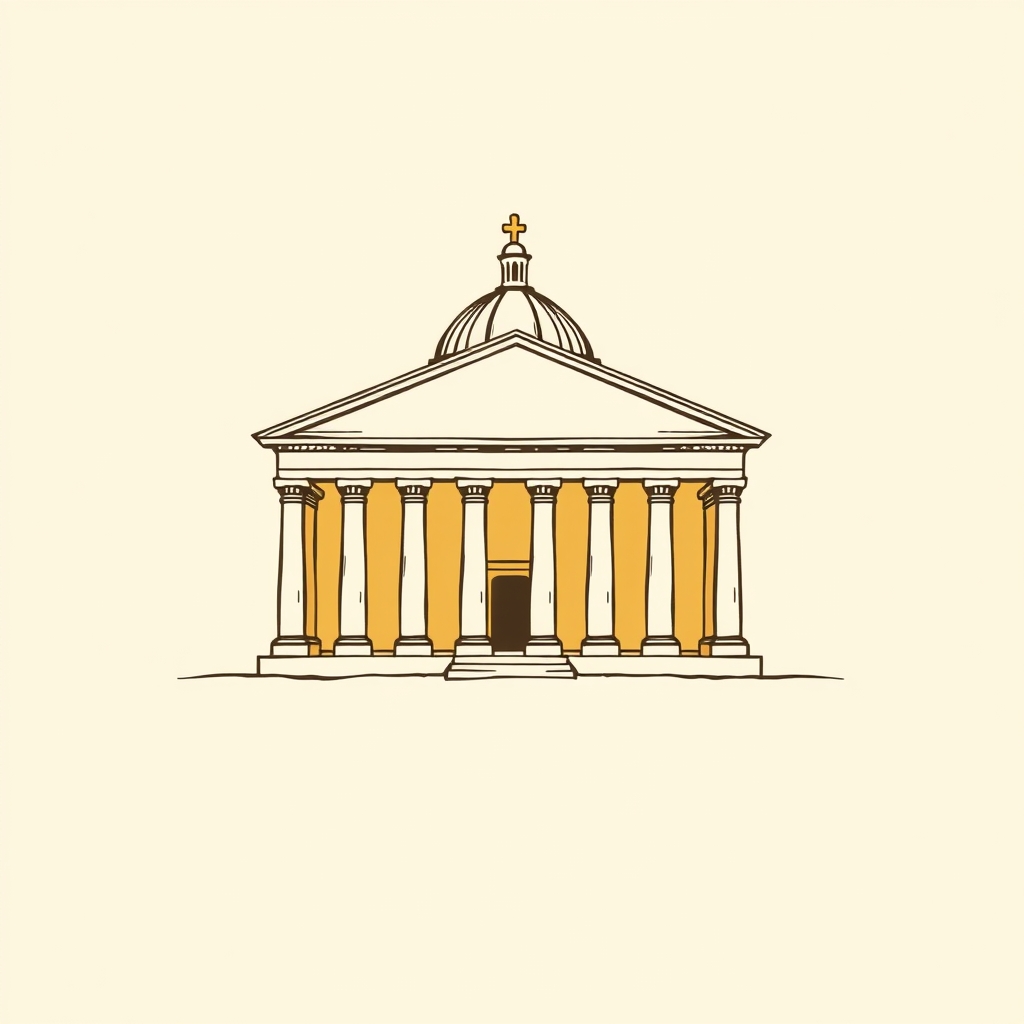
The Pope transforms the pagan Pantheon into a Christian church dedicated to the Virgin and the martyrs, depositing numerous relics there.
The holy Pontiff obtained f rom the Emperor P hocas a famous pagan temple in Rom e, the Pant heon, which he consecrated and converted into a chur ch dedicated to the Virgin Mother of God and the holy martyrs. To increase the majesty and holiness of this church, he had an incredible quantity of holy relics transferred there, which he drew from the catacombs, and which he had placed around the high altar.
Death and posterity
He died during the reign of Heraclius and was buried in the Vatican; a portion of his relics is preserved in France.
Finally, full of merits and virtues, he fell asleep in the Lord, during the reign of H eraclius, on May 26, and was buried in th e Vatic an.
His head was preserved at Mont-Saint-Quenti n (diocese of Amiens), where a fragment of it still exists.
*Proper of Rome.*
Iconography
Signs and attributes

Entities
Narrative network
The names, places, and concepts most present in the entry, weighted by centrality in the text.
Frequently asked questions about Saint Boniface IV
Who was Saint Boniface IV?
A monk who became Pope in 607, Boniface IV is famous for having transformed the Pantheon of Rome into a Christian church dedicated to the Virgin and the martyrs. He restored monastic discipline and converted his own home into a monastery. He died in 615 after a pontificate marked by his zeal for relics and ecclesiastical institutions.
How is Saint Boniface IV depicted in Christian art?
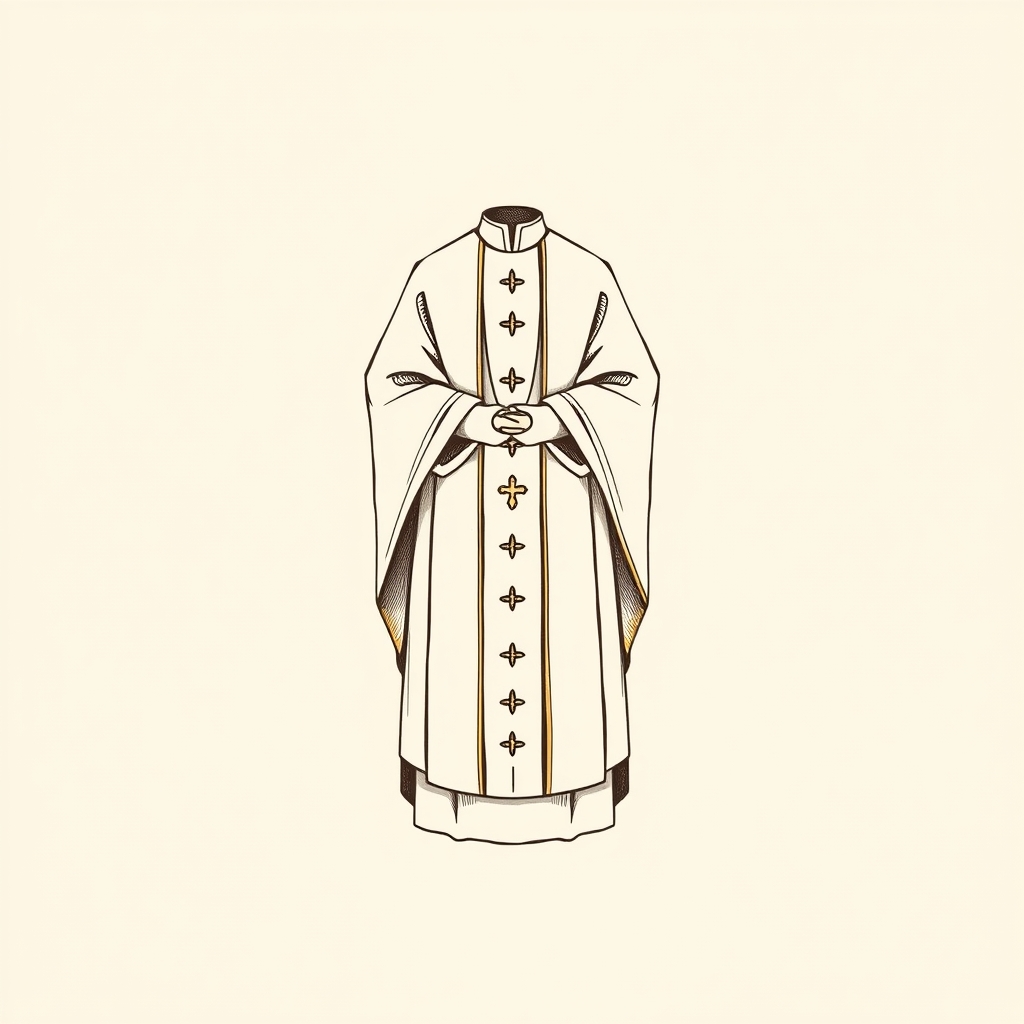
In iconography, Saint Boniface IV is recognizable by: pontifical vestments, tiara and church model (Pantheon).
How did Saint Boniface IV die?
Saint Boniface IV suffered martyrdom for the Christian faith (7th century).
Which saints were contemporaries of Saint Boniface IV?
Contemporaries include: Saint Priest (Prix), Saint Gregory the Great (Pope and Doctor of the Church), Saint Die (Didier, Deodat) and Saint Augustine of Canterbury.
Who are the relatives of Saint Boniface IV?
Relatives of Saint Boniface IV: Inconnu (médecin) (father).
Annexes & related entities
Structured data for exploration: events, miracles, quotes, places, attributes, patronages, and important entities cited in the text.
Key Events
- Consecration as Pope on August 28, 607
- Transformation of his paternal home into a monastery
- Convocation of a council of Italian bishops to restore monastic discipline
- Consecration of the Pantheon as a church dedicated to the Virgin and the martyrs
- Transfer of numerous relics from the catacombs to the Pantheon