
Saint Pontius
Pons
Son of a Roman senator who converted to Christianity, Pontius distributed his wealth to the poor before retiring to Cimiez. During the persecution of Valerian, he miraculously survived wild beasts and fire before being beheaded in 357. His cult developed in Nice and Saint-Pons-de-Thomières.
Contemporaries

Figures and markers around the normalized period for this entry.
Guided reading
6 reading sections
SAINT PONTIUS, COMMONLY PONS
MARTYR AT CIMIEZ (357).
Conversion in Rome
The son of a Roman senator, Pontius converted to Christianity after being drawn by the chanting of psalms during a morning walk.
Pontius was the son of a senator of the city of Rome . He studied literature and philosophy like young men of his station, and he did so with success. Once, having risen at the break of day, he was walking, wandering here and there, when he heard the Christians chanting at Matins. This thing, new to him, excited his curiosity, and, deeply moved by the holy melodies he had heard, he presented himself to the one who presided over the assembly: it was the pontiff Saint Pontius (230-235).
Renunciation and vocation
After converting his family and receiving baptism, he distributed his wealth to the poor through Pope Fabian to dedicate himself to the Gospel.
He received the young man with kindness, made the religion known to him, admitted him first among the catechumens, and shortly after plunged him into the salutary waters of baptism. Pontius, having become a Christian, had the joy of giving the faith to the one who had given him life; he converted his father along with his entire household. After the death of his father the senator, Pontius, who was called to succeed him and who already enjoyed the affection of the prince and the esteem of all his colleagues, d isdained all thes e advantages, and giving all his goods to Pope Saint Fabian to be distributed to the poor, he made the resolution to dedicate his life to the preaching of the Gospel.
Martyrdom at Cimiez
Fleeing the persecutions of Valerian, he went to Cimiez where he was arrested by the president Claudius and executed by the sword after having survived various tortures.
He left Rome after the murder of Philip, at the moment when the persecution of Valerian and Gallienus broke out. He went to Cimie z, a city situated at the foot of the Maritime Alps, which was later destroyed by the Lombards, and near the ruins of which the city of Nice was buil t. Th e president Claudi us, who knew Pontius, having come to Cimiez to execute the orders that the emperors had given to destroy the Christian name down to its last roots, had him brought before him to force him to sacrifice to the gods. Pontius replied that, being a Christian, it was impossible for him to perform this kind of sacrifice. He was therefore suspended on the rack, exposed to bears, and placed on a pyre; but, having not been harmed by them, he accomplished his martyrdom by the edge of the sword.
Cult and posterity in Nice
His tomb became a major place of pilgrimage in Cimiez, leading to the foundation of a Benedictine abbey by Charlemagne.
The sepulcher of the Martyr was frequented by a great concourse of people, as well as by Saint Valerian, Bishop of Cimiez, who flourished in the time of Pope Saint Leo, and who delivered three homilies in praise of Saint Pontius, patron of his church. Later, Char lemagne had a Benedictine abbey erect ed over his tomb, near Nice; its location is occupied today by a convent of the Oblates of Mary. The cu rrent church wa s built by the Benedictine monks and completed around 1739; at about the same time, the small chapel was rebuilt which, on a rock one hundred meters from the monastery, indicated the precise place where Saint Pontius had suffered martyrdom. This chapel, destroyed by the Revolution, was not rebuilt. The church of Saint-Pons, in the diocese of Nice, no longer possesses anything but insignificant fragments of the relics of its Patron.
Translation to Thomières
In 936, Count Raymond Pons founded a monastery at Thomières to house the saint's relics, a site that would later become a bishopric.
In 936, Raymond Pons, Count of Toulouse , built a monastery in honor of his patron, to whom he had great devotion, at Thomières, in the diocese of Narbonne, which was erected into an episcopal see by Pope John XXII. The greater part of the body of Saint Pontius was transferred to this church, but these relics were destroyed by heretics in the 18th century.
Sources and additional traditions
The text mentions the liturgical sources of Nîmes and the tradition of the conversion of the emperors Philip by the saint.
The Proper of Nîmes, from which we borrow the legend of Saint Pontius, makes no mention of the conversion of the two Philips, of whom our Saint was the instrument according to the most authoritative authors: the Church herself in fact admits it in her Martyrology; we can therefore, we too, admit it, without fear of offending reasonable criticism.
Proper of Nîmes and Notre Dame provided by the Rev. Fr. Pierre Cartes, Oblate of Mary at Saint-Pons-Nîmes.
Iconography
Signs and attributes



Entities
Narrative network
The names, places, and concepts most present in the entry, weighted by centrality in the text.
The supernatural in their life
The miracles of Saint Pontius (Pons)
Frequently asked questions about Saint Pontius (Pons)
Who was Saint Pontius (Pons)?
Son of a Roman senator who converted to Christianity, Pontius distributed his wealth to the poor before retiring to Cimiez. During the persecution of Valerian, he miraculously survived wild beasts and fire before being beheaded in 357. His cult developed in Nice and Saint-Pons-de-Thomières.
What is Saint Pontius (Pons) the patron saint of?
Patronage of Saint Pontius (Pons): Cimiez, Nice and Saint-Pons-de-Thomières.
How is Saint Pontius (Pons) depicted in Christian art?
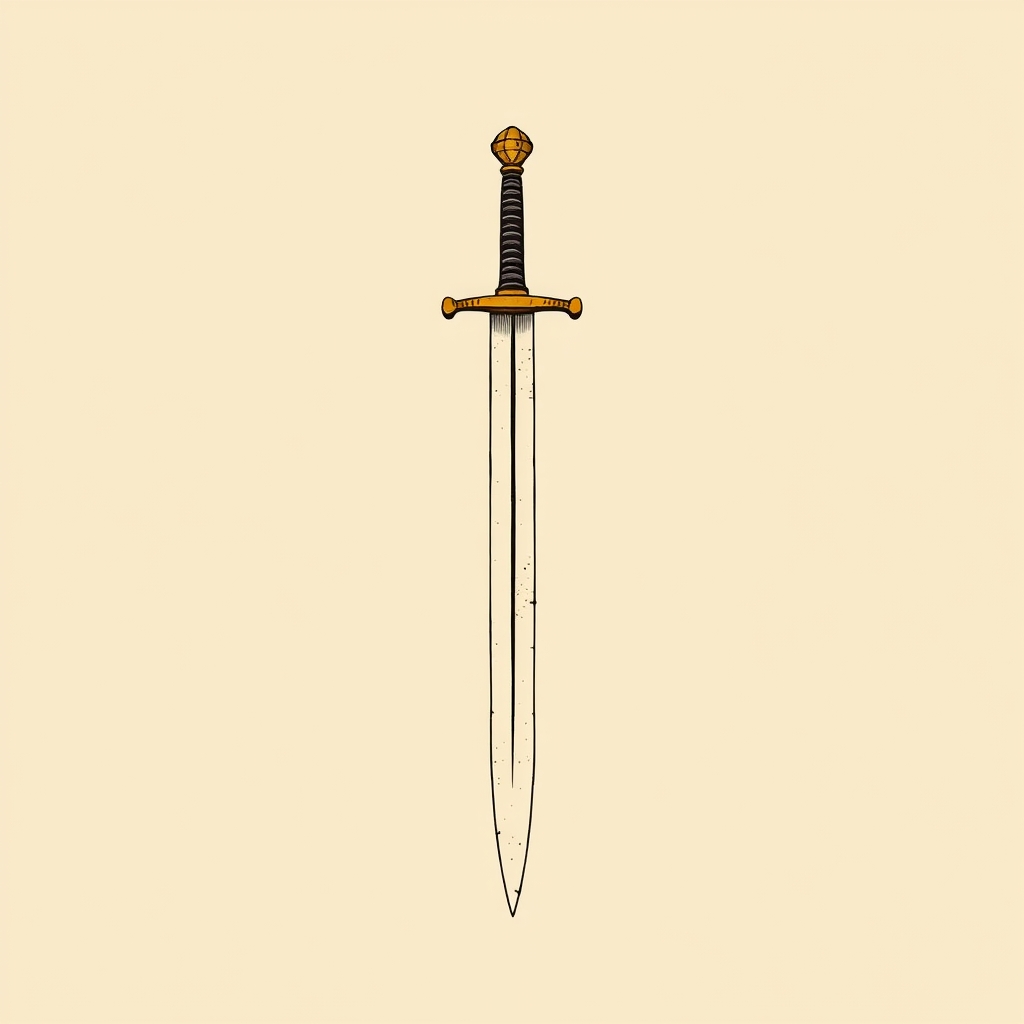
In iconography, Saint Pontius (Pons) is recognizable by: sword, bear, pyre and rack.
How did Saint Pontius (Pons) die?
Saint Pontius (Pons) suffered martyrdom for the Christian faith (4th century).
What miracles are attributed to Saint Pontius (Pons)?
1 miracle are attributed to this saint, notably: Mastery of the elements and Protection / deliverance.
Which saints were contemporaries of Saint Pontius (Pons)?
Contemporaries include: Saint Blaise, Saint Hilary of Poitiers, Saint Basil the Great (Archbishop of Caesarea) and Saint Baudilus.
What are the other names of Saint Pontius (Pons)?
Other forms of the name: Pons and Pontius.
Who are the relatives of Saint Pontius (Pons)?
Relatives of Saint Pontius (Pons): Un sénateur romain (father).
Annexes & related entities
Structured data for exploration: events, miracles, quotes, places, attributes, patronages, and important entities cited in the text.
Key Events
- Conversion after hearing psalms in Rome
- Baptism by the pontiff Pontius
- Conversion of his father and his entire household
- Donation of his goods to Pope Saint Fabian for the poor
- Conversion of the two counts Philip
- Fled from Rome to Cimiez during the persecution of Valerian and Gallienus
- Torture on the rack, exposure to bears, and the pyre
- Decapitation by the sword