
Saint Elophe
A 4th-century martyr under Julian the Apostate, Saint Elophe was beheaded near Soulosse after converting hundreds of people. Tradition recounts that he picked up his head to carry it to the top of a mountain. His relics, formerly kept in the Diocese of Toul, were partially transferred to Cologne.
Contemporaries

Figures and markers around the normalized period for this entry.
Guided reading
6 reading sections
SAINT ELOPHE, MARTYR NEAR SOULOSSE,
Youth and persecution
Born in the diocese of Toul, Elophe was imprisoned under Emperor Julian before miraculously escaping to return to his mother.
Our Saint was born in the diocese of Toul. While Em peror Julian was persecuting the Church of Jesus Christ, Jews gathered by his orders with pagans, seized Elophe, and threw him into prison with thirty-three other Christians. By an effect of divine power, the prison door opened during the night; Elophe escaped and his companions followed him. He came to Toul where he performed his final duties to his mother. He was soon troubled there, not only by Jewish and pagan soldiers, but by the principal authorities who threatened him with death if he did not renounce his religion. He fled to Grand (Vosges), and arrived, it is b elieved, in th at city at the moment when Julian himself was there. Elophe devoted himself there to works of holy charity. Crossing the small river Vaire one day, he saw Jews gathered with pagans to offer their worship to idols. These Jews were then failing to follow the prescriptions of the Mosaic law, as their fathers had already done in the past. He zealously rebuked them all, and, taking advantage of the circumstance, he announced to them the Word of Truth, by whose merits sinners receive forgiveness and peace. He did so with such zeal and unction that, not to mention the women, nearly six hundred and twenty men were converted and received baptism. Having learned this, Julian, forgetting the hypocritical gentleness he affected and letting himself be carried away by his hatred against Jesus Christ, ordered that the holy confessor be beheaded. Like his brother Encaire, Elophe picked up his head and c arried it to the summit of the neighboring mountain where, finding a white-colored stone, he rested upon it. It is from this that this mountain is called Saint-Elophe, situated between Fromentières and Grand, six miles from each of these two cities, having Toul to the north and Grand to the south.
Mission and conversions at Grand
Refugee in Grand, Elophe preaches the Gospel to the pagans and the Jews, converting more than six hundred men through his zeal.
The miracles that took place in this location, where the Christians had buried the body of the martyr, subsequently led them to build a church there which, for many long years, served as a parish for several surrounding villages. S aint Gerard, Bishop of Toul, having known, through these wonders of which a portion were witnesses, of the credit Saint Elophe enjoyed before God, judged it appropriate to divide his relics. He made three parts of them, one for his cathedral; one, which contained the head of the martyr, for Bruno, Archbishop of Cologne , brother of Emperor Otto I; and the third to remain in the church where, until then, the whole had rested. The Protestants of Germany, in 1587, and the Swedes, in 1633, broke the reliquary of the small church to remove the silver plates and ornaments that covered it, but they abandoned the relics without destroying them. The faithful took care to collect them with devotion, and later they were placed in a very beautiful reliquary offered by Mr. Simon Sallet, Lord of Lifol and Villouxel, Treasurer of Lorraine.
Martyrdom and post-mortem miracle
Condemned to death by Julian, Elophe is beheaded; he then picks up his head to carry it to the summit of a nearby mountain.
There are several churches or chapels placed under the patronage of Saint Elophe. The town of Neufchâteau holds this blessed one in great veneration and invokes him, during public calamities, through solemn supplications.
Cult and translation of the relics
Saint Gerard of Toul organized the distribution of the martyr's relics between his cathedral, the Archbishop of Cologne, and the site of the martyrdom.
Excerpt from the History of the Diocese of Toul and that of Nancy, by Abbé Guillaume.
Destructions and preservation
Despite the looting by the Protestants and the Swedes in the 16th and 17th centuries, the relics were saved and placed in a new reliquary.
The miracles that took place in this location, where the Christians had buried the body of the martyr, led them subsequently to build a church there which, for many years, served as a parish for several surrounding villages. Saint Gerard, Bishop of Toul, having learned, through these wonders of which he was partly a witness, of the credit Saint Elophe enjoyed with God, deemed it appropriate to divide his relics. He made three parts of them, one for his cathedral; one, which contained the head of the martyr, for Bruno, Archbishop of Cologne, brother of Emperor Otto I; and the third to remain in the church where, until then, the whole had rested. The Protestants of Germany, in 1587, and the Swedes, in 1633, broke the shrine of the small church to remove the silver plates and ornaments that covered it, but they abandoned the relics without destroying them. The faithful took care to collect them with devotion, and later they were placed in a very beautiful reliquary offered by Mr. Simon Sallet, Lord of Lifol and Villouxel, Treasurer of Lorraine.
Veneration in Neufchâteau
The saint remains the object of great devotion, particularly in Neufchâteau during public calamities.
There are several churches or chapels placed under the patronage of Saint Elophe. The town of Neufchâteau holds this blessed one in great veneration and invokes him, during public calamities, through solemn supplications.
Excerpt from the History of the Diocese of Toul and that of Nancy, by Abbé Guillaume.
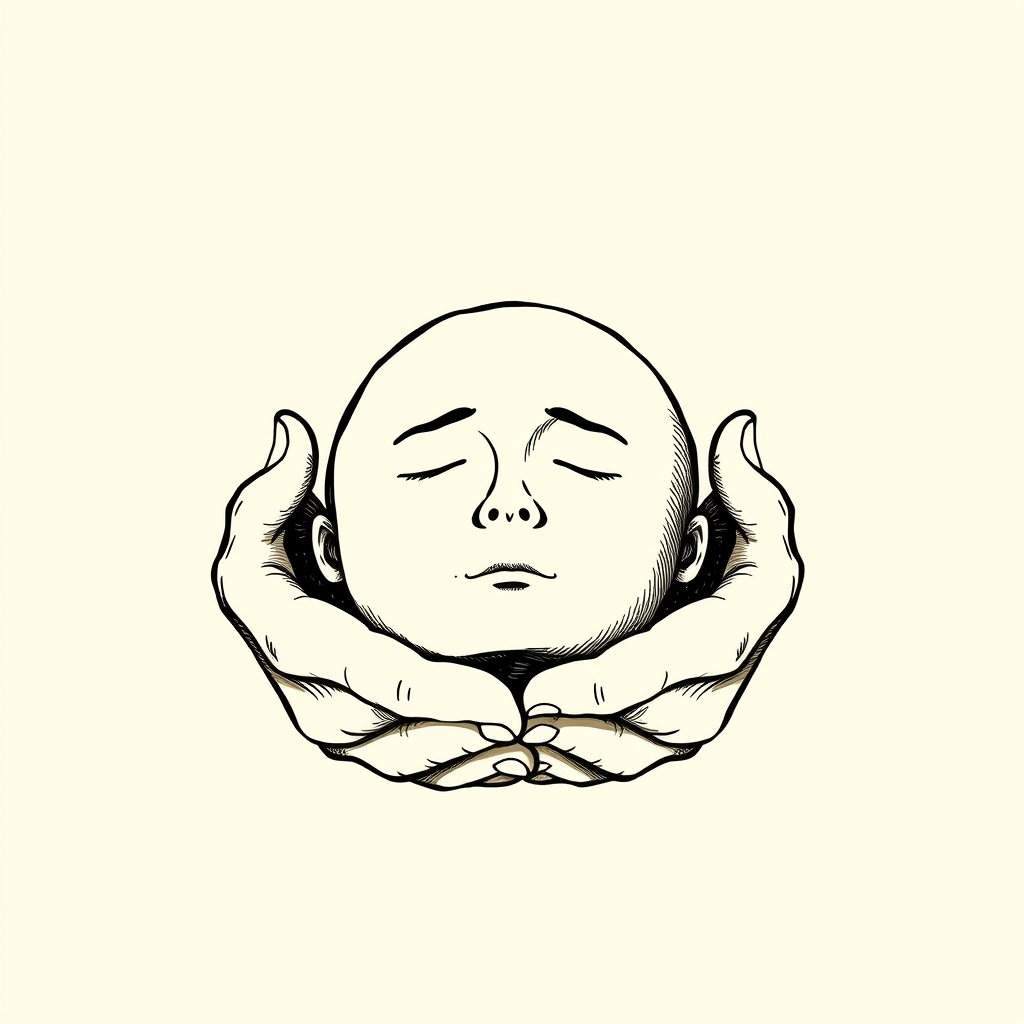
Iconography
Signs and attributes
Entities
Narrative network
The names, places, and concepts most present in the entry, weighted by centrality in the text.
The supernatural in their life
The miracles of Saint Elophe
Frequently asked questions about Saint Elophe
Who was Saint Elophe?
A 4th-century martyr under Julian the Apostate, Saint Elophe was beheaded near Soulosse after converting hundreds of people. Tradition recounts that he picked up his head to carry it to the top of a mountain. His relics, formerly kept in the Diocese of Toul, were partially transferred to Cologne.
What is Saint Elophe the patron saint of?
Patronage of Saint Elophe: Neufchâteau.
What is Saint Elophe invoked for?
Saint Elophe is invoked for: public calamities.
How is Saint Elophe depicted in Christian art?
In iconography, Saint Elophe is recognizable by: head carried in hands and white stone.
How did Saint Elophe die?
Saint Elophe suffered martyrdom for the Christian faith (4th century).
What miracles are attributed to Saint Elophe?
3 miracles are attributed to this saint, notably: Protection / deliverance and Sign / wonder.
Which saints were contemporaries of Saint Elophe?
Contemporaries include: Saint Blaise, Saint Hilary of Poitiers, Saint Basil the Great (Archbishop of Caesarea) and Saint Baudilus.
Who are the relatives of Saint Elophe?
Relatives of Saint Elophe: Encaire (brother) and Inconnue (mother).
Annexes & related entities
Structured data for exploration: events, miracles, quotes, places, attributes, patronages, and important entities cited in the text.
Key Events
- Imprisonment with thirty-three Christians under Julian the Apostate
- Miraculous liberation from prison
- Return to Toul for his mother's funeral rites
- Flight to Grand (Vosges)
- Conversion and baptism of six hundred and twenty men
- Beheading by order of Emperor Julian
- Carried his own head to the top of a mountain