
Marcell Boldizsar Marton
Hungarian Discalced Carmelite priest (1887-1966), confessor to major figures of the Church and clandestine spiritual guide under the communist regime, declared Venerable in 2013.
Contemporaries

Figures and markers around the normalized period for this entry.
Guided reading
5 reading sections
Biography
The life of Boldizsár Marton, from his birth in Hungary in 1887 to his temporary loss of faith during his studies, followed by his return to the faith and his friendship with József Mindszenty.
The Venerable Marcel of the Virgin of Carmel (born Boldizsár Marton) was born on September 9, 1887, in Kiskomárom (today Zalakomár), in the Zala county of Hungary. Although some hagiographic databases erroneously mention the year 1877, official documents from the Holy See and the Carmelite Order confirm the year 1887. He was the son of György Marton, a pious and quiet farmer, and Teréz Köö. He began his secondary studies with the Premonstratensians in Keszthely, then finished them at the high school in Nagyszombat (today Trnava, in Slovakia). It was during these years that he first awakened to faith and the love of God. However, during his literary studies (Hungarian, Latin, Greek) at the University of Budapest between 1905 and 1910, he allowed himself to be influenced by the materialist and atheist ideological currents of the time. He then lost his faith and ceased practicing the sacraments for about fifteen years. Having become a teacher, he first worked in Petroșani (today in Romania), then in Zalaegerszeg. In the latter city, he taught at the same institution as József Mindszenty, who was then a young chaplain and religion teacher. A deep and lasting friendship was born between the two men.
Life and Work
His military service during the First World War, his conversion, his entry into the Carmel, his role as novice master, confessor, and his clandestine ministry under the communist regime.
During the First World War, in 1916, Boldizsár Marton volunteered for the front to replace an older colleague who was a father of two. He was sent to the southern front in Albania, where he served as a lieutenant. Before his departure, a young boy gave him a scapular of the Virgin Mary, which he kept preciously throughout the conflict. This war experience left a deep mark on him and led him to publish a work in 1922 titled Muzulmán sírokon ("On Muslim Graves"). After the war, he went through a long process of inner conversion that brought him back to a fervent Catholic faith. Discerning a religious vocation, he requested admission to the Discalced Carmelite convent in Győr on July 3, 1925. He received the habit there on July 16, 1925, under the name Brother Marcel of the Virgin of Carmel (Marcellus a Virgine Carmeli). He made his solemn vows on July 16, 1929, and was ordained a priest on June 14, 1930. Appointed novice master in Győr, he trained young religious with paternal devotion for thirteen years. In 1943, he was transferred to the Budapest convent. There, he quickly acquired an immense reputation as a preacher and confessor. The faithful flocked in large numbers and sometimes waited for hours to receive his spiritual counsel. He became the spiritual director of major figures in the Hungarian Church, notably Blessed Vilmos Apor (Bishop of Győr) and his friend Cardinal József Mindszenty. During the latter's exile at the United States Embassy in Budapest after the 1956 uprising, Father Marcel continued to visit him to hear his confession. In 1933 or 1934, a spiritual retreat he preached in Székesfehérvár also decisively marked the young István Kaszap (future Venerable). In 1950, the Hungarian communist regime decreed the dissolution of religious orders and forbade Father Marcel from any public ministry. Despite surveillance and threats, he continued his priestly activity clandestinely, celebrating Mass early in the morning and hearing confessions in secret to support the faithful persecuted for their faith.
Path to Holiness
His death in 1966 and the stages of the opening of his cause for beatification after the fall of the communist regime.
Considered a saint during his lifetime by his contemporaries, Father Marcel died on May 29, 1966, in Budapest. As early as 1973, Cardinal Mindszenty intervened personally with the General Chapter of the Discalced Carmelites to request the opening of his cause for beatification. However, due to the political context of the communist dictatorship, the procedure could only be officially introduced after the fall of the regime. The Carmelite province decided to introduce the cause in 1990. The diocesan inquiry was officially opened on August 20, 1993, by Cardinal László Paskai, Archbishop of Esztergom-Budapest, and closed on December 21, 2001. The validity of this inquiry was recognized by a decree of the Congregation for the Causes of Saints on October 28, 2005.
Beatification and canonization
The recognition of the heroic nature of his virtues by Pope Francis in 2013 and the wait for a miracle for his beatification.
On December 9, 2013, Pope Francis authorized the promulgation of the decree recognizing the heroic nature of his virtues, which officially conferred upon him the title of Venerable. The cause is currently awaiting the official recognition of a miracle attributed to his intercession to pave the way for his beatification.
Spirituality and legacy
His deep Marian spirituality, his spiritual writings, and the transfer of his mortal remains to Budapest, which have become a place of pilgrimage.
Father Marcel's spirituality is deeply Marian. He dedicated a mystical and total love to the Virgin Mary, whom he called the "Star of the Sea" and the "Mother of Fair Love." Going beyond simple traditional devotion, he lived a spiritual union so intimate with her that he considered himself, in the lineage of the Carmel mystics, as her "spouse." He left behind several important spiritual writings, notably his autobiography written in 1950 at the request of his superiors, titled Szépszeretet ("Fair Love"), which testifies to his spiritual journey and his absolute trust in Providence. Initially buried in the Farkasrét cemetery in Budapest, his body was transferred on June 2, 1966, to the crypt of the Carmelite church in Győr. In 2007, his mortal remains were transferred to the Carmelite church in Budapest (located on Huba Street), near the side altar of the Virgin of Sorrows, the very place where he celebrated Mass in secret under the communist regime. This site is today an active center of pilgrimage for the Hungarian faithful.
Iconography
Signs and attributes
Frequently asked questions about Marcell Boldizsar Marton
Who was Marcell Boldizsar Marton?
Hungarian Discalced Carmelite priest (1887-1966), confessor to major figures of the Church and clandestine spiritual guide under the communist regime, declared Venerable in 2013.
How is Marcell Boldizsar Marton depicted in Christian art?
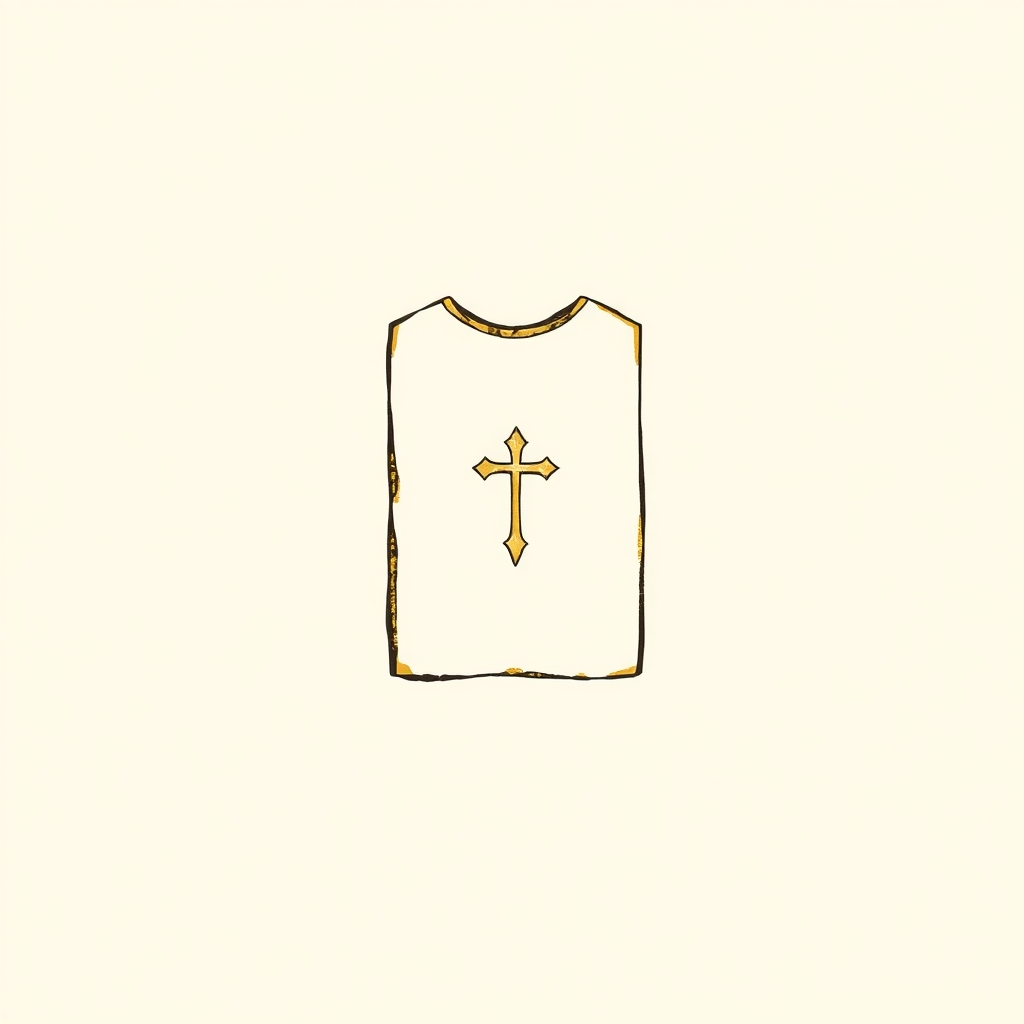
In iconography, Marcell Boldizsar Marton is recognizable by: scapular.
Which saints were contemporaries of Marcell Boldizsar Marton?
Contemporaries include: Mariano de Jesús Euse Hoyos, Teresa of Jesus of the Andes, Felipe de Jesús Munárriz and 50 companions and Paula de Jesús Gil Cano.
When did Marcell Boldizsar Marton die?
Marcell Boldizsar Marton died around 1966.
What are the other names of Marcell Boldizsar Marton?
Other forms of the name: Boldizsár Marton, Marcel de la Vierge du Carmel, Marcellus a Virgine Carmeli and Marcell atya.
Who are the relatives of Marcell Boldizsar Marton?
Relatives of Marcell Boldizsar Marton: György Marton (father) and Teréz Köö (mother).
Annexes & related entities
Structured data for exploration: events, miracles, quotes, places, attributes, patronages, and important entities cited in the text.
Key Events
- Era / death: 1877-1966
- Decree of venerability by Francis