
Mamerto Esquiú
A Franciscan friar and Bishop of Córdoba, Mamerto Esquiú is a major figure of 19th-century Argentina, famous for his role as a national peacemaker.
Contemporaries

Figures and markers around the normalized period for this entry.
Guided reading
5 reading sections
Biography
The youth, entry into the Franciscans, and priestly ordination of Mamerto Esquiú.
Mamerto de la Ascensión Esquiú Medina was born on May 11, 1826, in San José de Piedra Blanca, in the province of Catamarca, Argentina. The son of Santiago Esquiú and María de las Nieves Medina, he was of fragile health from birth. His mother made a vow to have him wear the Franciscan habit if he survived, which led him to wear the small brown habit of the Order of Friars Minor from the age of five. Admitted to the Saint Francis school in Catamarca, he entered as a postulant with the Franciscans on May 31, 1836. He began his novitiate on July 13, 1841, pronounced his religious vows on July 14, 1842, and was ordained a priest on October 18, 1848.
Life and work
His teaching, his famous constitutional sermon, and his ministry as Bishop of Córdoba.
From 1850, Father Mamerto Esquiú taught at the seminary of Catamarca. On July 9, 1853, during the Te Deum for the Argentine Constitution, he delivered a memorable sermon pleading for national unity and peace, which earned him the nickname of "Orator of the Constitution." He held political responsibilities as a deputy and member of the government council of Catamarca between 1855 and 1862. Desiring retreat, he left for Bolivia in 1862 as an apostolic missionary and taught in Sucre. After refusing the archbishopric of Buenos Aires in 1870, he made a pilgrimage to the Holy Land, Rome, and Assisi. In 1879, Pope Leo XIII appointed him Bishop of Córdoba. Ordained on December 12, 1880, he took possession of his diocese on January 1, 1881, distinguishing himself by his charity and pastoral visits until his death on January 10, 1883, in El Suncho.
Path to Sainthood
The opening of his cause for canonization and the recognition of the healing miracle.
The cause for the canonization of Mamerto Esquiú was opened in the Diocese of Córdoba on July 18, 1930. Pope Benedict XVI declared him Venerable on December 16, 2006. The miracle accepted for his beatification concerns the unexplained healing, in January 2016, of a young girl in Argentina suffering from acute osteomyelitis with chronic progression and septic arthritis. Her mother had placed an ex indumentis relic of Mamerto Esquiú on the child's leg while invoking him. The infection disappeared completely without sequelae, a miracle officially recognized by Pope Francis on June 19, 2020.
Beatification and canonization
The beatification ceremony in Argentina and the words of Pope Francis.
The beatification ceremony of Mamerto Esquiú took place on September 4, 2021, in Piedra Blanca, his native village, presided over by Cardinal Luis Héctor Villalba, papal legate of Pope Francis. The following day, during the Angelus in Rome, Pope Francis honored the memory of the new blessed, describing him as a zealous announcer of the Word of God for the edification of the ecclesial and civil community. His liturgical feast is set for May 11.
Spirituality and legacy
His ideal of Franciscan poverty and the history of his relics.
The spirituality of Mamerto Esquiú is deeply rooted in the Franciscan ideal of poverty, humility, and closeness to the most destitute. He left behind the image of a man reconciling deep faith and civic commitment for peace. A significant relic of his body, his heart which remained incorrupt, was kept at the Franciscan convent of Catamarca before being stolen on January 20, 2008. His mortal remains rest today in the Cathedral of Córdoba.
Iconography
Signs and attributes
The supernatural in their life
The miracles of Mamerto Esquiú
Frequently asked questions about Mamerto Esquiú
Who was Mamerto Esquiú?
A Franciscan friar and Bishop of Córdoba, Mamerto Esquiú is a major figure of 19th-century Argentina, famous for his role as a national peacemaker.
What is Mamerto Esquiú invoked for?
Mamerto Esquiú is invoked for: Infections osseuses, Bone infections, Ostéomyélite, Osteomyelitis, Arthrite septique and Septic arthritis.
How is Mamerto Esquiú depicted in Christian art?
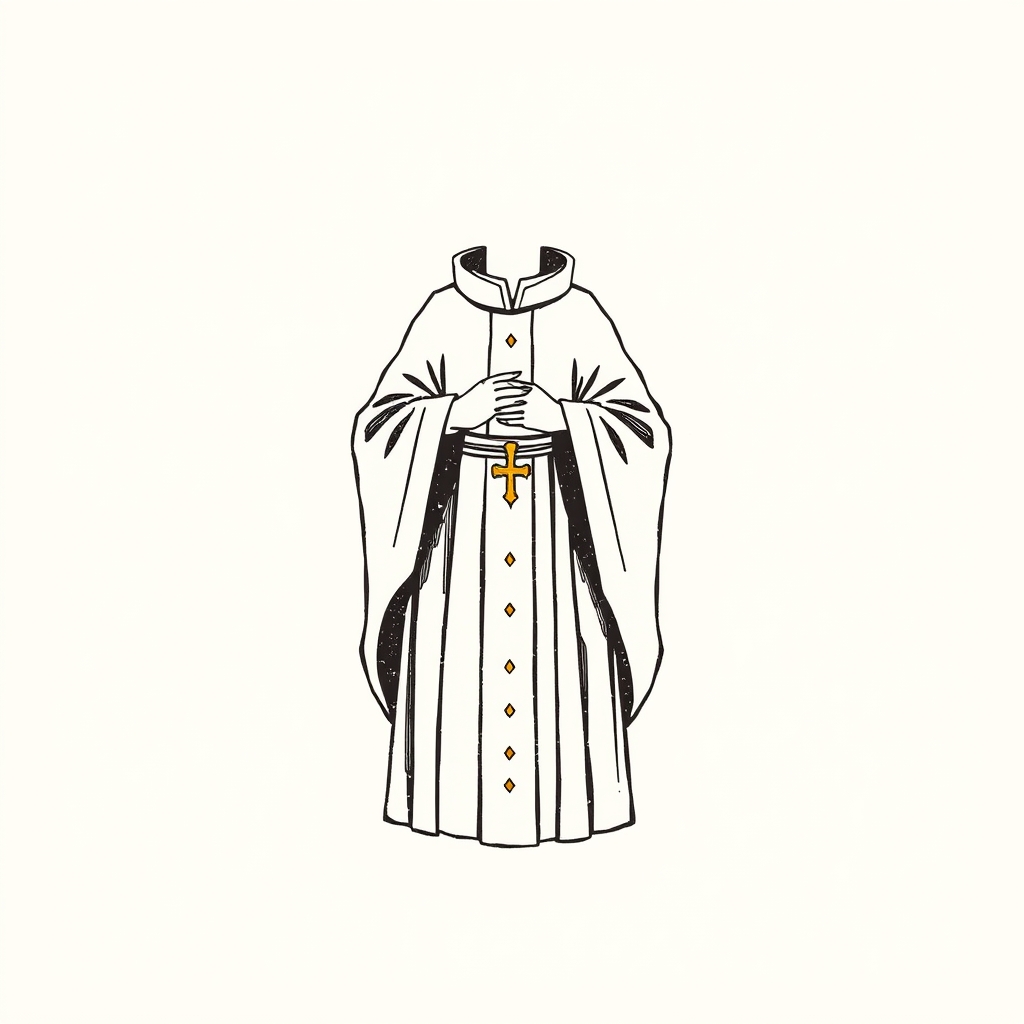
In iconography, Mamerto Esquiú is recognizable by: Franciscan habit.
What miracles are attributed to Mamerto Esquiú?
1 miracle are attributed to this saint, notably: Healing.
Which saints were contemporaries of Mamerto Esquiú?
Contemporaries include: Jesús María Echavarría Aguirre, Pauline of the Agonizing Heart of Jesus, Narcisa de Jesús and Juan de Jesús López y González.
When did Mamerto Esquiú die?
Mamerto Esquiú died around 1883.
What are the other names of Mamerto Esquiú?
Other forms of the name: Mamerto de la Ascensión Esquiú Medina.
Who are the relatives of Mamerto Esquiú?
Relatives of Mamerto Esquiú: Santiago Esquiú (father) and María de las Nieves Medina (mother).
Annexes & related entities
Structured data for exploration: events, miracles, quotes, places, attributes, patronages, and important entities cited in the text.
Key Events
- Era / death: 1826-1883
- Beatification in 2021 by Francis
Quotes
-
Yesterday, in Catamarca (Argentina), Mamerto Esquiú, a Friar Minor and Bishop of Cordoba, was beatified. Finally, an Argentine blessed! He was a zealous announcer of the Word of God, for the edification of the ecclesial community but also the civil one.
https://vertexaisearch.cloud.google.com/grounding-api-redirect/AUZIYQET2JSZPvDnke-y51sjPTnHvgEG8smkMjxKrl-KNu3vONRj6iNLZd2dr06l1Cf0np3efI2W4z5WKXWQldMD05d3cFCYY_itO2ivVoPQiHkdEBU_TmvA1oyHsqGde7teOo5lIv1xNav2