
Clemens von Galen
Bishop of Münster nicknamed the 'Lion of Münster', he courageously opposed the Nazi regime and its euthanasia program for the disabled.
Contemporaries

Figures and markers around the normalized period for this entry.
Guided reading
5 reading sections
Biography
Youth, education, and priestly ordination of Clemens August von Galen.
Clemens Augustinus Emmanuel Joseph Pius Anthonius Hubertus Marie Graf von Galen, better known as Clemens August Graf von Galen, was born on March 16, 1878, at Dinklage Castle, located in the Grand Duchy of Oldenburg. Coming from an illustrious family of the Catholic nobility of Westphalia, he was the eleventh of thirteen children of Count Ferdinand Heribert von Galen, a deputy of the Catholic Zentrum party in the Reichstag, and Countess Elisabeth von Spee. He studied with the Jesuits at the Stella Matutina College in Feldkirch, then pursued studies in philosophy, history, and literature at the University of Fribourg in Switzerland, before entering the seminary in Innsbruck and then Münster to study theology. He was ordained a priest on May 28, 1904, in the Cathedral of Münster.
Life and Work
Pastoral ministry in Berlin and Münster, and resolute opposition to National Socialism.
After his ordination, he first served as vicar of the Münster Cathedral and secretary to his uncle, Auxiliary Bishop Maximilian Gereon von Galen. In 1906, he was sent to Berlin, where he worked for more than twenty years in the Saint Matthias parish in Berlin-Schöneberg, and later at Saint Clement. In 1929, he returned to Münster as pastor of the Saint Lambert parish. On September 5, 1933, he was appointed Bishop of Münster by Pope Pius XI. He chose as his episcopal motto: 'Nec laudibus, nec timore' (Neither by praise, nor by fear). From the beginning of his tenure, Bishop von Galen established himself as a resolute opponent of the ideological excesses of National Socialism, publishing essays refuting Nazi neo-paganism and collaborating in 1937 on the drafting of the encyclical 'Mit brennender Sorge'.
Path to Holiness
The 1941 sermons against euthanasia and the defense of human dignity.
In the summer of 1941, faced with the confiscation of monasteries by the Gestapo and the secret implementation of the Nazi euthanasia program (Aktion T4), Bishop von Galen delivered three resounding sermons in Münster (on July 13, July 20, and August 3, 1941). In them, he publicly denounced the systematic murder of disabled persons and the mentally ill, recalling the divine commandment 'Thou shalt not kill'. Nicknamed the 'Lion of Münster' for his fearlessness, he escaped immediate arrest because the regime feared making him a martyr, even though many of his priests were deported to Dachau. After the war, he continued to defend the rights of his people in the face of the Allied occupying forces.
Beatification and canonization
Elevation to the cardinalate, death in 1946, and beatification process under Benedict XVI.
In recognition of his spiritual resistance, Pope Pius XII raised him to the dignity of cardinal on February 21, 1946. Upon his return to Münster, where he was welcomed triumphantly, he died shortly thereafter of peritonitis on March 22, 1946. He was buried in the Münster Cathedral. The process for his beatification was opened in 1956. On December 20, 2003, Pope John Paul II promulgated the decree recognizing the heroic nature of his virtues. He was solemnly beatified on October 9, 2005, in St. Peter's Basilica in Rome by Pope Benedict XVI, through the apostolic letter 'Veritatis splendor'.
Spirituality and legacy
The spiritual legacy of a courageous bishop in the face of tyranny.
The legacy of Cardinal Clemens von Galen rests on his prophetic courage and his absolute fidelity to the divine moral law in the face of totalitarian tyranny. His motto 'Nec laudibus, nec timore' summarizes a spirituality rooted in the fear of God rather than that of men. He remains a universal model for the defense of human dignity, freedom of conscience, and the right to life for the most vulnerable in society.
Iconography
Signs and attributes
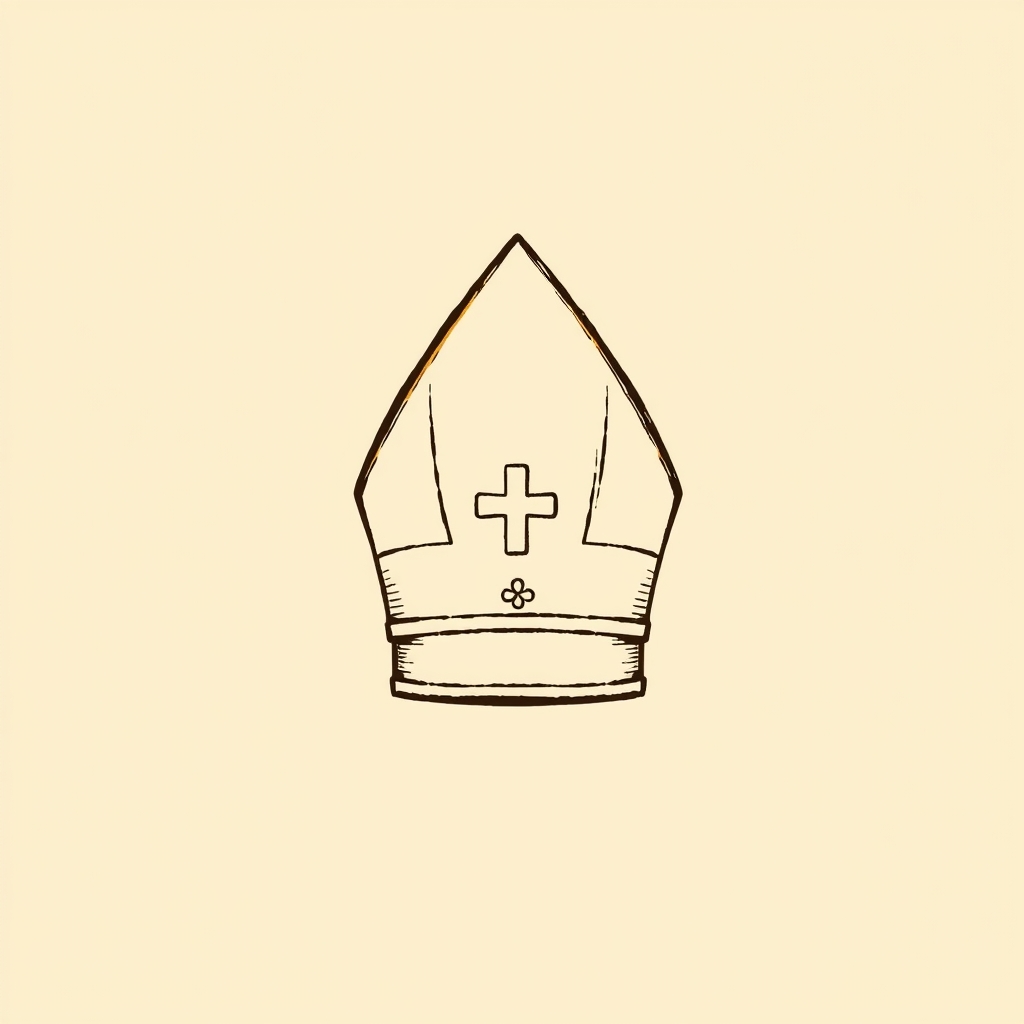
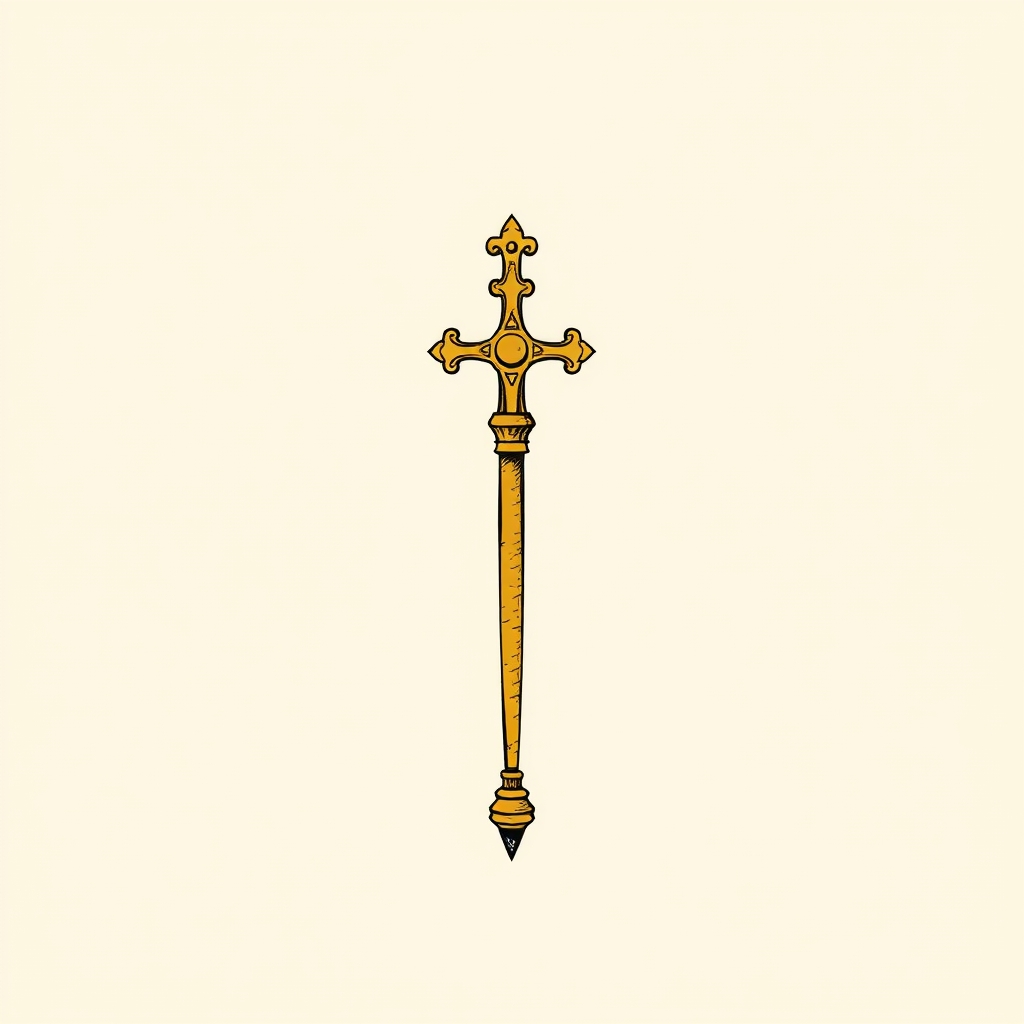

Frequently asked questions about Clemens von Galen
Who was Clemens von Galen?
Bishop of Münster nicknamed the 'Lion of Münster', he courageously opposed the Nazi regime and its euthanasia program for the disabled.
How is Clemens von Galen depicted in Christian art?
In iconography, Clemens von Galen is recognizable by: Bishop's vestments, Mitre, Crosier and Cardinal's hat.
Which saints were contemporaries of Clemens von Galen?
Contemporaries include: Pauline of the Agonizing Heart of Jesus, Felipe de Jesús Munárriz and 50 companions, Mariano de Jesús Euse Hoyos and Teresa of Jesus of the Andes.
When did Clemens von Galen die?
Clemens von Galen died around 1946.
What are the other names of Clemens von Galen?
Other forms of the name: Clemens Augustinus Emmanuel Joseph Pius Anthonius Hubertus Marie Graf von Galen and Clemens August Graf von Galen.
Who are the relatives of Clemens von Galen?
Relatives of Clemens von Galen: Ferdinand Heribert von Galen (father) and Elisabeth von Spee (mother).
Annexes & related entities
Structured data for exploration: events, miracles, quotes, places, attributes, patronages, and important entities cited in the text.
Key Events
- Era / death: 1946
- Beatification in 2005 by Benedict XVI