
A princess of Scotland and sister of Saint Fiacre, Saint Syra chose virginity and became blind by divine grace to flee her suitors. Having come to France, she recovered her sight at the tomb of Saint Savinian in Troyes. She dedicated her life to prayer and monastic reform, and died in 640.
Contemporaries

Figures and markers around the normalized period for this entry.
Guided reading
5 reading sections
SAINT SYRA, VIRGIN
BENEDICTINE NUN AT THE MONASTERY OF JOUARRE
Origins and vocation
Daughter of the King of Scotland and sister of Saint Fiacre, Syra dedicated herself to God from her childhood and obtained blindness to escape marriage.
Saint Syra, of the royal house of Scotland, was the daughter of Eugene IV and sister of Sa int Fiacre. She was nourished by Christian piety at the same time as her mother's milk. Resolved never to have any spouse other than Jesus Christ, she had conceived an ardent love for Him, so much so that she spent entire hours kneeling on the ground, in the rapture of her soul and in the adoration of the celestial Spouse.
Her father took great care to have her raised in virtue and Christian piety. To this end, he chose, to instruct her, a prelate who, to knowledge, joined prudence, wisdom, and piety. This was Saint Con on, Bishop of Lodore. She was asked in marriage by a great number of illustrious suitors; but, to better resist their pursuits, she asked for and obtained from heaven the grace to become blind. Then, warned secretly
Exile and monastic formation
She joined her brother in France and entered the monastery of Jouarre under the direction of Saint Fare to be trained in the religious life.
from on high that she would recover her sight in France, and moreover desirous of following her brother in the paths of Christian perfection, she formed the plan to go and find him in his solitude, and, with the help of her good angel, she succeeded in executing her project. She therefore crossed into France with some companions, and the pious hermit welcomed his sister and her followers with joy, exhorting them powerfully to the practice of virtues and above all to the preservation of holy virginity. To preserve them from dangers and to have them instructed in the religious ways, he sent them to Saint Fare, sister of the Bishop of Meaux, who was Abbess o f Brige , otherwise known as Jouarre. It was under her guidance that she was formed in the monastic life.
Healing and foundation in Troyes
Guided by a revelation, she recovers her sight at the tomb of Saint Savinian in Troyes and settles there to lead a life of asceticism.
Saint Fiacre , having also received a revelation that his sister would recover her sight th rough the meri ts of Saint Savini an, martyr of Troyes, later took her from this monastery and sent her to Troyes to discover the tomb, which was then unknown due to the tumult and calamities of the barbarian invasions, of the martyr who was to save her. She had the good fortune to discover it through an inspiration from above; she prostrated herself there in prayer and poured out her whole soul; she would not rise until she had recovered the sight she had so often asked of God with abundant tears. Her prayer was not long in being answered. To testify her deep gratitude to heaven and to the holy martyr, and to make it in some way perpetual and living, she formed the resolution to fix her dwelling in this place. She had a cell and a chapel built there, where she spent her days and nights in prayers, penances, and all kinds of good works, in the company of some of the virgins who had come from Scotland with her.
Apostolate and Reform
She disseminated her spiritual doctrine in Châlons and accepted the task of reforming a declining monastery before returning to her solitude.
It was from this place that she came from time to ti me to C hâlons and withdrew to the pious virgins of the community of Sainte-P ome. How sh e sated them with the heavenly doctrine with which she was filled! She set hearts ablaze with the fire of divine love through those beautiful words that she repeated so often and which would deserve to be written in letters of gold:
"Ah! How vile, despicable, and foul the earth appears to me when I look upon heaven! Vanity of vanities, all is vanity, except to serve God and to love Him alone."
The report of her holiness soon spread and cast a bright light throughout the surrounding region. People came to beg her to leave her dear cell to go to a monastery of maidens, which had fallen far from its former regularity, to revive fervor there. She had great difficulty in agreeing to go, deeming herself too miserable a creature to perform such a wonder, to reform nuns, she who was not one and who knew nothing of the ways of spirituality. Seeing, however, that it concerned the glory of God and the salvation of souls, she went there, worked there diligently, and finally succeeded beyond her own expectations and those of everyone else.
Death and posterity of the cult
Having died in 640, her cult developed in Troyes through miracles, translations of relics, and the preservation of her remains during the Revolution.
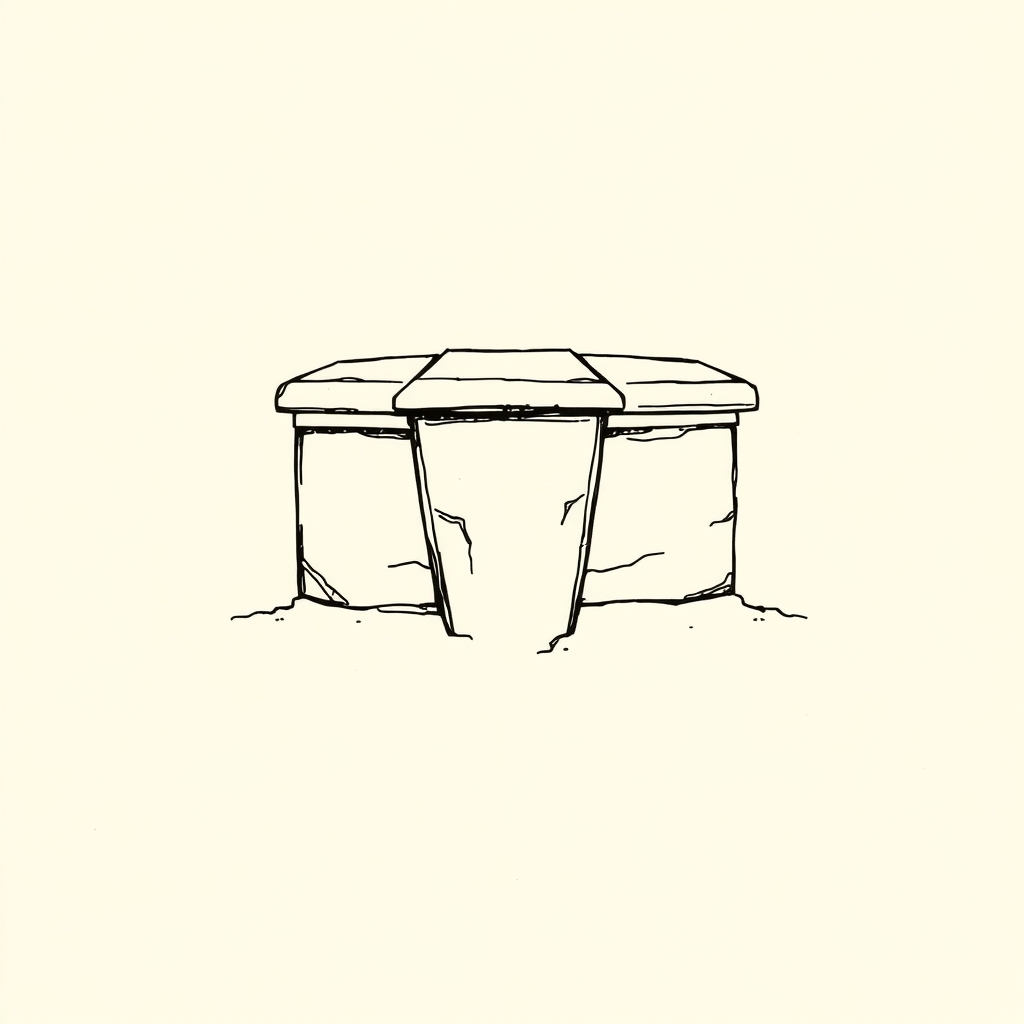
After putting this monastery back in order, she returned to bury herself in her small cell, at the tomb of her benefactor, where she ended her life in the exercise of perfect and solid virtues. The Lord, wishing to reward her for her labors and her piety, withdrew her from this world on June 8, 640. She was buried in the chapel she had built over the tomb of Saint Savinien, and her body was placed in a stone coffin, which could still be seen in her chapel in the 17th century. God illustrated her tomb with a great number of miracles that took place there.
Long after her death, under the episcopate of Jean d'Aubinac and Jean d'Auxay, bishops of Troyes, her remains were placed in a bronze reliquary, adorned with silver carvings and several small images. In the year 1300, Henri de Noa, dean of Troyes, e stablished a rich foundation to have the feast of Saint Syre celebrated in the church of Troyes, with an office of nine lessons. A portion of her relics was transferred to Troyes; the other remained at the very place of her death, where a small church was built, frequented by a crowd of pilgrims.
On March 27, 1794, the reliquary of Saint Syre was thrown into the flames; but God preserved the bones of his servant. Her relics were identified in 1826 and 1835. The parishes of Saint-Martin-ès-Vignes, Rilly-Sainte-Syre, Le Chêne, and Jully -le-Châtel posses s fragments of them.
Les Beautés de l'Histoire de la Champagne, by Abbé Boitot; La Vie d'une Sainte pour chaque jour de l'année, by Abbé Chapin; Ancien Propre de Troyes.
Iconography
Signs and attributes

Entities
Narrative network
The names, places, and concepts most present in the entry, weighted by centrality in the text.
The supernatural in their life
The miracles of Saint Syra
Frequently asked questions about Saint Syra
Who was Saint Syra?
A princess of Scotland and sister of Saint Fiacre, Saint Syra chose virginity and became blind by divine grace to flee her suitors. Having come to France, she recovered her sight at the tomb of Saint Savinian in Troyes. She dedicated her life to prayer and monastic reform, and died in 640.
What is Saint Syra the patron saint of?
Patronage of Saint Syra: Rilly-Sainte-Syre.
What is Saint Syra invoked for?
Saint Syra is invoked for: healing of eyesight and blindness.
How is Saint Syra depicted in Christian art?
In iconography, Saint Syra is recognizable by: stone coffin and bronze shrine.
What miracles are attributed to Saint Syra?
4 miracles are attributed to this saint, notably: Healing, Incorruptibility and Protection / deliverance.
Which saints were contemporaries of Saint Syra?
Contemporaries include: Saint Priest (Prix), Saint Gregory the Great (Pope and Doctor of the Church), Saint Die (Didier, Deodat) and Saint Augustine of Canterbury.
When did Saint Syra die?
Saint Syra died around 700.
Who are the relatives of Saint Syra?
Relatives of Saint Syra: Eugène IV (father) and Saint Fiacre (brother).
Annexes & related entities
Structured data for exploration: events, miracles, quotes, places, attributes, patronages, and important entities cited in the text.
Key Events
- Asked heaven for the grace to become blind to escape marriage
- Journey from Scotland to France to join her brother Saint Fiacre
- Formation in monastic life under Saint Fare at Jouarre
- Miraculous discovery of the tomb of Saint Savinian in Troyes
- Miraculous healing of her blindness
- Reform of a fallen convent
- Final retreat in her cell near the tomb of Saint Savinian
Quotes
-
Ah! How vile, despicable, and foul the earth appears to me when I look at heaven! Vanity of vanities, all is vanity, except to serve God and to love Him alone.
Oral tradition reported in the text