
Saint Flour
A disciple of Jesus sent by Saint Peter, Flour evangelized Gallia Narbonensis, Lodève, and Aquitaine. He concluded his mission at Mont Indiciae, which took his name, after performing miracles such as the springing forth of a fountain. His relics were honored by Pope Urban II in 1095.
Contemporaries

Figures and markers around the normalized period for this entry.
Guided reading
5 reading sections
SAINT FLOUR, BISHOP (1st and 2nd centuries).
Origins and mission in Narbonensis
A disciple of Christ sent by Saint Peter, Flour began his apostolate in Gallia Narbonensis, notably in Lodève where he combated idolatry.
According to the oldest monuments of the churches of Saint-Flour and Lodèv e, Saint Fl our was one of the disciples of Our Lord, and it wa s Saint Pete r, the prince of the Apostles, who sent him to preach the Gospel in Gallia Narbonensis. Scarcely had he set foot on the soil of Lodève than his preaching caused the ancient oaks and old beeches to fall, that is to say, the idolatry that the peoples of Gaul practiced around the great trees. He then employed all his care in the instruction of the new converts, nourishing them with evangelical precepts with all the solicitude of a good shepherd.
Evangelization of Aquitaine
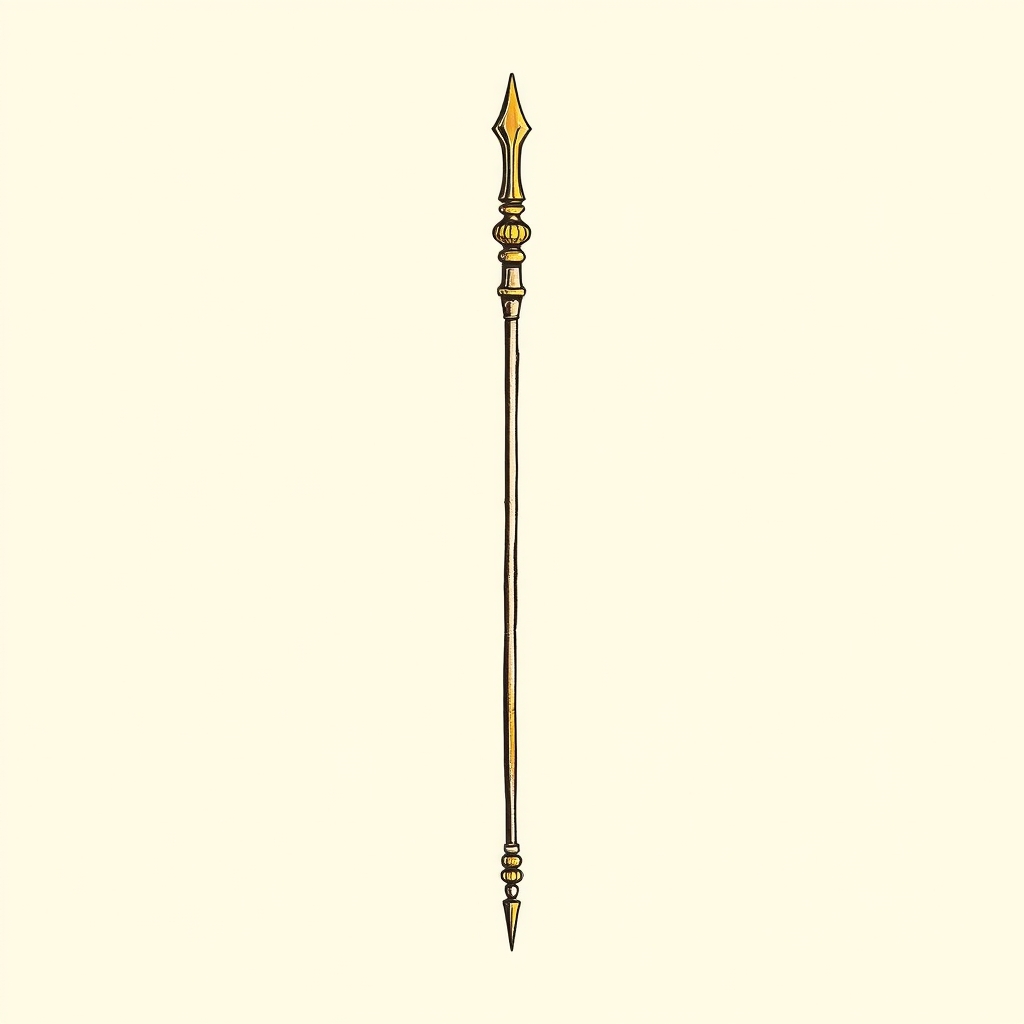
The saint continues his mission in Aquitaine and the Cévennes, performing miracles such as the springing forth of a fountain with a strike of his staff.
When he had established the church of Lodève on a firm footing, he headed toward Aquitaine to clear new regions, to spread the good seed in new lands in place of the uprooted tares. His conquests in this country were significant, thanks to the virtue of his preaching and his miracles. Having arrived with his companions at the summit of a hill, they became thirsty, and water was lacking to refresh them. Then Florus, with the staff h e held in his hand, struck the earth, which opened to let flow a beautiful spring, the waters of which have never dried up since that day. After having evangelized Aquitaine and the Cévennes, he arrived among the Arverni.
Foundation in Arvernia
Flour established himself on Mount Indiciae, the site of the future city of Saint-Flour, to evangelize the mountains of Arvernia.
The brief of the holy Gospel halted at Mount Indici ae, in a very small town, which, subsequently, took the name of the apostle and was cal led Saint-F lour. From this summit, our blessed Flour, a true flower of heaven, spread the divine fragrance of Jesus Ch rist throughout the mountains of Arvernia.
Medieval Ecclesiastical Development
The influence of Cluny, the consecration of the cathedral by Urban II, and the erection of the diocese by John XXII mark the posthumous history of the saint.
Around the year 1000, Saint-Flour and its territory were given t o the Abbey of Cl uny. Saint Odilo had a church built in the town, which he dedicated to Saint Peter and Saint Paul.
A few years later, the foundations of the current cathedral were laid. Urban II consecrated it after the Council of Clermont and elevated the relics of Saint Flour onto the high altar (1095). F inally, J ohn XXII divided the Diocese of Clermont and erected the Abbey of Saint-Flour into a bishopric (1346).
Cult and relics
The cult of Saint Flour extends to Machy and Abbeville, where relics are preserved.
Saint-Flour is the patron saint of Machy; one of his relics is preserve d at Saint-Vulfran in Abb eville. Proper of Saint-Flour and of Clermont. — See November 4.
Iconography
Signs and attributes

Entities
Narrative network
The names, places, and concepts most present in the entry, weighted by centrality in the text.
The supernatural in their life
The miracles of Saint Flour
Frequently asked questions about Saint Flour
Who was Saint Flour?
A disciple of Jesus sent by Saint Peter, Flour evangelized Gallia Narbonensis, Lodève, and Aquitaine. He concluded his mission at Mont Indiciae, which took his name, after performing miracles such as the springing forth of a fountain. His relics were honored by Pope Urban II in 1095.
What is Saint Flour the patron saint of?
Patronage of Saint Flour: Saint-Flour and Machy.
How is Saint Flour depicted in Christian art?
In iconography, Saint Flour is recognizable by: staff and miraculous spring.
What miracles are attributed to Saint Flour?
1 miracle are attributed to this saint, notably: Mastery of the elements.
Which saints were contemporaries of Saint Flour?
Contemporaries include: Saint Dionysius the Areopagite (First Bishop of Paris), Saint Pothinus and his companions (Martyrs of Lyon), Saint Benignus of Smyrna and Jesus Christ (Relics of the Passion).
When did Saint Flour die?
Saint Flour died around 200.
What are the other names of Saint Flour?
Other forms of the name: Florus.
Annexes & related entities
Structured data for exploration: events, miracles, quotes, places, attributes, patronages, and important entities cited in the text.
Key Events
- Sent to Gallia Narbonensis by Saint Peter
- Evangelization of Lodève and destruction of idolatry
- Mission in Aquitaine and the Cévennes
- Miracle of the spring on a hilltop
- Settlement on Mount Indiciae (Saint-Flour)