
Jan Tyranowski
A Polish layperson and tailor, Jan Tyranowski was the spiritual mentor of the young Karol Wojtyła and the heroic leader of the Living Rosary circles during the Nazi occupation.
Contemporaries

Figures and markers around the normalized period for this entry.
Guided reading
5 reading sections
Biography
Birth in Krakow, abandonment of accounting for tailoring due to his health, and radical commitment to holiness after a sermon in 1935.
Jan Leopold Tyranowski was born on February 9, 1901, in Krakow, Poland, into a deeply Catholic family. His father intended for him to have a career as an accountant. Jan obtained his diploma and began practicing this profession, but the intense stress associated with this activity caused him severe chronic gastric disorders. In 1930, faced with these health problems and his natural inclination for a more retired and silent life, he decided to abandon accounting to work as a tailor in the family sewing workshop. This change of life allowed him to free up time for daily prayer, spiritual reading, and active participation in his parish.
The year 1935 marked a decisive turning point in his existence. During a mass at the Saint Stanislaus Kostka parish church, located in the Dębniki district of Krakow and run by the Salesians of Don Bosco, he heard a sermon during which the priest uttered this phrase: "It is not difficult to be a saint." This statement acted upon him like a revelation. Jan then decided to commit himself radically to the path of holiness. He made a private vow of chastity, subjected himself to a rigorous spiritual schedule including up to four hours of daily meditation, and began to study mystical theology in depth.
Life and Work
During the Nazi occupation, Jan took charge of youth ministry, founded the Living Rosary circles, and became the mentor of Karol Wojtyła.
During the Second World War, Poland suffered under Nazi occupation. On May 23, 1941, the Gestapo arrested and deported almost all the Salesian priests of the Saint Stanislaus Kostka parish to the Auschwitz and Dachau concentration camps, where many of them would lose their lives. Before being taken away, the priests entrusted the pastoral care and spiritual accompaniment of the parish youth to Jan Tyranowski. Despite his natural shyness and initial difficulties in communicating, Jan accepted this heavy responsibility out of spiritual obedience. He then set up a clandestine initiative called the "Living Rosary circles" (Rosaire Vivant). Each circle was composed of fifteen young men (representing the fifteen mysteries of the Rosary at the time), each committing to recite one decade of the Rosary daily at coordinated times to ensure continuous prayer. Jan gathered these young people in his apartment on Różana Street to provide them with a solid human and spiritual formation. It was in this context, in February 1940, that he met the young Karol Wojtyła, the future Pope John Paul II, who was then a student and a worker at the Solvay quarry. Jan Tyranowski became the spiritual mentor, guide, and father figure to Karol, who had just lost his own father. He introduced him to the reading of the great mystics of Carmel, notably Saint John of the Cross and Saint Teresa of Avila. Thanks to the action of Jan Tyranowski and the fervor of these prayer circles, eleven priestly vocations emerged among these young people, including that of the future Sovereign Pontiff.
Path to Holiness
Illness, amputation of the arm, sufferings endured with patience, and a holy death on March 15, 1947, in Krakow.
After the end of the war, Jan Tyranowski continued his work of formation among the laity and catechists of the diocese. However, his health declined rapidly. He contracted a serious tuberculosis of the arm that spread throughout his body. Despite the amputation of his arm and the intense physical suffering he endured with heroic patience, the illness proved incurable. Jan Tyranowski passed away on March 15, 1947, in Krakow, at the age of 46, while clutching a crucifix to his chest. Due to his illness, he had been unable to attend the priestly ordination of his spiritual son, Karol Wojtyła, celebrated on November 1, 1946. His mortal remains now rest in the Saint Stanislaus Kostka parish church in Krakow-Dębniki, the very place of his apostolate.
Beatification and canonization
Opening of the cause in 1997, submission of the Positio in 2011, and decree of venerability by Pope Francis in 2017.
The cause for the beatification and canonization of Jan Tyranowski was officially opened at the diocesan level in Krakow on April 28, 1997, under the impetus of the Salesian postulation and with the agreement of the Congregation for the Causes of Saints.
* Diocesan inquiry: The inquiry into the life, virtues, and reputation for holiness of Jan Tyranowski took place from 1997 to March 2000. * Roman validation: On November 16, 2001, the Congregation for the Causes of Saints legally validated the acts of the diocesan inquiry. * Submission of the Positio: The Positio, a summary document demonstrating the heroic nature of his virtues, was officially submitted in Rome on October 3, 2011. * Decree of venerability: On January 20, 2017, Pope Francis authorized the Congregation for the Causes of Saints to promulgate the decree recognizing the heroic nature of his virtues, thereby conferring upon him the title of Venerable.
Spirituality and legacy
Carmelite and Marian spirituality, major influence on John Paul II (Totus Tuus) and a model of the committed laity.
The spirituality of Jan Tyranowski rests on a deep alliance between mystical contemplation and concrete apostolic action. Although he only received a basic school education, he possessed a remarkable theological knowledge acquired through the assiduous study of the writings of Saint John of the Cross, Saint Teresa of Avila, and Saint Therese of Lisieux. His Marian devotion was also central. It was he who introduced the young Karol Wojtyła to the Treatise on True Devotion to the Blessed Virgin by Saint Louis-Marie Grignion de Montfort, a work that would directly inspire the future papal motto of John Paul II, "Totus Tuus". Pope John Paul II paid vibrant tributes to his mentor throughout his life, notably in his autobiographical work Gift and Mystery. He describes Jan Tyranowski there as an "educator-theologian, apostle of the greatness of God, of the beauty of God" and writes about him: "In his words, in his spirituality and in the example of a life given to God alone, he represented a new world that I did not yet know. I saw the beauty of the soul opened by grace." Jan Tyranowski remains an exceptional model of the committed laity, illustrating how personal holiness and individual spiritual accompaniment can transform lives and mark the history of the universal Church.
Iconography
Signs and attributes
Frequently asked questions about Jan Tyranowski
Who was Jan Tyranowski?
A Polish layperson and tailor, Jan Tyranowski was the spiritual mentor of the young Karol Wojtyła and the heroic leader of the Living Rosary circles during the Nazi occupation.
How is Jan Tyranowski depicted in Christian art?
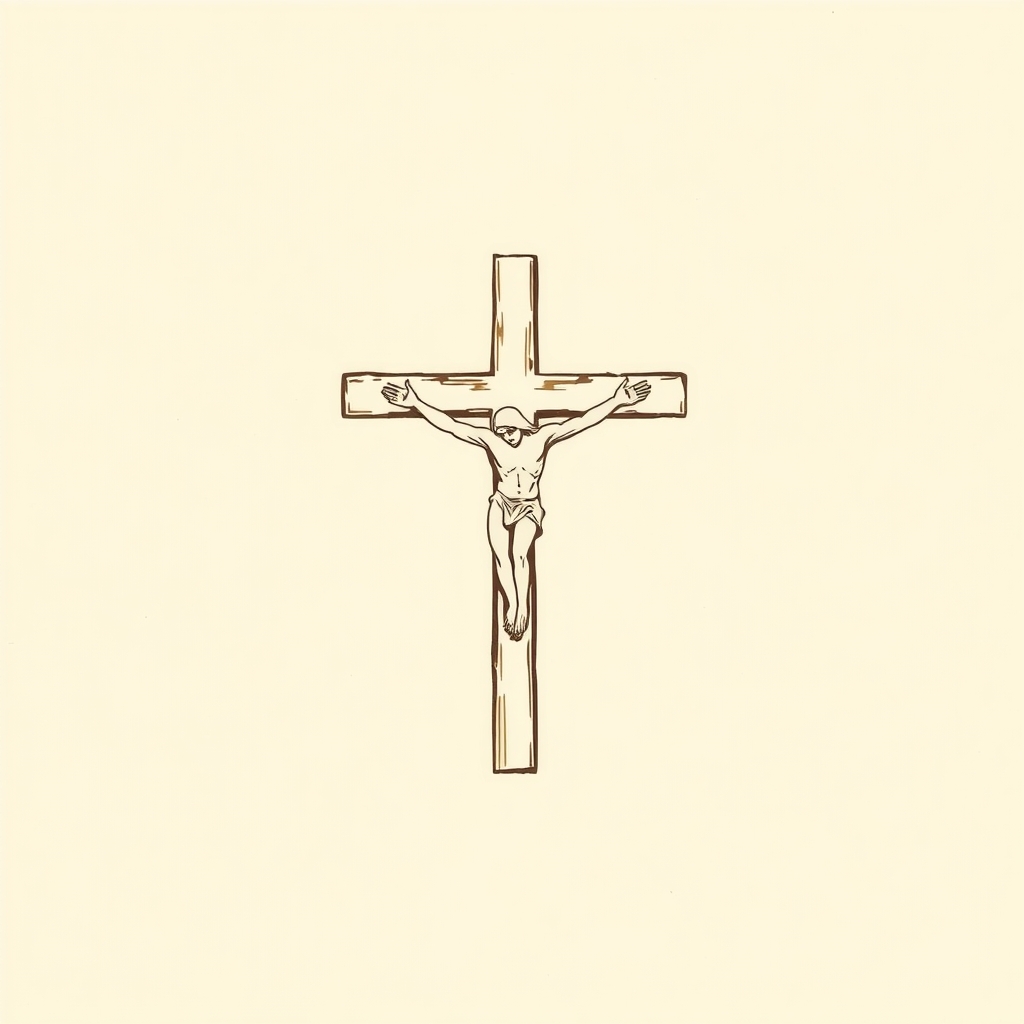
In iconography, Jan Tyranowski is recognizable by: crucifix.
Which saints were contemporaries of Jan Tyranowski?
Contemporaries include: Pauline of the Agonizing Heart of Jesus, Felipe de Jesús Munárriz and 50 companions, Mariano de Jesús Euse Hoyos and Teresa of Jesus of the Andes.
When did Jan Tyranowski die?
Jan Tyranowski died around 1947.
What are the other names of Jan Tyranowski?
Other forms of the name: Jan Leopold Tyranowski.
Who are the relatives of Jan Tyranowski?
Relatives of Jan Tyranowski: Père de Jan Tyranowski (father).
Annexes & related entities
Structured data for exploration: events, miracles, quotes, places, attributes, patronages, and important entities cited in the text.
Key Events
- Era / death: 1901-1947
- Decree of venerability by Francis
Quotes
-
In his words, in his spirituality, and in the example of a life given to God alone, he represented a new world that I did not yet know. I saw the beauty of the soul opened by grace.
https://vertexaisearch.cloud.google.com/grounding-api-redirect/AUZIYQHZc3OgvVN7KbHtw4PakHXPAZkMYZzDAB5L5Fi4y9_eSQOtvKkpAs_aSSIAe70wqJxCpwl32C5gTHoJEBikLDKe1-LO7LhhAcFr1r9bwOoPbRwXD0JsPqfCbmR0SV_exg==