
Saint Franchy
A monk at the monastery of Saint-Martin de la Bretonnière, Franchy distinguished himself by his piety and a miracle related to baking. After the destruction of his monastery, he lived as a hermit with Brother Antoine before returning to die in his native land in the 8th century. His cult is particularly rooted in the diocese of Nevers.
Contemporaries

Figures and markers around the normalized period for this entry.
Guided reading
6 reading sections
SAINT FRANCHY, HERMIT IN NIVERNAIS (8th century).
Youth and monastic life
Born in the Amagnes, Franchy entered the monastery of Saint-Martin de la Bretonnière early on to lead a religious life.
Born in the Amagnes — or Terres aux Moines, so named because the monks had cleared them — Franchy retired early to the monastery of Saint-Martin de la Bretonnière.
The Trial and the Miracle of the Bread
A victim of his brothers' jealousy, Franchy performed a miracle by preparing bread without the necessary tools, which had been hidden by his envious peers.
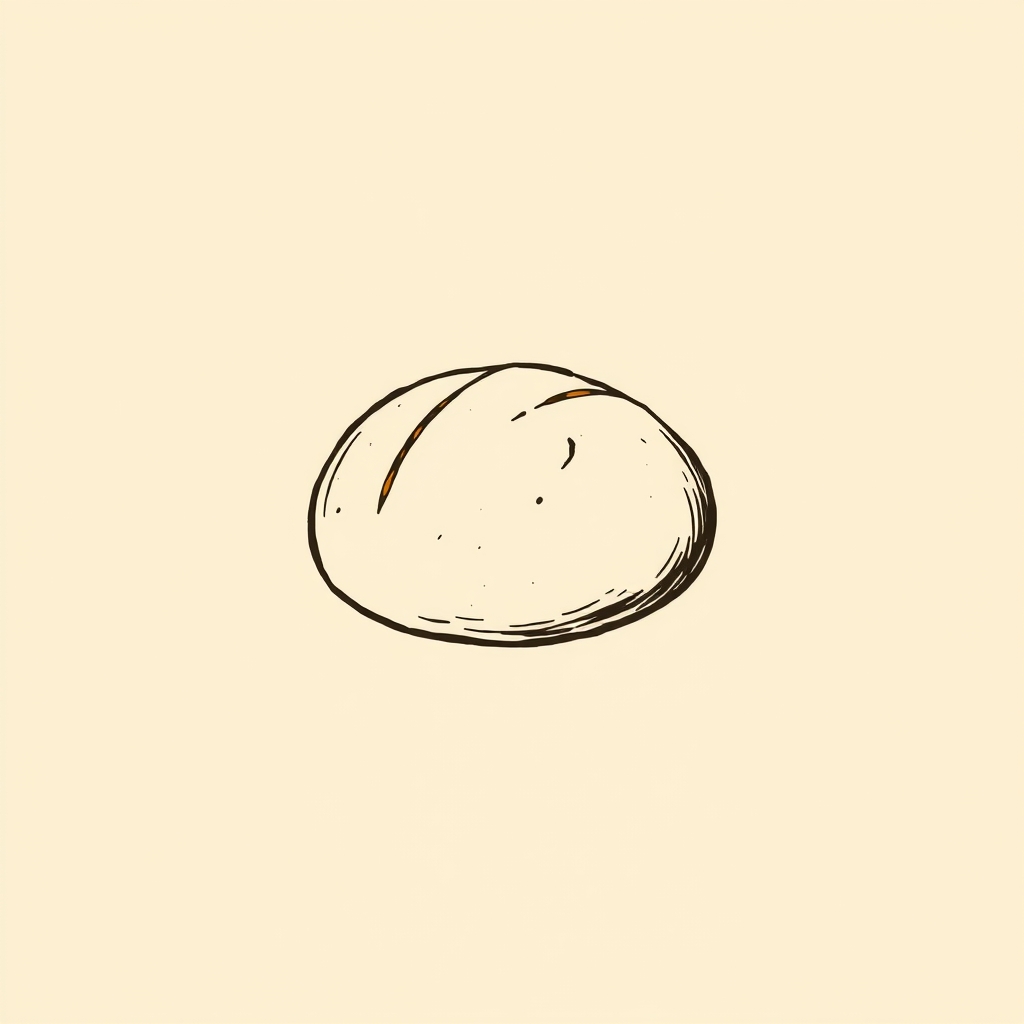
God once permitted the demon of jealousy to enter the earthly paradise, so we should not be surprised if sometimes the same demon wreaks havoc even in the most perfect houses: this is what happened regarding Saint Franchy. His entirely holy life, his love of discipline, and all his virtues were a condemnation of the lukewarm and lax life of some of his brothers, and they did not delay in setting traps for him. As he knew how to adapt to all the needs of the house and make himself fit for all duties, he was one day tasked with making the bread necessary for the monastery; but his envious peers, desiring to make him fail, hid all the bakery instruments. Franchy, not finding them, placed his trust in God: this trust was not deceived; he made the sign of the cross, began his work, even though he did not have what was necessary, and the bread was ready on time and perfectly prepared.
Exile and eremitic life
After the destruction of his monastery by war, Franchy retired into solitude with Brother Antoine to lead a life of asceticism.
In these times of continuous wars, monasteries were not spared; that of Saint-Martin de la Bretonnière was devastated and consumed by flames.
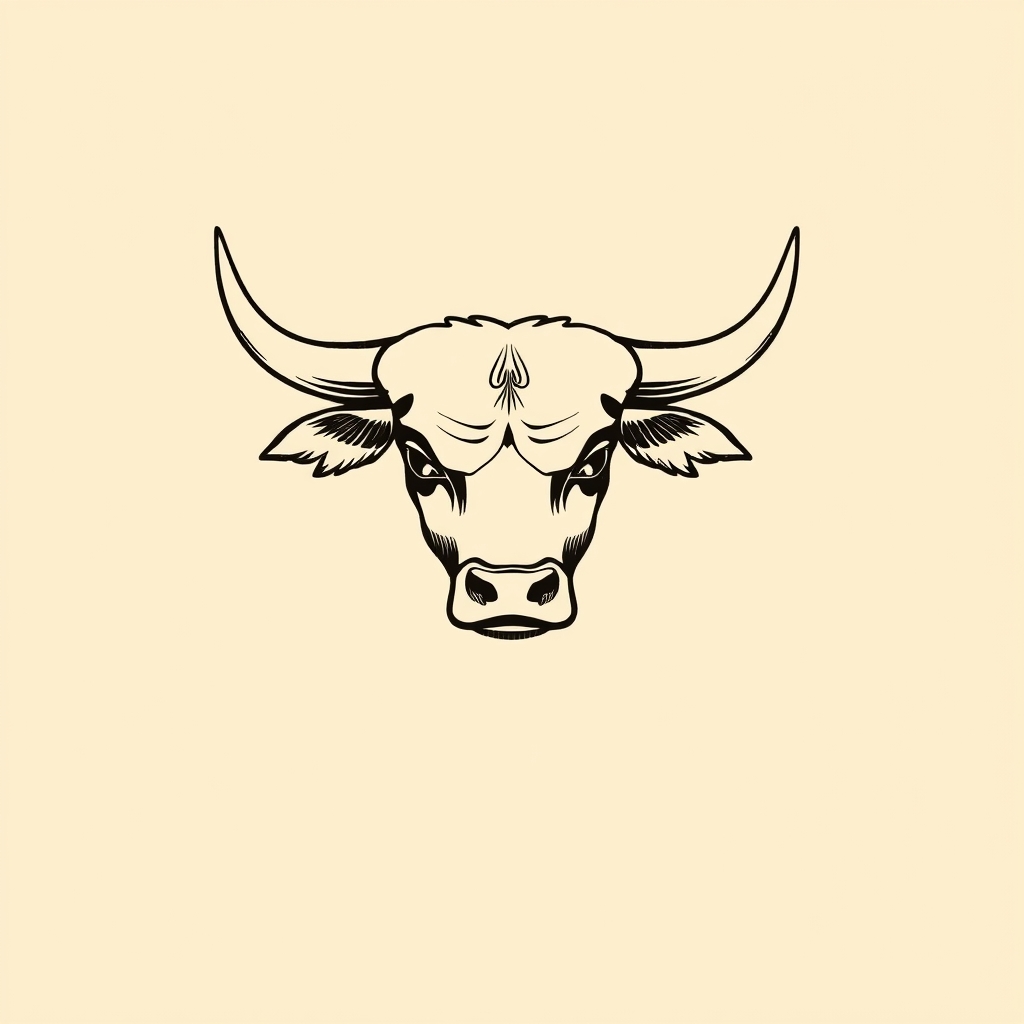
Franchy made the resolution to retire into solitude: this is what he did with one of the brothers named Antoine. There, the y led t he most mortified life, living on herbs and roots. Having reached an advanced age, Saint Franchy resolved to return to his native soil; he therefore set out with Brother Antoine, but his strength failed him and he was on the point of remaining on the road. However, God willed that he should be, after his death, the protector of the places he had built up in his childhood and during his life; two untamed bulls, says the legend, appeared: Antoine prepared a yoke and a kind of vehicle for them, on which he placed the holy old man, who was thus able to reach his native land, where he died full of virtues and merits, towards the middle of the 8th century. A monastery was built, under the protection of the Saint, on the very spot where he had spent his childhood. In the 9th century, the church of this monastery held an abbatial title; it was burned down shortly after; and, in 1031, Hugh II, Bi shop of N evers, ceded to the canons of his church all the dependencies of the Abbey of Saint-Franchy. A church was rebuilt there, which became a parish church. Several other churches in the diocese of Never s are under his i nvocation, among others that of Amazy. The old p arish of Poussignol, now unite d with Bli smes, also honored him as its patron. We have no details on the relics of Saint Franchy. We read in the Legendary of Autun that they were transported to the Abb ey of Saint-Symphorien in that city. The d ate of this translation is not indicated.
Miraculous return and passing
Weakened by age, he returned to his native land thanks to two untamed bulls that transported him, before dying in the middle of the 8th century.
The feast of Saint Franchy was formerly celebrated on May 16; it was moved forward by one day because of its occurrence with that of Saint Pelerin.
Cult and ecclesial heritage
A monastery and later a parish church were erected at his birthplace, while several churches in the diocese of Nevers are dedicated to him.
Translation of relics and feast day
His relics were transferred to Autun and his liturgical feast was set for May 15 to avoid conflict with that of Saint Peregrinus.
Franchy resolved to withdraw into solitude: this he did with one of the brothers named Anthony. There, they led the most mortified life, living on herbs and roots. Having reached an advanced age, Saint Franchy resolved to return to his native soil; he therefore set out with Brother Anthony, but his strength failed him and he was on the point of remaining on the road. However, God willed that he should be, after his death, the protector of the places he had built up in his childhood and during his life; two untamed bulls, says the legend, appeared: Anthony prepared a yoke and a kind of vehicle for them, upon which he placed the holy old man, who was thus able to reach his native country, where he died full of virtues and merits, towards the middle of the 8th century. A monastery was built, under the protection of the Saint, at the very place where he had spent his childhood. In the 9th century, the church of this monastery held an abbatial title; it was burned down shortly after; and, in 1031, Hugh II, Bishop of Nevers, ceded to the canons of his church all the dependencies of the Abbey of Saint-Franchy. A church was rebuilt there, which became a parish church. Several other churches in the diocese of Nevers are under his invocation, among others that of Amazy. The old parish of Poussignol, now united with Blismes, also honored him as its patron. We have no details on the relics of Saint Franchy. We read in the Legendary of Autun that they were transported to the Abbey of Saint-Symphorien in that city. The date of this translation is not indicated.
The feast of Saint Franchy was formerly celebrated on May 16; it was moved forward by one day because of its occurrence with that of Saint Peregrinus.
Hagiology of Nevers.
Iconography
Signs and attributes

Entities
Narrative network
The names, places, and concepts most present in the entry, weighted by centrality in the text.
The supernatural in their life
The miracles of Saint Franchy
Frequently asked questions about Saint Franchy
Who was Saint Franchy?
A monk at the monastery of Saint-Martin de la Bretonnière, Franchy distinguished himself by his piety and a miracle related to baking. After the destruction of his monastery, he lived as a hermit with Brother Antoine before returning to die in his native land in the 8th century. His cult is particularly rooted in the diocese of Nevers.
What is Saint Franchy the patron saint of?
Patronage of Saint Franchy: Saint-Franchy, Amazy and Poussignol.
How is Saint Franchy depicted in Christian art?
In iconography, Saint Franchy is recognizable by: bulls, yoke and bread.
What miracles are attributed to Saint Franchy?
2 miracles are attributed to this saint, notably: Multiplication / provision and Sign / wonder.
Which saints were contemporaries of Saint Franchy?
Contemporaries include: Saint Hidulph of Trier, Saint Ghislain (Guillain), Saint Lambert (Landebert) and Saint Amand of Maastricht.
When did Saint Franchy die?
Saint Franchy died around 800.
Annexes & related entities
Structured data for exploration: events, miracles, quotes, places, attributes, patronages, and important entities cited in the text.
Key Events
- Entered the monastery of Saint-Martin de la Bretonnière
- Miracle of the bakery in the face of his brothers' jealousy
- Destruction of the monastery by fire
- Retreat in solitude with Brother Antoine
- Return to his native land on a vehicle pulled by two untamed bulls