
Miguel Agustín Pro
A Mexican Jesuit priest, Miguel Agustín Pro carried out a daring clandestine ministry under the Calles persecution before being unjustly executed by firing squad in 1927.
Contemporaries

Figures and markers around the normalized period for this entry.
Guided reading
5 reading sections
Biography
The youth of Miguel Agustín Pro, his entry into the Jesuits, and his exile due to the Mexican Revolution.
José Ramón Miguel Agustín Pro Juárez was born on January 13, 1891, in Guadalupe, in the state of Zacatecas, Mexico. He was the third of eleven children. His father, Miguel Pro, was a mining engineer, and his mother, Josefa Juárez, was a pious woman involved in charitable works. From his childhood, Miguel distinguished himself by his joyful character, his humor, and his piety. In August 1911, he entered the novitiate of the Society of Jesus in El Llano. However, the Mexican Revolution and the rise of violent anticlericalism severely disrupted religious life. In August 1914, after their formation house was ransacked by revolutionary troops, the Jesuits were forced to flee the country. Miguel then began a long exile of more than ten years. He first went to Los Gatos, California (United States), then to Spain, to Granada, where he studied philosophy from 1915 to 1918. From 1918 to 1922, he taught in Nicaragua before returning to Europe. He studied theology in Barcelona, then at the scholasticate of Enghien in Belgium from 1924 to 1926, while taking an interest in sociology and labor movements in Louvain. He was ordained a priest on August 30, 1925, in Enghien. Despite fragile health and severe stomach pains that required several operations, he maintained an unalterable joy. In July 1926, his superiors sent him back to Mexico in the hope that his native climate would improve his health.
Life and Work
Father Pro's clandestine and ingenious ministry in Mexico under the persecution of the Calles Law.
Father Miguel Agustín Pro returned to Mexico in July 1926, at the precise moment when President Plutarco Elías Calles promulgated extremely severe anti-Catholic laws (the "Calles Law"), banning all public worship and ordering the closure of churches. Priestly ministry then had to be exercised in total clandestinity. Father Pro deployed intense and ingenious pastoral activity in Mexico City. To escape the police, he used numerous disguises: he dressed as a beggar to visit homes, as a police officer to bring the sacraments to prisoners, or as an elegant bourgeois. He organized clandestine "Eucharistic stations" in private homes, where he distributed communion to thousands of faithful each week. Alongside his sacramental ministry, he dedicated himself to the most destitute. He supported the families of workers materially and spiritually, helped single mothers, and cared for prostitutes by founding a home to help them change their lives. His humor, his vivacity, and his unconditional charity made him an extremely popular figure, beloved by the Catholics of the capital.
Path to Holiness
Father Pro's unjust arrest, his condemnation without trial, and his heroic execution.
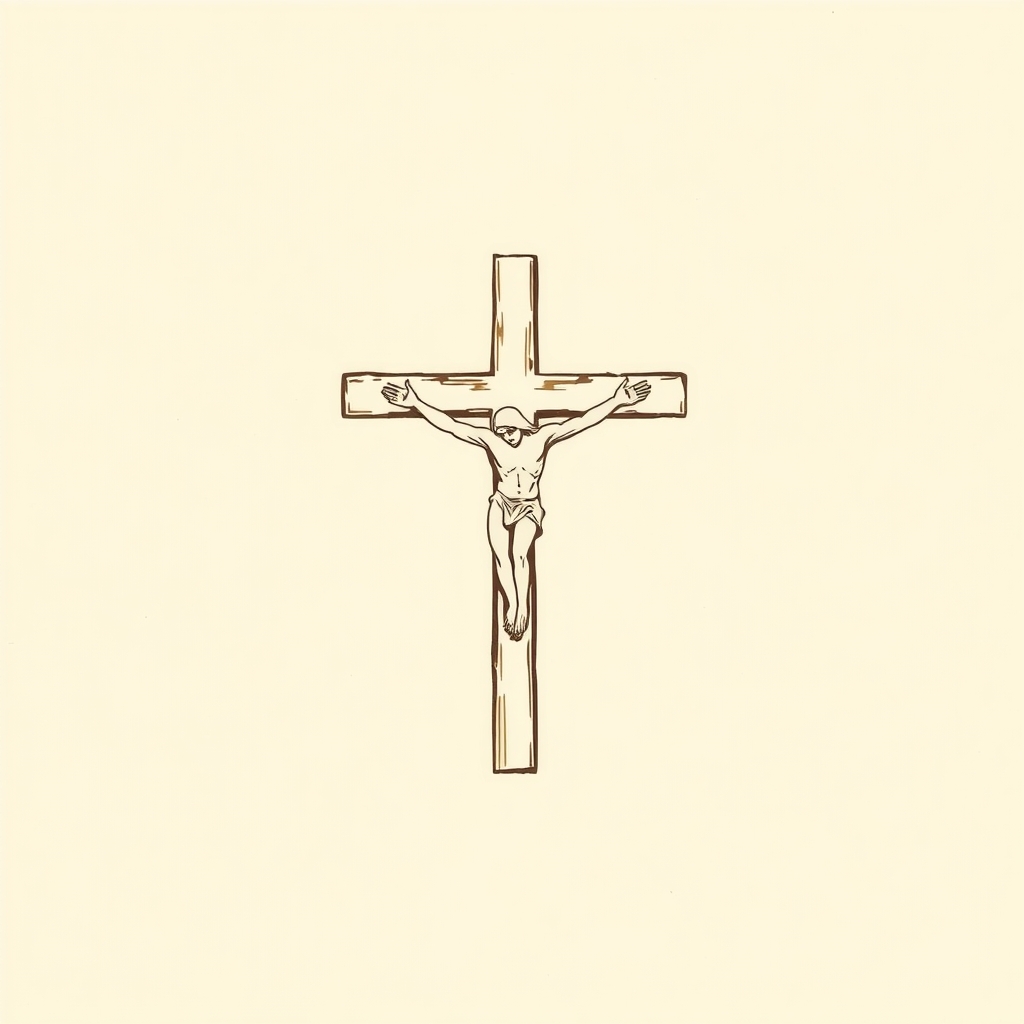
On November 13, 1927, a bomb attack was perpetrated against General Álvaro Obregón, a candidate for the presidency of the Republic. Although Father Pro and his brothers, Humberto and Roberto, had no connection to this plot (organized by members of the National League for the Defense of Religious Liberty), the police used the fact that the assailants' car had belonged to Humberto to arrest them on November 17, 1927. The perpetrator of the attack, the engineer Luis Segura Vilchis, surrendered and formally exonerated the Pro brothers, but President Calles decided to make an example of Father Pro to terrorize the Catholic resistance (the Cristeros). Without any trial or presentation of evidence, Father Miguel Agustín Pro and his brother Humberto were sentenced to death. On November 23, 1927, Father Pro was led into the courtyard of the Mexico City police headquarters to be executed by firing squad. Before the execution, he refused to be blindfolded, forgave his executioners, and asked for a few moments to pray. He knelt, then stood up, spread his arms in the shape of a cross, holding a rosary in one hand and a crucifix in the other. His final words, spoken in a firm voice just before the shots were fired, were: "¡Viva Cristo Rey!" (Long live Christ the King!).
Beatification and canonization
The impact of his martyrdom, the recognition of his death in odium fidei, and his beatification by John Paul II.
President Calles had ordered that the execution be photographed and published in the press to humiliate Catholics and break their morale. The effect produced was exactly the opposite: the images of Father Pro dying with his arms in the shape of a cross became the heroic symbol of the resistance of the faith. His burial, on November 25, 1927, brought together more than 20,000 people who accompanied him in silence, transforming his funeral into a spiritual triumph. The informative process for his cause of beatification opened on September 28, 1935, in Mexico. On November 10, 1986, Pope John Paul II officially recognized his martyrdom (death in hatred of the faith, in odium fidei), which dispensed with the requirement of a miracle for his beatification. Father Miguel Agustín Pro was solemnly beatified on September 25, 1988, by Pope John Paul II in Saint Peter's Square in Rome. His liturgical feast is set for November 23, the day of his martyrdom. His cause for canonization is currently underway in Rome.
Spirituality and legacy
The Eucharistic and joyful spirituality of Father Pro, and the founding of the Centro Prodh for human rights.
The spirituality of Blessed Miguel Agustín Pro is deeply Eucharistic and Christocentric. For him, the daily celebration of the Mass and adoration were the source of all apostolic strength. His total offering to the divine will is expressed by an ardent desire to imitate Christ, including in his Passion. His distinctive mark is the "joy of God": even in the midst of the worst physical suffering and the constant dangers of living underground, he maintained a joyful spirit, convinced that sadness had no place in a servant of Christ. His legacy remains alive in Mexico and throughout the world. In 1988, the year of his beatification, the Mexican Jesuits founded the "Centro de Derechos Humanos Miguel Agustín Pro Juárez" (Centro Prodh), a human rights organization that continues his fight for the justice and dignity of the poorest. His relics are venerated in the Church of the Holy Family (Iglesia de la Sagrada Familia) in Mexico City.
Iconography
Signs and attributes
Frequently asked questions about Miguel Agustín Pro
Who was Miguel Agustín Pro?
A Mexican Jesuit priest, Miguel Agustín Pro carried out a daring clandestine ministry under the Calles persecution before being unjustly executed by firing squad in 1927.
How is Miguel Agustín Pro depicted in Christian art?
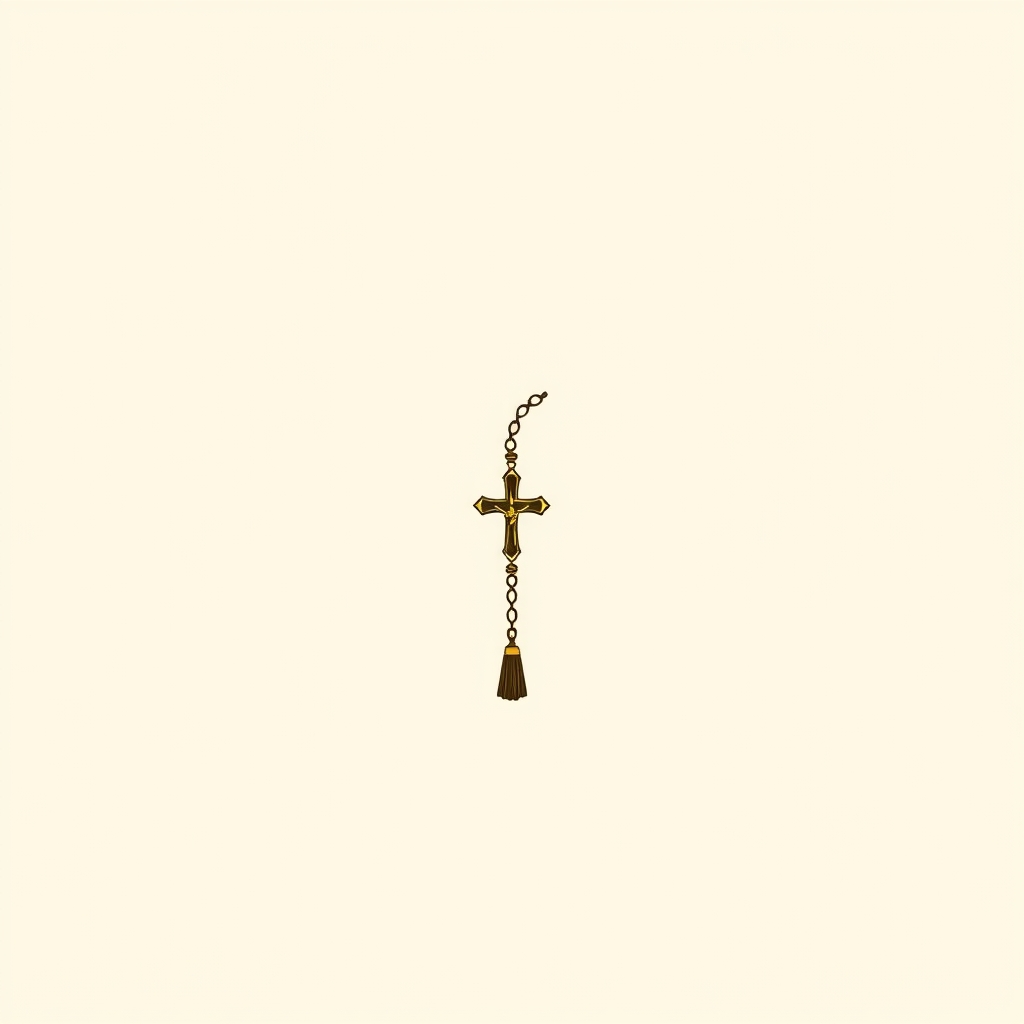
In iconography, Miguel Agustín Pro is recognizable by: rosary and crucifix.
How did Miguel Agustín Pro die?
Miguel Agustín Pro suffered martyrdom for the Christian faith (20th century).
Which saints were contemporaries of Miguel Agustín Pro?
Contemporaries include: Pauline of the Agonizing Heart of Jesus, Felipe de Jesús Munárriz and 50 companions, Mariano de Jesús Euse Hoyos and Teresa of Jesus of the Andes.
What are the other names of Miguel Agustín Pro?
Other forms of the name: José Ramón Miguel Agustín Pro Juárez and Miguel Pro Juárez.
Who are the relatives of Miguel Agustín Pro?
Relatives of Miguel Agustín Pro: Miguel Pro (father), Josefa Juárez (mother), Humberto (brother) and Roberto (brother).
Annexes & related entities
Structured data for exploration: events, miracles, quotes, places, attributes, patronages, and important entities cited in the text.
Key Events
- Era / death: 1927
- Beatification in 1988 by John Paul II
Quotes
-
Long live Christ the King!
https://vertexaisearch.cloud.google.com/grounding-api-redirect/AUZIYQGusMKCLD8KNbPRaS86gVgyahzShNYNMk00WzTUsyNCfC3iYEVjVii_xUo2aLkiFQjWFC60qcy6Oz7180iyAJVJtBg4X0fUw9MW0pXVim6HiMjXKfLE23__dIV-bGb3