
Charbel Makhluf
A Lebanese Maronite monk and hermit (1828-1898), Saint Charbel is world-renowned for his life of extreme asceticism, his miracles, and the phenomena of his body's incorruptibility.
Contemporaries

Figures and markers around the normalized period for this entry.
Guided reading
5 reading sections
Biography
Birth and youth of Youssef Antoun Makhlouf in Lebanon under Ottoman occupation.
Youssef Antoun Makhlouf was born on May 8, 1828, in Beqaa Kafra, the highest village in Lebanon. He was the youngest of five children born to Antoun Zaarour Makhlouf and Brigitta Chidiac, humble Maronite peasants. His father died in 1831 when he was only three years old. His mother remarried Lahoud Ibrahim, who became a priest under the name Father Abdel Ahad. Youssef received a deeply Christian upbringing, assisting his stepfather at Mass and tending the family herd while praying in a cave. He was also influenced by his two maternal uncles, who were hermits at the Monastery of Saint Anthony of Qozhaya.
Life and Work
Entry into religious life, priestly ordination, and the hermit life of Father Charbel.
In 1851, at the age of 23, Youssef joined the Monastery of Our Lady of Mayfouq, then the Monastery of Saint Maron in Annaya within the Lebanese Maronite Order, taking the name Charbel. He pronounced his vows in 1853. After theological studies in Kfifane under the guidance of Saint Nimatullah Kassab Al-Hardini, he was ordained a priest on July 23, 1859, in Bkerké by Bishop Youssef Al-Marid. After sixteen years of community life in Annaya, he retired in 1875 to the Hermitage of Saints Peter and Paul. He spent his last 23 years there in solitude and adoration, before passing away on December 24, 1898.
Journey toward holiness
Charbel's reputation for holiness, the miracle of the lamp, and the phenomena of his body's incorruptibility after his death.
Considered a saint during his lifetime for his extreme asceticism and the miracle of the water lamp, his fame grew after his death. A mysterious light shone over his tomb, leading to his exhumation in 1899. His body was discovered perfectly intact and supple, exuding a reddish liquid (blood and sweat). This phenomenon of incorruptibility and exudation lasted for 67 years, verified during several official exhumations (1927, 1950, 1952, 1955) by committees of doctors and theologians, before ceasing in 1965.
Beatification and canonization
The process of official recognition by the Catholic Church under the pontificate of Paul VI.
The cause for beatification was introduced in 1925-1926. On December 5, 1965, during the closing of the Second Vatican Council, Pope Paul VI celebrated his beatification at St. Peter's Basilica, describing him as an "admirable flower of holiness." On October 9, 1977, Pope Paul VI presided over his canonization, making him the first monk and hermit from the East to be canonized by Rome according to the modern procedure.
Spirituality and legacy
The spiritual legacy of Saint Charbel and the global impact of his pilgrimage site in Annaya.
The spirituality of Saint Charbel is based on silence, detachment, working the land, mystical contemplation, the Eucharist, and Marian devotion. His tomb in Annaya is a global pilgrimage center attracting millions of people. Tens of thousands of healings are recorded there. His devotion transcends religious boundaries, bringing together Catholics, Orthodox, Muslims, and Druze.
Iconography
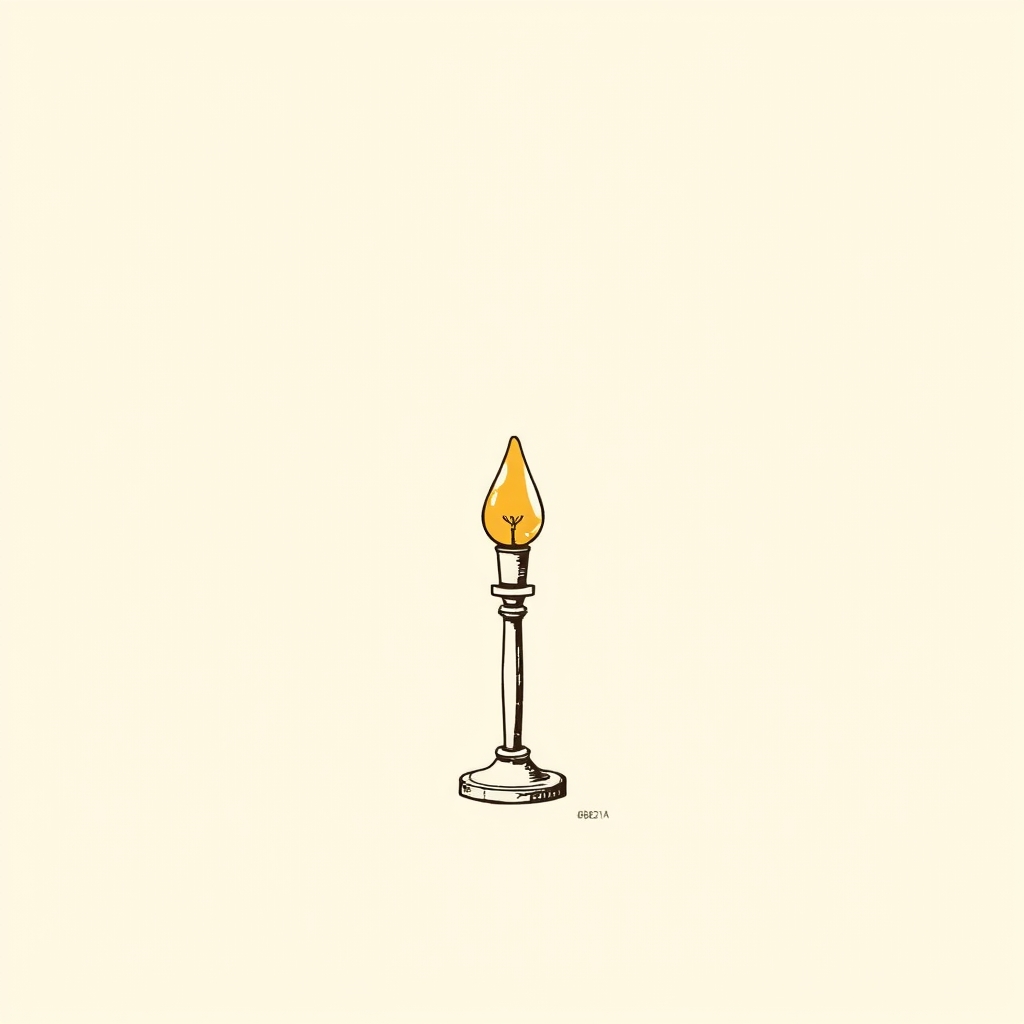
Signs and attributes

The supernatural in their life
The miracles of Charbel Makhluf
Frequently asked questions about Charbel Makhluf
Who was Charbel Makhluf?
A Lebanese Maronite monk and hermit (1828-1898), Saint Charbel is world-renowned for his life of extreme asceticism, his miracles, and the phenomena of his body's incorruptibility.
What is Charbel Makhluf invoked for?
Charbel Makhluf is invoked for: guérisons physiques, physical healing, guérisons spirituelles, spiritual healing, protection and protection.
How is Charbel Makhluf depicted in Christian art?
In iconography, Charbel Makhluf is recognizable by: wool habit, hairshirt and lamp.
What miracles are attributed to Charbel Makhluf?
4 miracles are attributed to this saint, notably: Sign / wonder and Incorruptibility.
Which saints were contemporaries of Charbel Makhluf?
Contemporaries include: Jesús María Echavarría Aguirre, Pauline of the Agonizing Heart of Jesus, Narcisa de Jesús and Juan de Jesús López y González.
When did Charbel Makhluf die?
Charbel Makhluf died around 1898.
What are the other names of Charbel Makhluf?
Other forms of the name: Youssef Antoun Makhlouf and Charbel.
Who are the relatives of Charbel Makhluf?
Relatives of Charbel Makhluf: Antoun Zaarour Makhlouf (father), Brigitta Chidiac (mother) and Lahoud Ibrahim (père Abdel Ahad) (father-in-law).
Annexes & related entities
Structured data for exploration: events, miracles, quotes, places, attributes, patronages, and important entities cited in the text.
Key Events
- Era / death: 1828-1898
- Canonized in 1977 by Paul VI
Quotes
-
admirable flower of holiness, blooming on the stem of ancient Eastern monastic traditions
https://vertexaisearch.cloud.google.com/grounding-api-redirect/AUZIYQGAG5RzhkWnLywbQjmukxiH1B64gEyqYI-6Ju4NA6jKTBjPJwNvMxcKc_5EAxjHEMgPf4VZ1972XvaEgohOnvVXOeCrmH8TD0C1WtIygkwjIv8CFHmchF6eXYmmrlVdi1_QD5jB6yJJb2S6VG-bdkbhTzBRpyD07Clh4ZGKrB3xcqshcGDIQ2XKxjBydhs5LO363lr9w3C_0m0=