
Saint Patern the Elder
The first bishop of Vannes in the 5th century, Patern was a monk of Gallo-Roman origin who traveled to Great Britain and Ireland before his episcopate. After governing his Church with holiness and participating in councils, he retired to central Gaul following difficulties with his monks and the faithful. His relics, long preserved in Issoudun, were the object of great devotion in Vannes.
Contemporaries

Figures and markers around the normalized period for this entry.
Guided reading
6 reading sections
SAINT PATERN THE ELDER, BISHOP OF VANNES (5th century).
Historicity and sources
The author highlights the scarcity of reliable historical sources, retaining three major facts: his episcopate in Vannes, his presence at the council of 405, and the transfer of his relics to Issoudun.
The life of a church founder is always interesting to the faithful of a diocese. Unfortunately, history has transmitted almost nothing to us regarding Saint Patern. Only three things are indisputable: 1st, Saint Patern is the first bishop of Vannes: this is the co nstant and unanimous tradition of his Church; 2nd, he participated in the council of 405 held in his episcopal city: his signature at the bottom of the acts attests to it sufficiently; 3rd, he died far from his see, and his relics, brought to Vannes, were, at the time of the Norman invasions, transported to Issoudun: a ll autho rs agree on this. The rest of his biography has been so muddled and cut up to clothe apocryphal or foreign Paterns that it is sometimes difficult to find one's way.
Origins and monastic vocation
Coming from a Gallo-Roman family of Armorica, Patern embraced religious life and founded a monastery in Great Britain before becoming a mediator in Hibernia.
Of the various Propers of Vannes, that of 1669 is the most accurate, and it is the one that should primarily serve as a guide. Patern was bo rn in Arm orica to a noble family; his Latin name alone proves that he belonged to a Gallo-Roman family and not a Breton one; moreover, at the time of his birth (around 420), the insular Britons had not yet sought refuge in Armorica.
He embraced the religious life, and it seems he followed some monks who were leaving Armorica to settle in Great Britain. He helped build a monastery there, and, although the yo ungest of the group, he was elected abbot by his companions. From there he went to Hibernia, and, after restoring concord between two ki ngs of t he island who had long been divided by an inveterate hatred, he returned to visit the brothers he had left in Great Britain, and then crossed back into Armorica.
Foundation of the Bishopric of Vannes
Under the impetus of Prince Conan-Meriadoc, Patern was designated the first bishop of Vannes, while Saint Senior was appointed to Dol.
At that time (405), Co nan-Meriadoc f ounded the church of Vannes. Established as governor of Armorica by t he tyrant Ma ximus, Emperor of the West, and confirmed in this function by the Emperor Theo dosius, he administered the Bretons in this capacity until they, abandoned by the Romans, elected him to be their king. This religious prince, zealous for the interests of Jesus Christ, erected two bishoprics in Armorica, that of Dol and that of Vannes. He gave to Dol as its first bishop Saint Se nior, and to Vannes, Saint Patern, requested by the vows of the entire city and all the faithful.
Episcopal Ministry and Miracles
His episcopate was marked by great austerity, active charity towards the poor and pilgrims, as well as by miraculous healings.
Raised to the episcopal ministry, Patern the Elder not only did not diminish his accustomed austerities, but applied himself even more than before to prayer, fasting, vigils, and study. To the virtues with which he already shone, he added an unequaled charity in feeding the poor and sheltering pilgrims. He propagated Christian piety in an astonishing manner through the expulsion of demons, the healing of diseases, and other miracles.
Retirement and death
Faced with difficulties with his monks and his faithful, he resigned during a synod and retired to Gaul where he died as a nonagenarian.
To immerse himself once more in the interior life, he built a small hermitage near Vannes and placed monks there. But they, dazzled by the brilliance of his virtues and too slow to follow him on the path of perfection, very soon began to cause him trouble. The holy Bishop also had some unpleasantness from the faithful. These circumstances, and perhaps others, decided him to resign at a provincial synod and to retire into the interior of Gaul. He lived there for a f ew mo re years and died holily towards the end of the century, on April 16, the day on which his memory has always been celebrated: he was more than ninety years old.
Cult and relics
Despite the destruction of his remains in Issoudun during the Revolution, the church of Vannes preserves precious fragments, including his silver head reliquary.
Since the body of Saint Patern became the prey of the revolutionaries in Issoudun, the fragments of relics preserved in Vannes have acquired a new value. These precious remains have long been the ornament and wealth of the church of Saint-Patern. Here is what we read in a report of a visitation made to Saint-Patern, on May 31, 1791, by municipal officers of the city: "Mr. Croizier (rector) showed us, in a sma ll cabin et of the presbytery, the head of Saint Patern, in silver, containing a relic of the Saint... He declared to us that the said head and the relic had been entrusted to his care as well as to that of his predecessors." This proves that the possession of this relic is well prior to the French Revolution.
Mr. Le Mené, honorary canon in Vannes.
Iconography
Signs and attributes
Entities
Narrative network
The names, places, and concepts most present in the entry, weighted by centrality in the text.
The supernatural in their life
The miracles of Saint Patern the Elder
Frequently asked questions about Saint Patern the Elder
Who was Saint Patern the Elder?
The first bishop of Vannes in the 5th century, Patern was a monk of Gallo-Roman origin who traveled to Great Britain and Ireland before his episcopate. After governing his Church with holiness and participating in councils, he retired to central Gaul following difficulties with his monks and the faithful. His relics, long preserved in Issoudun, were the object of great devotion in Vannes.
What is Saint Patern the Elder the patron saint of?
Patronage of Saint Patern the Elder: Diocese of Vannes.
What is Saint Patern the Elder invoked for?
Saint Patern the Elder is invoked for: expulsion of demons and healing of diseases.
How is Saint Patern the Elder depicted in Christian art?
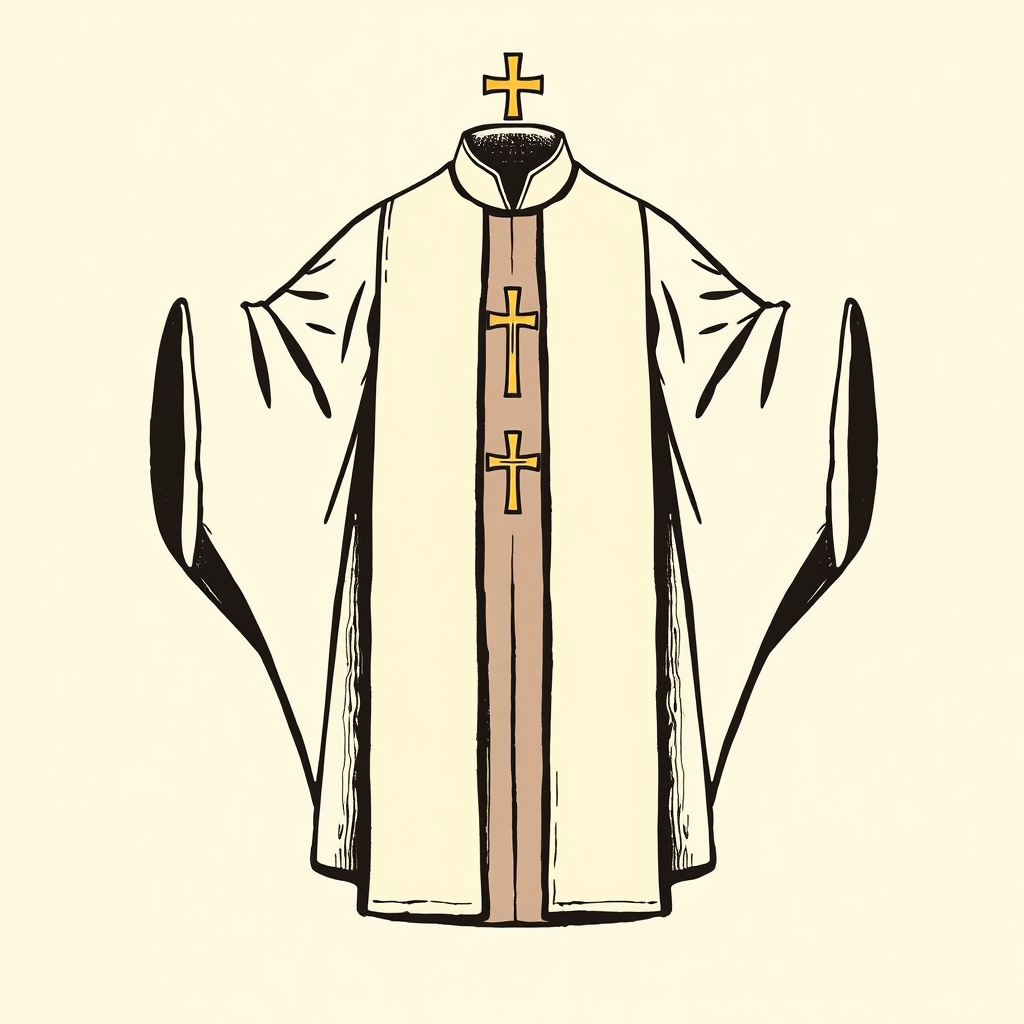
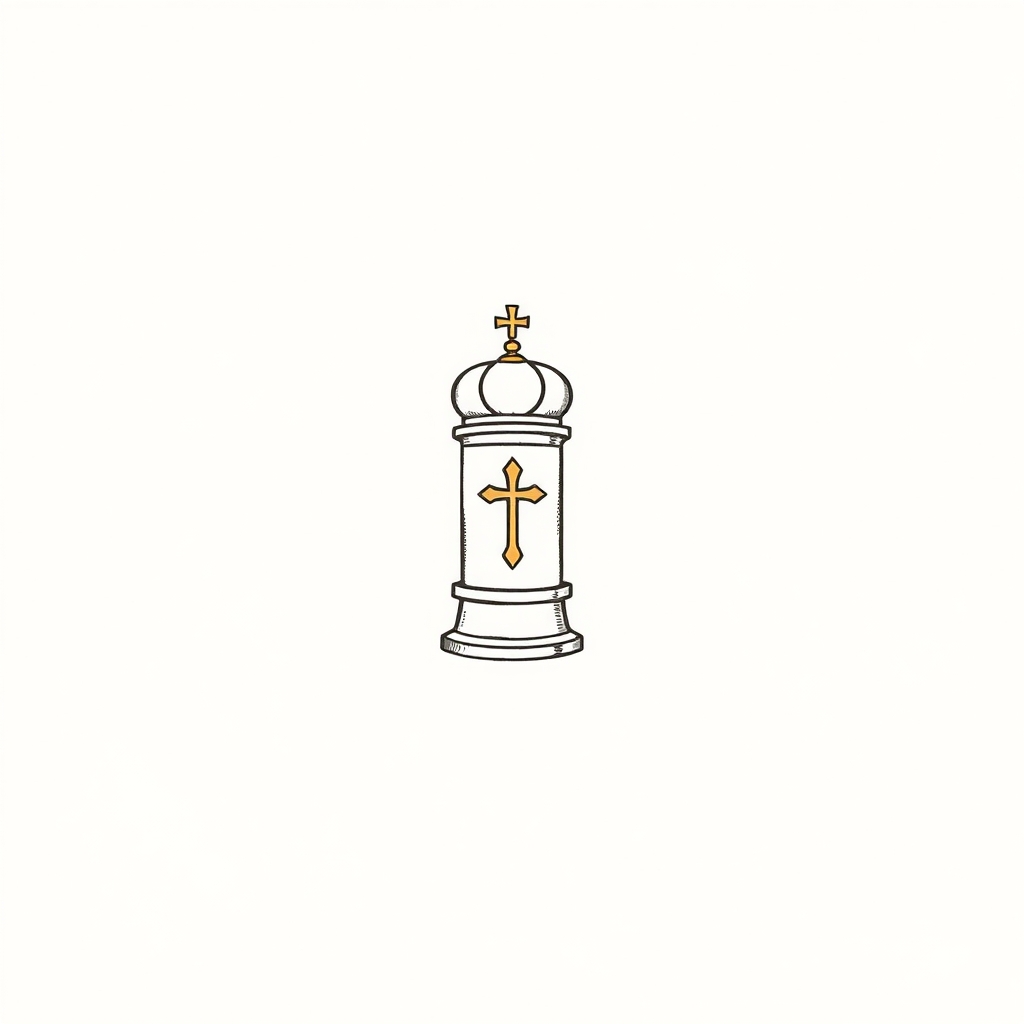
In iconography, Saint Patern the Elder is recognizable by: episcopal vestments and silver head (reliquary).
What miracles are attributed to Saint Patern the Elder?
3 miracles are attributed to this saint, notably: Sign / wonder, Exorcism and Healing.
Which saints were contemporaries of Saint Patern the Elder?
Contemporaries include: Saint Augustine of Hippo, Saint Honoratus of Arles, Saint James of Tarentaise and Saint Jerome of Stridon.
When did Saint Patern the Elder die?
Saint Patern the Elder died around 500.
What are the other names of Saint Patern the Elder?
Other forms of the name: Paternus.
Who are the relatives of Saint Patern the Elder?
Relatives of Saint Patern the Elder: Famille gallo-romaine noble (parents).
Annexes & related entities
Structured data for exploration: events, miracles, quotes, places, attributes, patronages, and important entities cited in the text.
Key Events
- Born in Armorica around 420
- Departure for Great Britain and election as abbot
- Mission to Hibernia to reconcile two kings
- Return to Armorica and appointment as the first bishop of Vannes
- Participation in the Council of 405 (date disputed by the text)
- Foundation of a hermitage near Vannes
- Resignation from his episcopal see during a provincial synod
- Retirement and death in the interior of Gaul