
Margaret Mary Alacoque
A nun of the Visitation at Paray-le-Monial, Margaret Mary Alacoque (1647-1690) received the great apparitions of the Sacred Heart of Jesus and was the principal propagator of this devotion.
Contemporaries

Figures and markers around the normalized period for this entry.
Guided reading
5 reading sections
Biography
Born in Burgundy in 1647, Marguerite-Marie Alacoque experienced a childhood marked by piety and trials before entering the Visitation convent of Paray-le-Monial.
Marguerite Alacoque was born on July 22, 1647, in Verosvres, in the hamlet of L'Hautecour, in Burgundy, and was baptized on the following July 25. She was one of the children of Claude Alacoque, a royal notary, and Philiberte Lamyn, a family of good standing. According to the tradition reported by hagiographic sources, she manifested a marked religious sensitivity at a very young age and is said to have consecrated herself to God through a vow of chastity during her childhood. The death of her father in 1655 plunged the family into difficulties, as the estate fell under the control of relatives, which caused the young girl painful years. After a period of hesitation regarding her vocation, she entered the monastery of the Visitation of Holy Mary in Paray-le-Monial on May 25, 1671, receiving the name Sister Marguerite-Marie, and pronounced her vows there in November 1672. It was in this convent that she spent the rest of her life, notably holding the position of mistress of novices. She died there on October 17, 1690, at the age of forty-three.
Life and Work
Between 1673 and 1675, Marguerite-Marie received the "great apparitions" of the Sacred Heart, of which she became the messenger, supported by the Jesuit Claude de la Colombière.
The work of Marguerite-Marie is inseparable from the series of revelations she declared having received at Paray-le-Monial between December 27, 1673, and June 1675, known as the "great apparitions." During these, Christ reportedly showed her his Heart, the source of a love misunderstood by men, and entrusted her with the mission of spreading this devotion. According to the accounts from her own writings, he asked her in particular for the reparatory communion on the first Fridays of the month, the practice of the "Holy Hour," and the institution of a liturgical feast of the Sacred Heart, set for the Friday after the octave of Corpus Christi. The announcement of these mystical experiences initially sparked misunderstanding and distrust within her community. The turning point came in 1675 with the arrival at Paray-le-Monial of the Jesuit Claude de la Colombière, who became her confessor, recognized the authenticity of her interior states, and encouraged her to record her experiences in writing. This support was decisive for the gradual spread of the devotion to the Sacred Heart, first within the monastery, and then far beyond.
Journey toward holiness
Her spirituality, centered on the love of the Heart of Christ, reparation, and abandonment, bears witness to a life of humility and obedience that was often tested.
The holiness of Margaret Mary unfolded within the austere framework of the Visitandine life, founded by Saint Francis de Sales and Saint Jane Frances de Chantal upon humility, gentleness, and abandonment to the will of God. Her spirituality focuses on the love of the Heart of Jesus and on the idea of reparation: responding with love to love that is unrecognized and offended. Sources emphasize the interior trials and contradictions she endured, both from some of her sisters and in the physical sufferings she accepted. Her correspondence reveals a doctrine of self-forgetfulness and trust: "By forgetting yourself, you will possess Him; by abandoning yourself to Him, He will possess you," she wrote to a nun. This path of humility and self-effacement, combined with the intensity of her life of prayer, established her reputation for holiness, which spread after her death as the devotion she was commissioned to promote became more widely known.
Beatification and canonization
Beatified in 1864 by Pius IX and canonized in 1920 by Benedict XV, she is celebrated on October 16.
The process for the recognition of the holiness of Margaret Mary led to her beatification, pronounced on September 18, 1864, by Pope Pius IX. Sources report that during the investigation of the cause, her body was examined and certain elements were judged to be remarkably preserved nearly two centuries after her death. She was subsequently canonized on May 13, 1920, by Pope Benedict XV, at a time when devotion to the Sacred Heart, of which she had been the privileged instrument, was experiencing widespread influence within the Catholic Church. Her liturgical memorial is today celebrated on October 16; it was fixed on October 17 before the calendar reform of 1969, a date still observed in the Order of the Visitation. Her body is venerated in the Chapel of the Apparitions at the Visitation Monastery of Paray-le-Monial, which has become one of the major pilgrimage sites linked to the Sacred Heart.
Spirituality and heritage
Marguerite-Marie is at the origin of the modern form of the devotion to the Sacred Heart, which deeply marked Catholic piety and made Paray-le-Monial a major sanctuary.
The legacy of Marguerite-Marie Alacoque is above all that of the devotion to the Sacred Heart of Jesus in its modern form, which she contributed decisively to making known. Her writings, including an account of her life written out of obedience, nourished the spread of this piety, continued by the Jesuits—notably in the work of Jean Croiset published in 1691. The feast of the Sacred Heart, which she said she received a mission to promote, was granted to certain Churches in 1765 and then extended to the entire Latin Church in 1856. Paray-le-Monial, where she lived and died, has become an international sanctuary of the Sacred Heart, a place of pilgrimages and gatherings. Her name remains closely associated with that of Saint Claude de la Colombière, her spiritual director. The reparatory spirituality she championed—communion on the first Fridays, consecration to the Heart of Christ, the Holy Hour—has durably marked Catholic devotion of the 19th and 20th centuries.
Iconography
Signs and attributes
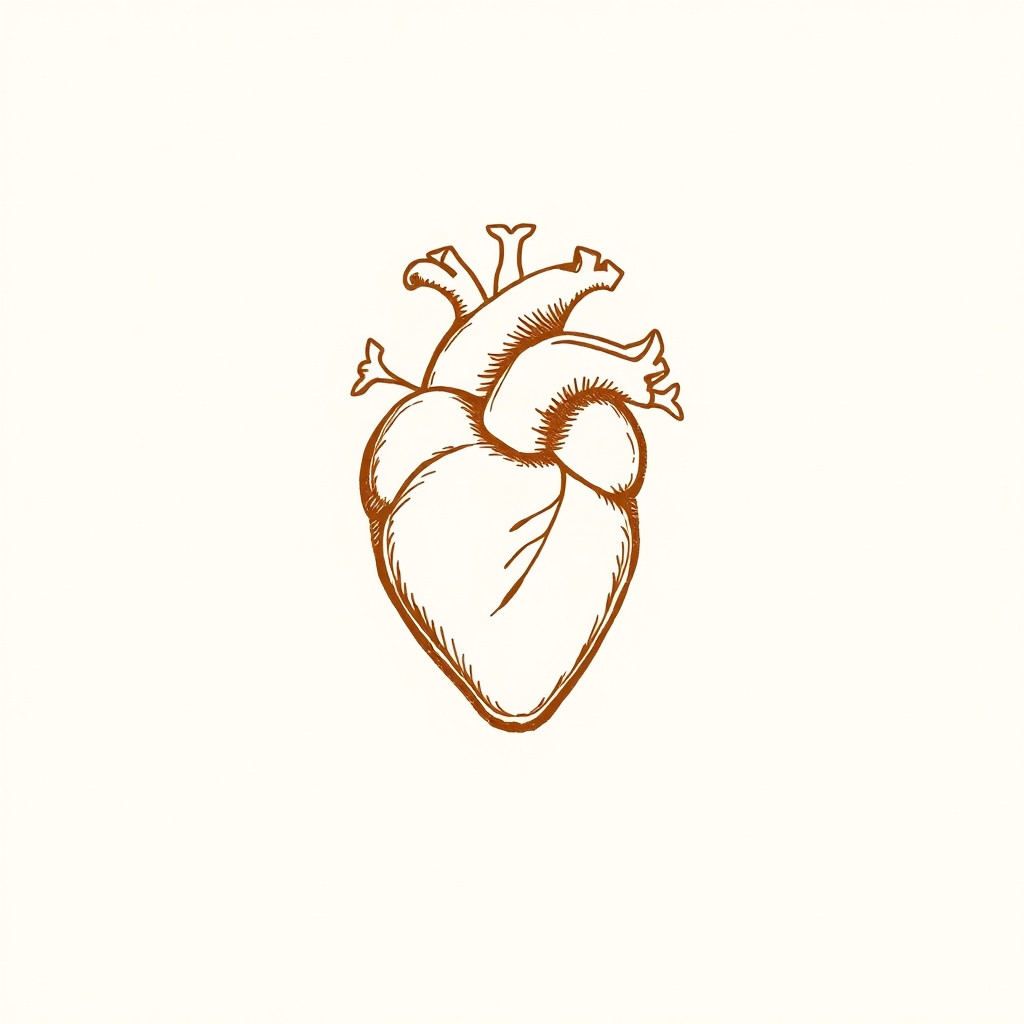
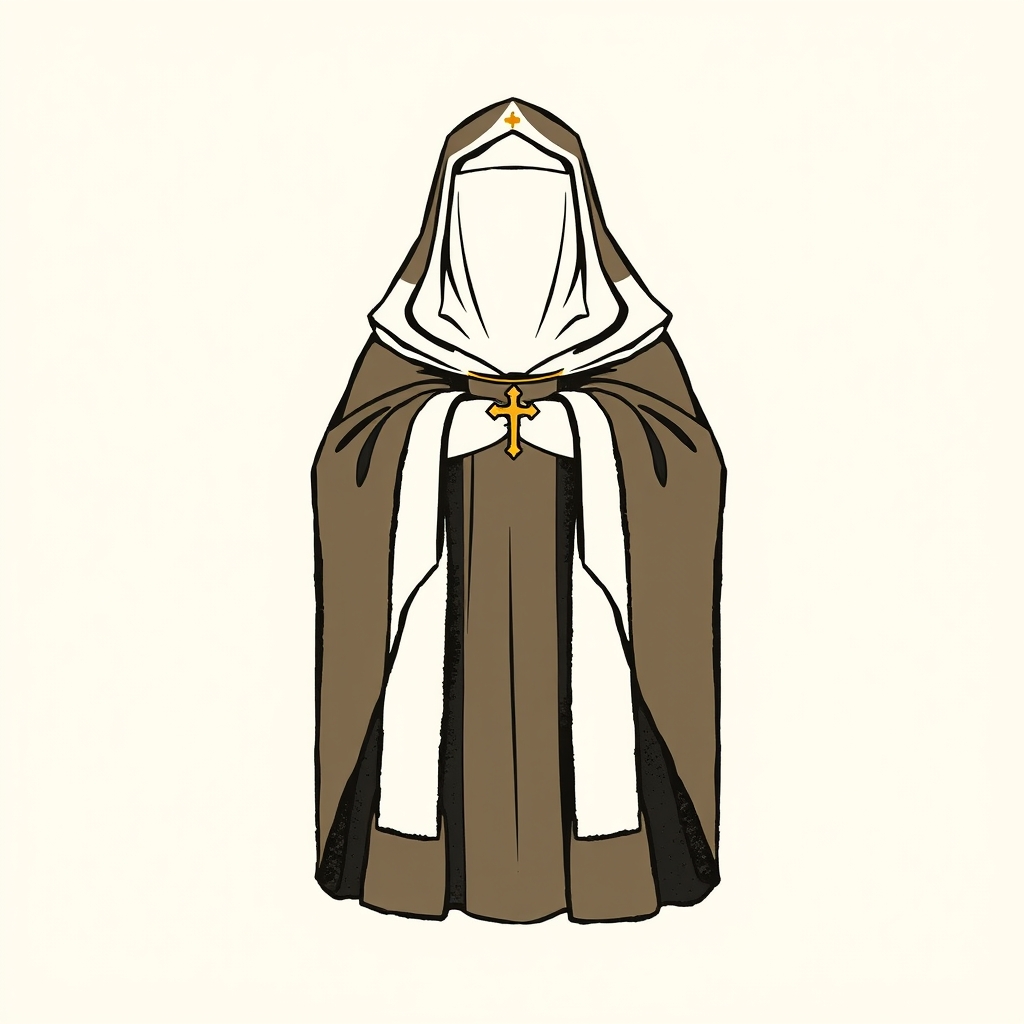
Frequently asked questions about Margaret Mary Alacoque
Who was Margaret Mary Alacoque?
A nun of the Visitation at Paray-le-Monial, Margaret Mary Alacoque (1647-1690) received the great apparitions of the Sacred Heart of Jesus and was the principal propagator of this devotion.
How is Margaret Mary Alacoque depicted in Christian art?
In iconography, Margaret Mary Alacoque is recognizable by: Heart of Jesus and Visitation habit.
Which saints were contemporaries of Margaret Mary Alacoque?
Contemporaries include: María de Jesús López Rivas, Mariana de Jesús de Paredes, Blessed Mariana de Jesús (de Paredes y Flores) and Saint Francis de Sales (Bishop and Prince of Geneva).
When did Margaret Mary Alacoque die?
Margaret Mary Alacoque died around 1690.
What are the other names of Margaret Mary Alacoque?
Other forms of the name: Margherita Maria Alacoque and Margarita María de Alacoque.
Who are the relatives of Margaret Mary Alacoque?
Relatives of Margaret Mary Alacoque: Claude Alacoque (father) and Philiberte Lamyn (mother).
Annexes & related entities
Structured data for exploration: events, miracles, quotes, places, attributes, patronages, and important entities cited in the text.
Key Events
- Era / death: 1690
- Canonized in 1920 by Benedict XV
Quotes
-
By forgetting yourself, you will possess Him; by abandoning yourself to Him, He will possess you.
https://nominis.cef.fr/contenus/saint/2028/Sainte-Marguerite-Marie-Alacoque.html