
Saint Asterius
A nobleman from Périgord born in the 6th century, Saint Astier trained under Saint Cybard before converting his pagan family. He lived as a hermit in a cave, practicing prayer and weaving baskets. His sanctity was illustrated by the healing of a princess and the miracle of the bells ringing on their own at his death.
Contemporaries

Figures and markers around the normalized period for this entry.
Guided reading
6 reading sections
SAINT ASTIER, HERMIT IN PÉRIGORD (circa 640).
Origins and religious formation
Born around 560 into a noble pagan family of Périgord, Astier was instructed by a Christian tutor before joining Saint Cybard in Angoulême to become a monk.
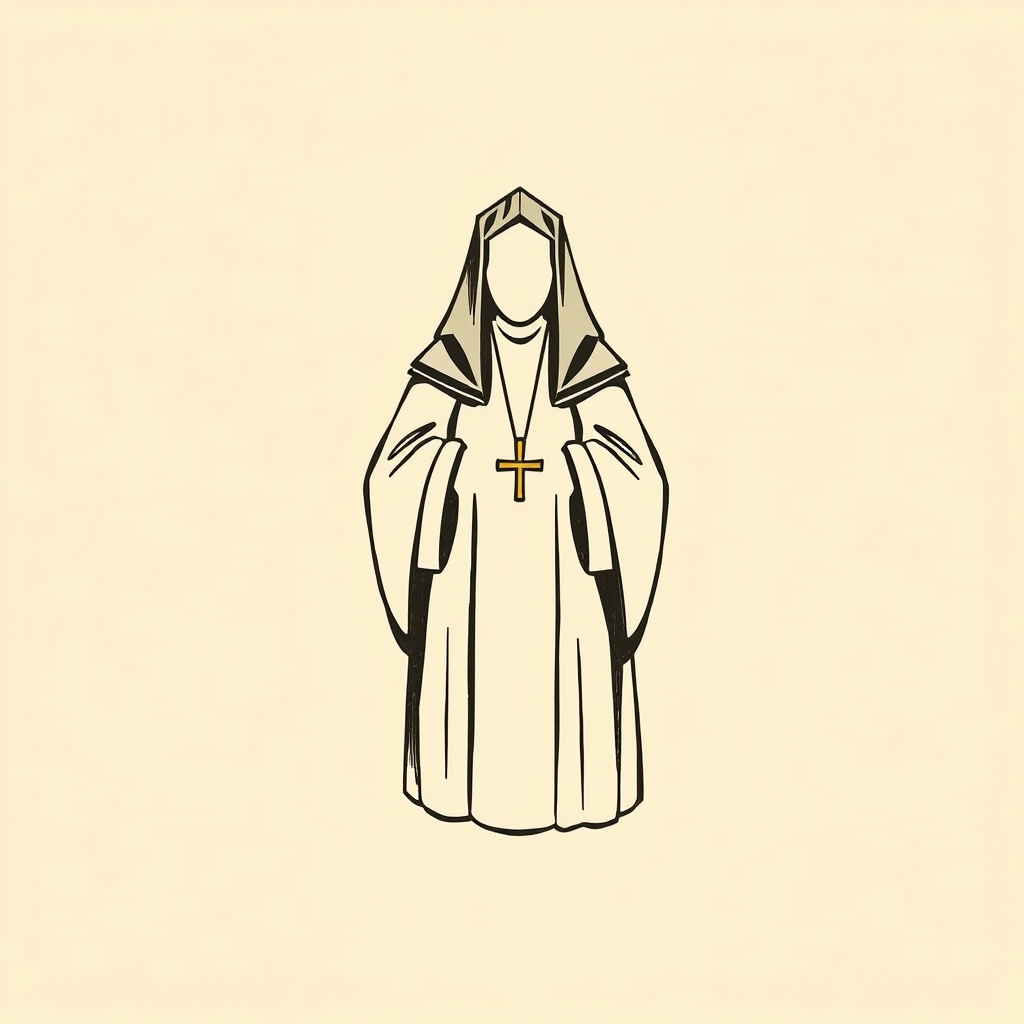
Saint Astier was born three leagues fr om Périgu eux (Dordogne), at the castle of Puy-d e-Pont, to a noble and illustrious, yet pagan, family. This was around the year 560, towards th e end of t he reign of Chilperic. His parents gave him a Christian tutor, who instructed him not only in the sciences and letters, but primarily in piety. He was barely fifteen years old when, under the influence of his religious teacher, he went to Angoulême to place himself under the direction of Saint Cybar d, who was from Périgord like him and even his relative, says an old historian. The latter received him with great kindness. At the school of such a perfect master, the young Astier made astonishing progress; he soon received baptism and did not delay in donning the black habit of the religious of the monastery, which Saint Cybard led.
Return and conversion of his family
Warned by an angel, he returned to Périgord at the age of twenty to convert and baptize his parents before retiring into the solitude of a cave.
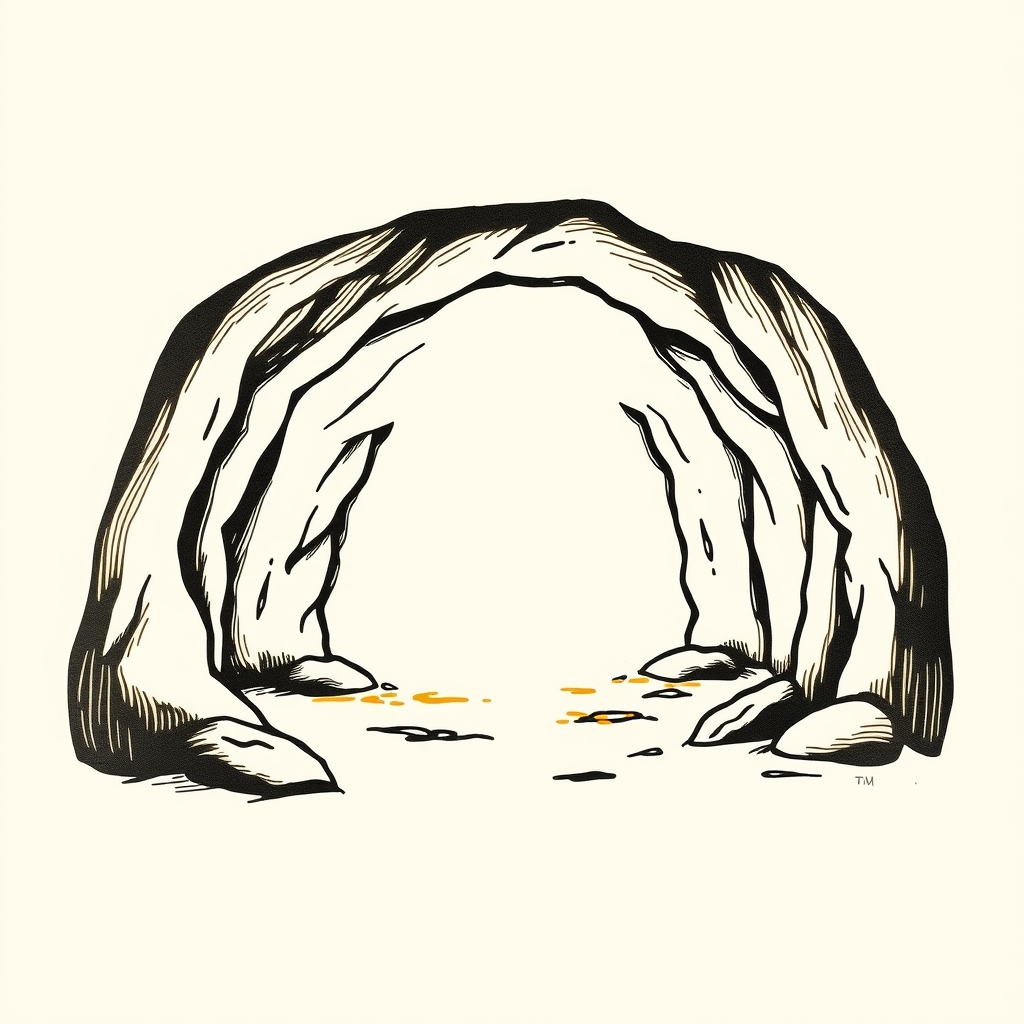
In this new condition, he was happy and would never have thought of leaving his new master, had an angel from heaven not come to warn him to return to the land of Périgord to convert his idolatrous parents to the faith. He immediately obeyed this heavenly voice and, after shedding abundant tears, he embraced his holy director and returned to the places that saw his birth. He was still only twenty years old. His habit of penance, his austerities, and even more so, his words full of charity changed the hearts of his parents; he had the happiness of baptizing his entire family, and after such a success, he retired to a remote place, where a cave served as his dwelling; it is there that he spent the rest of his days in the exercises of prayer and penance.
Eremitic life and miracles
Living on roots and water in contemplation, he made baskets with his disciple Aquilin while attracting crowds through his holiness and his healings.
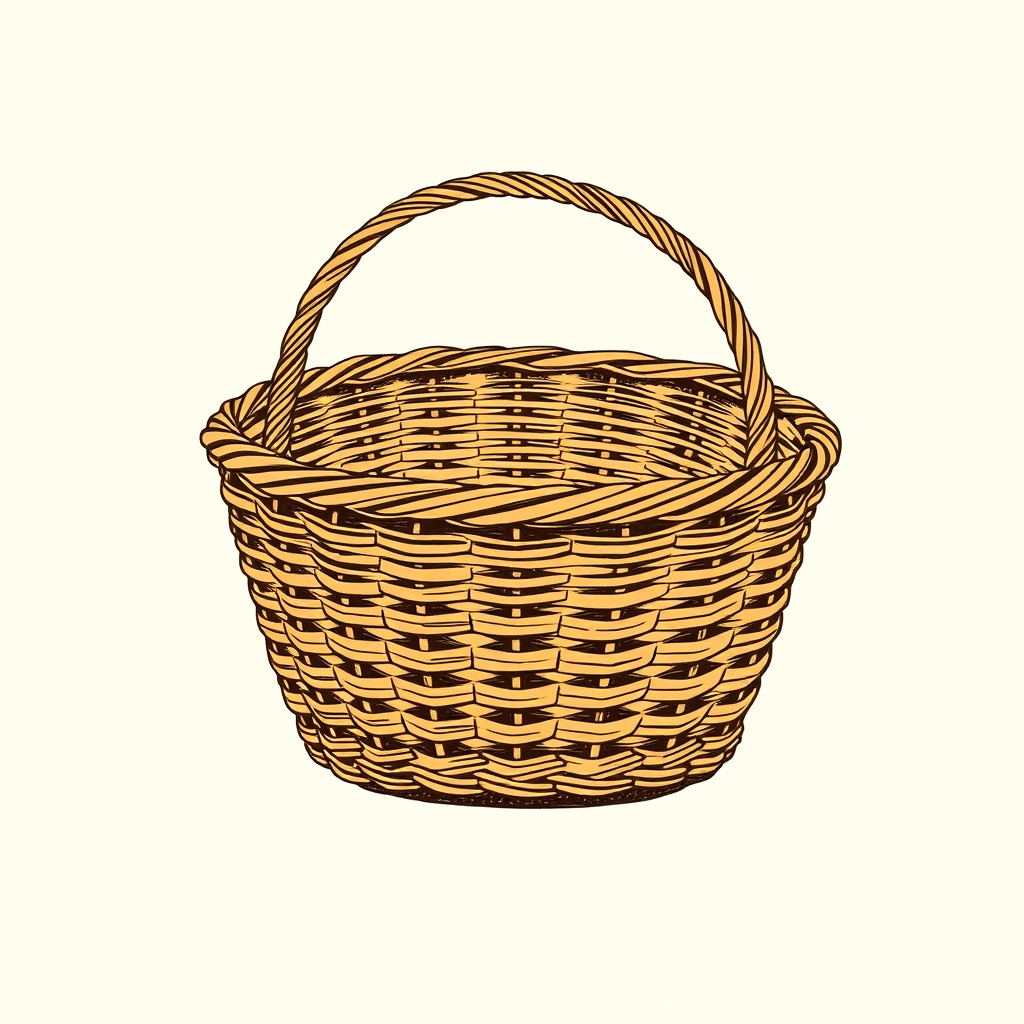
The love of solitude was his attraction and his vocation: removed from the commerce of men, separated from worldly influences, seeking silence and recollection, he gave himself over to mortification; wild herbs and roots were his food; he drank the water of a nearby fountain and lived, like the angels, in contemplation. His life was not idle: he worked with his hands and made baskets, which his disciple, Saint Aquilin, would go to sell at the neigh boring fairs. However, the radiance of his admirable holiness and the fame of his miracles spread far and wide, and crowds came to visit him to ask for his advice, or to obtain the healing of their ailments.
The healing of the princess
Astier miraculously heals an infirm princess who, in gratitude, converts and has a church built dedicated to Saint Peter.
One day, a princess, a fflicted with an incurable disease, had herself brought before the holy wonder-worker; she could not stand on her feet, and had to be transported on her bed. The servant of God said to her: "Madam, arise, and be healed in the name of Jesus Christ." The princess was immediately restored; he did even better, he converted her to the faith and gave her holy baptism. To show her gratitude, she had a beautiful church built in that place in honor of Saint Peter, which she endowed with sufficient income for its maintenance and service.
Death and miraculous signs
He died at the age of eighty; at the moment of his passing, the bells rang of their own accord, inspiring the coat of arms of the town of Saint-Astier.
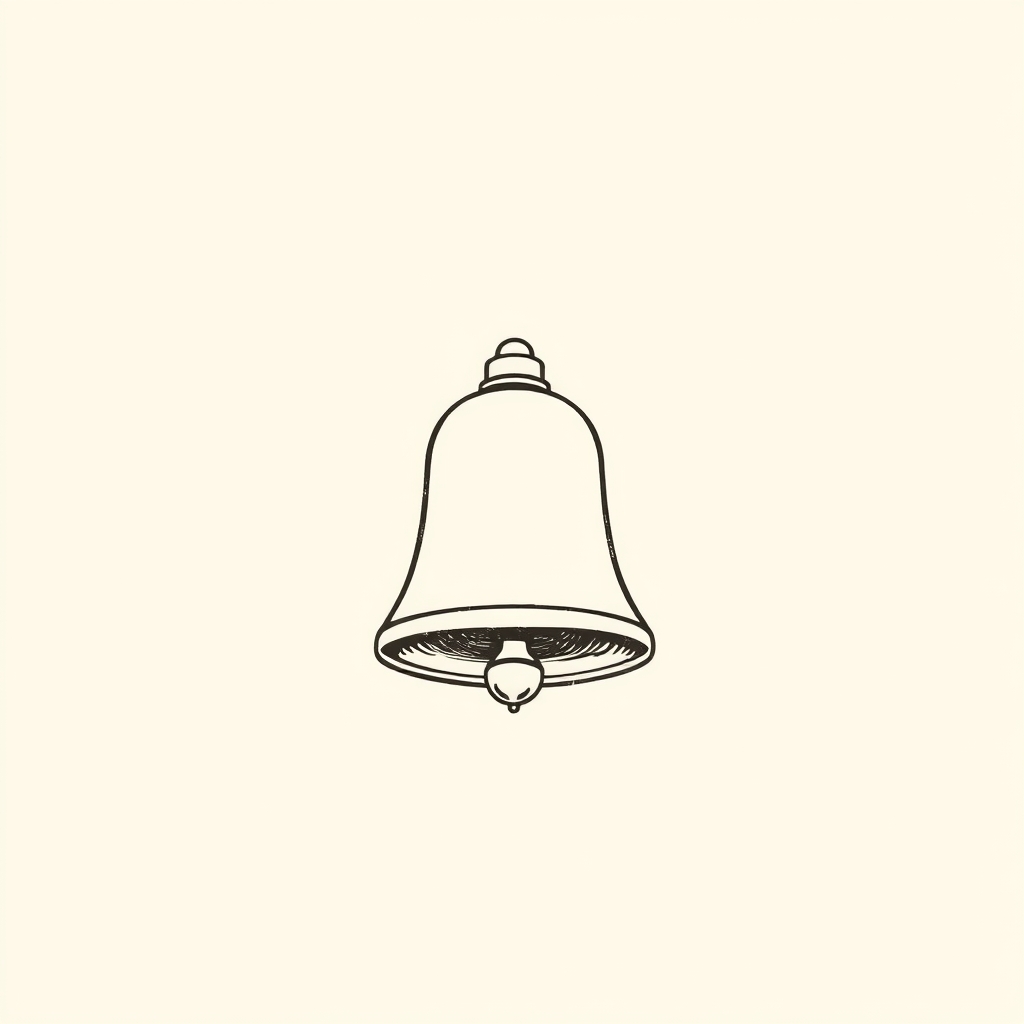
Saint Astier lived for many days; in his eightieth year, God made it known to him that his final hour had come; he received the sacraments of the Church, made the sign of the cross over his body, and rendered his spirit to his Creator, while pronouncing the final words of Jesus Christ on the cross: "Lord, into your hands I commend my spirit." It was the 4th of October. He wished to be buried in the church that the princess had caused to be built, before the altar of Saint Fron t, the first bishop of Périgueux, who was the great Saint of his devotion. At the moment of the Saint's death, all the bells of the hermitages and chapels in the vicinity rang all by themselves; this miracle gave rise to the coat of a rms of the town of Sa int-Astier (Dordogne), and to those of the family of the same name. The coat of arms of the town of Saint-Astier is: Gules, a bell or, clapper argent.
Sources and documents
The life of the saint is documented by ancient offices and manuscripts published by scholars such as Father Aubertin in the 17th century.
We owe this notice to the kindness of the Very Reverend Father Carles, of the Calvary of Toulouse. — The ancient office, which was once sung in honor of the Saint in the collegiate church of Saint-Astier, is found in the library of the city of Périgueux. It is a bound 12mo volume, printed in Paris, by Muguet, in 1684, with the approval of Mgr Le Doux, Bishop of Périgueux. — The Life of Saint Astier was published from an old manuscript by Father Aubertin, prior of the Abbey of Estival, of the Premonstratensian Order (Nancy, by Charlot, 1656).
Iconography
Signs and attributes
Entities
Narrative network
The names, places, and concepts most present in the entry, weighted by centrality in the text.
The supernatural in their life
The miracles of Saint Asterius
Frequently asked questions about Saint Asterius
Who was Saint Asterius?
A nobleman from Périgord born in the 6th century, Saint Astier trained under Saint Cybard before converting his pagan family. He lived as a hermit in a cave, practicing prayer and weaving baskets. His sanctity was illustrated by the healing of a princess and the miracle of the bells ringing on their own at his death.
What is Saint Asterius the patron saint of?
Patronage of Saint Asterius: Saint-Astier (Dordogne).
What is Saint Asterius invoked for?
Saint Asterius is invoked for: healing of incurable diseases and paralysis.
How is Saint Asterius depicted in Christian art?
In iconography, Saint Asterius is recognizable by: black religious habit, bell, wicker baskets and cave.
What miracles are attributed to Saint Asterius?
2 miracles are attributed to this saint, notably: Healing and Sign / wonder.
Which saints were contemporaries of Saint Asterius?
Contemporaries include: Saint Priest (Prix), Saint Gregory the Great (Pope and Doctor of the Church), Saint Die (Didier, Deodat) and Saint Augustine of Canterbury.
When did Saint Asterius die?
Saint Asterius died around 640.
Who are the relatives of Saint Asterius?
Relatives of Saint Asterius: Parents (anonymes) (parents) and Saint Cybard (parent and spiritual master).
Annexes & related entities
Structured data for exploration: events, miracles, quotes, places, attributes, patronages, and important entities cited in the text.
Key Events
- Born at the Château de Puy-de-Pont around 560
- Education by a Christian tutor
- Entered the monastery of Saint Cybard in Angoulême at age 15
- Returned to Périgord at age 20 to convert his family
- Retirement to a cave for a hermit's life
- Miraculous healing of a princess
- Died at the age of 80
Quotes
-
Lord, into your hands I commend my spirit
Reported last words