
Blessed Roger le Fort
Born at the Château de Ternes, Roger le Fort was elected Bishop of Orléans in 1321 almost by chance following a jest during the chapter. Recognized for his wisdom and holiness, he successively occupied the sees of Limoges and Bourges. He died in 1367 at the age of ninety after a long episcopate marked by his piety toward the Virgin.
Contemporaries

Figures and markers around the normalized period for this entry.
Guided reading
5 reading sections
BLESSED ROGER LE FORT,
Origins and formation
Roger le Fort was born at the castle of Ternes in the Marche. The nephew of a cardinal, he taught at the University of Orléans and became dean of the Church of Bourges.
Blessed Roger was bo rn at the castle o f Ternes, in the Marche; Guillaum e d e La Chapelle, Archbisho p of Toulouse and cardinal, was his uncle. He had taught at the University of Orléans, and at the time of his promotion he belonged to the Church o f Bourges in the capacity of dean. The manner in which he was elected deserves to be recounted.
A Providential Election
While joking about his own candidacy during a tumultuous election, Roger is unanimously elected Bishop of Orléans, despite his own protests.
On the day the clergy and the people were to proceed with the election, the blessed Roger happened to be in the church, and he was able to observe the scandalous eagerness with which the canons were agitated, unrestrained by the fear of the duties and difficulties inherent in the episcopate. It is reported that, in a joking tone, he said to one of them who was entering the Chapter: "And I too would wish that the lords electors would remember me for the present matter." The canon immediately carried the remark to the assembly; the improvised candidate immediately won all the votes. Then the president, who had long known the merit and worth of Roger, stood up and said to the electors: "My brothers, heaven and earth are witnesses that you have chosen and requested Lord Roger as bishop. As for me, in accordance with your opinion, I declare, in the name of the Father, and of the Son, and of the Holy Spirit, that he whom your wishes designate must indeed be the Pontiff of this city, for he is a man of angelic countenance, of eminent holiness and wisdom. Be convinced that this is how the Holy Spirit Himself judges, to whom you could not resist without rendering yourselves guilty." After this address, Roger was unanimously elected Bishop of Orléans. N ow, while the ca nons were casting their votes, the servant of God, frightened by the turn things were taking, began to protest and say that he in no way aspired to such an honor, that the words that had fallen from his lips were not serious, and that they were strangely mistaken if they believed he was fit for episcopal functions. Nevertheless, the voice of the people came to ratify the choice of the Chapter, and the elect had to bow before the will from above.
Confirmation and consecration
The election was confirmed by Pope John XXII in May 1321, followed by his consecration in June of the same year.
The Vatican registers attest that Roger was presented to the Apostolic Chamber on May 13, 1321. Jo hn XXII c onfirmed his election. His consecration took place on June 13 of the same year, as well as the release of the regalia.
Episcopal acts and devotion
Roger conducted monastic visitations at Saint-Mesmin and Longpont, and established the feast of the Conception of the Virgin in his diocese.
In 1324, the Blessed Roger spent several days at the abb ey of Saint-Mesmin. Th e same year, he elevated the feast of the Conception of the Blessed Virgin to an annual rite, and the following year, by virtue of an apostolic commission, in concert with the Archbishop of Vienne, he c onducted a visitation of the monastery of Longpont.
Succession of sees and death
After occupying the sees of Limoges and then Bourges, he died in 1367 at the age of ninety.
Roger le Fort was transferred to Limoges and then to the patriarchal see of Bou rges. He died in 1367, at the age of ninety, on August 5, according to the martyrology of Orléans.
Excerpt from The Bishops of O rléans, by V . Pelletier.
Iconography
Signs and attributes
Entities
Narrative network
The names, places, and concepts most present in the entry, weighted by centrality in the text.
Frequently asked questions about Blessed Roger le Fort
Who was Blessed Roger le Fort?
Born at the Château de Ternes, Roger le Fort was elected Bishop of Orléans in 1321 almost by chance following a jest during the chapter. Recognized for his wisdom and holiness, he successively occupied the sees of Limoges and Bourges. He died in 1367 at the age of ninety after a long episcopate marked by his piety toward the Virgin.
What is Blessed Roger le Fort the patron saint of?
Patronage of Blessed Roger le Fort: Orléans, Limoges and Bourges.
How is Blessed Roger le Fort depicted in Christian art?
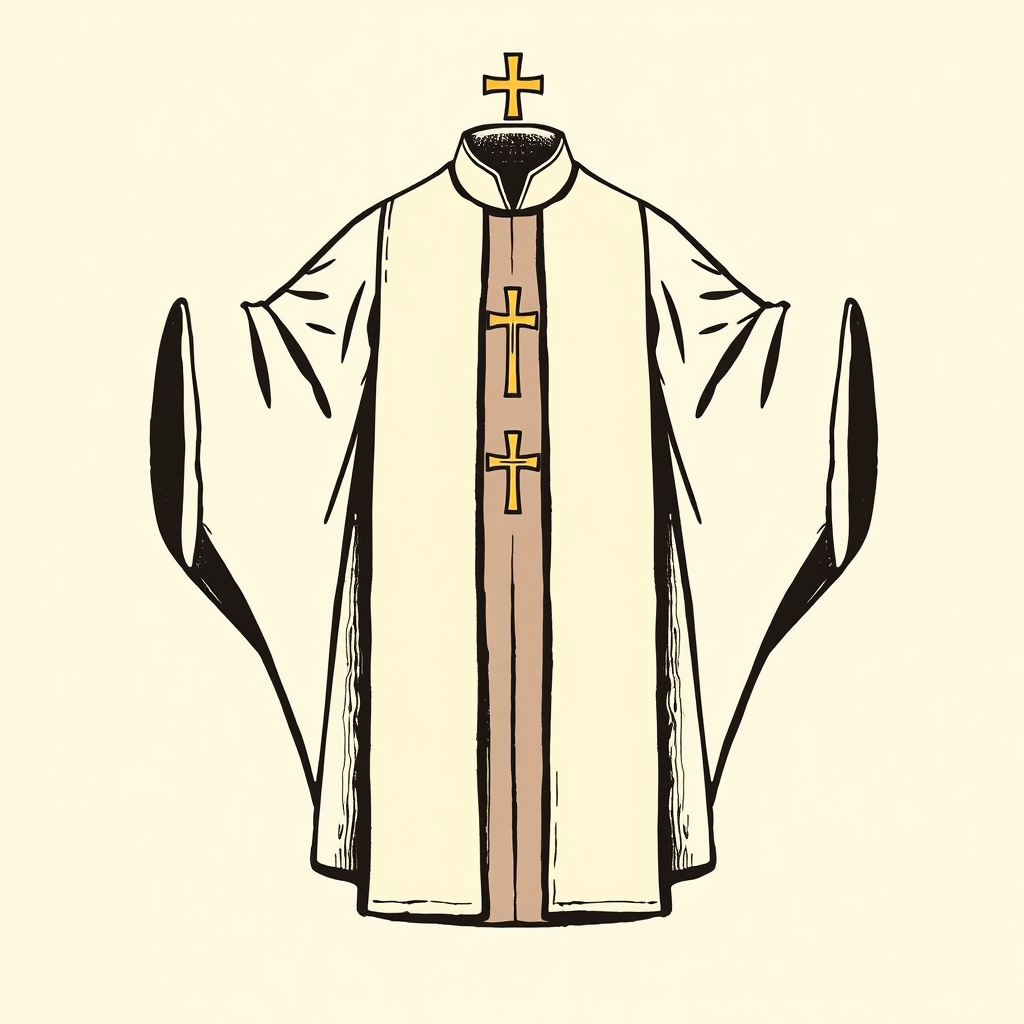
In iconography, Blessed Roger le Fort is recognizable by: episcopal vestments.
Which saints were contemporaries of Blessed Roger le Fort?
Contemporaries include: Saint Peregrinus of Auxerre, Saint Thomas Aquinas, Saint Francis of Assisi (Confessor) and Saint Colette (Nicole).
When did Blessed Roger le Fort die?
Blessed Roger le Fort died around 1367.
Who are the relatives of Blessed Roger le Fort?
Relatives of Blessed Roger le Fort: Guillaume de La Chapelle (uncle).
Annexes & related entities
Structured data for exploration: events, miracles, quotes, places, attributes, patronages, and important entities cited in the text.
Key Events
- Teaching at the University of Orléans
- Dean of the Church of Bourges
- Impromptu election to the bishopric of Orléans
- Presentation to the Apostolic Chamber on May 13, 1321
- Episcopal consecration on June 13, 1321
- Elevation of the feast of the Conception of the Blessed Virgin to an annual rite in 1324
- Transfer to the see of Limoges and then to the patriarchal see of Bourges
Quotes
-
And I too would wish that the electors would remember me for the present matter
Remark reported during the election