
Blessed Gelduin
A monk of Saint-Vincent de Laon and later abbot of Anchin in 1102, Gelduin distinguished himself by his great humility and administrative wisdom. A friend of Saint Anselm of Canterbury, he eventually resigned his office to return to solitude. He died in 1123 in Wales before his relics were partially brought back to France.
Contemporaries

Figures and markers around the normalized period for this entry.
Guided reading
6 reading sections
THE B. GELDUIN, ABBOT OF THE MONASTERY OF ANCHIN,
Foundation of the Abbey of Anchin
The Abbey of Anchin was founded and endowed with the agreement of Gerard, Bishop of Cambrai, who consecrated the church in 1086.
### IN THE DIOCESE OF CAMBRAI
a great edification. They built a monastery there which they endowed with their own revenues, with the assent of Gerard, Bishop of Cambrai and Arras. The latter consecrated the church in 1086, in honor of Our Lord Jesus Christ and the Blessed Virgin. He further showered it with considerable benefits, which was imitated by Hugh, Dean of Cambrai. The abbey belonged to the diocese and the county of Arras. The Abbot of Anchin held a seat and had the right to vote in the Estates of the province.
Vocation and humility of Gelduin
A monk at Laon, Gelduin initially refused the dignity of abbot in Thiérache out of humility before joining Anchin.
After Abbot Haymeric, who died in 1102, the religious of Anchin chose Gelduin, brother of Arnould, provost of the castle of Hesdin (Pas-de-Calais), to lead them. Nothing is known regarding his early years. Initially a simple monk at the monastery of Saint-Vincent du Mont, in Laon, he was subsequently named abbot of Saint-Michel in Thiérache. However, his great humility and the keen and persistent attraction he felt for a life of prayer and contemplation led him to refuse this dignity. It was then that he requested and obtained permission to retire to the abbey of Anchin, where he became for all the religious an accomplished example of regularity and virtue.
Government of the abbey
Elected abbot in 1102, he obtained the confirmation of his monastery's privileges from Pope Paschal II and the bishops at Reims.
His holy life and spirit of wisdom had made such a happy impression on all his brothers that, upon the death of Haymeric, they unanimously elected him to succeed him. The venerable religious refused for a long time, representing his incapacity and the extreme desire he had to continue this life of prayer and silence which constituted all his happiness. Obliged to yield and take up the government of the monastery, he discharged it with such great wisdom that all the hopes that had been conceived of him were fully realized. He obtained, whether from the bishops of the country gathered at Reims or from Pope Paschal II, the confirmation of the pious donations made to his monastery, as well as full and complete freedom for the religious of Anchin to elect, upon the death of the abbot, one of their brothers or some religious taken from another monastery of their choice, to replace him.
Connection with Saint Anselm
Gelduin maintained a regular correspondence with Saint Anselm of Canterbury regarding matters of spiritual administration.
It appears that the blessed Gelduin was in quite intimate relations with Saint Anselm, Archbishop of Canterbury, in England. One finds, among the letters of this illustrious prelate, a response to questions that had been proposed to him by the Abbot of Anchin concerning certain matters of spiritual or temporal administration of his community.
Retirement and end of life in Wales
Desiring solitude, he resigned, stayed at Saint-Bertin, and then retired to a priory in Wales where he died in 1123.
Amidst the multiplied cares and continuous occupations to which his office of abbot subjected him, the blessed Gelduin still found time to follow the pious attraction that drew him to meditation and recollection. Soon, he even felt compelled to resign his dignity, to resume the simple and austere life he had previously led at Laon. Despite all the entreaties that were made, he retired to the monastery of Saint-Bertin and began to practice religious observance there with the most scrupulous fidelity. The brothers of Anchin, who still lamented his departure, made new solicitations to recall him to the community he had directed with such wisdom; but nothing could ever shake the resolve of the humble Gelduin. Whether to avoid such entreaties, or for other reasons that remain unknown, he decided, shortly thereafter, to cross into England. There, by the counsel and support of his illustrious friend Saint Anselm, he retired to the priory of Saint-Magulphe or Machut, located in Wales, which depended on the abbey of Anchin. It was in this place, where his pious soul surrendered with delight to the contemplation and meditation of heavenly things, that the blessed Gelduin peacefully awaited the hour of his passage to eternity. His death occurred in the year 1123.
Translation of the relics
Following a miracle at his tomb, a portion of his remains is transferred to the Abbey of Anchin.
The religious of Anchin, having heard reports from men worthy of faith that a miracle had occurred near his tomb, obtained that a portion of his remains be transported to their community. They were deposited in the chapel of Saint-Michel, along with the remains of several other holy abbots.
We have borrowed the substance of this notice from the Lives of the Saints of the dioceses of Cambrai and Arras, by the Abbé Destembes.
Additional passages recovered from the sources
These passages from Les Petits Bollandistes supplement the entry. The references identify their context in the original volume.
Read the supplementary notes and passages (3)
Note on the Abbey of Saint-Vincent of Laon
Historical supplement from Les Petits Bollandistes, transcribed from the image of the 19th-century edition. Traditions, assessments, and expressions describing a "current" situation are those of the source in its era; they do not constitute contemporary verification.
Or Saint-Vincent of Laon (Sanctus Vincentius Laudunensis, or Sanctus Christophorus Laudunensis). It was a monastery of the Order of Saint Benedict, founded in the year 580, in the city of Laon, under the invocation of Saint Vincent, martyr. Its foundation is attributed to Queen Brunehaut, widow of Sigebert I, King of Austrasia. Devastated by the Normans in the 9th century, it subsequently suffered greatly, whether from commendatory abbots or from Calvinists. Finally, in 1643, it repaired its ruins and flourished anew through its union with the Congregation of Saint-Maur.
Paul Guérin, Les Petits Bollandistes, volume 8, p. 9. Bibliothèque nationale de France : https://gallica.bnf.fr/ark:/12148/bpt6k307386
Note on the Abbey of Saint-Michel in Thiérache
Historical supplement to Les Petits Bollandistes, transcribed from the image of the 19th-century edition. Traditions, assessments and expressions describing a "current" situation are those of the source at its time; they do not constitute contemporary verification.
Saint-Michel en Thiérache (Sanctus Michael in Thieraschia, Aisne), was an abbey of the Order of Saint Benedict, in the former diocese of Laon, current diocese of Soissons, founded around the year 940 by the Blessed Maicalen the Irishman. This monastery united, in the year 1661, with the Reformed Congregation of Saint-Vannes. Ancient Thiérache forms today the northern part of the department of Aisne.
Paul Guérin, Les Petits Bollandistes, volume 8, p. 9. Bibliothèque nationale de France: https://gallica.bnf.fr/ark:/12148/bpt6k307386
Note on the Abbey of Saint-Bertin
Historical supplement from Les Petits Bollandistes, transcribed from the image of the 19th-century edition. The traditions, assessments and expressions describing a “current” situation are those of the source in its time; they do not constitute a contemporary verification.
Saint-Bertin (Sanctus Bertinus or Sithiu, Pas-de-Calais) is an ancient and illustrious abbey whose magnificent ruins can still be seen near the town of Saint-Omer. It was founded around the middle of the 7th century, under the invocation of Saint Peter. The Revolution brought down this holy house.
Paul Guérin, Les Petits Bollandistes, volume 8, p. 9. National Library of France: https://gallica.bnf.fr/ark:/12148/bpt6k307386
Iconography
Signs and attributes
Entities
Narrative network
The names, places, and concepts most present in the entry, weighted by centrality in the text.
The supernatural in their life
The miracles of Blessed Gelduin
Frequently asked questions about Blessed Gelduin
Who was Blessed Gelduin?
A monk of Saint-Vincent de Laon and later abbot of Anchin in 1102, Gelduin distinguished himself by his great humility and administrative wisdom. A friend of Saint Anselm of Canterbury, he eventually resigned his office to return to solitude. He died in 1123 in Wales before his relics were partially brought back to France.
What is Blessed Gelduin the patron saint of?
Patronage of Blessed Gelduin: Anchin Abbey.
How is Blessed Gelduin depicted in Christian art?
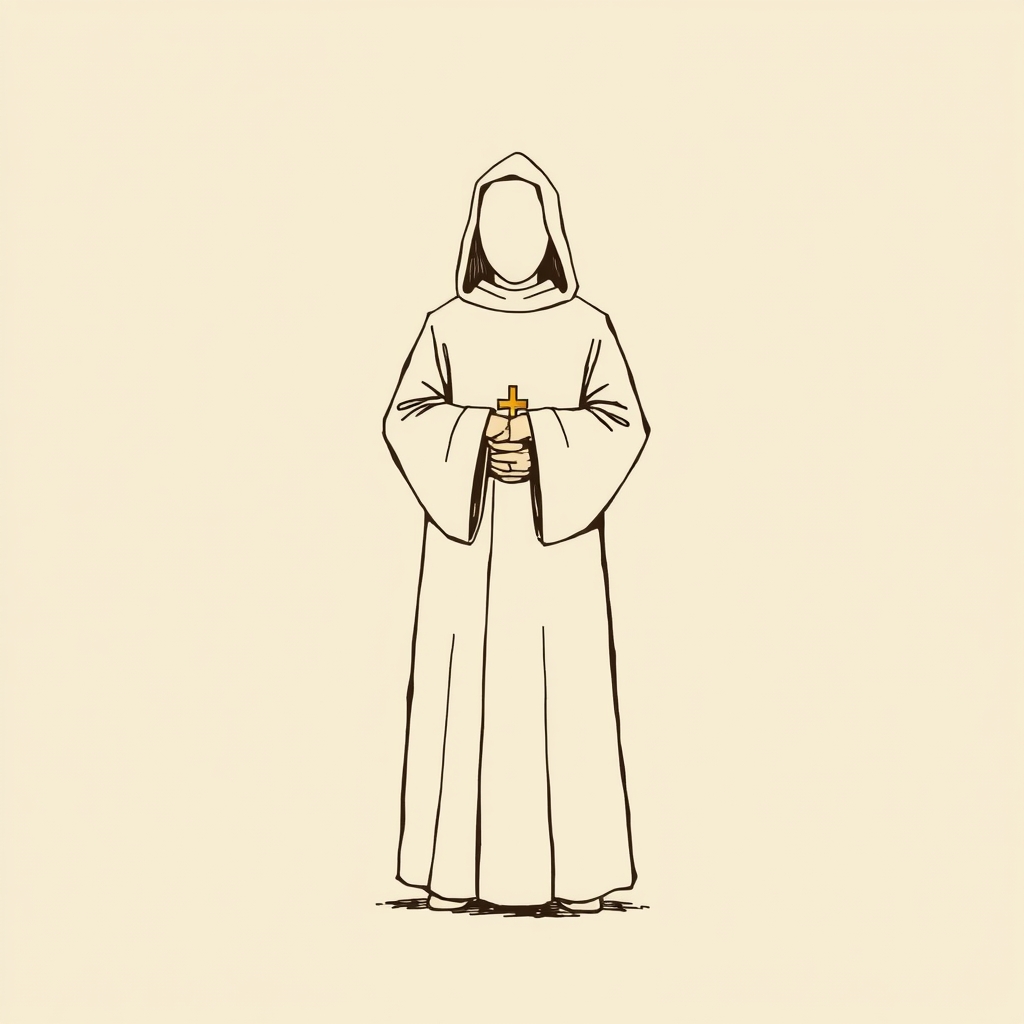
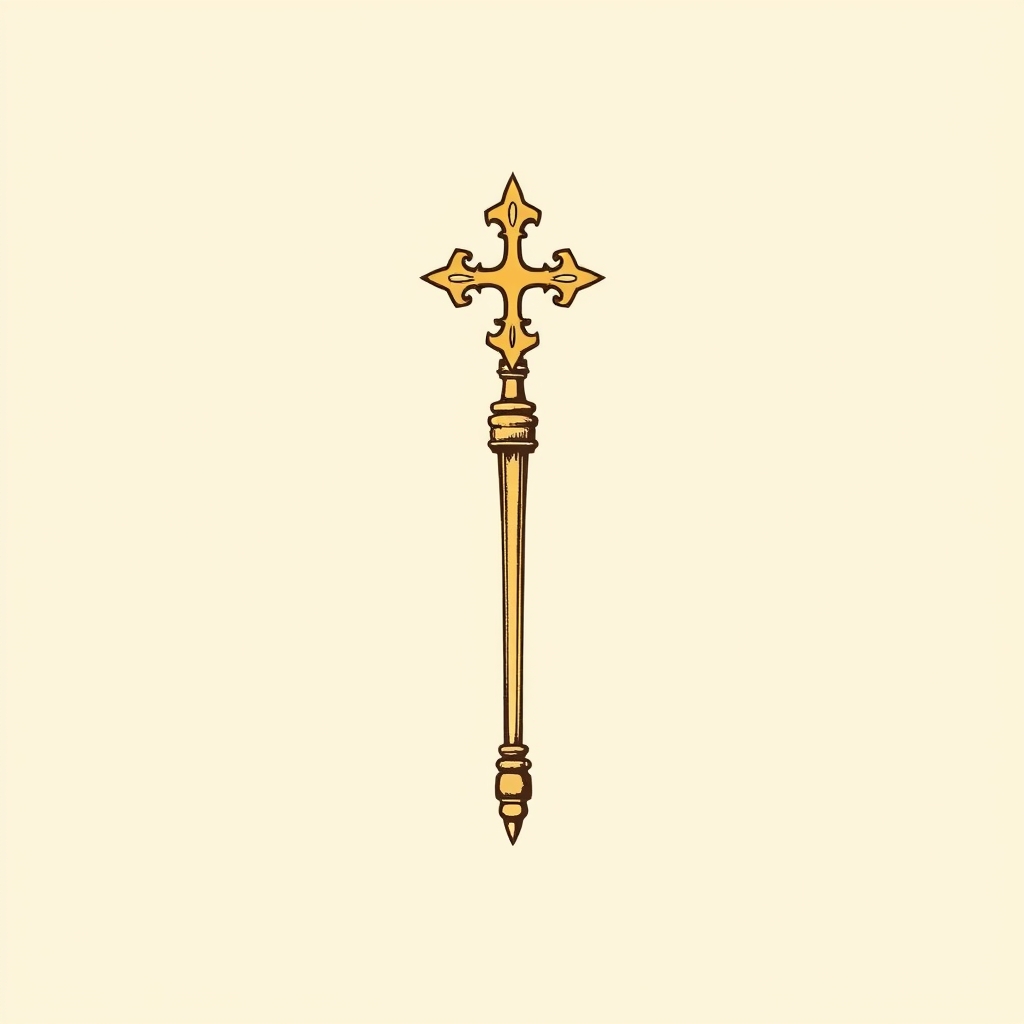
In iconography, Blessed Gelduin is recognizable by: monk's habit and abbot's crosier.
What miracles are attributed to Blessed Gelduin?
1 miracle are attributed to this saint, notably: Sign / wonder.
Which saints were contemporaries of Blessed Gelduin?
Contemporaries include: Saint Norbert of Magdeburg, Saint Stephen of Hungary, Saint Bernard of Clairvaux and Saint Arthaud of Belley.
When did Blessed Gelduin die?
Blessed Gelduin died around 1123.
Who are the relatives of Blessed Gelduin?
Relatives of Blessed Gelduin: Arnould (brother).
Annexes & related entities
Structured data for exploration: events, miracles, quotes, places, attributes, patronages, and important entities cited in the text.
Key Events
- Monk at the monastery of Saint-Vincent du Mont in Laon
- Appointed abbot of Saint-Michel en Thiérache (refused out of humility)
- Retirement to the Abbey of Anchin
- Elected Abbot of Anchin in 1102, succeeding Haymeric
- Obtained confirmations of privileges from Pope Paschal II
- Resigned from his position as abbot to retire to Saint-Bertin
- Departure for England and Wales
- Final retreat at the priory of Saint-Magulphe (or Machut)