
Saint Raoul of Bourges
Born into the Carolingian nobility, Raoul was Archbishop of Bourges from 840 to 866. A great reformer and diplomat, he participated in the major councils of his time and wrote an important Pastoral Instruction for his clergy. He is recognized as the first Archbishop of Bourges to hold the titles of Patriarch and Primate of the Aquitaines.
Contemporaries

Figures and markers around the normalized period for this entry.
Guided reading
5 reading sections
SAINT RAOUL, ARCHBISHOP OF BOURGES (866).
Origins and formation
Coming from the high Frankish nobility, Raoul received a religious education at Selignac before being raised to the archiepiscopal see of Bourges in 840.
Raoul was descended from the royal house of France and was a close relative of Wilfroy, Count of Bourges . His father was another Raoul, Count of Que rcy, L ord of Turenne, and lay abbot of Tulle, in lower Limousin. His mother was named Aigne, and his birth was no less illustrious. They entrusted the education of their son to a man of piety named Bertrand, who was abbot of Selignac, near Limoges. In 823, the young Raoul received the clerical tonsure and was thereafter abbot of a monastery hitherto unknown. His merit subsequently led to his elevation to the archiepiscopal see of Bourges, which he ascended in 840. What will soon be said of his writings shows with what solicitude he governed his Church. He even gave the peoples who were subject to him so many marks of both his prudence and his greatness of soul that he deserved to be regarded as the common father of the fatherland.
Conciliar and political activity
The prelate played a major role in the Gallican Church, participating in numerous councils and crowning the King of Aquitaine in 855.
Few significant events occurred in the Gallican Church during the episcopate of Raoul in which he did not have some part. In 845, he was present at the Council of Meaux, and three years later at that of Mainz, according to Trithemius. He also attended, in 850, the famous assembly of Savonnières, near Toul, and was chosen there, along with Remigius of Lyon, as a judge in the case of Wenilo of Sens. He was also present at the assemblies of Tousi in 860, and the two of Pîtres in 862 and 864. As early as 855, he crowned the young prince Charles, son of Charles the B ald, King of Aquitaine at Limoges.
Monastic foundations
Thanks to his personal wealth and royal favor, he founded and directed several abbeys in Berry, Limousin, and Quercy.
The latter, to better mark the friendship he bore for our prelate, gave him the abbe y of Fleury. Rao ul used his own wealth to found several other abbeys: Duvère or Divre, today Vierzon, in Berry; B ezulieu and Végennes, in Limousin; Sarrasac, in Quercy, for nuns. The last two were destroyed before the 18th century.
Titles and end of life
Recognized as patriarch and primate by Pope Nicholas I, he died in 866 and was buried in the church of Saint-Ursin.
Raoul is the first archbishop of Bourges known with certainty to have been decorated with the titles of patriarch and primate of the Aquitaines and the Narbonnaises. Pope Nicholas I , in responding to him regarding the validity of the ordinations of chorepiscopi and other points of discipline, recognized him directly as such. This is what led to him being named archbishop of the Aquitaines by Odo of Vienne. This holy Prelate, according to the same author, died in 866 and, as is believed, on the 21st of June. He was buried in the church of Saint-Ursin. A little less than a century after his death, Eustorge, bishop of Limoges, described him as a master of holy memory.
Pastoral and Written Work
Raoul left a Pastoral Instruction in forty-five articles aimed at reforming ecclesiastical discipline and the administration of penance.
There exis ts from Sai nt Raoul a type of Pastoral Instruction, which was not known to the public until the beginning of the 18th century. It is in the style and modeled after the Cap itularies of Theodu lf of Orleans, from which the author drew heavily, and those of other bishops of the same time (9th century). Saint Raoul addressed it to the priests of his diocese, whom he called his brothers and his co-workers in the holy ministry, and he only published it after having consulted them on what he established therein. The main goal that the holy Prelate proposed in this work was to revive, in a way, the spirit of the ancient canons among his clergy and to remedy certain abuses that had crept into his diocese. Ignorance and false Penitentials had especially caused much confusion there in the administration of penance. Our holy Archbishop therefore believed himself obliged to oppose this with this work, in which he collected, in forty-five articles or chapters, what seemed to him most appropriate to instruct his priests in their own duties and in what they should teach the people entrusted to their care. What he says there, he drew mainly from the Capitularies of our kings and from that of Theodulf. He also drew sometimes from the ancient councils, the decrees of the Popes, and the writings of the Fathers.
Some letters of Saint Raoul have been lost, notably the one to which Pope Nicholas I responded. It was a consultation by which he asked this Pontiff for clarifications on various points of discipline.
Dom Rivot, Hist. litt. de la France.
Iconography
Signs and attributes

Entities
Narrative network
The names, places, and concepts most present in the entry, weighted by centrality in the text.
Frequently asked questions about Saint Raoul of Bourges
Who was Saint Raoul of Bourges?
Born into the Carolingian nobility, Raoul was Archbishop of Bourges from 840 to 866. A great reformer and diplomat, he participated in the major councils of his time and wrote an important Pastoral Instruction for his clergy. He is recognized as the first Archbishop of Bourges to hold the titles of Patriarch and Primate of the Aquitaines.
What is Saint Raoul of Bourges the patron saint of?
Patronage of Saint Raoul of Bourges: Bourges and Vierzon.
How is Saint Raoul of Bourges depicted in Christian art?
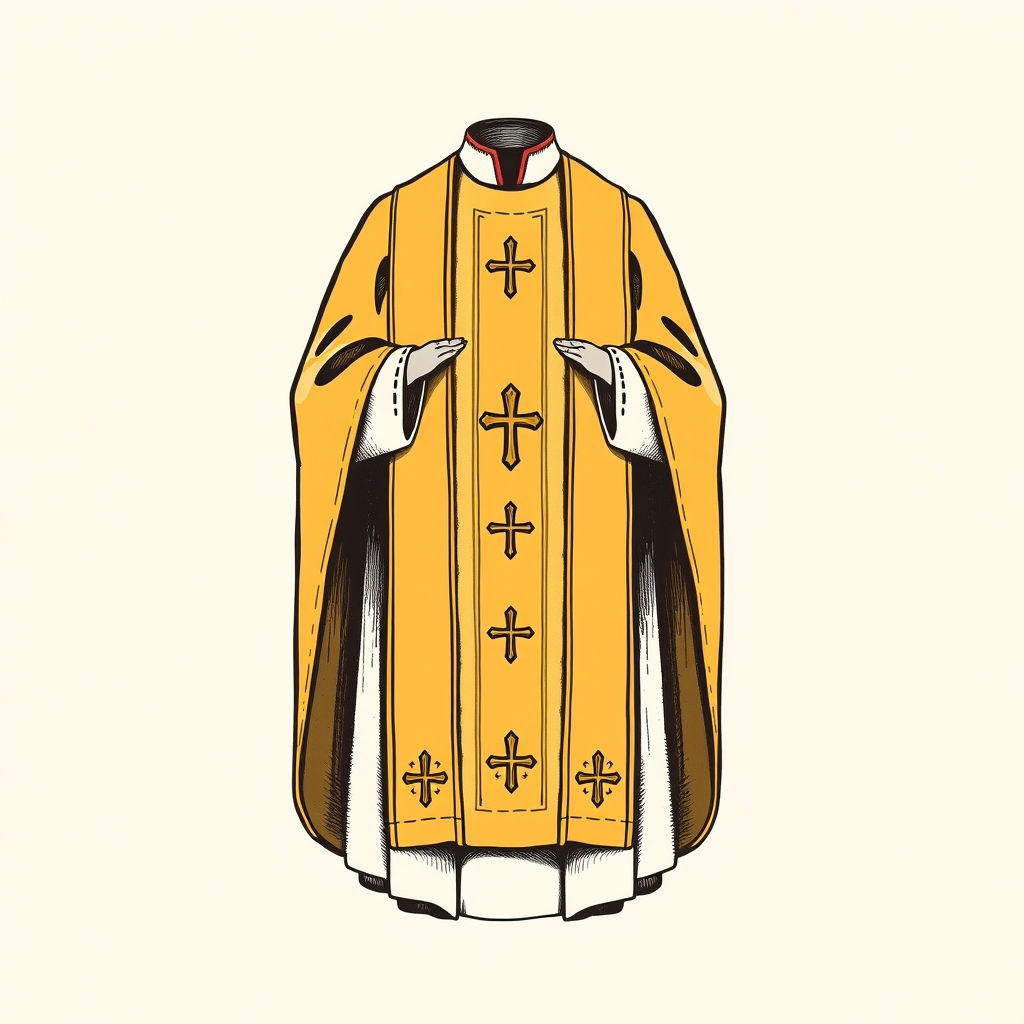
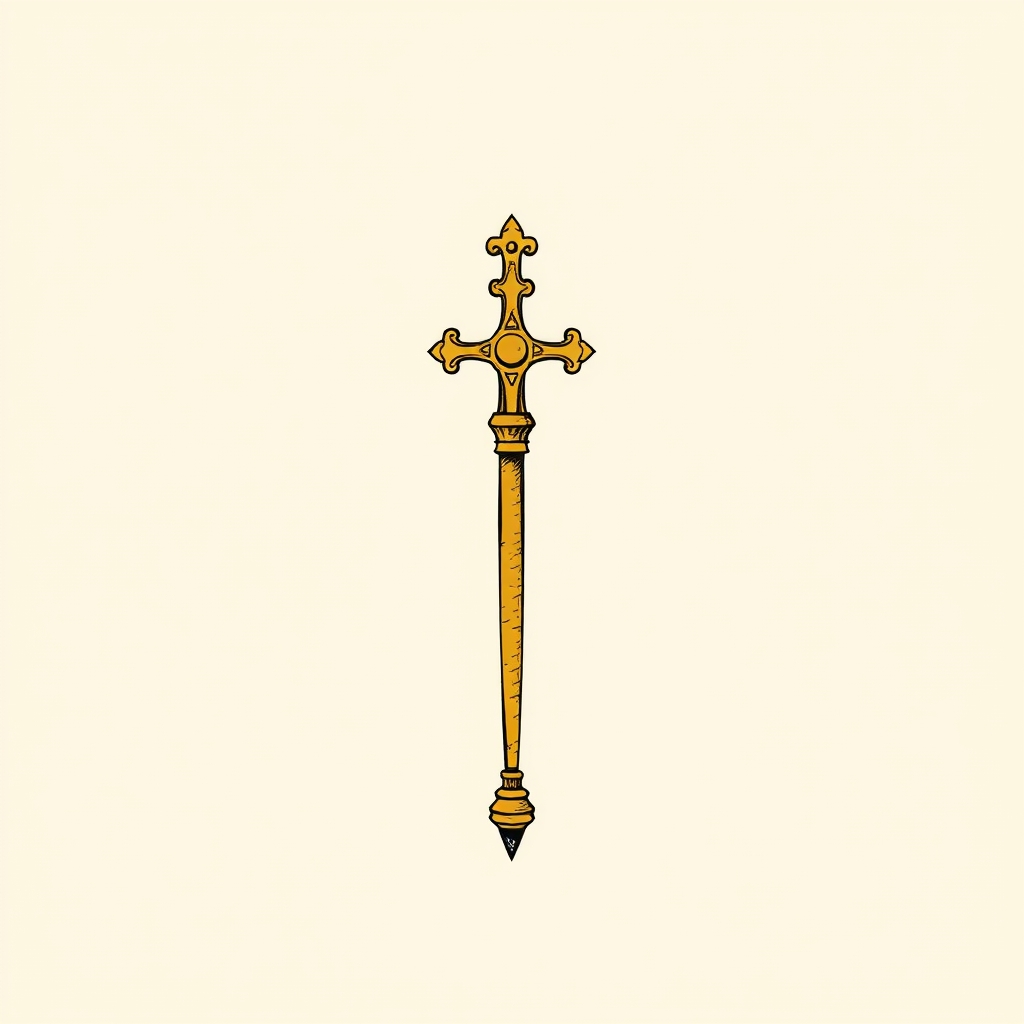
In iconography, Saint Raoul of Bourges is recognizable by: archiepiscopal vestments, book (Pastoral instruction) and crozier.
Which saints were contemporaries of Saint Raoul of Bourges?
Contemporaries include: Saint Ansgar (Apostle of the North), Saint Bernard of Menthon (Apostle of the Alps), Saint Rumold (Rombaud) and Saint Zachary, Pope.
When did Saint Raoul of Bourges die?
Saint Raoul of Bourges died around 900.
What are the other names of Saint Raoul of Bourges?
Other forms of the name: Raoul and Rodolphe.
Who are the relatives of Saint Raoul of Bourges?
Relatives of Saint Raoul of Bourges: Raoul (father), Aigne (mother) and Wilfroy (parent).
Annexes & related entities
Structured data for exploration: events, miracles, quotes, places, attributes, patronages, and important entities cited in the text.
Key Events
- Received the clerical tonsure in 823
- Elevation to the archiepiscopal see of Bourges in 840
- Participation in the Council of Meaux in 845
- Participation in the Council of Mainz in 848
- Judge at the Council of Savonnières in 850
- Consecration of Charles, King of Aquitaine, in Limoges in 855
- Drafting of a pastoral instruction in forty-five articles
- Died in 866
Quotes
-
master of holy memory
Eustorge, Bishop of Limoges