
Saint Thyrsus
Converted by the courage of the martyr Leucius under Emperor Decius, Thyrsus endured countless miraculously harmless tortures before dying in Miletus. His cult, marked by numerous wonders, spread from Constantinople to Sisteron, of which he is the patron saint.
Contemporaries

Figures and markers around the normalized period for this entry.
Biography
SAINT THYRSUS, PATRON SAINT OF SISTERON,
Iconography
Signs and attributes

The supernatural in their life
The miracles of Saint Thyrsus
Frequently asked questions about Saint Thyrsus
Who was Saint Thyrsus?
Converted by the courage of the martyr Leucius under Emperor Decius, Thyrsus endured countless miraculously harmless tortures before dying in Miletus. His cult, marked by numerous wonders, spread from Constantinople to Sisteron, of which he is the patron saint.
What is Saint Thyrsus the patron saint of?
Patronage of Saint Thyrsus: Sisteron and Braga.
How is Saint Thyrsus depicted in Christian art?
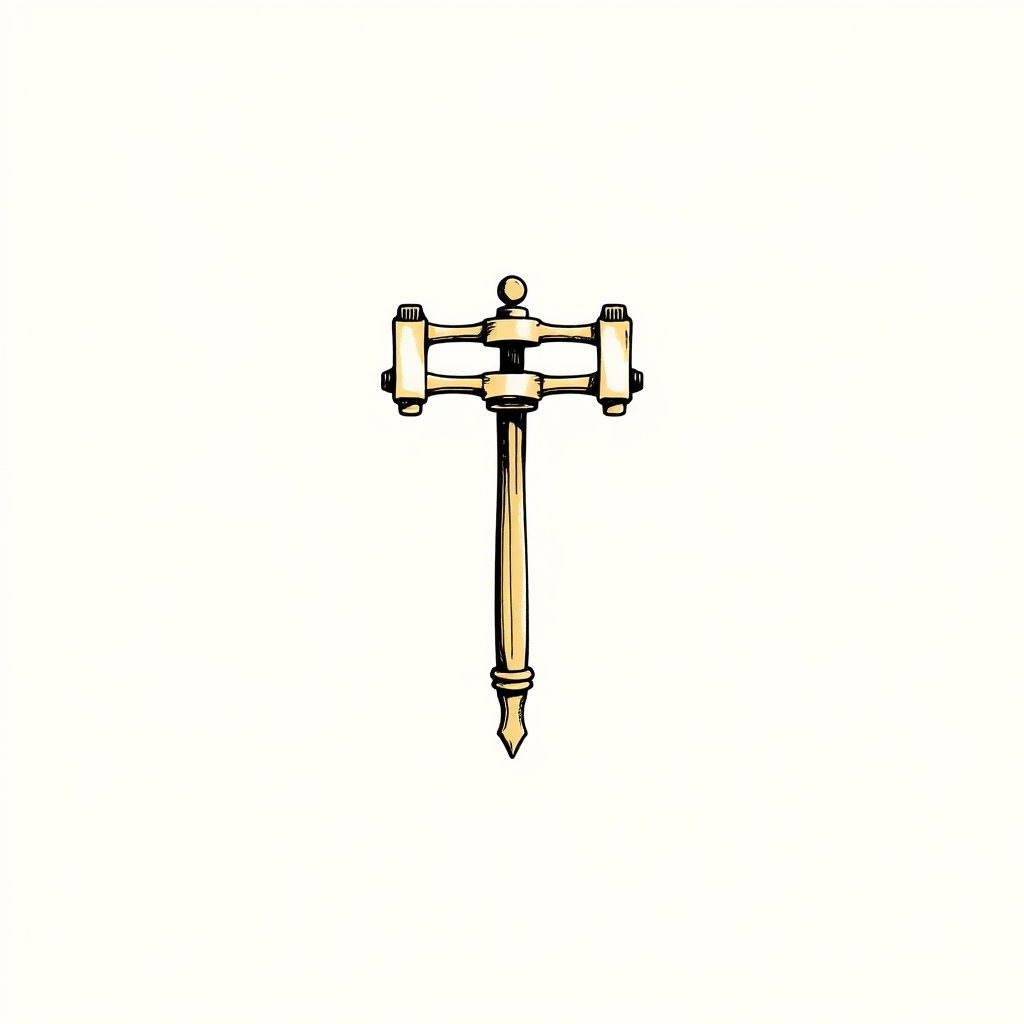
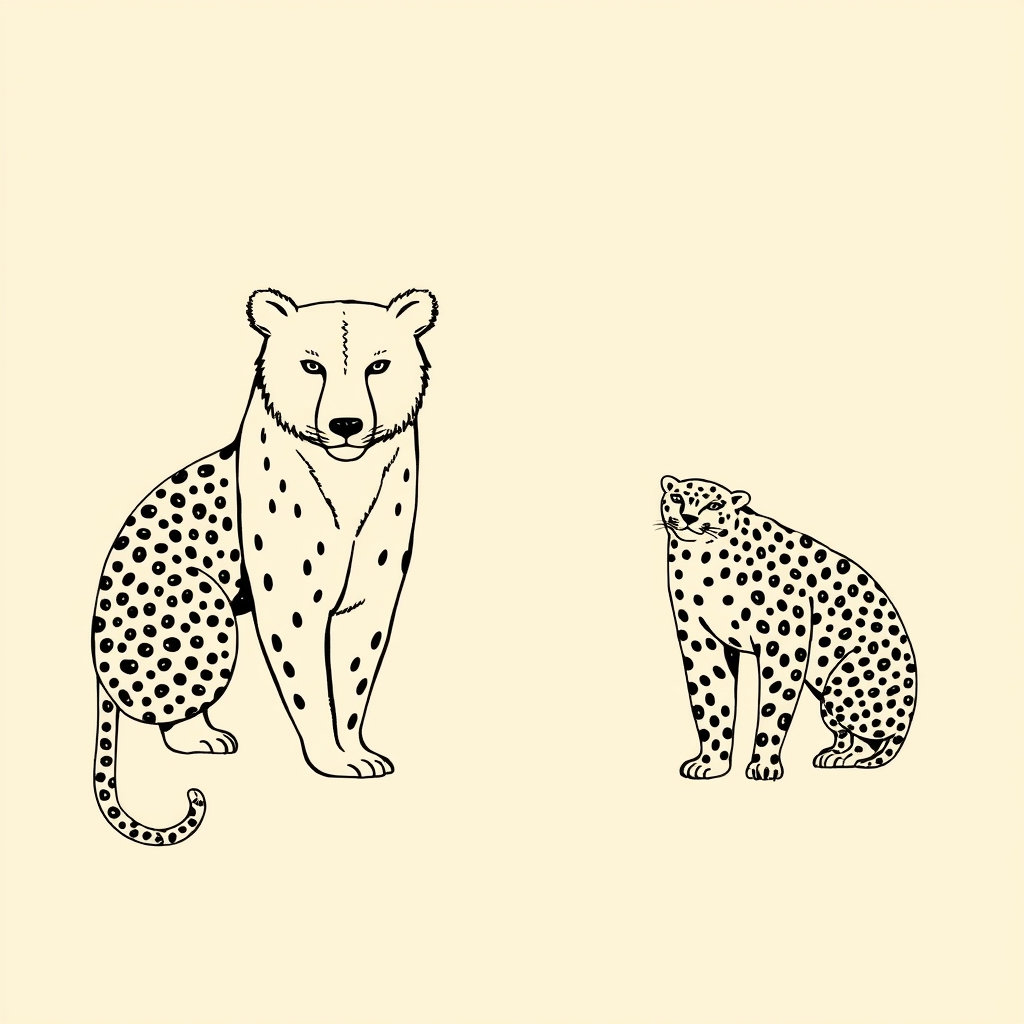
In iconography, Saint Thyrsus is recognizable by: broken chains, torture instruments and bears and leopards.
How did Saint Thyrsus die?
Saint Thyrsus suffered martyrdom for the Christian faith (3rd century).
What miracles are attributed to Saint Thyrsus?
5 miracles are attributed to this saint, notably: Protection / deliverance and Sign / wonder.
Which saints were contemporaries of Saint Thyrsus?
Contemporaries include: Saint Irenaeus of Lyon, Saint Ausonius of Angoulême, Saint Firmin of Pamplona and Saint Baudilus.
Annexes & related entities
Structured data for exploration: events, miracles, quotes, places, attributes, patronages, and important entities cited in the text.
Key Events
- Converted upon witnessing the martyrdom of Saint Leucius
- Secret baptism by Bishop Philias after a miraculous escape
- Destruction of the statue of Apollo through prayer
- Miraculous survival of numerous tortures (molten lead, sea, wild beasts)
- Died in Miletus following his sufferings