
Saint Cessator
Cezadre
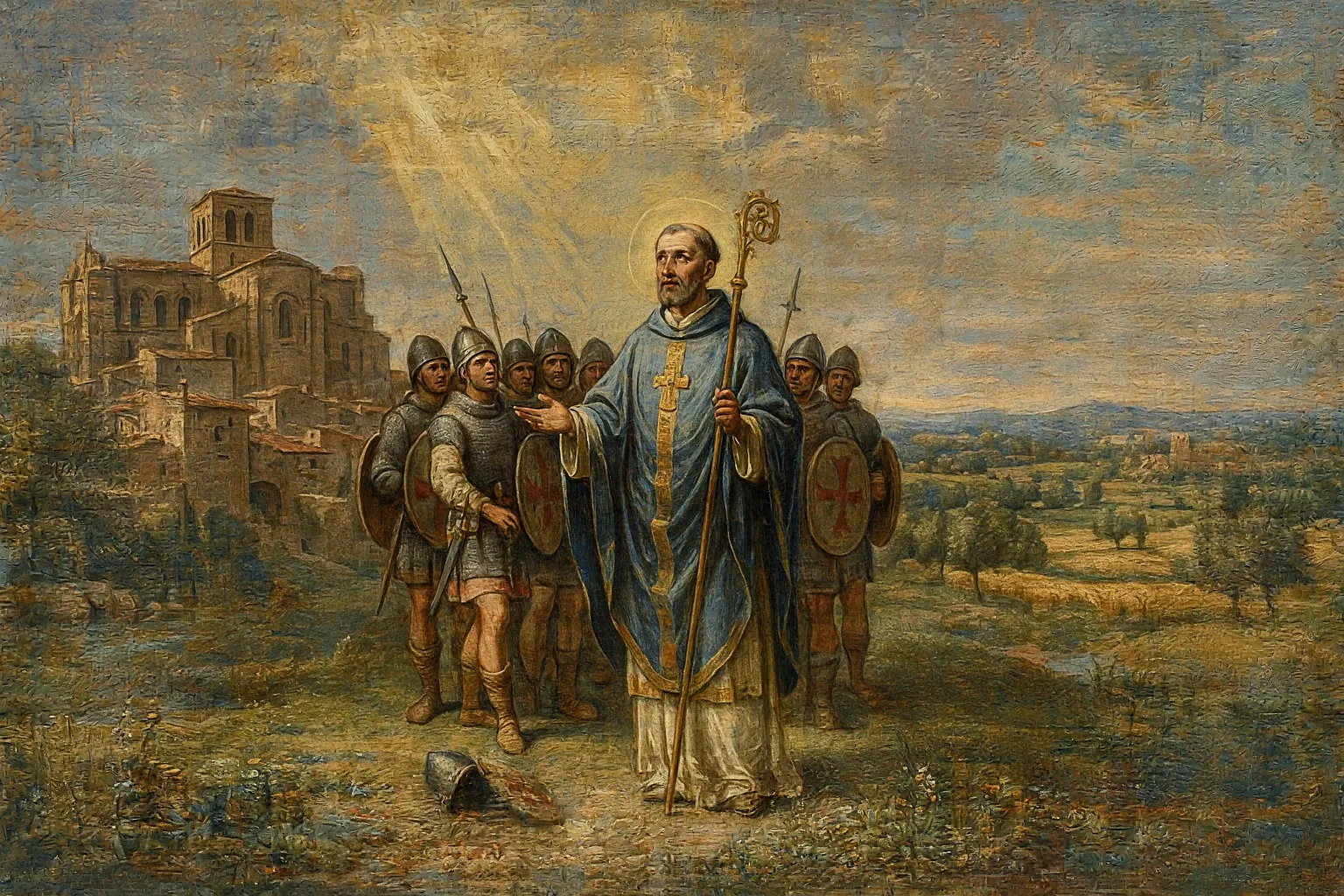
Bishop of Limoges in the 8th century, Cessateur distinguished himself by his courage in the face of the Saracen invasions under Charles Martel. He organized the defense of his diocese and took up arms alongside the Franks during the Battle of Poitiers in 732 to protect the faith and his faithful.
Contemporaries

Figures and markers around the normalized period for this entry.
Guided reading
3 reading sections
SAINT CESSATEUR OR CÉZADRE, BISHOP OF LIMOGES (732).
Context of the invasions and appointment
In the 8th century, faced with the invasions of the Moors and Saracens in Aquitaine, God raised up Cessateur as bishop of Limoges to protect His people.
In the time of Charles Martel, when countless Moors, Saracens, and other infidel barbarians, emerging from Spain, invaded France, flooded Aquitaine, and brought fire and sword everywhere, the churches were in need of pastors endowed not only with great piety, but also with singular firmness and invincible courage. God therefore, by His paternal providence, destined for the church of Limoges, Saint Cessateur, an intrepid and ge nerous man, to deliver it from its imminent perils.
Pastoral action and military engagement
After organizing his diocese, Cessateur raised an army and participated alongside the Franks in the Battle of Poitiers to repel the invaders.
When he had visited his diocese, and with true episcopal solicitude had ensured that the parish priests and other immediate pastors watched with particular care over the protection of their respective flocks, due to the misfortune of the circumstances, he himself, to bett er ward off the wolves that threatened all his sheep, raised soldiers, marched to meet the enemy, and valiantly exposed his life to danger for the preservation of the faith and for the salvation of both the souls and bodies of his dear diocesans; he joined his troops to the invincible army of the Franks, and, in the memorable Battle o f Poitiers, contribu ted much to the rout of the barbarians.
Liturgical source
The text is taken from the Proper of the Diocese of Limoges.
Iconography
Signs and attributes

Entities
Narrative network
The names, places, and concepts most present in the entry, weighted by centrality in the text.
Frequently asked questions about Saint Cessator (Cezadre)
Who was Saint Cessator (Cezadre)?
Bishop of Limoges in the 8th century, Cessateur distinguished himself by his courage in the face of the Saracen invasions under Charles Martel. He organized the defense of his diocese and took up arms alongside the Franks during the Battle of Poitiers in 732 to protect the faith and his faithful.
What is Saint Cessator (Cezadre) the patron saint of?
Patronage of Saint Cessator (Cezadre): Limoges.
How is Saint Cessator (Cezadre) depicted in Christian art?
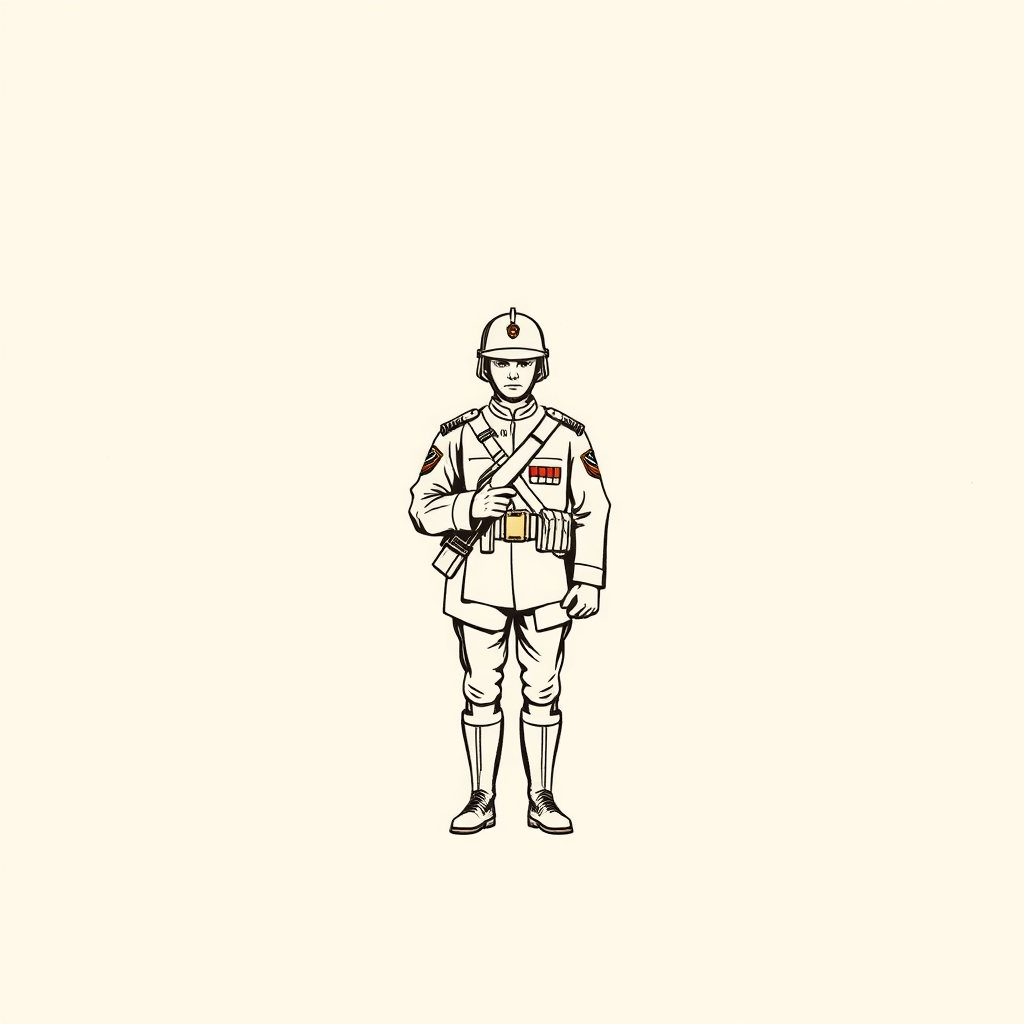
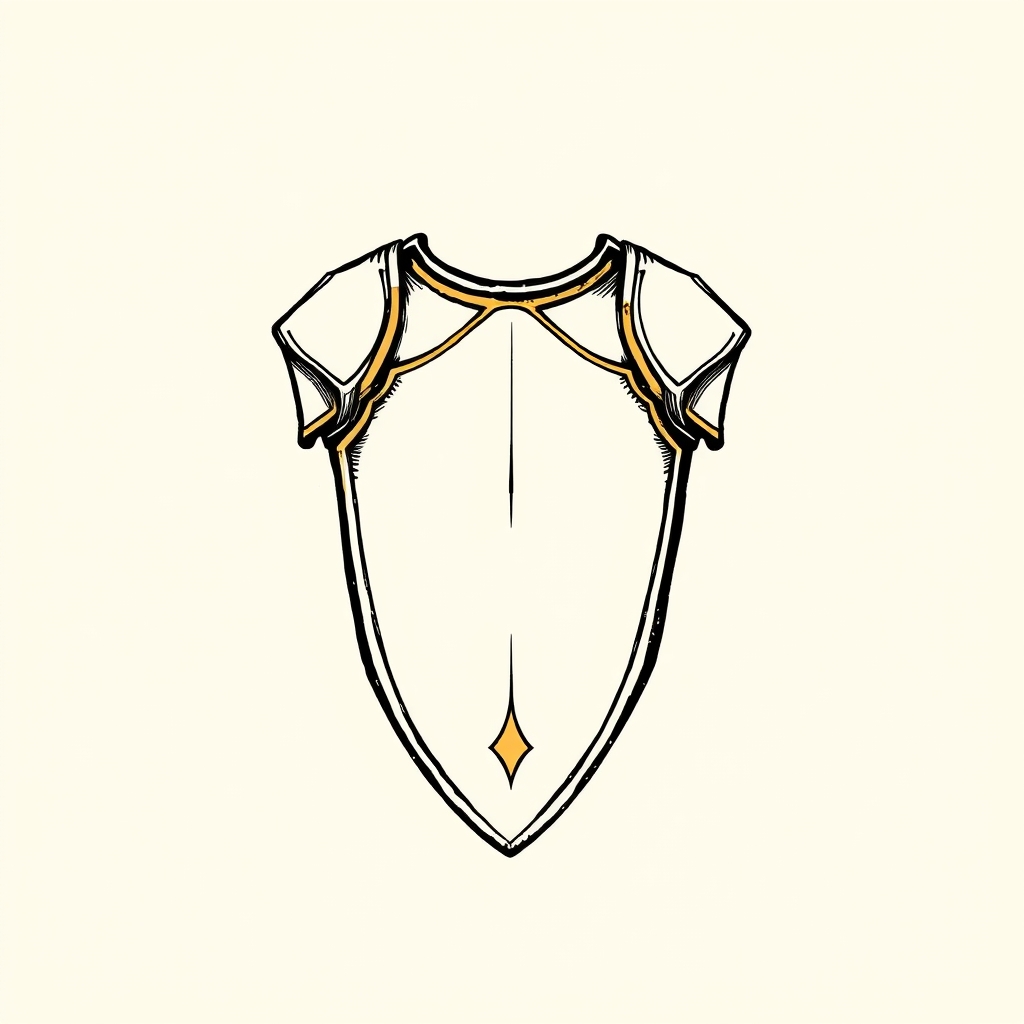
In iconography, Saint Cessator (Cezadre) is recognizable by: soldiers, armor (implicit) and episcopal insignia.
Which saints were contemporaries of Saint Cessator (Cezadre)?
Contemporaries include: Saint Hidulph of Trier, Saint Ghislain (Guillain), Saint Lambert (Landebert) and Saint Amand of Maastricht.
When did Saint Cessator (Cezadre) die?
Saint Cessator (Cezadre) died around 800.
What are the other names of Saint Cessator (Cezadre)?
Other forms of the name: Cézadre.
Annexes & related entities
Structured data for exploration: events, miracles, quotes, places, attributes, patronages, and important entities cited in the text.
Key Events
- Appointment to the bishopric of Limoges under Charles Martel
- Pastoral visitation of the diocese and organization of the clergy in response to invasions
- Raising of troops to defend the diocese against the Saracens
- Participation in the Battle of Poitiers alongside the Franks