
Saint Maron
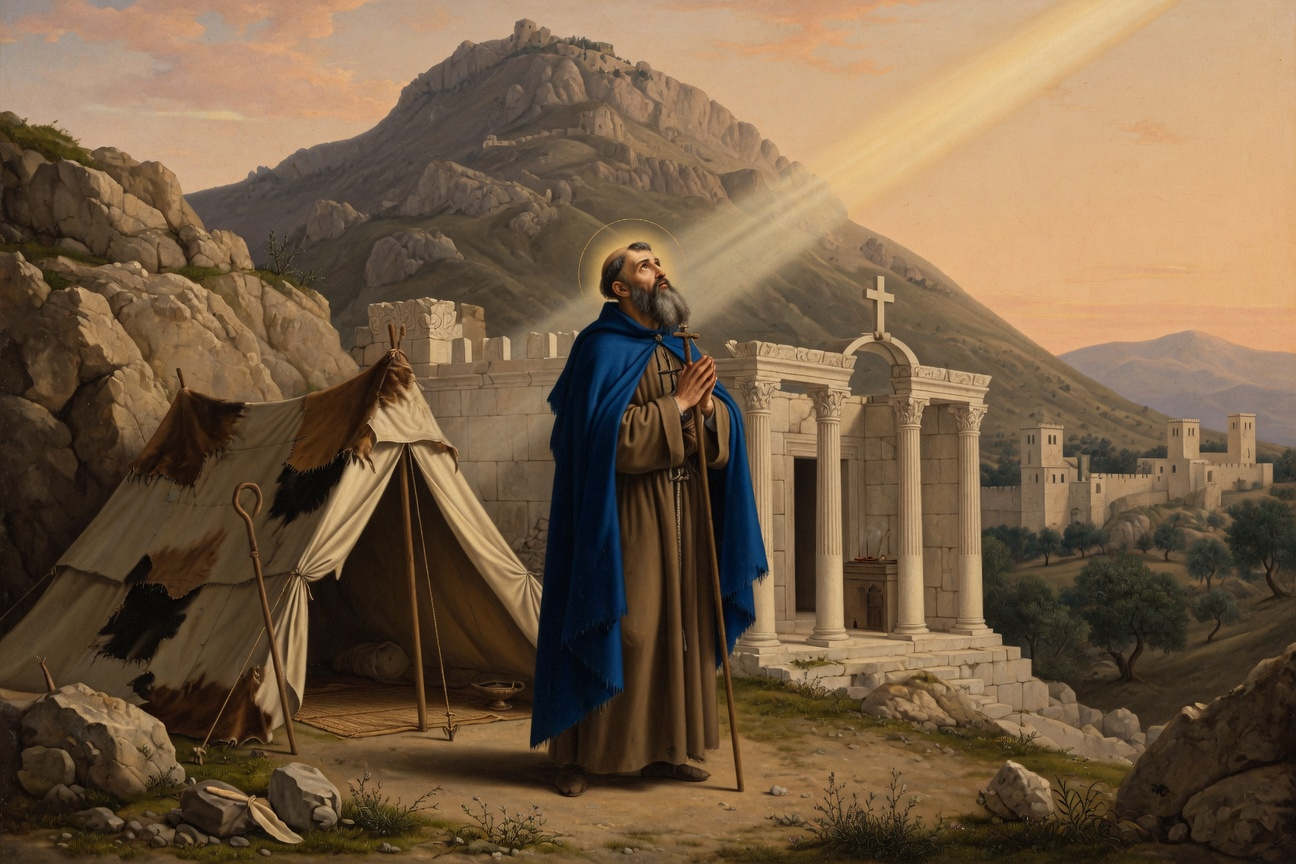
A 5th-century Syrian hermit and abbot, Saint Maron lived in asceticism on a mountain near Cyrrhus before founding numerous monasteries. Renowned for his life of prayer and his healings, he is the spiritual father of the Maronite community. He died in 433 after dedicating his life to contemplation and the guidance of many disciples.
Contemporaries

Figures and markers around the normalized period for this entry.
Guided reading
6 reading sections
SAINT MARON, ABBOT IN SYRIA (433).
Ascetic life and priesthood
Saint Maron settled on a mountain near Cyrrhus, living in great austerity and transforming a pagan temple into a place of prayer before being ordained a priest in 405.
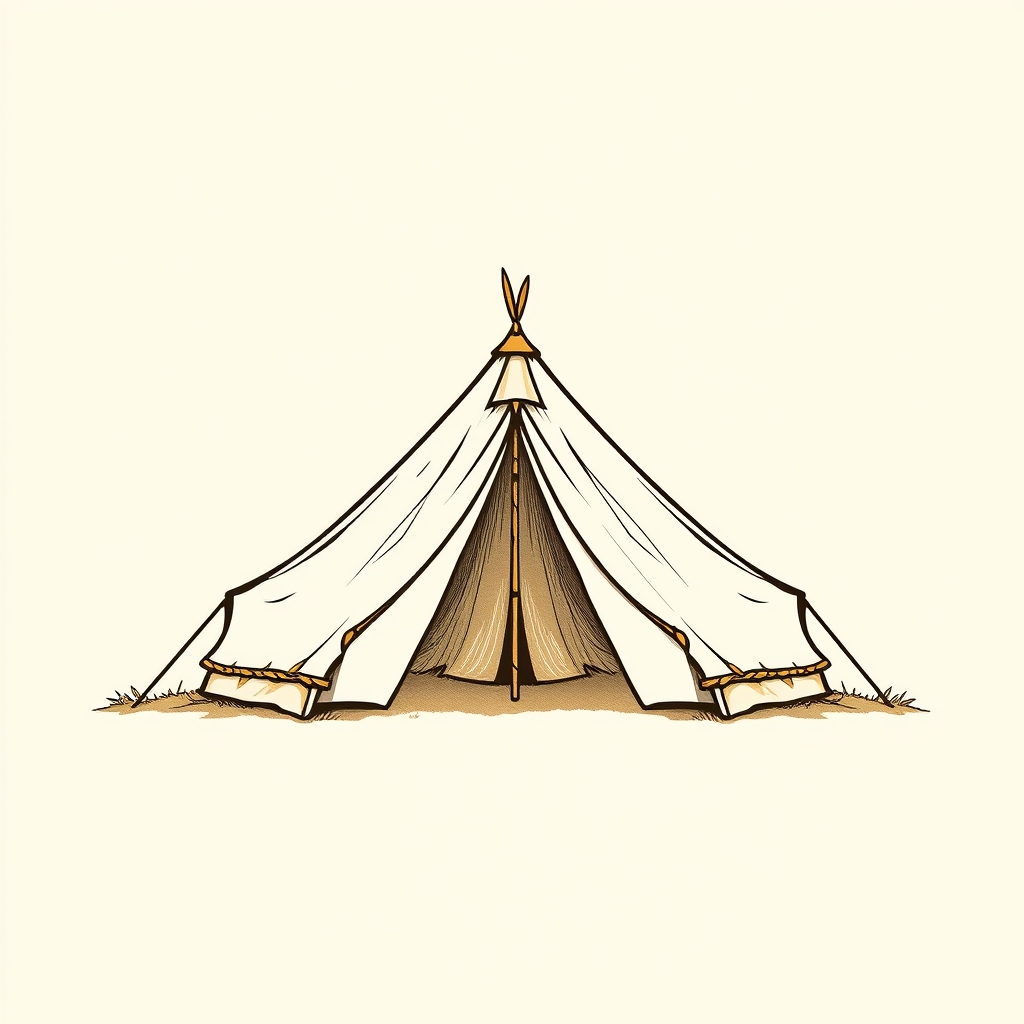
Saint Maron withdrew to a mountain near the city of C yrrhus, wher e he lived almost always exposed to the elements. He did indeed have a tent made of goat skins to take shelter in during rainy weather; but he used it very rarely. Having found an idol temple in his retreat, he consecrated it to the true God to make it a house of prayer for himself. The reputation for holiness he had acquired led to his elevation to the dignity of the priesthood in 405. Saint Chrysostom, who had forme d the highest opi nion of him, wrote to him from Cucusus, where he was in exil e, to commend himself to his prayers.
Spiritual Discipline and Prayer
A disciple of Saint Zebinas, Maron dedicated himself to continual prayer, practicing standing prayer and prioritizing contemplation over worldly exchanges.
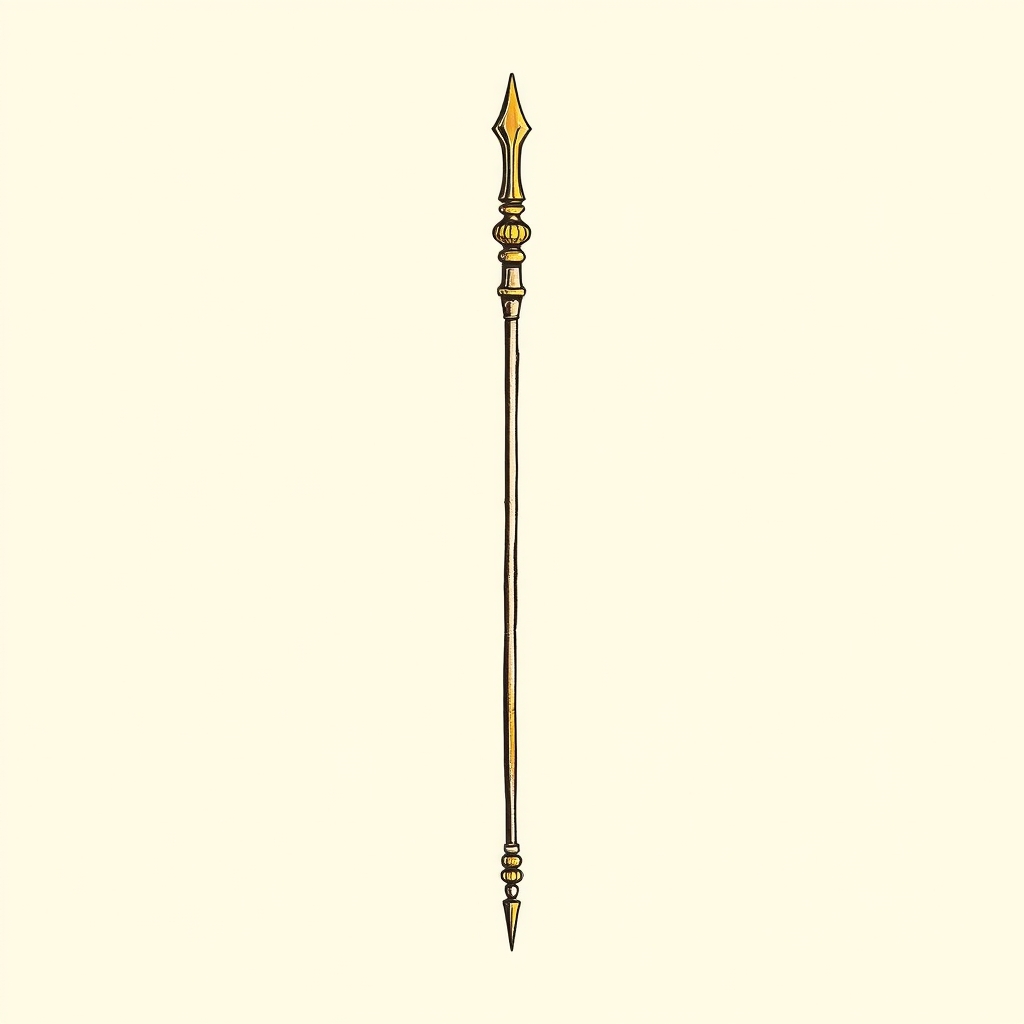
Our Saint had no greater happiness than to converse with God in prayer; thus he was a disciple of Saint Zebinas, who sur passed all the solitaries of his century in his assiduity to prayer. He spent entire days and nights in this holy exercise, without ever tiring; his fervor only increased more and more. His custom was to pray standing; it was only in his old age that he relieved himself a little by leaning on a staff. He said little to those who came to see him, for fear of interrupting the exercise of contemplation that absorbed all his thoughts. Nevertheless, he received them with honor and exhorted them to stay with him; but there were hardly any who wished to spend the whole night standing in prayer.
Influence and foundations
Renowned for his healings and his talent for spiritual direction, he founded numerous monasteries in Syria and trained disciples such as Saint James of Cyrrhus.
God rewarded the labors of Saint Maron with abundant graces and with the power to heal the infirmities of bodies and souls. He had, above all, an admirable talent for leading others to virtue. A great number of disciples came to him, and he founded several monasteries in Syria. Theodoret r egarded t his multitude of monks spread throughout his diocese as the fruit of our Saint's instructions. Among the most famous disciples of Saint Maron is Saint James of Cyrrhus, who gloried in having r eceived his first hairshirt from his hands.
Death and dispute over the relics
Upon his death, a dispute broke out between the provinces for the possession of his body, which was finally kept in a church built by the inhabitants of a neighboring town.
Finally, the moment when the Saint was to go and receive his reward having arrived, God took him from this world after an illness of a few days. The desire to have his body gave rise to a pious contention between the neighboring provinces. The inhabitants of a very populous town carried this rich treasure to their home, and hastened to build a great church over his tomb, which they had served by monks.
Monastic and ecclesial heritage
Three famous monasteries bear his name, and his influence is attested by conciliar acts and the correspondence of the Maronites with the papacy.
There were three famous monasteries that bore the name of Saint Maron: one in the diocese of Apamea ; another on the Oronte s, between Apamea and Emesa; the third in Palmyrene. It is not known for certain in which of the three the body of our Saint was; it seems more probable that it was in the second. The one who was abbot of this monastery held the title of primate of all the monasteries of the Second Syria, in the acts of the Second Council of Constantinople, held in 536, under Patriarch Mennas. His name was also the first in the subscriptions of the common letter that the Maronites wrote to Pope H ormisdas in 517.
Liturgical cult and sources
The feast of Saint Maron is celebrated in February by the Greeks and the Maronites, based on the historical accounts of Theodoret.
The Greeks honor Saint Maron on the 14th of February; but the Maronites celebrate his feast on the 19th of the same month.
Taken from Theodoret, Philoth., cap. 16, 23, 24, 30. See Tillemont, t. xii, p. 412; Father Le Quien, Or. Christ., t. iii, p. 8; Joseph Assomant, Bibl. orient., t. xvi, p. 497; F. Mairon, de origine Maroniterum. Rome, 1679.
Iconography
Signs and attributes

Entities
Narrative network
The names, places, and concepts most present in the entry, weighted by centrality in the text.
The supernatural in their life
The miracles of Saint Maron
Frequently asked questions about Saint Maron
Who was Saint Maron?
A 5th-century Syrian hermit and abbot, Saint Maron lived in asceticism on a mountain near Cyrrhus before founding numerous monasteries. Renowned for his life of prayer and his healings, he is the spiritual father of the Maronite community. He died in 433 after dedicating his life to contemplation and the guidance of many disciples.
What is Saint Maron the patron saint of?
Patronage of Saint Maron: Maronites.
What is Saint Maron invoked for?
Saint Maron is invoked for: healing of bodily diseases and healing of diseases of the soul.
How is Saint Maron depicted in Christian art?
In iconography, Saint Maron is recognizable by: tent made of goatskin, staff and hairshirt.
What miracles are attributed to Saint Maron?
1 miracle are attributed to this saint, notably: Healing.
Which saints were contemporaries of Saint Maron?
Contemporaries include: Saint Augustine of Hippo, Saint Honoratus of Arles, Saint James of Tarentaise and Saint Jerome of Stridon.
When did Saint Maron die?
Saint Maron died around 433.
Annexes & related entities
Structured data for exploration: events, miracles, quotes, places, attributes, patronages, and important entities cited in the text.
Key Events
- Retreat on a mountain near Cyrrhus
- Consecration of a pagan temple into a church
- Ordination to the priesthood in 405
- Receipt of a letter from Saint John Chrysostom from Cucusus
- Foundation of several monasteries in Syria
- Died after a few days of illness