
Philippa of Guelders
DUCHESS OF LORRAINE, THEN NUN AT THE CONVENT OF THE POOR CLARES OF PONT-À-MOUSSON
Duchess of Lorraine and Queen of Sicily, Philippe de Gheldres governed her states with wisdom before retiring to the Poor Clares of Pont-à-Mousson in 1519. A model of piety and humility, she lived twenty-seven years in monastic penance. She died in 1547 after predicting the hour of her passing.
Contemporaries

Figures and markers around the normalized period for this entry.
Guided reading
7 reading sections
PHILIPPE DE GHELDRES, QUEEN OF SICILY,
DUCHESS OF LORRAINE, THEN NUN AT THE CONVENT OF THE POOR CLARES OF PONT-À-MOUSSON
Youth and spiritual formation
Born in 1462 and orphaned early, Philippe was raised by her aunt Catherine of Guelders in rigorous piety, developing virtues of modesty and devotion at an early age.
The wife of René II, victor over Charles the Bold, and mother of Antoine, victor over the Rustauds, was born in 1462 to Adolph, Duke of Guelders, and Catherine of Bourbon, sister of the Duchess of Burgundy. Orphaned almost from the cradle, she found in Catherine, one of her paternal aunts, a true mother, as affectionate and vigilant as the one from whom death had separated her. A serious Christian and free from the marital bond, Catherine devoted all her attention to raising her young ward in the principles of the most solid virtue, and to sowing in her soul the seed of a solid and perfectly enlightened piety. Philippe respond ed to the care of her adoptive mother: her heart, naturally inclined toward good, opened with delight to the most noble and generous sentiments. One could admire in her the fervor and modesty that were painted on her face when she gave herself over to the sweetness of prayer, a continual restraint in her words, and a depth of modesty capable of inspiring a love of virtue even in those who might have felt less disposed to practice it. Her mind was as penetrating as it was lively, her judgment solid, her heart upright, sincere, and beneficent, which, during the time she governed Lorraine after the death of the Duke, her husband, earned her from her subjects the sweet title of Good Mother.
Soon initiated into the deepest mysteries of the Christian religion, the obligation to imitate the humiliations and sufferings of the God-Man appeared to her of such indispensable necessity that, animated by the spirit of the cross and even while still an adolescent, she resolved to fast every Friday of each week, without any exception. In vain did the princess, her aunt, point out to her that, due to her age, this austere practice could compromise her health and reduce her to a state of languor that would no longer allow her to fulfill her essential duties: "Alas! my dear aunt," she would reply, "can I constrain myself too much to walk in the footsteps of a God who suffered so much from the cradle? Am I not a sinner from my birth, and should not my whole life, which belongs to the sovereign Master who redeemed me, be consecrated to Him through suffering?"
She also had, from that same time, a singular devotion to the most holy Virgin. She did not fail to honor her with particular acts of piety on Saturday, the day specially consecrated to her. Mary did not delay in giving her a tangible mark of her protection. Philippe, seized by a painful illness from which it was feared she might lose her sight, had no other recourse than the intercession of her heavenly Protectress, who obtained for her a prompt and perfect recovery.
Marriage and life at court
After a period at the French court, she married René II of Lorraine. The text emphasizes the canonical validity of this union following the annulment of the Duke's first marriage.
The Duke of Bourbon, Count of Beaujeu, her maternal uncle, desiring to have her with him, requested her from Catherine of Guelders, who entrusted her to him. Arriving in Paris, Philippe was admired by the entire French court, where her relative was pre sent. It was the re that René of Lorraine saw her, came to know her, learned to appreciate her, and, as much by inclination as by the insinuation of Madame de Beaujeu, he requested and obtained her as his wife, after his first marriage with Jeanne d'Harcourt had been canonically invalidated. It has been proven, by documents of incontestable authenticity, that all formalities of time, examination, and dispensations had been rigorously observed, and that the marriage of Philippe of Guelders with René the Victorious was never for a single moment tainted by irregularity.
A devoted duchess and regent
Mother of twelve children, she managed Lorraine with charity, facing plague and famine, and founded hospital establishments in Lunéville and Nancy.
Twelve children were the fruits of this union that the Lord had blessed. The pious orphan was an attentive and vigilant mother, and the exemplary attachment of her sons to the Catholic religion was one of the precious results of her counsel and lessons. But however occupied she was with the care of her domestic family, she did not forget her Lorraine family; she treated her subjects as her own children; she was seen to share, with regard to them, all the solicitude of her royal husband, especially in times of public calamity, such as the dreadful plague of 1505, and, after the death of René, the famine of 1516. She had a convent built in Lunéville for the Hospitaller nuns of Saint Elizabeth, then a second one, of the same Order, in Nancy, t o fou nd there, in the capital of the States of Lorraine, an asylum for the sick and a school of virtue for the girls destined to relieve them. However, divine Providence did not spare adversity for the princess who represented it so admirably in the midst of the populations of her duchies. Having become a widow, she saw herself successively deprived of a portion of her husband's fortune, her patrimonial inheritance, an unfortunate consequence of the loss of her husband. But if her soul was broken, especially by the death of the hero whom she had loved so much and so Christianly, she was not discouraged by it; she only rose toward God with more confidence and abandonment. She redoubled her efforts, as much for the administration of the States of Lorraine, of which René II had appointed her regent, as for that of her family and her household.
Retirement to the Monastery
In 1519, after ensuring the regency and the majority of her son Antoine, she retired to the Poor Clares of Pont-à-Mousson despite the initial reluctance of the abbess.
Yielding to the desire of the nobility and the third estate, Philippe had the majority of Ant oine, heir presumptive to the ducal crown, proclaimed, and had this prince recognized as sovereign of the duchies. But the young duke, a novice in the art of governing, begged his mother to assist him with her experience and counsel, which this noble lady did not feel she should refuse him. The widow of René continued to take part in public affairs, and the Lorrainers, who idolized her, made it a joy to show her their deference and respect at every encounter. Philippe thus spent eleven years after the death of René the Victorious, and yet was preparing, in silence, for the accomplishment of a heroic project, which her obligations as mother and regent had forced her to postpone. When she believed the moment had arrived, that is to say at the beginning of 1519, under the pretext of a walk and a change of air, the Queen-Duchess went to the convent of Saint Clare, in Pont-à-Mousson. Having asked the abbess for an audience, in the presence of the assembled community, she declared to her her intention to renounce the world and to enclose herself in her monastery, to attend more freely to the exercises of the spiritual life. "My Mother," said Philippe to the abbess , who was then Jeanne, of the illustrio us house of Apremont, "since the death of the King, my husband, I have understood that the Lord asked of me the final days of my life. I would have dedicated them to Him without hesitating for a moment, if the necessities of my family and the State had not prevailed over the desire for my sanctification. But now that these motives no longer subsist, that my engagements have ceased, I come to beg you to give me asylum in your house and to receive me there among the number of your daughters, to weep there with them for the faults of my youth, and to forestall there, through penance, the punishments of divine justice that I have deserved. Let not my age, my condition, or my fortune exclude me from the grace I solicit, since I have just sacrificed them to Jesus Christ, who does not disdain late victims, when they are offered to Him out of love."
The abbess, quite taken aback, remained for some time without answering. Finally recovered from her astonishment, she thanked the Duchess for the preference with which she honored her monastery and begged her to consider that the austerity of the rule would exceed her strength. She represented to her that her presence at court would do more good than the kind of life so obscure that she wished to embrace, that the poor would lose too much by her retirement... That perhaps the delicacy of her constitution and her infirmities, betraying her zeal, would force her to leave the habit in the course of the trial; that it was much better not to risk the enterprise at all than to expose oneself to abandoning it through the inability to follow it. The Duchess understood the anxieties of the worthy superior and hastened to dispel them: "My mother," she said to her, "do not imagine that my reception opens the door to laxity; the grace, which urges me to enter into the ways of penance, strengthens me to fulfill its duties. If the discipline of your Institute is rigid, the God whom I will serve will be the support of my weakness." The abbess and her chapter could not hold out against the eagerness of their august postulant, and received her, albeit with some apprehension. The princess returned to Nancy, quite happy and filled with hope. She made her final preparations there in secret, then, from the first days of November 1519, she took the road to Pont-à-Mousson again, where she had already arrived when it was learned at the court of Lorraine that she had left it, but without yet guessing the motive. From this city, she let her children know that she wished to see them gathered around her there, on the eve of the Conception of the holy Virgin, for the purpose of dealing together with an important matter. The desire of a tenderly loved mother was an order for docile and affectionate princes. Assembled on the precise day, the Queen of Sicily received them with a tenderness more vivid than usual and treated them with the outpouring of a deeply moved heart. After the evening meal she said to them: "Do you know, my children, why I have summoned you here? It is to manifest to you that, God helping, I am going to become a nun at Saint Clare." At this unexpected revelation, the princes burst into sobs, shed abundant tears, and, in terms both the most tender and the strongest, conjured their beloved mother not to abandon them. Certainly, it was a heartbreaking scene for the heart of this virtuous princess; but grace gave her the strength to triumph over nature, and her sacrifice was consummated. The next day, December 8, 1519, the Duchess of Lorraine, in the presence of her sons, the lords, and her court, entered the monastery, performed her year of probation there following the Rules and the Institute of Saint Clare, walking barefoot, eating in the refectory, fasting like her companions, serving in the kitchen, keeping silence exactly, and submitting to all the capitular mortifications.
Twenty-seven years of cloistered life
She pronounced her vows of poverty and obedience, living in total austerity and refusing any privilege linked to her rank until her death.
Her novitiate finished, and before pronouncing her vows, Philippe called her sons around her once more, and to enter into the spirit of absolute detachment from the goods of this world, she handed over to them everything that was in her possession, even down to her secular clothing. She made her testamentary dispositions known to them and reserved from her entire fortune only a modest pension, from which she still wished the entire Community to benefit as much as herself. Freed from all earthly concerns, the illustrious novice pronounced the four solemn vows of poverty, chastity, obedience, and perpetual enclosure. For twenty-seven full years that Philippe de Gheldres lived thereafter, she was, in the midst of the nuns her companions, an accomplished model of all Christian and monastic virtues: "I would suffer death and have my eyes and all my limbs torn from me," she often repeated, "rather than consent to any alteration being made to our Institute."
Holy death and prophetic gifts
She died on Saturday, February 26, 1547, as she had predicted. The text also mentions her visions, notably that of the defeat at Pavia.
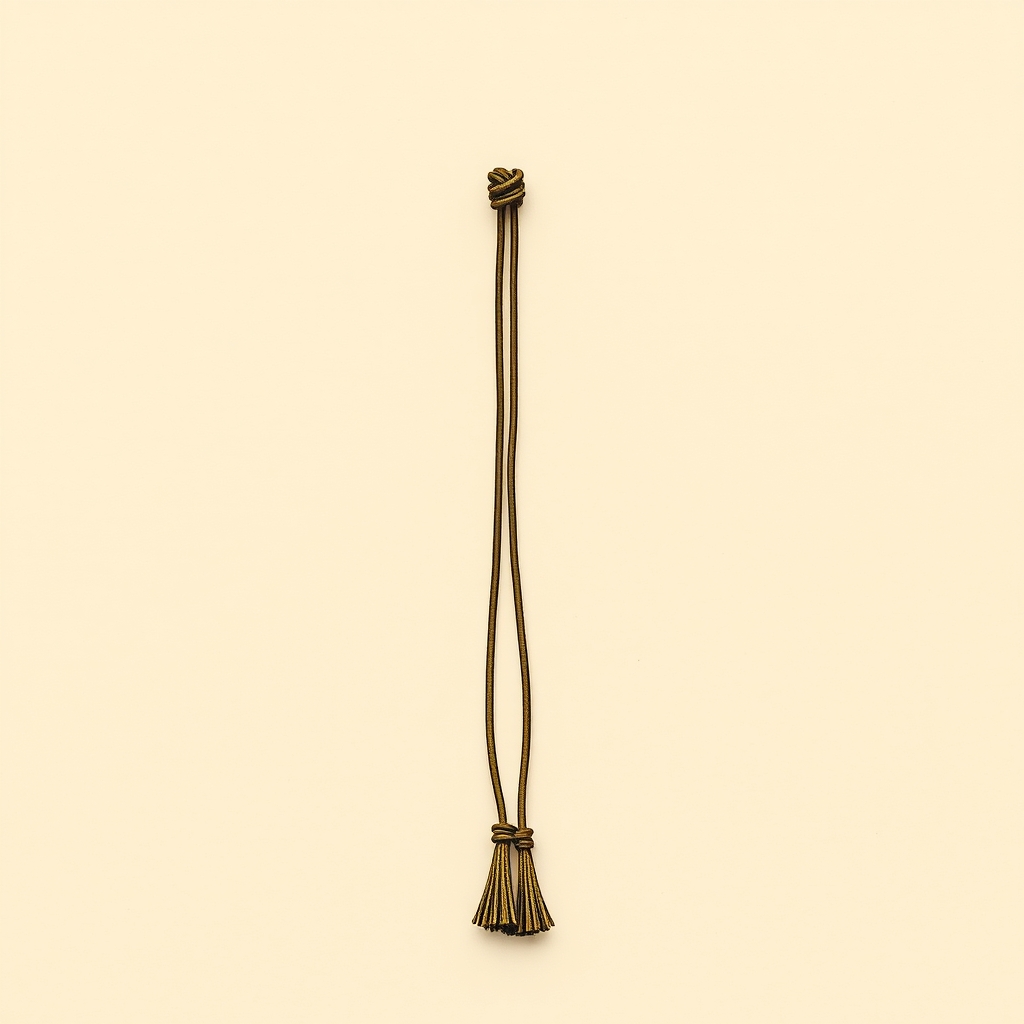
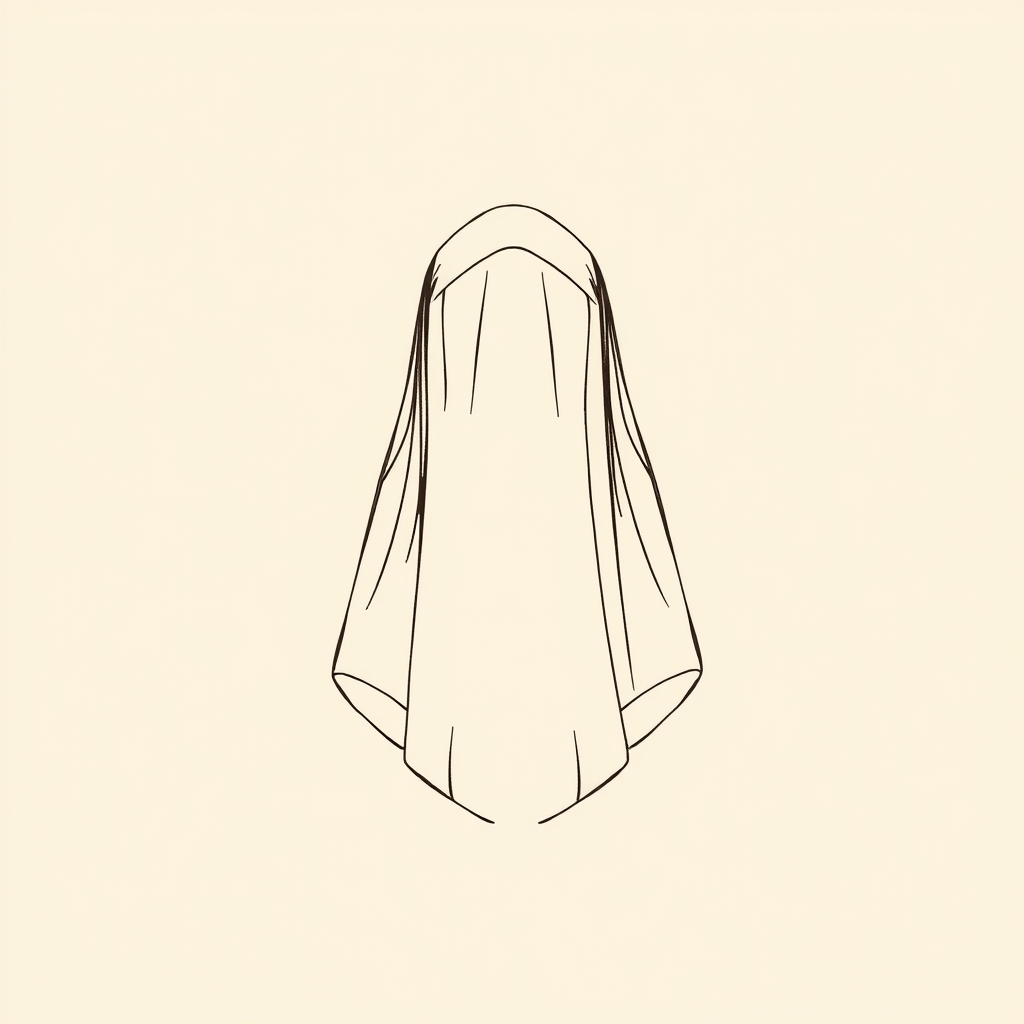
Two years before her death, in 1545, the religious princess fell ill, which brought her to the gates of the tomb; she escaped, but only to languish until the Assumption of the following year, when she was seized by it again with redoubled violence. From then on, she did nothing but pine away, without, however, losing any of her customary fervor. "My children," she said to the sisters who came to visit her, "let me go to my God, my good spouse... Why do you hold me back so much? Pray to God for the salvation of my soul and let this poor body go." On February 24, 1547, she received the sacrament of Extreme Unction with perfect awareness and angelic piety. The next day, Friday, the mother superior approached her and said: "Our Lord is calling you from this world on a very worthy day; it is indeed on a Friday that He shed His most worthy and most precious blood to wash your beautiful soul." The venerable duchess replied: "I know that today is Friday; but I also know that I will not die on this day, for all the happiness I have enjoyed in this world has come to me on a Saturday. I married the late good King René on a Saturday, I also made my entry into the land of Lorraine on a Saturday; I made my religious profession on a Saturday, and on a Saturday, I will go to Paradise." The event happened as she had predicted. On Saturday, February 26, 1547, Philippe de Gheldres died at the age of eighty-five, wearing the religious habi t, girded with the c ord, and her head covered with her profession veil.
It is accepted in history that the Lord made revelations to His humble servant. For example, in 1525, the day Francis I lost the Battle of Pavia and was taken prisoner, Sister Philippe, the n in prayer, sudd enly stood up, ran to the nuns, and said to them while heaving deep sighs: "My daughters, begin to pray immediately and pray to God with ardor, there is great need for it. The fleur-de-lis has fallen. My son Francis (the Prince of Lambesc) is dead, and the kingdom of France is in great desolation. Y et we must help it through prayer and sup plication." Upon verification, the event was found to have taken place at the very moment the princess had gone to prompt the prayers of the Community. The wonders performed at her tomb and the favors obtained by people who had invoked her with confidence have established, among the people, the pious belief that the virtuous queen-duchess, who became a humble nun by choice, enjoys blessed immortality in heaven.
Sources of the entry
The biography is based on the work of Abbé Guillaume and a publication from 1859.
This entry is due to the kindness of Abbé Guillaume, chaplain of the ducal chapel of Nancy. — The last reproduction of the Life of Philippe de Gheldres, organized and completed with new documents, dates from 1859. It was published in a 12mo volume of more than 400 pages, but the edition is out of print.
Iconography
Signs and attributes

Entities
Narrative network
The names, places, and concepts most present in the entry, weighted by centrality in the text.
The supernatural in their life
The miracles of Philippa of Guelders
Frequently asked questions about Philippa of Guelders
Who was Philippa of Guelders?
Duchess of Lorraine and Queen of Sicily, Philippe de Gheldres governed her states with wisdom before retiring to the Poor Clares of Pont-à-Mousson in 1519. A model of piety and humility, she lived twenty-seven years in monastic penance. She died in 1547 after predicting the hour of her passing.
What is Philippa of Guelders the patron saint of?
Patronage of Philippa of Guelders: Lorraine and Pont-à-Mousson.
What is Philippa of Guelders invoked for?
Philippa of Guelders is invoked for: protection of widows and eye diseases.
How is Philippa of Guelders depicted in Christian art?
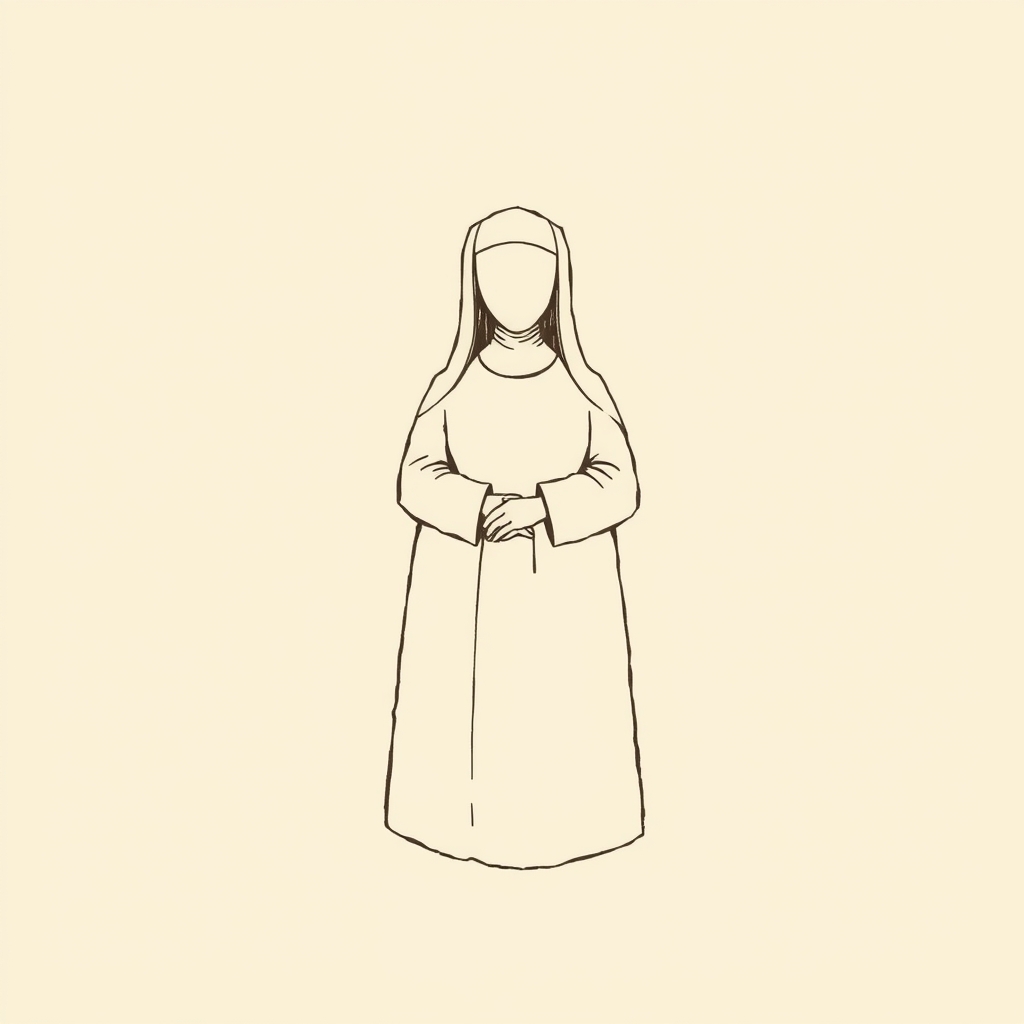
In iconography, Philippa of Guelders is recognizable by: Poor Clare habit, cord of Saint Francis, profession veil and ducal crown at her feet.
What miracles are attributed to Philippa of Guelders?
3 miracles are attributed to this saint, notably: Healing, Prophecy / infused knowledge and Vision / apparition.
Which saints were contemporaries of Philippa of Guelders?
Contemporaries include: Blessed John of Jesus-Mary, Ana de Jesús, Venerable Anne of Jesus and Saint Francis de Sales (Bishop and Prince of Geneva).
When did Philippa of Guelders die?
Philippa of Guelders died around 1547.
What are the other names of Philippa of Guelders?
Other forms of the name: Philippa de Gueldre and Sœur Philippe.
Who are the relatives of Philippa of Guelders?
Relatives of Philippa of Guelders: Adolphe, duc de Gheldres (father), Catherine de Bourbon (mother), Catherine de Gheldres (aunt), René II de Lorraine (spouse), Antoine de Lorraine (son) and François, prince de Lambescq (son).
Annexes & related entities
Structured data for exploration: events, miracles, quotes, places, attributes, patronages, and important entities cited in the text.
Key Events
- Born in 1462
- Marriage to René II of Lorraine
- Regency of the Duchies of Lorraine after the death of her husband
- Entered the Poor Clares convent of Pont-à-Mousson in 1519
- Solemn religious profession in 1520
- Died at the age of 85
Quotes
-
I know that today is Friday; but I also know that I will not die on this day, for all the happiness I have enjoyed in this world came to me on a Saturday.
Hagiographic text