
A nobleman from Berry in the 5th century, Venant renounced a promised marriage to become a monk and later Abbot at Saint-Martin de Tours. Renowned for his humility and celestial visions, he performed numerous healings, particularly of fevers and limb ailments. His relics were shared between Tours and the Abbey of Saint-Germain-des-Prés in Paris.
Contemporaries

Figures and markers around the normalized period for this entry.
Guided reading
6 reading sections
SAINT VENANT OR VENANCE,
ABBOT OF SAINT-MARTIN DE TOURS (5th century).
Conversion and vocation
A nobleman from Berry promised in marriage, Venant renounced the world after a visit to the tomb of Saint Martin and became a monk under the direction of Abbot Sylvain.
Saint Venant was from a prominent family in Berry . Bet rothed to a young person, he spent his time in amusements while awaiting the wedding day. But God inspired him to visit the tomb of Saint Martin in Tours; th ere he felt his hear t completely changed, and following the attractions of divine grace, he renounced the world and went to throw himself at the feet of Ab bot Sylvain, w ho admitted him into his monastery and gave him the tonsure along with the religious habit. From the moment he saw himself clothed in the livery of penance and the cross, he began seriously to combat himself and to do violence to all his passions. He excelled above all his brethren in humility and charity. After the death of Sylvai n, he was elected abbot in his place.
Visions and liturgical miracles
Having become abbot, he was granted mystical visions, seeing Saint Martin officiating at the altar and hearing the angels singing the Mass.
His holiness subsequently shone forth through many miracles. One day, unable to celebrate Mass due to an eye ailment that prevented him from reading, he had it said for him in the illustrious basilica of Saint Martin, and, when the priest reached the blessings of the Host, he saw a venerable old man, vested in ecclesiastical garments, descending from the rood screen with a ladder and approaching the altar to bless the heavenly gi fts. It was undoubtedly Saint Martin, who wished to make known to him that he assisted in spirit at all the sacrifices offered in his church. Another time, while returning in the morning from visiting the c hurches of Tours, he heard angels singing the Sanctus in his own. He stopped short, leaning on his staff, and, as he was asked what was stopping him and if he had some heavenly vision, he exclaimed, with tears in his eyes: 'Woe to us, cowards and sluggards that we are! They have already almost finished the celebration of the holy Mysteries in heaven and we have not yet begun them'; and, at that very hour, he had the Mass begun. Both events occurred on a Sunday.
Dialogue with the Beyond
The saint communicates with the soul of the priest Bassin, a prisoner of purgatory, and performs the works necessary for his deliverance.
As on another day the Lord's Prayer was being said at Mass, at these final words: Sed libera nos a malo, he heard a voice, from the depths of the earth, repeating the same words. It was a priest, named Bassin, who w as imploring the suffrages of the Church to be delivered from the flames of purgatory. Then our Saint approached his tomb, and, animated by a lively faith, he asked this deceased person what must be done for his relief. The soul answered him what it desired of him, and immediately he accomplished it.
Healing Ministry
Gregory of Tours reports his numerous miracles, notably the healing of children, fevers, and the deliverance of the possessed.
Although these visions are famous testimonies to the holiness of Venant, Saint Gregory, neve rtheless, reports several miracles that God performed to give him greater luster. He was brought, he says, a child who suffered great pain in his thighs and legs. He rubbed these limbs with blessed oil, and had him lie on his bed for an hour; and, after having prayed for him, he returned him to his mother in perfect health. He also drove away, by the sign of the cross, several dangerous and even pestilential diseases. He delivered the possessed by the invocation of the Holy Trinity. He made himself so formidable to the demons that, when they appeared to him in hideous forms, his word alone, fortified by the salutary sign of our Redemption, made them flee.
His special grace was for healing tertian and quartan fever, and for tempering the heat of others. Finally, laden with years and merits, he left this mortal life to go and enjoy immortality in heaven. This was towards the middle of the 5th century.
Cult and Posterity
After his death in the 5th century, his relics were divided between Tours and the Abbey of Saint-Germain-des-Prés in Paris.
The same miracles that he had performed during his life continued at his tomb. A portion of his relics were, before 93, at the Abbey of Saint-Germain-des-Prés in Paris, w here they were transported by the piety of Saint Germain , bishop of t he same city; the rest were in Tours, where they were honored with great devotion.
Iconography and sources
The saint is depicted with monastic or noble attributes; his life is documented by Gregory of Tours.
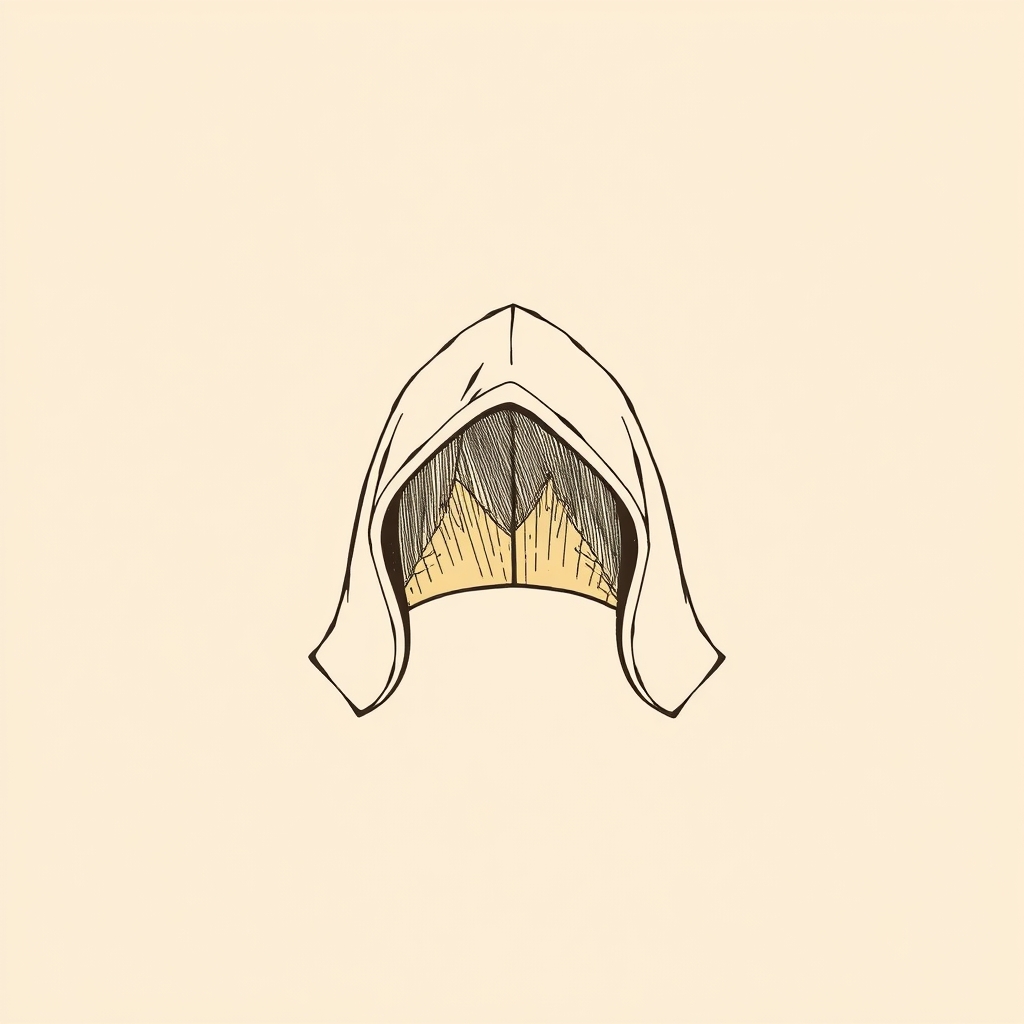
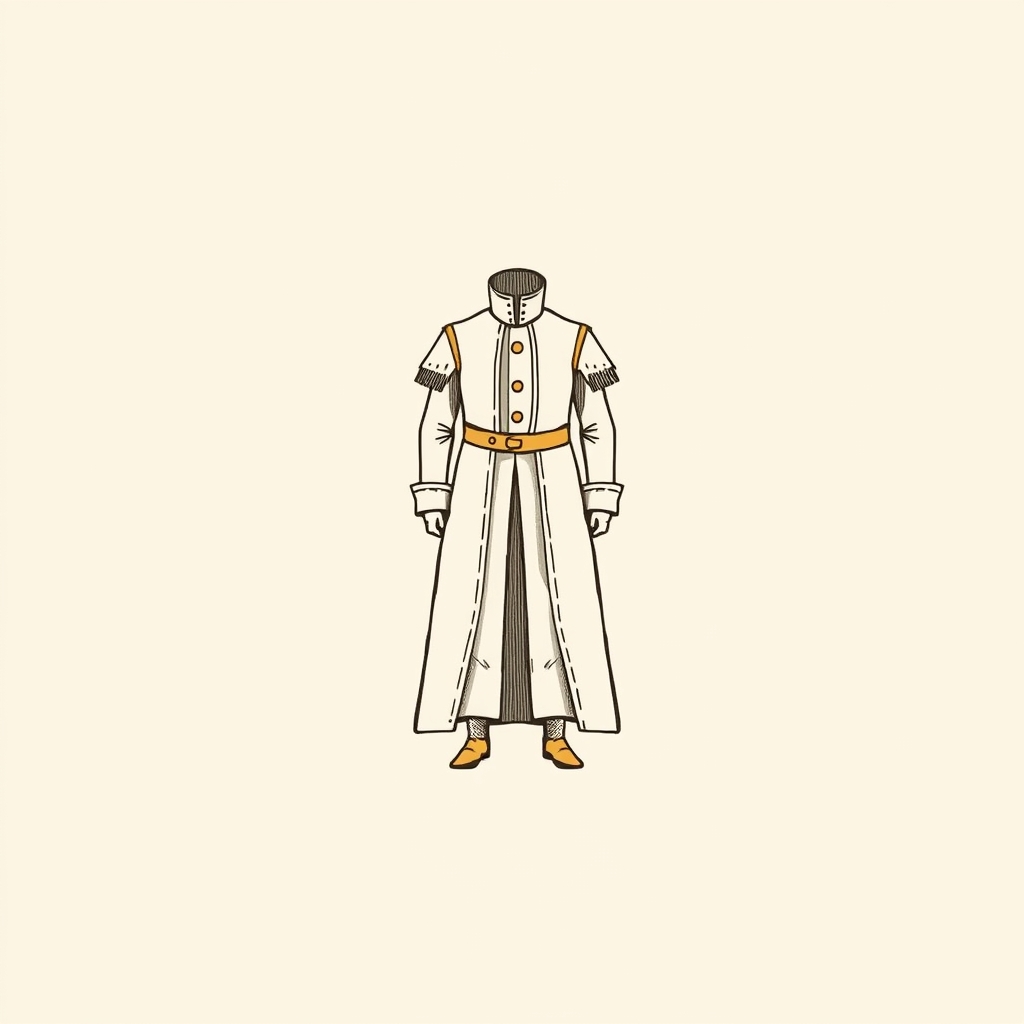
He is represented: 1° in religious attire, a hood on his head, a book and a sword in his loins; the sword is partially hidden by a shield with coats of arms; 2° in the attire of a count, holding a sword, and blessing with his right hand a lion cub sitting near him; 3° in solitude, chasing away the demon; 4° holding a shield and a sword, sometimes a book.
Taken from Saint Gregory of Tours: The Glory of th e Confessors.
Iconography
Signs and attributes




Entities
Narrative network
The names, places, and concepts most present in the entry, weighted by centrality in the text.
The supernatural in their life
The miracles of Saint Venantius (Venance)
Frequently asked questions about Saint Venantius (Venance)
Who was Saint Venantius (Venance)?
A nobleman from Berry in the 5th century, Venant renounced a promised marriage to become a monk and later Abbot at Saint-Martin de Tours. Renowned for his humility and celestial visions, he performed numerous healings, particularly of fevers and limb ailments. His relics were shared between Tours and the Abbey of Saint-Germain-des-Prés in Paris.
What is Saint Venantius (Venance) the patron saint of?
Patronage of Saint Venantius (Venance): Saint Martin of Tours.
What is Saint Venantius (Venance) invoked for?
Saint Venantius (Venance) is invoked for: tertian fever, quartan fever, pestilential diseases, deliverance of the possessed and leg pain.
How is Saint Venantius (Venance) depicted in Christian art?
In iconography, Saint Venantius (Venance) is recognizable by: hood, book, sword, shield with coat of arms, count's costume and lion cub.
What miracles are attributed to Saint Venantius (Venance)?
5 miracles are attributed to this saint, notably: Healing, Exorcism, Vision / apparition and Eucharistic.
Which saints were contemporaries of Saint Venantius (Venance)?
Contemporaries include: Saint Augustine of Hippo, Saint Honoratus of Arles, Saint James of Tarentaise and Saint Jerome of Stridon.
When did Saint Venantius (Venance) die?
Saint Venantius (Venance) died around 500.
What are the other names of Saint Venantius (Venance)?
Other forms of the name: Venance.
Annexes & related entities
Structured data for exploration: events, miracles, quotes, places, attributes, patronages, and important entities cited in the text.
Key Events
- Renunciation of marriage after a visit to the tomb of Saint Martin
- Entered the monastery under Abbot Sylvain
- Election as Abbot of Saint-Martin de Tours
- Vision of Saint Martin at the altar during Mass
- Hearing the song of the angels (Sanctus) in Tours
- Dialogue with the soul of the priest Bassin in purgatory
Quotes
-
Woe to us, cowards and sluggards that we are! The celebration of the holy Mysteries is already almost finished in heaven, and we have not yet begun them.
Source text (words of Saint Venant)