
Venerable Robert Bellarmine
Born in 1542, Robert Bellarmine was a Jesuit, cardinal, and Archbishop of Capua, renowned for his talents as a theologian and controversialist against Protestantism. Despite his high offices, he lived with the humility of a simple religious and died in Rome in 1621. His monumental work, notably his Controversies, remains a major reference for the Catholic Church.
Contemporaries

Figures and markers around the normalized period for this entry.
Guided reading
6 reading sections
THE VENERABLE ROBERT BELLARMINE,
Youth and entry into the Jesuits
Born in 1542 in Montepulciano and nephew of Pope Marcellus II, Robert Bellarmine joined the Society of Jesus at 18 before teaching theology in Louvain.
Robert Bellarmin e, born in Montepulciano in 1542, and nephew, through his mother Cynthia Cervini, of Po pe Marcellus II, was not only a skillful theologian, an excellent preacher, and the most famous controversialist of his time, he was also one of the holiest and most zealous prelates whom the Catholic Church honors. His career is entirely brilliant with good works, virtues, labors, and glory. He entered the Societ y of Jesus at eigh teen, and shortly after he was tasked by his superiors to teach theology in Louvain. His sermons ex cited s uch lively enthusiasm that Protestants themselves came from England and Holland to hear him. After a seven-year stay in the Low Countries, he returned to Italy. Gregory XIII chose him to occupy the chair o f controversy that he had just established. Sixtus V then gave him as a theologian to the legate he sent to France in the year 1590. Clement VIII compelled him, nine years later, b y a formal c ommand, to accept the cardinal's hat, and named him, on April 21, 1602, Archbishop of Capua. Finally, Paul V, having wished to retain him by his side, Bellarmine resigned from his archbishopric and devoted himself to the affairs of the Roman court until 1621.
A career at the summit of the Church
Noticed by several popes, he held prestigious positions: professor of controversy in Rome, theologian in France, cardinal, and archbishop of Capua.
What he had been until the moment when so many honors came to surround him, he remained always in his heart; he had nothing, apart from the marks of his dignity, that distinguished him from a simple Jesuit. He kept as faithfully as possible the rules of the Company, and he wished to render his soul to God in the novitiate of the Gesù. Indeed, having had himself carried there at the beginning of his illness, he laid down the weight of his body there, and flew toward the purest radiance of the divine sun, from that very place where he had consecrated himself entirely to God. Gregory XV wished to visit the dying cardinal; the latter, gathering his strength, addressed to him these words which prove the veneration he had for the Vicar of Jesus Christ:
A humble and pious end of life
Despite his titles, he maintained the simplicity of a Jesuit and died in 1621 at the Gesù novitiate, surrounded by the veneration of Pope Gregory XV and the faithful.
*Domine, non sum dignus ut intres sub tectum meum*; then he asked the Reverend Father André, his intimate friend, to record in writing that he was dying, by the mercy of God, in the bosom of the Catholic Church and in the true faith, and that he thought no differently at his final hour than when he wrote his Controversy and defended the Church; and, as soon as his strength failed, he recited the Apostles' Creed, the fiftieth Psalm, the Lord's Prayer, the Angelic Salutation, tenderly pressed the Crucifix to his arms, and, assisted by the prayers of all the Fathers of the Company, very gently rendered his soul to his Creator, on September 17, 1621, at the age of seventy-nine.
His funeral, by order of the Sovereign Pontiff, was conducted with all the splendor displayed for that of the Princes of the Church; but what surpassed all the religious pomp were the tears, the regrets, and the veneration of the people, which the pontifical guard, called to moderate such eagerness, could not contain in the explosion of their grief. Let this suffice to give an idea of his reputation for holiness.
Bernini's Mausoleum
His tomb, located in the Church of the Gesù in Rome, is a masterpiece sculpted by Bernini under the patronage of Cardinal Odoardo Farnese.
The tomb of the learned and pious cardinal is placed near the altar of t he Church of t he Gesù, in Rome, on the Gospel side. This magnificent mausoleum, which is the work of Bernini, was ere cted by Cardinal Odoardo Farnese, based on the designs of Girolamo Rainaldi. One sees there, besides several other figures, two statues of great beauty, one of which represents Religion and the other Wisdom; both are carved by Pietro Bernini. Here is the inscription that one reads on the mausoleum:
*Roberto cardinali Bellarmino Politiano è societate Jesu Marcelli II. P. M. Sororis filio Odouardus Cardinalis Farnesius Sui erga virum, quem Patris loco semper coluit Amoris numquam morituri Monumentum pos. Obdormivit in Domino Anno sal. MDCXXI. Ætatis sive LXXIX.*
The Champion of Controversy
A prolific author, his 'Course of Controversy' is the major tool for the defense of Catholicism against Protestantism, recognized for its rigor and clarity.
Bellarmine enriched the Church with a great number of scholarly works. The most widespread is his *Course of Cont roversy*, a vast arsenal where one finds weapons of the finest temper for both attack and defense. Never did P rotestantism h ave a more formidable jouster, nor Catholicism a more successful champion. Dissidents have agreed that he presented their difficulties in all their strength and knew how to destroy them with skill and solidity. The best editions of his controversy are those of Paris, which are called the *Triadelphes*, and that of Prague, in 1721, all in 4 volumes in-folio.
We also have from the learned Cardinal a *Commentary on the Psalms*, which is highly esteemed; *Sermons* that are somewhat ordinary in style, but strong in reasoning and touching in their unction; a *Treatise on Ecclesiastical Writers*; another *On the Temporal Authority of the Pope*; a *Writing on the Obligations of Bishops*; a *Hebrew Grammar*; some *Letters* and *Hymns*, among which one distinguishes that of the head of Saint Mary Magdalene, *Pater superni luminis*, etc.
His works of piety form five booklets which are: 1st *De ascensu mentis in Deum*, or *Degrees for Raising the Mind to God*; 2nd *On the Eternal Happiness of the Saints*; 3rd *On the Groaning of the Dove or the Happiness of Tears*; 4th *The Seven Words of Jesus Christ on the Cross*; and 5th *On the Good Death*.
Posthumous recognition
Considered a Father of the Church by his peers, the process for his beatification was officially launched by Clement X in 1674.
Bellarmino's style is neither pure nor elegant; but it is concise, clear, precise, and quite noble: it abounds in citations from Holy Scripture, of which he had a profound knowledge. The cardinals his contemporaries regarded him and spoke of him as a Father of the Church and a man consumed in holiness; thus Pope Clement X h ad the le gal inquiries for his beatification begun in the year 1674.
The principal editions of his complete works are those of Cologne, 1617-1620; Venice, 1721-1728; and Naples, 1858.
Excerpt from the *Esprit des Saints*, by M. Unibé Grimes. — Cf. Goschler, *Dictionnaire encyclopédique de la théologie catholique*; and Godescord, Brussels edition, 1854.
Iconography
Signs and attributes


Entities
Narrative network
The names, places, and concepts most present in the entry, weighted by centrality in the text.
Frequently asked questions about Venerable Robert Bellarmine
Who was Venerable Robert Bellarmine?
Born in 1542, Robert Bellarmine was a Jesuit, cardinal, and Archbishop of Capua, renowned for his talents as a theologian and controversialist against Protestantism. Despite his high offices, he lived with the humility of a simple religious and died in Rome in 1621. His monumental work, notably his Controversies, remains a major reference for the Catholic Church.
How is Venerable Robert Bellarmine depicted in Christian art?
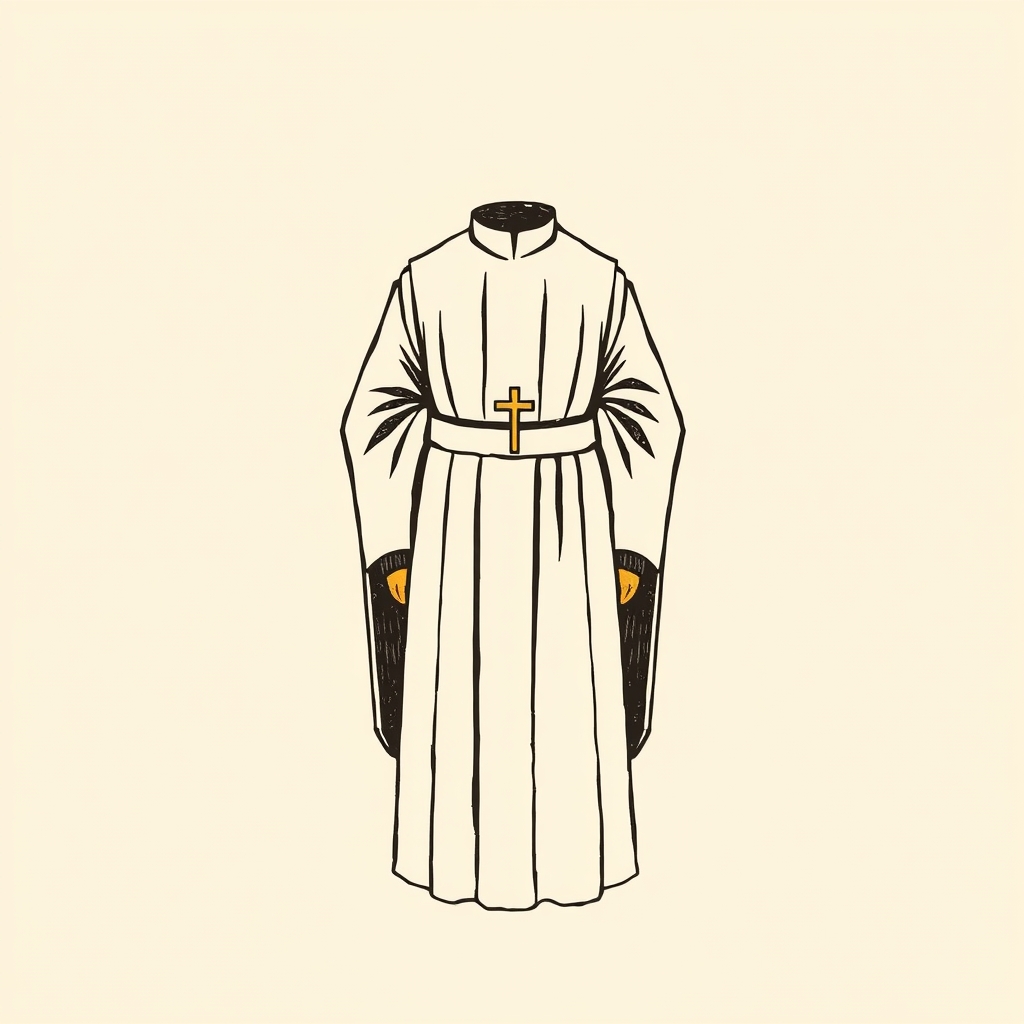
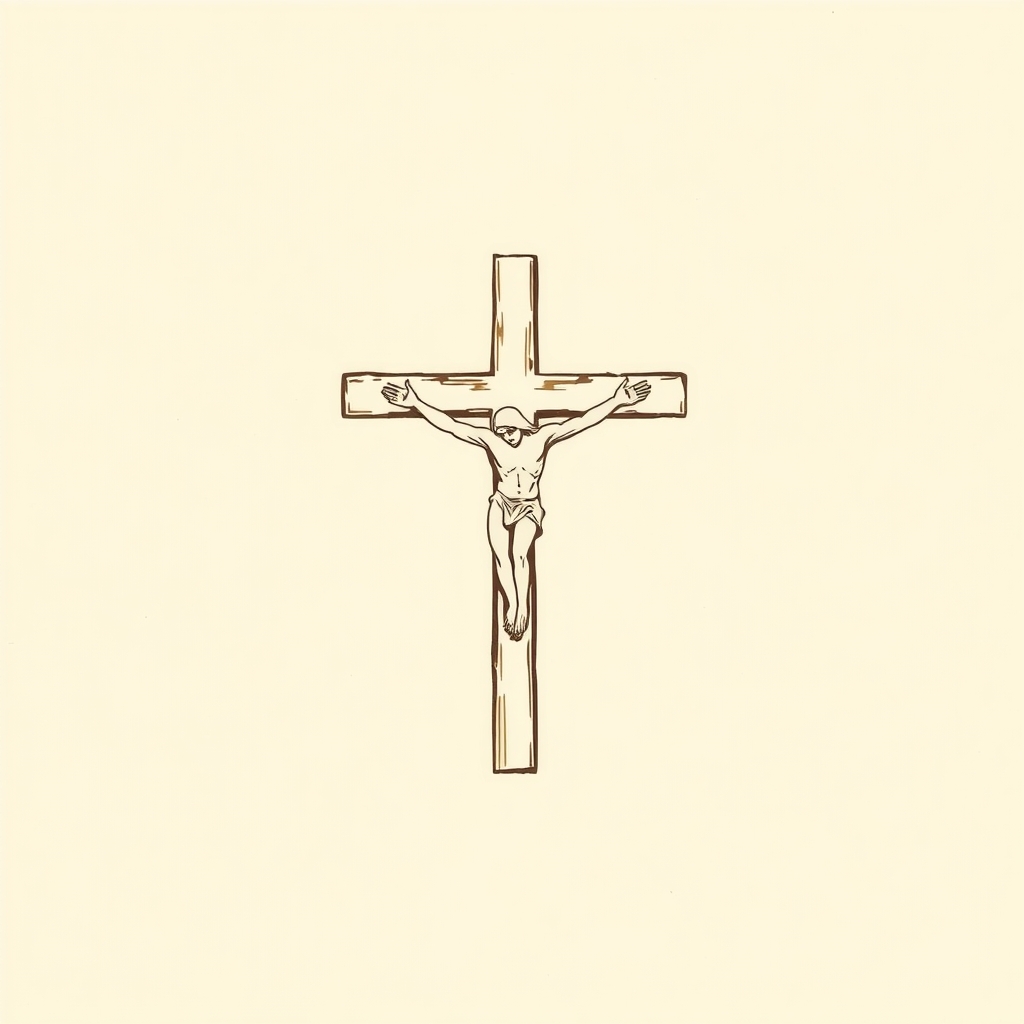
In iconography, Venerable Robert Bellarmine is recognizable by: cardinal's hat, Jesuit habit, books of controversy and crucifix.
Which saints were contemporaries of Venerable Robert Bellarmine?
Contemporaries include: Blessed John of Jesus-Mary, Ana de Jesús, Venerable Anne of Jesus and Saint Francis de Sales (Bishop and Prince of Geneva).
When did Venerable Robert Bellarmine die?
Venerable Robert Bellarmine died around 1621.
What are the other names of Venerable Robert Bellarmine?
Other forms of the name: Roberto Bellarmino and Politiano.
Who are the relatives of Venerable Robert Bellarmine?
Relatives of Venerable Robert Bellarmine: Cynthia Ceruini (mother) and Marcel II (uncle).
Annexes & related entities
Structured data for exploration: events, miracles, quotes, places, attributes, patronages, and important entities cited in the text.
Key Events
- Born in Montepulciano in 1542
- Entered the Society of Jesus at age 18
- Teaching theology at Louvain
- Appointed cardinal by Clement VIII in 1599
- Appointed Archbishop of Capua on April 21, 1602
- Died at the Novitiate of Saint Andrew at the Quirinal in Rome in 1621
Quotes
-
Domine, non sum dignus ut intres sub tectum meum
Words addressed to Pope Gregory XV -
Pater superni luminis
Hymn of the head of Saint Mary Magdalene