
A priest originally from England, Saint Clair went into exile in Neustria to lead a life of asceticism and prayer. After living as a hermit and a monk, he retired to the Vexin where he was assassinated in 886 by hired killers sent by a woman whose advances he had rejected. Tradition reports that he carried his head after his decapitation to the place of his burial.
Contemporaries

Figures and markers around the normalized period for this entry.
Guided reading
7 reading sections
SAINT CLAIR, PRIEST AND MARTYR
IN THE FRENCH VEXIN
Youth and vocation
Born in Rochester to a noble family, Clair renounced a princely marriage following a heavenly voice calling him to join Neustria.
*Prima janua totius bonitatis, in homine, est custodia castitatis.*
The first door to all goodness, in man, is the preservation of chastity.
St. Antonin., *De temperantia*
Saint Clair, who filled the Beauvaisis with the sweet scent of his virtues and the fame of his miracles, was born in Roches ter, in t he county of Kent, in England. His pious and illustrious family watched over his early years with a Christian solicitude that did not take long to bear fruit. Humble, docile to the voice of his parents, fearing nothing so much as sin, Clair soon gave signs that he was called to great holiness. The fervor of his youth confirmed the happy hopes that his childhood had given, and God manifested early on the designs of mercy He had for him. At the moment when Clair was about to be united with a wise and virtuous princess, a supernatural voice, it is said, made him hear these words: "Clair, leave your country and go to Neustria to be entirely mine; I have pre pared a ship on the seashore ready to receive you."
Monastic and eremitic life
After a stay near Cherbourg, he entered the monastery of Maudun before obtaining permission to live as a hermit and being ordained a priest.
Clair, opening his heart to the sweet influence of grace, said farewell to his homeland, and went to lead a very austere life for some time in a forest located near Cherbourg. He then directed his steps tow ard the monastery o f Maudun, where he was admitted into the nu mber of the religious. Odobert, abbot of this convent, recognizing in the Blessed one all the marks of a certain vocation to the eremitic life, permitted him to live in a cell separated from the community, near a watercourse that later bore his name. The Solitary would only leave his retreat to attend the holy offices and receive the divine Eucharist. His knowledge and his virtues soon earned him elevation to the priesthood.
Wandering and miracles
Fleeing vain glory and temptations, Clair traveled through Normandy and the Île-de-France, performing numerous miracles before settling in the Vexin.
Clair's humility had to endure harsh trials. The devil did everything in his power to inspire him with thoughts of pride and to make him fall into sin: he stirred up flatterers who spoke to him incessantly of his holiness and virtues. As the servant of God had already performed several miracles, the sick were brought to him from all sides so that he might heal them. Clair escaped the temptations of his enemy by flight; he left the monastery of Maudun and traveled through various lands that have preserved the memory of his virtues and miracles. He left traces of his passage in Saint-Lô, in Carentan, in Vire, in the Pays d'Auge, and in several regions. Scarcely had he appeared in a place when the power with which God had clothed him manifested itself; then, to escape the praises of which he was the object, he would go to places where his name was unknown. Such was the reason for the numerous journeys undertaken by the Saint. After various stays in the vicinity of Nantes, Paris, Pontoise, and Forges, "He spent some time," says Father Giry, "in a small wood between the parishes of Flavacourt and Sancourt, which subsequently placed themselves under his patronage." It was then that he settled in the Vexin, on the bor ders of the diocese of Beauvais. A small cell that he built with his own hands served as his dwelling. He lived there in great destitution; but the hope of gaining heaven made him happier than worldly people are in abundance and riches. From time to time, the Blessed one would leave his retreat and go to snatch souls from the devil to populate the kingdom of Jesus Christ.
Martyrdom and Cephalophory
Assassinated by hired killers on the orders of a spurned woman, he suffered martyrdom in 886 and carried his head to his burial place.
Clair died in this final refuge, a victim of his love for chastity. A wretched woman, whose criminal advances he had rejected with indignation, entrusted his vengeance to infamous hired killers who cut off his head, after having overwhelmed him with outrages. The generous confessor earned the double palm of virginity and martyrdom on November 4, in the year 886. It is said that, like Saint Lucien of Beauvais, Clair took his head in his hands and carried it to the place where he wished to be buried. The land that received his precious relics took and still preserves today the name of S aint-Clair-sur-Epte.
Popular Iconography
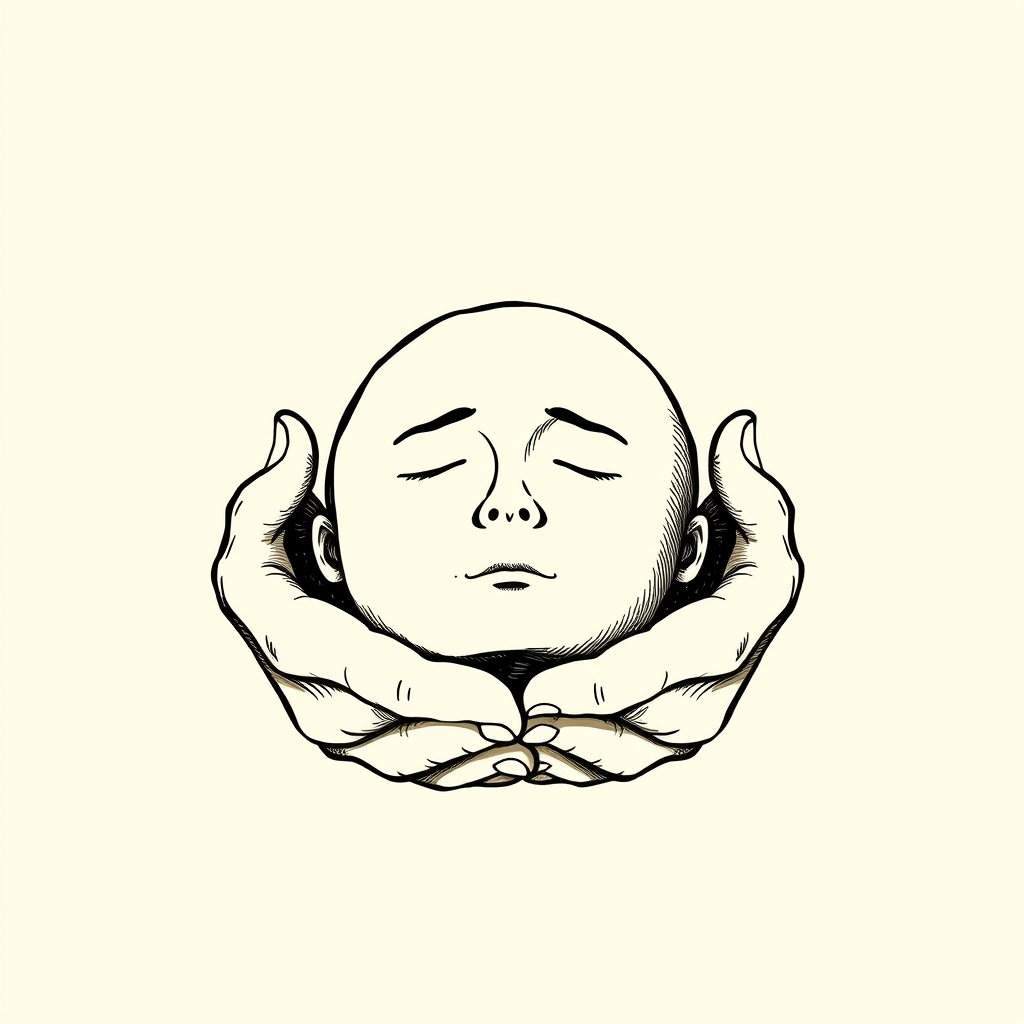
The saint is traditionally depicted carrying his head or with eyes by his side, symbolizing his patronage against eye diseases.
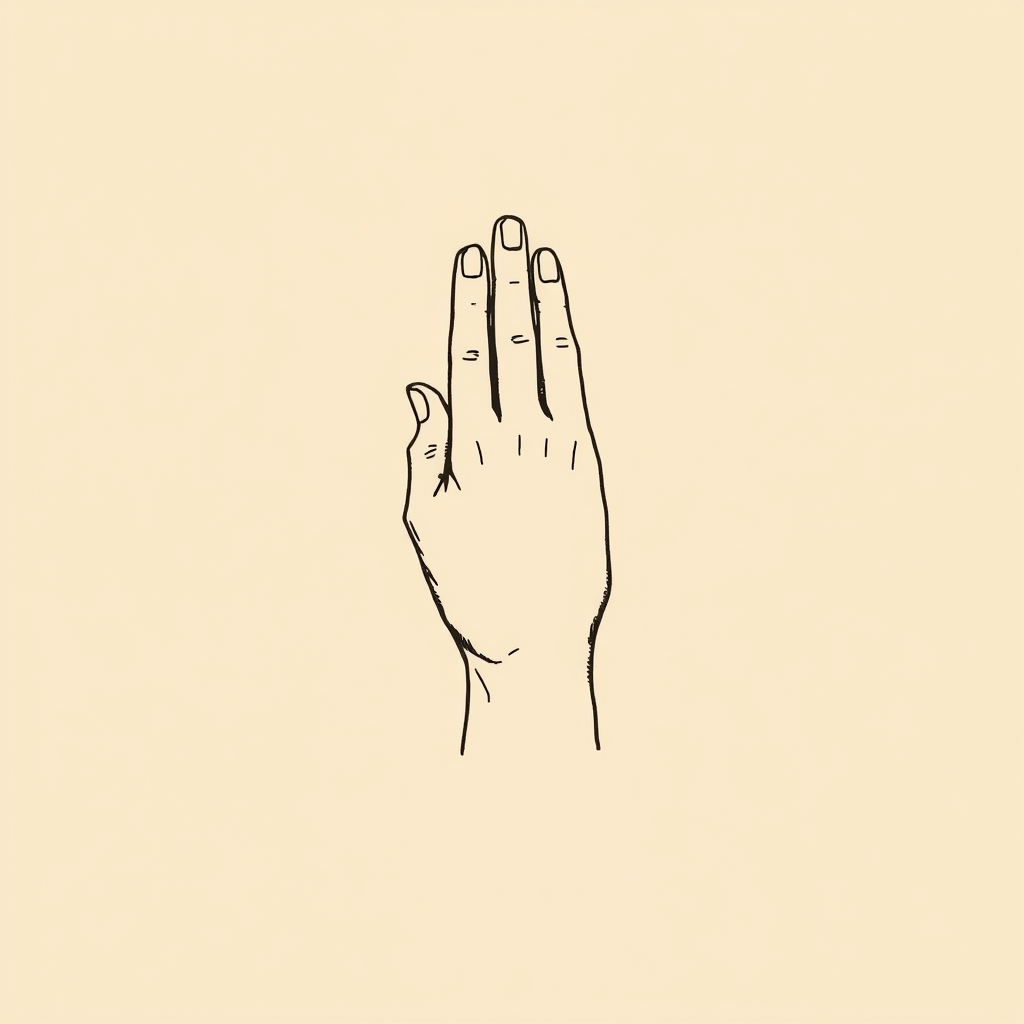
He is sometimes found depicted with eyes near him, as if they had been plucked out; but this is simply a popular way of expressing that he was invoked against eye ailments. — He is also depicted carrying his head; but to recall the devotion of which he was the object, he is shown covering his eyes with the hand that is not supporting the burden.
Cult and pilgrimages
An important pilgrimage developed at Saint-Clair-sur-Epte, attracting the faithful from the Vexin and the Beauvaisis, particularly for the healing of eyes.
## CULT AND RELICS.
The body of the Blessed one, illustrated by several miracles, was raised from the earth and exposed to the veneration of the faithful. His cult soon became very famous. The blind and those afflicted with eye ailments invoked him, and were often cured of their infirmities. A famous pilgrimage was established in his honor at Saint-Clair-sur-Epte. Every year, on July 18, a large number of pious visitors from the neighboring regions are seen arriving, and in particular from the part of the Vexin included today in the diocese of Beauvais. These pilgrims go to pray, not only in the church where the relics of Saint Clair rest, but in a chapel built, according to the tradition of the region, on the very site of the cell that served as his dwelling.
One sees, at the entrance of this chapel, a stone bearing this inscription: "On this stone, Saint Clair was beheaded." — In the diocese of Beauvais, besides the church of Flavacourt, two chapels are dedicated to him: one at Tourly, in the canton of Chaumont; the other at La Fosse-Saint-Clair, in the parish of Biendonné, in the deanery of Chambly. — He is the patron of Saint-Clair, an annex of Ilescampes, in the diocese of Amiens. The church of Fricamps possesses some of his relics.
Sources
The account is based on the works of Abbés Sabatier and Corblot concerning the dioceses of Beauvais and Amiens.
Excerpt from the Life of the Saints of Beauvais, by Abbé Sabatier, and from the Hagiography of the Diocese of Amiens, by Abbé Corblot.
Iconography
Signs and attributes

Entities
Narrative network
The names, places, and concepts most present in the entry, weighted by centrality in the text.
The supernatural in their life
The miracles of Saint Clair (Vexin)
Frequently asked questions about Saint Clair (Vexin)
Who was Saint Clair (Vexin)?
A priest originally from England, Saint Clair went into exile in Neustria to lead a life of asceticism and prayer. After living as a hermit and a monk, he retired to the Vexin where he was assassinated in 886 by hired killers sent by a woman whose advances he had rejected. Tradition reports that he carried his head after his decapitation to the place of his burial.
What is Saint Clair (Vexin) the patron saint of?
Patronage of Saint Clair (Vexin): Flavacourt, Sancourt, Saint-Clair-sur-Epte and Saint-Clair (Ilescampes).
What is Saint Clair (Vexin) invoked for?
Saint Clair (Vexin) is invoked for: eye ailments and the blind.
How is Saint Clair (Vexin) depicted in Christian art?
In iconography, Saint Clair (Vexin) is recognizable by: eyes (sometimes depicted alongside), head carried in hands and hand covering eyes.
How did Saint Clair (Vexin) die?
Saint Clair (Vexin) suffered martyrdom for the Christian faith (9th century).
What miracles are attributed to Saint Clair (Vexin)?
3 miracles are attributed to this saint, notably: Healing and Sign / wonder.
Which saints were contemporaries of Saint Clair (Vexin)?
Contemporaries include: Saint Ansgar (Apostle of the North), Saint Bernard of Menthon (Apostle of the Alps), Saint Rumold (Rombaud) and Saint Zachary, Pope.
Annexes & related entities
Structured data for exploration: events, miracles, quotes, places, attributes, patronages, and important entities cited in the text.
Key Events
- Born in Rochester, England
- Supernatural call to join Neustria
- Eremitic life near Cherbourg
- Entered the monastery of Maudun
- Ordination to the priesthood
- Eremitic life in the Vexin
- Martyred by beheading on the orders of a spurned woman
- Cephalophory (carried his head to his burial place)
Quotes
-
Clair, leave your country and go into Neustria to be entirely mine
Supernatural voice cited in the text -
On this stone, Saint Clair was beheaded
Inscription on a stone at the entrance of his chapel