
Saint William of Breteuil
A 12th-century Benedictine abbot, Guillaume led the abbey of Breteuil for thirty years with fervor and humility. Recognized for his wisdom and knowledge, he collaborated with great prelates of his time and obtained papal protection for his monastery. He died in 1130, leaving behind the image of a model of monastic perfection.
Contemporaries

Figures and markers around the normalized period for this entry.
Guided reading
4 reading sections
SAINT GUILLAUME, ABBOT OF BRETEUIL
Origins of the Abbey of Breteuil
The Benedictine abbey of Breteuil was restored around 1050 by Count Gildoin, under the advice of the Bishop of Beauvais.
IN THE DIOCESE OF BEAUVAIS (1130).
The abbey of Breteuil (Bretalium) belonged to the Order of Saint B enedict; it was founded, or rather restored, around the year 1050, b y Gildoin, Count of Breteuil, father of Valéran, abbot of Saint-Vannes of Verdun, and of Hugues, Bishop of Langres. Gildoin, who later became a religious himself, rebuilt this monastery on the advice of Drogon, Bishop of Beauvais, and appointed as its first abbot Favard, a disciple of Richard, abbot of Verdun. This abbey was successively devastated by the English and the Calvinists. In 1645, it embrace d the reform of the Congre gation of Saint-Maur.
The Abbacy of William
William succeeds Abbot Raoul and leads the community with humility, imposing strict discipline and fostering study.
William had long been edi fying the religious of the monastery with his holy examples when their votes called him to succeed Raoul, their abbot, who had just died. His elevation did not cause him to lose any of his fervor or his humility. Regarding himself as even more obligated to show himself as a model to his brothers, he traced for them, through his own life, the path they were to follow to arrive at the perfection of the monastic state. Guillaume governed the abbey of Breteuil with a hand as firm as it was paternal. He caused piety, discipline, and the love of study to reign in his community, and caused it to acquire such a high reputation for regularity and science that the noblest lords vied with one another to increase its temporal prosperity. Through their generosity, it acquired the ownership of several priories and estates, favors for which William obtained confirmation from Pope Cal ixtus II at the Council of Reims.
Diplomatic role and reforms
Recognized for his wisdom, William collaborated with great prelates and participated in councils to stabilize the Church after the invasions.
William did not only dedicate his knowledge, his wisdom, and his strength to the abbey of Breteuil: he concerned himself with great solicitude for the affairs of religion and the Church. In the measures to be taken to repair the evils caused by the Norman invasions, he aided with his zeal and his insights Sa int Thomas of Canterbury, Sa int Godfrey of Amiens, Sa int Ivo of Chartres, a nd several other eminent prelates. He also offered useful counsel in several ecclesiastical assemblies gathered at Beauvais and Amiens, to address the peace of the Church, the observance of discipline, and the proper administration of the monasteries.
End of life and legacy
William died in 1130 after thirty years of spiritual leadership, leaving behind a prosperous and respected abbey.
The blessed abbot died in 1130, rich in merits, and mourned by his religious whom he had guided for thirty years with such tender solicitude on the path of eternal life.
Excerpt from the Life of the Saints of Beauvais, by Abbé Sabatier.
Iconography
Signs and attributes
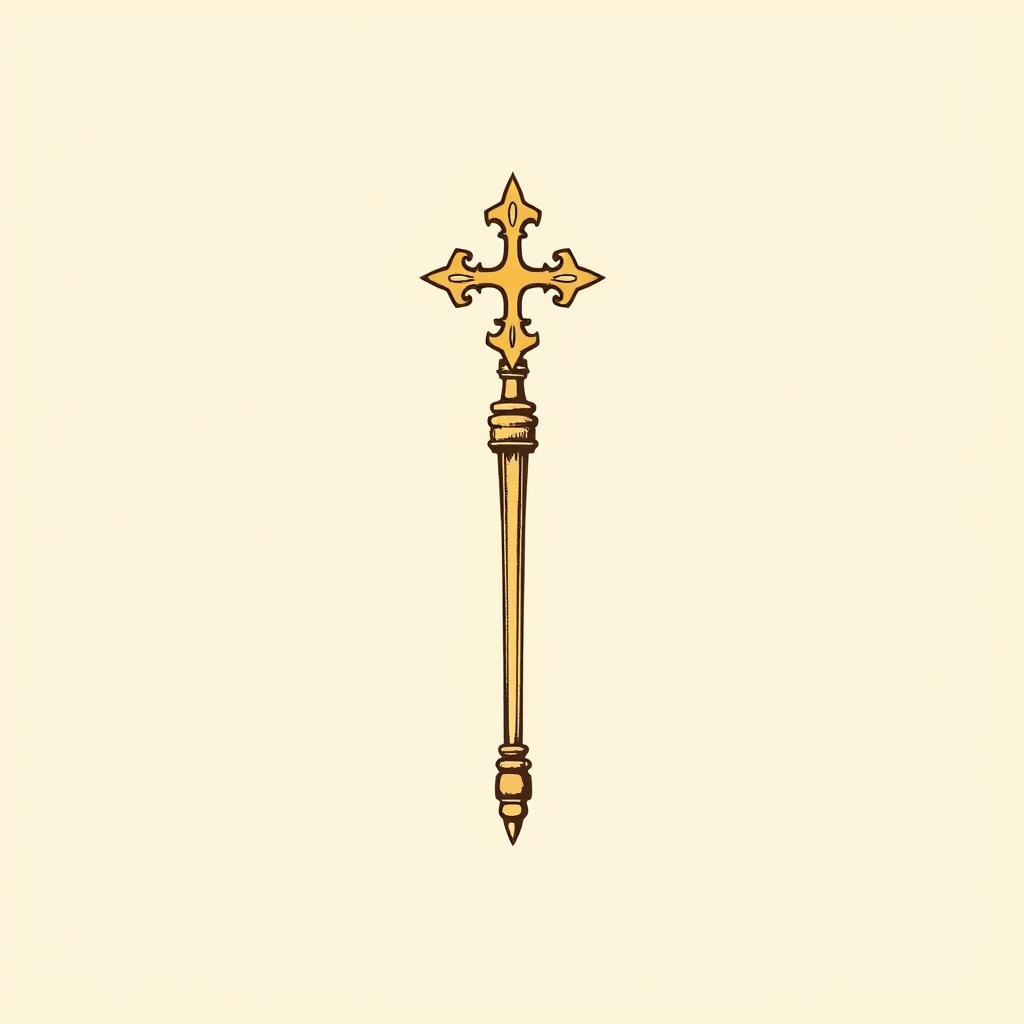

Entities
Narrative network
The names, places, and concepts most present in the entry, weighted by centrality in the text.
Frequently asked questions about Saint William of Breteuil
Who was Saint William of Breteuil?
A 12th-century Benedictine abbot, Guillaume led the abbey of Breteuil for thirty years with fervor and humility. Recognized for his wisdom and knowledge, he collaborated with great prelates of his time and obtained papal protection for his monastery. He died in 1130, leaving behind the image of a model of monastic perfection.
What is Saint William of Breteuil the patron saint of?
Patronage of Saint William of Breteuil: Breteuil Abbey.
How is Saint William of Breteuil depicted in Christian art?
In iconography, Saint William of Breteuil is recognizable by: abbot's crosier and Benedictine habit.
Which saints were contemporaries of Saint William of Breteuil?
Contemporaries include: Saint Norbert of Magdeburg, Saint Bernard of Clairvaux, Saint Stephen of Hungary and Saint Arthaud of Belley.
When did Saint William of Breteuil die?
Saint William of Breteuil died around 1130.
What are the other names of Saint William of Breteuil?
Other forms of the name: Guillaume.
Annexes & related entities
Structured data for exploration: events, miracles, quotes, places, attributes, patronages, and important entities cited in the text.
Key Events
- Religious at the monastery of Breteuil
- Election as abbot succeeding Raoul
- Confirmation of the abbey's properties by Pope Callixtus II at the Council of Reims
- Participation in the ecclesiastical assemblies of Beauvais and Amiens
- Governance of the abbey for thirty years