
An Irish monk of noble lineage, Kilian set out to evangelize Germania and established himself in Würzburg. Consecrated bishop by Pope Conon, he converted Duke Gozbert but opposed his illegitimate union with his sister-in-law Geila. The latter had him secretly assassinated along with his companions Colman and Totnan in 689.
Contemporaries

Figures and markers around the normalized period for this entry.
Guided reading
6 reading sections
SAINT KILIAN OR KILIAN,
BISHOP OF WÜRZBURG, IN GERMANY, AND MARTYR
Origins and Vocation
An Irish monk of noble lineage, Kilian manifested from childhood an ardent desire to evangelize pagan peoples despite the opposition of his relatives.
689. — Pope: Sergius I. — King of France: Theuderic III. « Quam speciosi pedes evangelizantium pacem, evangelizantium bona! » « How beautiful are the feet of those who bring glad tidings of good things! » Rom., x, 15. Saint Kilian was an Irish monk, who came fr om a family illu strious f or its virtues as much as for its nobility. From his earliest childhood, he was raised in the fear of God and in the human sciences, in which he made rapid and serious progress. It is said that while still very young, when he meditated on the love of Jesus Christ who shed His blood on the cross for our sins, his soul would take flight, so to speak, from the earth; for this holy inspiration inflamed his heart with the desire to bring the light of faith to the pagans who were still plunged in the shadows of death, and to plant the standard of redemption among these wretched slaves of sin. But his parents and friends strove, by all sorts of entreaties and observations, to weaken this project in him and to direct his zeal toward other objects. Nothing could sway him.
Mission and journey to Rome
Accompanied by Colman and Totnan, he crossed Gaul to settle in Würzburg before traveling to Rome to receive the approval of Pope Conon.
Distant missions attracted this ardent soul, for whom the mortifications of the cloister were not enough. Accompanied by the priest Colm an and the deacon To tnan, Kilian crossed the English Channel, traveled through the western and eastern provinces of Gaul, as Saint Columbanus had done before him, passed into Germania, and came to settle on the banks of the Main, in a small town then cal led Herbip olis, which has today become a great city under the name of Würzburg. The population was still pagan. Kilian and his companions soon learned the language: the descendant of Irish kings intended to evangelize these regions, but he did not wish to undertake it before having received the mission from the Sovereign Pontiff. He therefore left for Rome. "The Roman Church," say the acts, "was then presided over by Conon, a ven erable pontiff, deeply versed in divine and human letters, a vigilant administrator, a faithful dispenser of ecclesiastical functions. He welcomed the man of God with joy, and gave thanks to Providence, which raised up new missionaries and doctors in the remote islands of the Ocean. He conferred episcopal ordination upon Kilian and charged him to preach the faith of Jesus Christ to the Germanic peoples."
Meeting with Saint Fiacre
On his return, Kilian visits his relative, the hermit Fiacre, near Meaux, for a final spiritual exchange before rejoining his mission.
On his return, the missionary bishop passed through the city of M eaux, where Saint Faron spoke to him of the Irish hermit Fiacre, the wonder-worker of the banks of the Marne; Kilian visited this compatriot, in whom he recognized one of his close relatives. The interview was touching, and revealed the hitherto unknown origin and birth of the pious hermit. Fiacre begged Kilian to stay a few days with him, says the hagiographer, so great was his joy to be able to speak of his homeland and his family, abandoned for so long. Kilian acceded to his desire. The two saints therefore spent delightful hours together, not only speaking of memories of their earthly homeland, but conversing about the joys of heaven. Finally, commending one another to the Lord, they gave each other the kiss of peace and parted, never to see each other again on this earth.
Conversion and martyrdom
After converting Duke Gozbert, Kilian opposed the latter's illegitimate union with Geila, who ordered the secret assassination of the missionaries.
Kilian's first conquest in Herbipolis was that of the Duke of Franconia, Go zbert, soon followed by the conversion of the entire tribe. But the pious missionaries were to pay for this victory with their blood. Gozbert, before his conversion, was married to his sister -in-l aw Geila. When he was baptized, the bishop warned him of the irregularity of his union. The Duke, initially surprised by this requirement of Christian law, eventually found it to be what it truly is, that is to say, eminently preservative of the sanctity of the domestic hearth. He was therefore thinking of repudiating Geila, when this vindictive woman had Kilian and his two companions, the priest Colman and the deacon Totnan, slaughtered during the night (July 8, 689).
Discovery and Cult
The crime is revealed by Burganda and the bodies are recovered; the relics are later transferred to the Cathedral of Würzburg while the perpetrators perish tragically.
The executioners buried the bodies of the martyrs along with the belongings, books, and clothing that had belonged to them. Geila had given this order, intending to spread the rumor that the three foreigners had spontaneously fled and that their whereabouts were unknown. Such was indeed the official version they sought to prevail. But the crime had been witnessed by a pious Christian woman named Burganda, who had scrupulously not ed the p lace where the martyrs were buried. Their relics were transferred in the following century by Bishop Burchard to the Cathedral of Würzburg. As for the murderers, one of them died in the thr oes of madness, confessing his crime; the other plunged his own sword into his chest. Geila went mad. She would go about repeating these words: 'Kilian! Kilian! Your name means chalice, but it is poison that you pour into my bowels!' Finally, Gozbert, dethroned by his own children, perished under the dagger of a slave.
Iconography and sources
The saint is traditionally depicted with a sword or a dagger, often surrounded by his two companions in martyrdom.
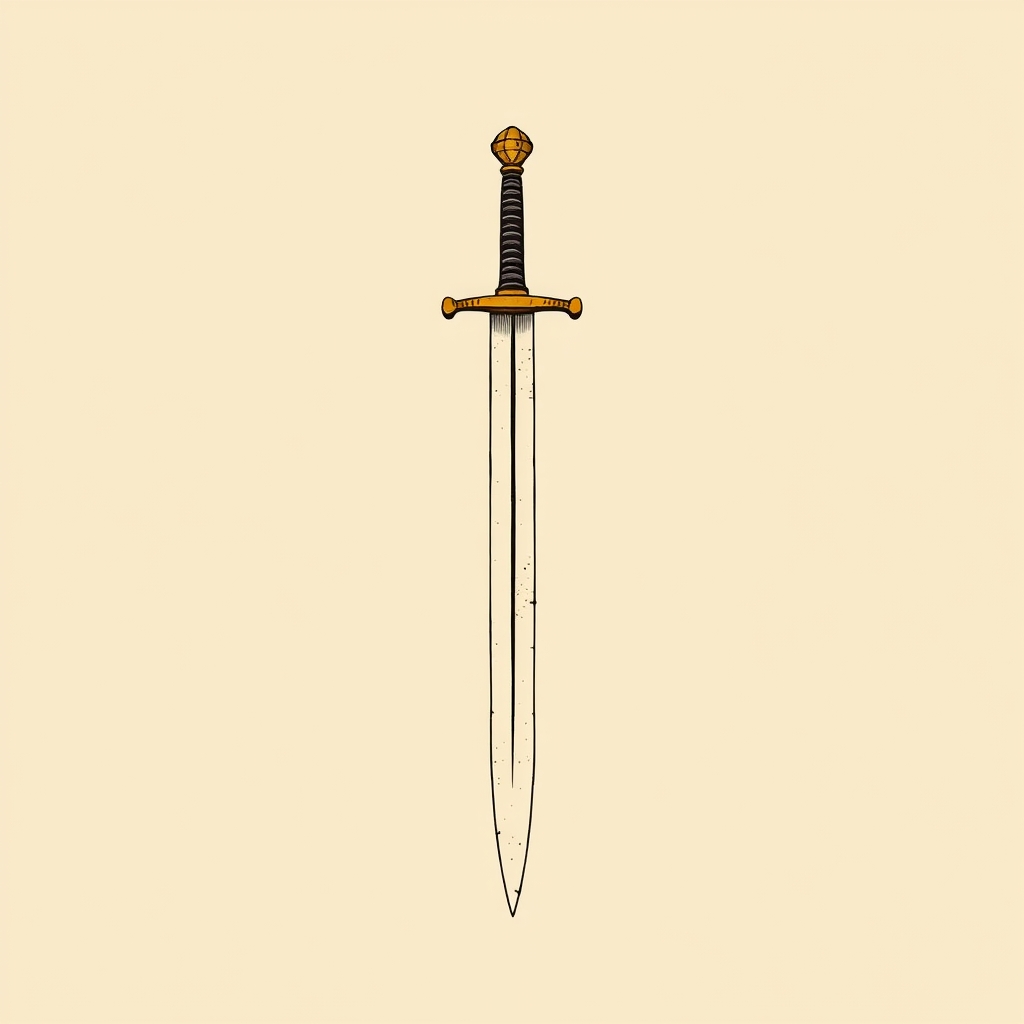
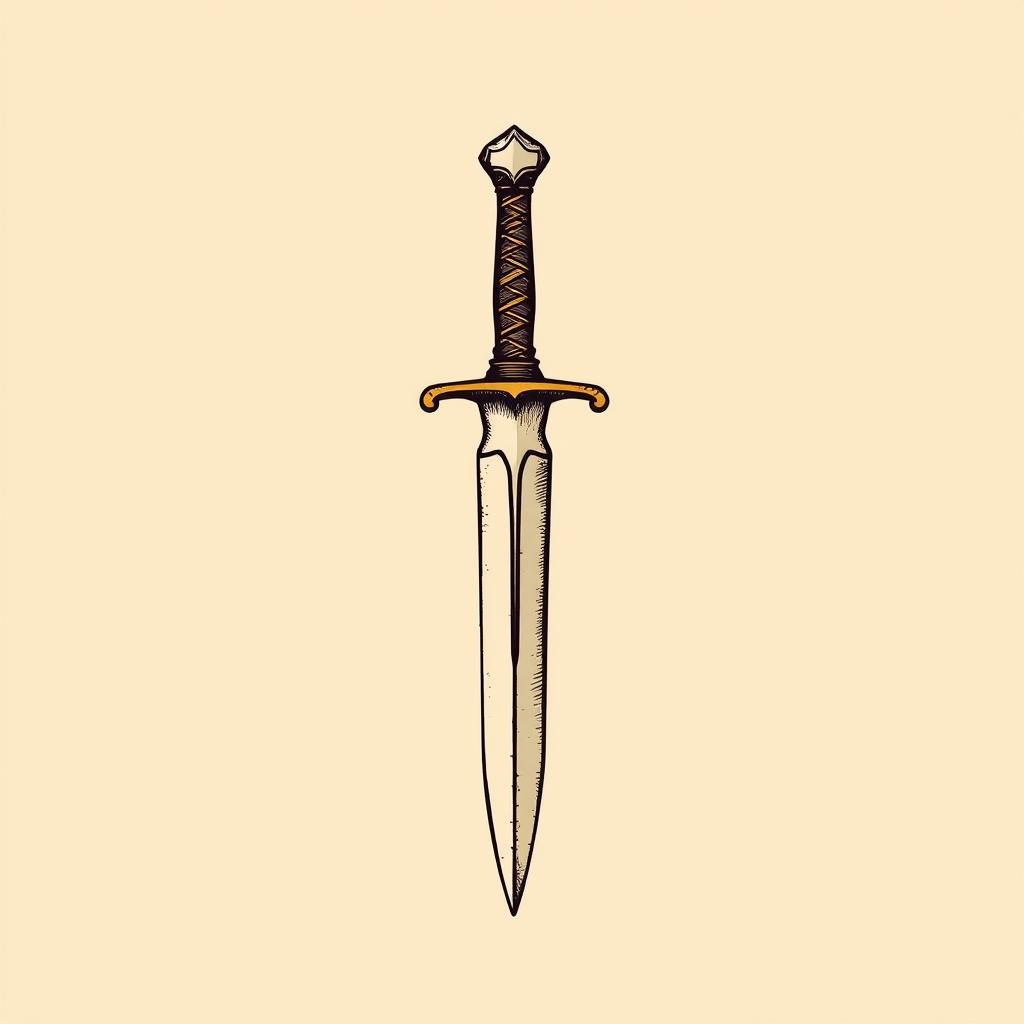
Saint Kilian is represented: 1° with a sword in his hand, or his breast pierced by a dagger, to recall his martyrdom; 2° in a group, with his two companions, Colman and Totnan.
Acta Sanctorum, volume II of July, translation by Abbé Darras, in his Histoire de l'Église; — Cf. Godescard, Brussels edition.
Iconography
Signs and attributes

Entities
Narrative network
The names, places, and concepts most present in the entry, weighted by centrality in the text.
The supernatural in their life
The miracles of Saint Kilian (Cillian)
Frequently asked questions about Saint Kilian (Cillian)
Who was Saint Kilian (Cillian)?
An Irish monk of noble lineage, Kilian set out to evangelize Germania and established himself in Würzburg. Consecrated bishop by Pope Conon, he converted Duke Gozbert but opposed his illegitimate union with his sister-in-law Geila. The latter had him secretly assassinated along with his companions Colman and Totnan in 689.
What is Saint Kilian (Cillian) the patron saint of?
Patronage of Saint Kilian (Cillian): Würzburg and Franconia.
How is Saint Kilian (Cillian) depicted in Christian art?
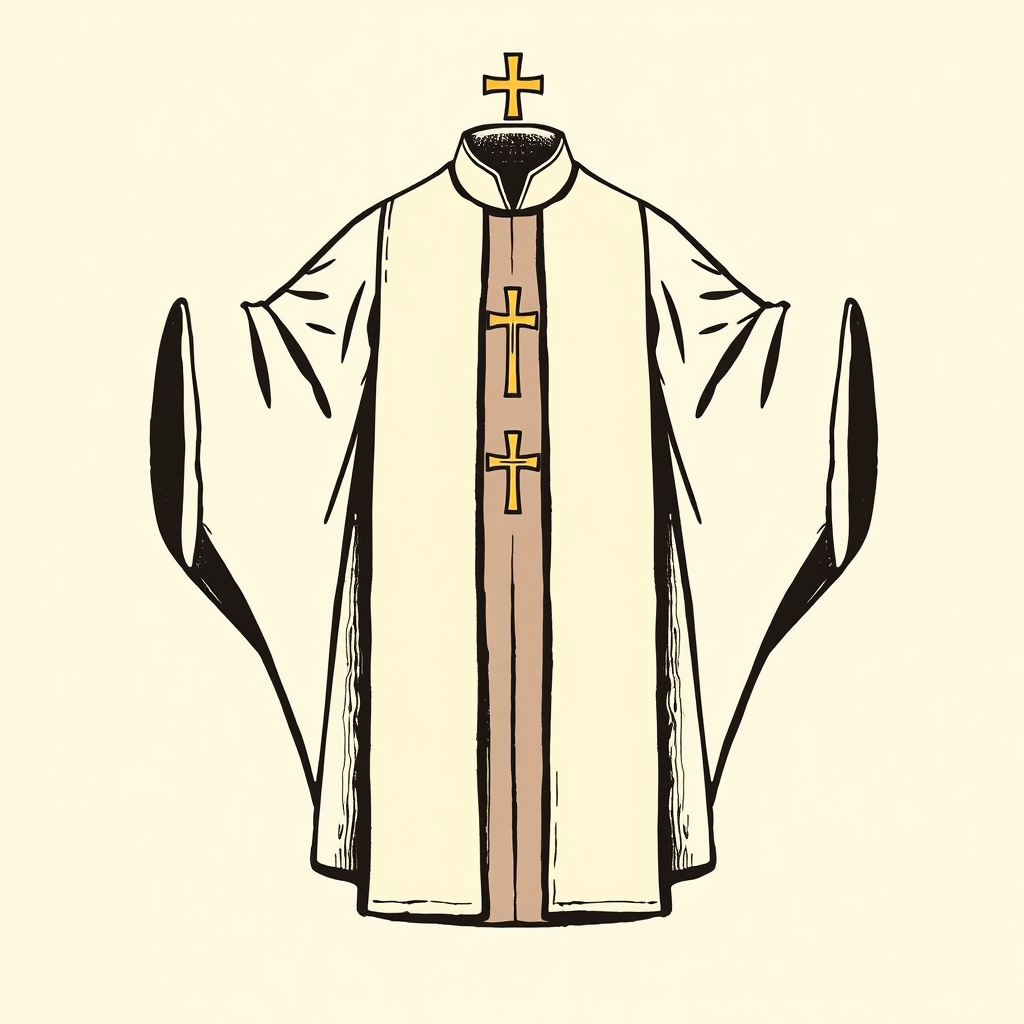
In iconography, Saint Kilian (Cillian) is recognizable by: sword, dagger in the breast, group with Colman and Totnan and episcopal vestments.
How did Saint Kilian (Cillian) die?
Saint Kilian (Cillian) suffered martyrdom for the Christian faith (7th century).
What miracles are attributed to Saint Kilian (Cillian)?
2 miracles are attributed to this saint, notably: Prophecy / infused knowledge and Sign / wonder.
Which saints were contemporaries of Saint Kilian (Cillian)?
Contemporaries include: Saint Priest (Prix), Saint Gregory the Great (Pope and Doctor of the Church), Saint Die (Didier, Deodat) and Saint Augustine of Canterbury.
What are the other names of Saint Kilian (Cillian)?
Other forms of the name: Kilian and Cillian.
Who are the relatives of Saint Kilian (Cillian)?
Relatives of Saint Kilian (Cillian): Saint Fiacre (close relative).
Annexes & related entities
Structured data for exploration: events, miracles, quotes, places, attributes, patronages, and important entities cited in the text.
Key Events
- Departure from Ireland to evangelize the pagans
- Journey through Gaul and Germania
- Settled in Herbipolis (Würzburg)
- Journey to Rome and reception by Pope Conon
- Episcopal ordination by the Pope
- Conversion of Duke Gozbert
- Nocturnal assassination ordered by Geila
Quotes
-
Quam speciosi pedes evangelizantium pacem, evangelizantium bona!
Rom., x, 15 (cited in introduction) -
Kilian! Kilian! Your name means chalice, but it is poison that you pour into my bowels!
Words of Geila (tradition)