
Of Anglo-Saxon origin, Saint Rumold renounced his nobility to evangelize the region of Mechelen after a pilgrimage to Rome. He founded a monastery there and performed numerous miracles, including the resurrection of the son of Count Adon. He died a martyr in 775, assassinated by two men whose misconduct he had denounced.
Contemporaries

Figures and markers around the normalized period for this entry.
Guided reading
6 reading sections
SAINT RUMOLD OR ROMBAUD, BISHOP AND MARTYR,
PATRON AND APOSTLE OF MECHELEN
Origins and pilgrimage to Rome
Rumold, of Anglo-Saxon origin, embraces poverty and travels to Rome to honor the apostles, driven by a growing desire for martyrdom.
Saint Rumold , an Anglo-Saxon by birth, left the world in his youth to embrace voluntary poverty; convinced that everything exceeding the needs of nature is a heavy and dangerous burden, he forbade himself the use of all pleasures. Driven by the desire for perfection, he set out for Rome to visit the tom b of the holy Apostles and all the places consecrated by religion in the capital of the Christian world. Along the way, he missed no opportunity to proclaim the word of God. During his stay in Rome, he continually visited the tombs of the Apostles and Martyrs; he imagined their virtues and their struggles, and the ardent desire for martyrdom took hold of his soul more and more.
Mission and miracles in Mechelen
Sent to Gaul, he settled in Mechelen with Count Adon, where he resurrected the young Libert and founded a monastery.
Obeying a warning from above, he set out for Gaul, having obtained the blessing of the Sovereign Pontiff, and he came to Mechelen, where he was received with kindness by Count Adon, to wh ose wife h e announced a happy fertility. He conferred baptism upon the child she brought into the world, and gave him the name Libert. Later, t his ch ild having drowned, the Saint called him back to life. In gratitude for such a great benefit, the parents gave a piece of land to Rumold, and the Saint began the construction of a monastery which was later changed into a college of regular canons.
Evangelization and martyrdom
Having become the apostle of the region, he was assassinated in 775 by two men, one of whom had been punished for adultery, before being miraculously interred.
Rumold established the faith of Christ in Mechelen and in the surrounding areas, with such zeal and toil that he deserved to be named th e apostle of Mechel en. He often interrupted the external functions of his ministry to go and reflect in solitude. He was assassinated there on June 24, 775, by two scoundrels, one of whom, guilty of adultery, had experienced the effects of his zeal. The assassins threw his body into a river; but it was discovered miraculously and buried through the care of Count Adon, in the church of Saint Stephen; his reli cs were later transferred to a church.
Cult and translation of the relics
The history of his relics is marked by the elevation of Mechelen to a metropolitan see and the political vicissitudes of the Low Countries until the 19th century.
of his name, which is in Mechelen, and which Pope Paul IV raised to the dign ity of a metropolis. On April 3, 1369, they were deposited in a gilded silver shrine which was melted down in 1578 during the troubles that agitated the Low Countries. This loss was repaired in 1631, by means of a second silver shrine; it was taken away in 1794, at the second invasion of the French armies, and carried to the Bruss els mint to satisfy the exactions of the enemy. Finally, in 1825, on the occasion of the semi-centennial jubilee which was celebrated in Mechelen, the diocese contributed through voluntary donations to the making of a new silver shrine which still exists today.
Attributes and iconographic scenes
Description of the traditional motifs representing the saint, including his miracles, his supposed nobility, and the details of his martyrdom.
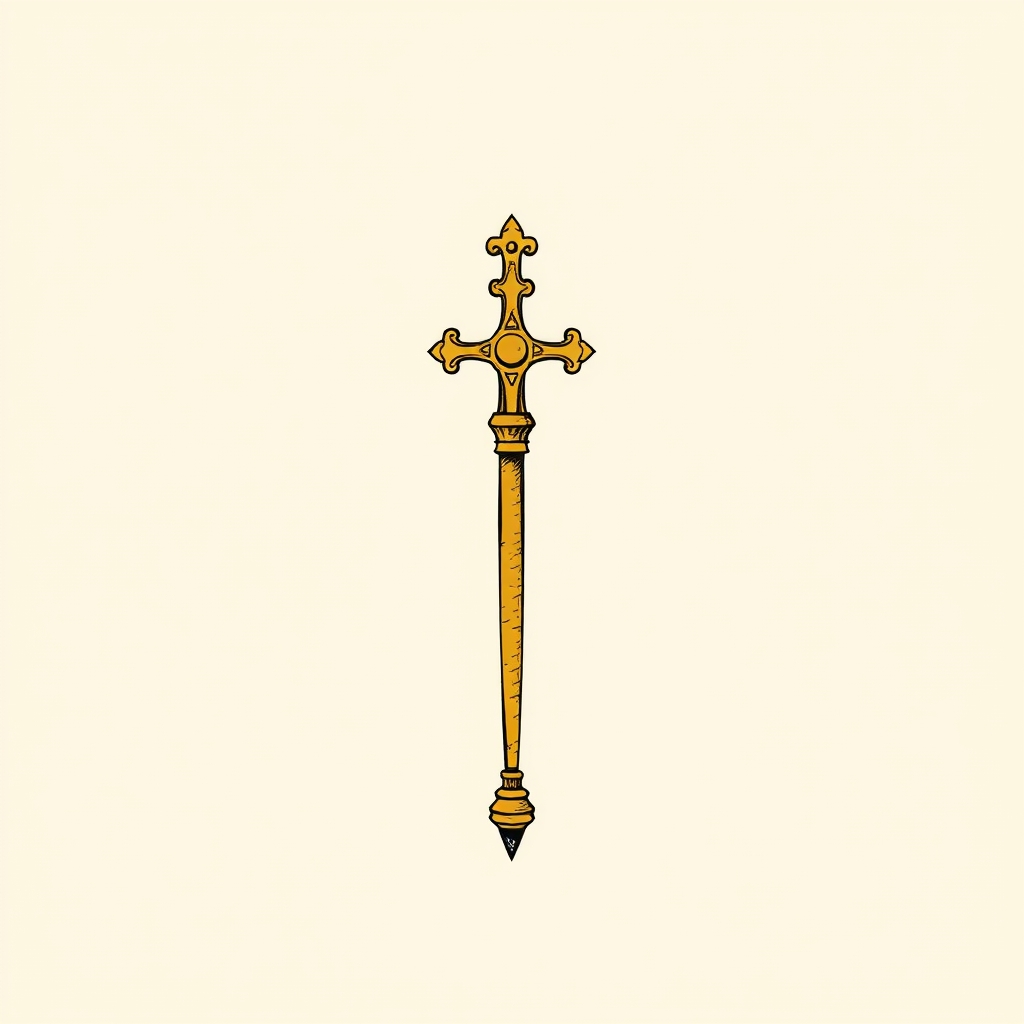
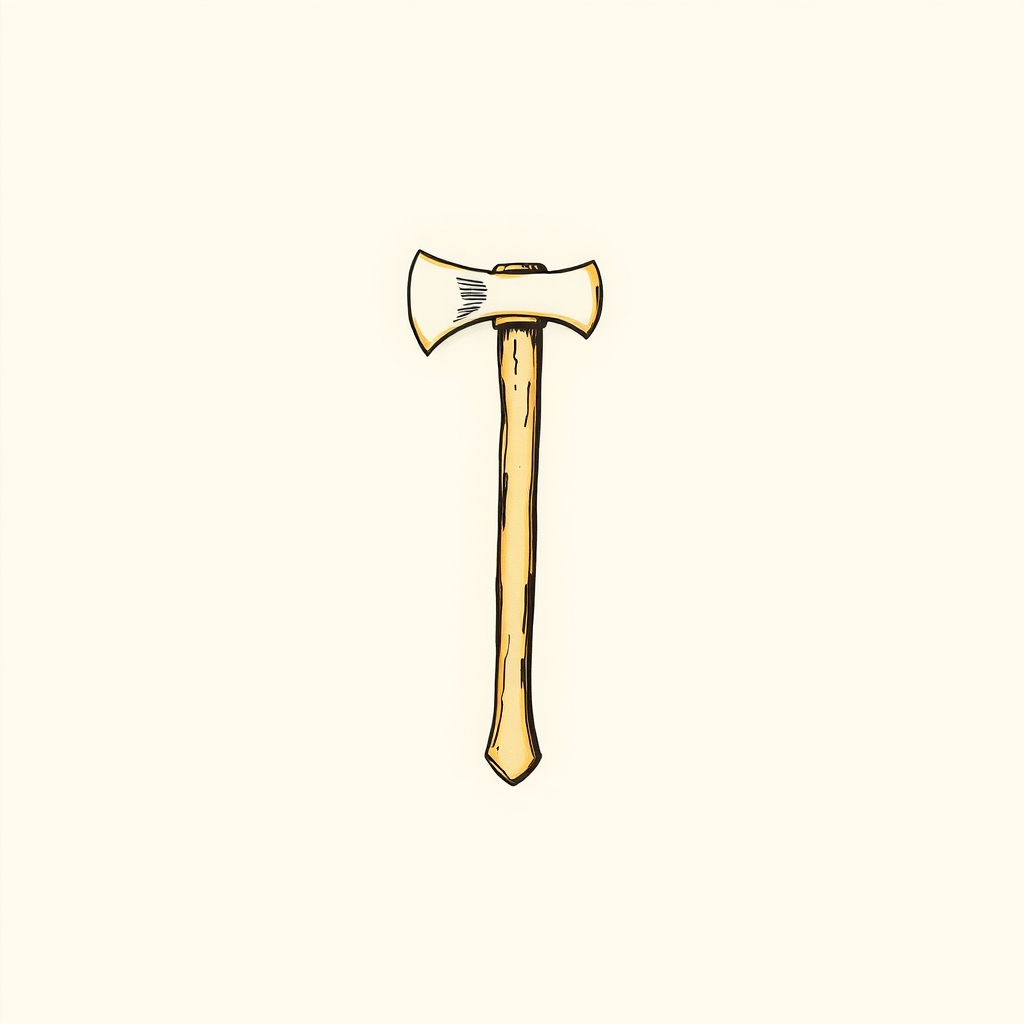
He is represented: 1° with a crown on his head, because he is considered the son of a Scottish or Irish lord; 2° restoring life to the young Duke of Mechelen who had been drowned for three days; 3° preaching in a wood; 4° coming to France and healing a blind man; 5° returning the insignia of the episcopate to the Pope to become a monk; 6° healing a possessed person; 7° having a monastery built; 8° protecting through his prayers a nun abducted by pirates; 9° causing a spring of living water to emerge from the ground by striking it with his crosier; 10° bludgeoned with a pickaxe, a pick, an axe, and a club by workers he employed in the construction of his church and whom he had rebuked for their misconduct; 11° found in the water following a miraculous light that had risen above the place where his body had been thrown by his murderers; 12° glorious and trampling his assassins underfoot.
Sources of the saint's life
References to major hagiographic texts, notably the Acta Sanctorum and the works of Godescard.
Acta Sanctorum , volume III of July: — Cf. Proper of Mechelen, Godescard, Rivet, etc.
Iconography
Signs and attributes




Entities
Narrative network
The names, places, and concepts most present in the entry, weighted by centrality in the text.
The supernatural in their life
The miracles of Saint Rumold (Rombaud)
Frequently asked questions about Saint Rumold (Rombaud)
Who was Saint Rumold (Rombaud)?
Of Anglo-Saxon origin, Saint Rumold renounced his nobility to evangelize the region of Mechelen after a pilgrimage to Rome. He founded a monastery there and performed numerous miracles, including the resurrection of the son of Count Adon. He died a martyr in 775, assassinated by two men whose misconduct he had denounced.
What is Saint Rumold (Rombaud) the patron saint of?
Patronage of Saint Rumold (Rombaud): Mechelen.
What is Saint Rumold (Rombaud) invoked for?
Saint Rumold (Rombaud) is invoked for: healing of the blind, deliverance of the possessed and protection against pirates.
How is Saint Rumold (Rombaud) depicted in Christian art?
In iconography, Saint Rumold (Rombaud) is recognizable by: crown, crozier, pickaxe, pike, axe and club.
How did Saint Rumold (Rombaud) die?
Saint Rumold (Rombaud) suffered martyrdom for the Christian faith (8th century).
What miracles are attributed to Saint Rumold (Rombaud)?
6 miracles are attributed to this saint, notably: Prophecy / infused knowledge, Resurrection, Healing and Exorcism.
Which saints were contemporaries of Saint Rumold (Rombaud)?
Contemporaries include: Saint Hidulph of Trier, Saint Ghislain (Guillain), Saint Lambert (Landebert) and Saint Amand of Maastricht.
What are the other names of Saint Rumold (Rombaud)?
Other forms of the name: Rombaud.
Who are the relatives of Saint Rumold (Rombaud)?
Relatives of Saint Rumold (Rombaud): Seigneur écossais ou irlandais (father).
Annexes & related entities
Structured data for exploration: events, miracles, quotes, places, attributes, patronages, and important entities cited in the text.
Key Events
- Departure for Rome and visit to the tombs of the Apostles
- Journey to Gaul with the Pope's blessing
- Arrival in Mechelen and reception by Count Adon
- Resurrection of young Libert, son of the count
- Foundation of a monastery in Mechelen
- Establishment of the Christian faith in the region
- Assassinated by two villains in solitude
- Translation of relics to the metropolis of Mechelen
Quotes
-
Vestra divitiæ sunt paupertas cupiditatum.
St. Clem. Alex., lib. II Pædagog.