
Saint Simplicius of Autun
Born into a noble Gallo-Roman family, Simplicius lived in chastity with his wife before becoming Bishop of Autun. He caused the Christian faith to triumph over the cult of Cybele and proved his virtue through the miracle of the burning coals. His episcopate was marked by his participation in the great councils of the 4th century and by the Vandal invasions.
Contemporaries

Figures and markers around the normalized period for this entry.
Guided reading
5 reading sections
SAINT SIMPLICIUS, BISHOP OF AUTUN (circa 420).
Origins and married life
Coming from a Gallo-Roman family, Simplicius led a life of chastity and charity with his wife before his elevation.
Simplicius came from one of those great and respectable Gallo-Roman families upon whom faith and virtue drew general esteem and consideration. Two virtues in particular distinguished him from his earliest years: an amiable simplicity and an eminently tender, active, and generous charity.
To conform to the desire of his father, who saw in him the hope of the family, Simplicius consented to enter into the bonds of marriage: the noble companion of his life brought him, besides the splendor of her birth, her fortune, and her grace, a treasure a thousand times more precious: virtue, piety, and all the qualities of mind and heart.
By mutual agreement, they resolved to live as brother and sister, to provide for the needs of a greater number of the unfortunate through the pooling of their fortunes, and to spend a portion of their nights together in prayer.
Election and Slander
Succeeding Egemon as bishop of Autun, he is falsely accused due to the continued presence of his wife by his side.
However, a certain number of years passed, and the holy bishop of Autun, Egem on , came to die. All eyes then turned spontaneously toward Simplicius; no one was judged more worthy than he to receive the inheritance of a Saint, more capable of repairing the loss that the Church of Autun had just suffered.
He indeed became one of the first of those eminent bishops who then began to play, not only in the religious order, but also in the social and civil order, a role so great, so useful, so salutary.
Nevertheless, as he had deemed it appropriate to keep with him, after his ordination, the one he regarded less as a wife than as a sister, not believing he should inflict upon her heart a useless, unjust, and cruel wound by removing her from his house, he could not escape the arrows of slander.
The inhabitants of the pagan city made a tumultuous demonstration against him on Christmas Day; but God himself took into his own hands the cause of his servant.
Miracles and the struggle against paganism
The miracle of the burning coals proves his purity, leading to massive conversions and the decline of the cult of Cybele.
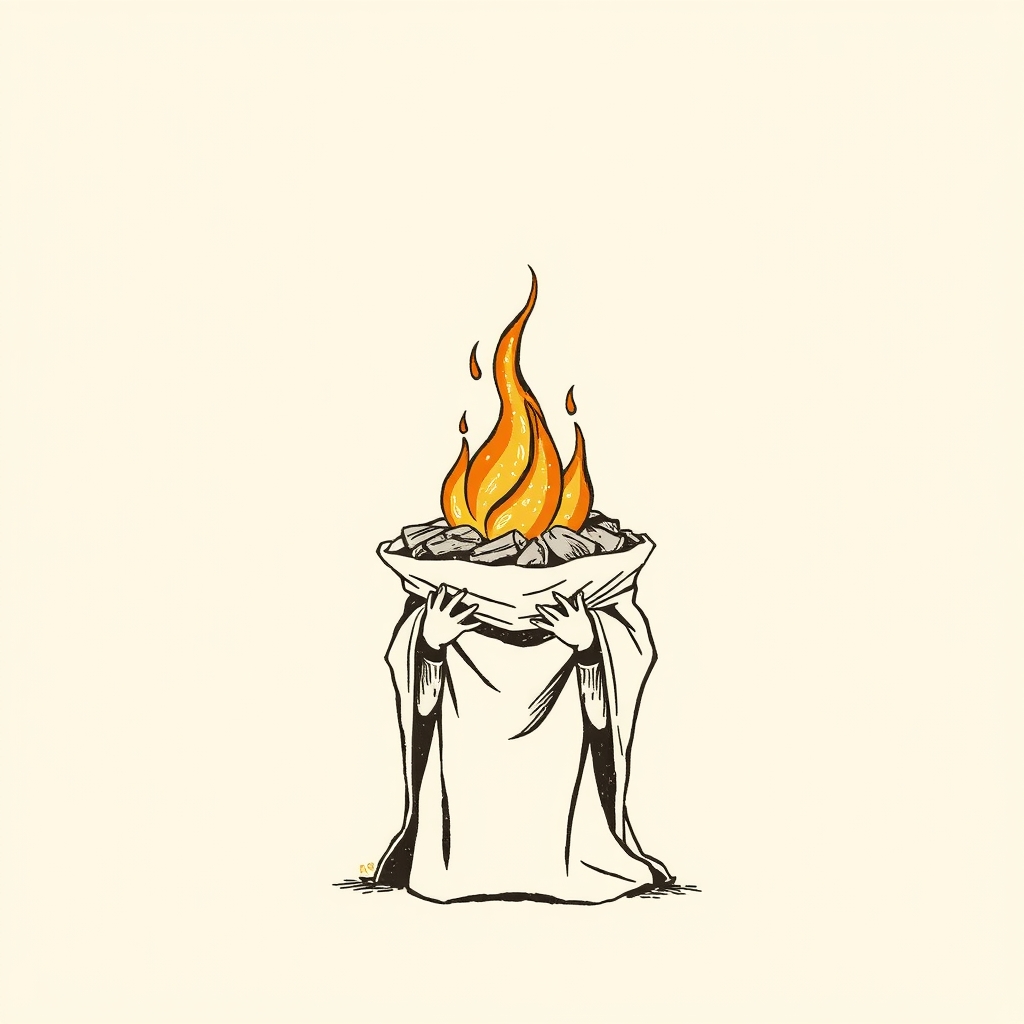
His virtuous wife, frightened, first tried to dissuade the people, then suddenly, moved as if by a heavenly inspiration, she spread her cloak, received into it, and also had deposited into a fold of Simplicius's cloak, burning coals before the eyes of all this gathered and agitated crowd. The fire respected the garments that covered these chaste bodies; immediately everyone cried miracle, and more than a thousand people, converted at the sight of this prodigy, asked for and received baptism.
Another miracle performed by the holy bishop opened the eyes of a great number of pagans and led them to abandon forev er the cult of Cybele, which was held in great veneration among them.
Relations and councils
A friend of Saint Amator, he participated in several major councils to defend orthodoxy and ecclesiastical discipline.
Simplicius had friendly relations with S aint Amator, Bishop of A uxerre; he signaled, through the consecration of a chapel in honor of Sai nt Symphorian, h is piety toward this first martyr of Autun.
It is commonly believed that he attende d the Council of C ologne held against t he Arian Eu phrates; Saint Athanasius counts him among those who, for the defense of his innocence and that of his faith, s ubscribed to the Co uncil of Sardica; he also took part in the Synod of Valence, held in 374, for the maintenance of ecclesiastical discipline.
Invasions and posterity
After facing the Vandal invasions, he died and left a legacy marked by his relics and his tomb in Autun.
The final years of his episcopate were troubled by the dreadful disasters that struck his diocese, when a swarm of Vandals, eme rging fr om the North, filled the territory of Autun with ruins and carnage.
Finally, after a long episcopate marked by countless conversions that finished making the country Christian, he died full of days and merits and came to take his place beside his predecessors. His body was placed in a tomb that was still preserved in the last century in the church of Saint-Pierre-l'Étrier.
A portion of his relics was long preserved in the abbey of Andoche and at Va l-de-Grâce, in P aris.
Proper of Au tun; — Cf . Dinet, Saint Symphorien et son culte.
Iconography
Signs and attributes
Entities
Narrative network
The names, places, and concepts most present in the entry, weighted by centrality in the text.
The supernatural in their life
The miracles of Saint Simplicius of Autun
Frequently asked questions about Saint Simplicius of Autun
Who was Saint Simplicius of Autun?
Born into a noble Gallo-Roman family, Simplicius lived in chastity with his wife before becoming Bishop of Autun. He caused the Christian faith to triumph over the cult of Cybele and proved his virtue through the miracle of the burning coals. His episcopate was marked by his participation in the great councils of the 4th century and by the Vandal invasions.
What is Saint Simplicius of Autun the patron saint of?
Patronage of Saint Simplicius of Autun: Autun.
How is Saint Simplicius of Autun depicted in Christian art?
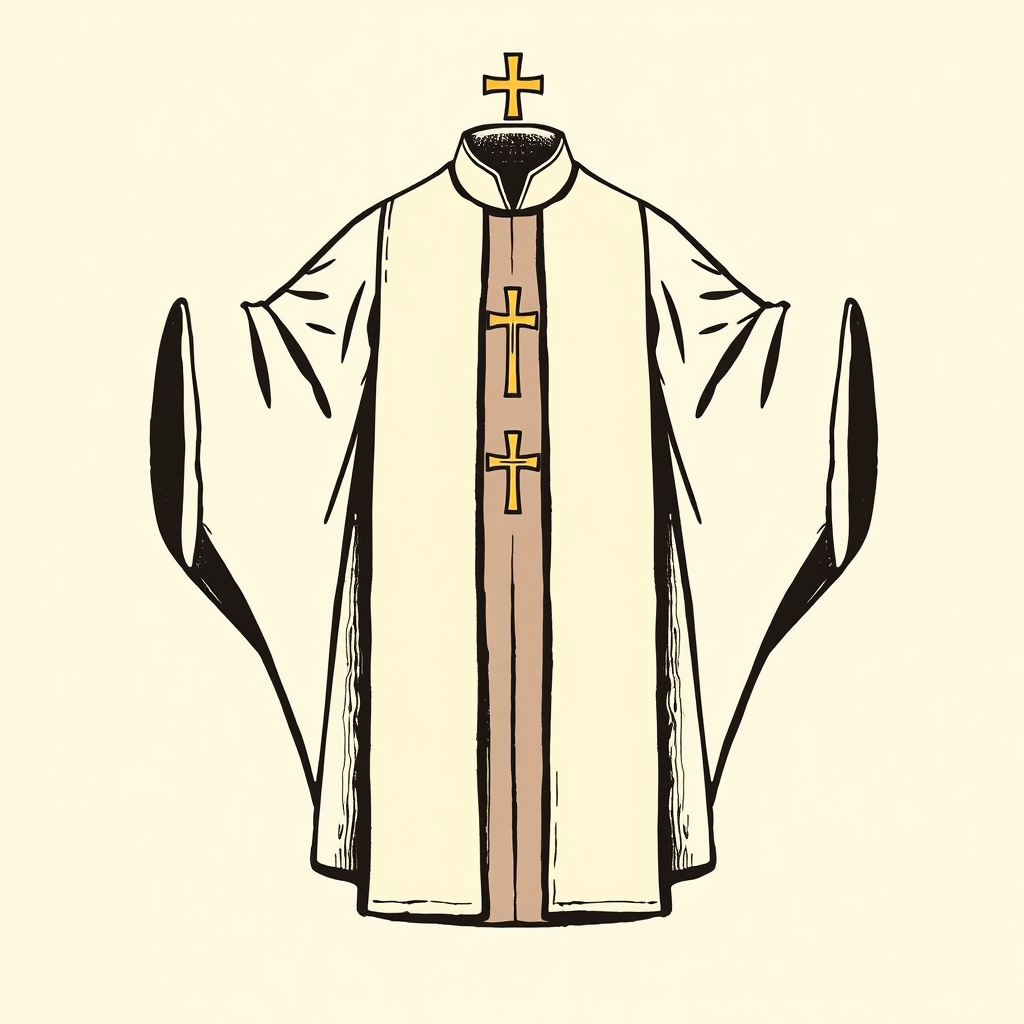
In iconography, Saint Simplicius of Autun is recognizable by: burning coals carried in a cloak and episcopal vestments.
What miracles are attributed to Saint Simplicius of Autun?
3 miracles are attributed to this saint, notably: Mastery of the elements, Sign / wonder and Conversion.
Which saints were contemporaries of Saint Simplicius of Autun?
Contemporaries include: Saint Augustine of Hippo, Saint Honoratus of Arles, Saint James of Tarentaise and Saint Jerome of Stridon.
When did Saint Simplicius of Autun die?
Saint Simplicius of Autun died around 420.
Who are the relatives of Saint Simplicius of Autun?
Relatives of Saint Simplicius of Autun: Inconnu (father) and Inconnu (wife).
Annexes & related entities
Structured data for exploration: events, miracles, quotes, places, attributes, patronages, and important entities cited in the text.
Key Events
- Marriage and vow of chastity shared with his wife
- Election to the episcopal see of Autun after the death of Egemon
- Miracle of the burning coals to prove his chastity on Christmas Day
- Destruction of the idol of Cybele
- Participation in the Council of Sardica and the Synod of Valence (374)
- Vandal invasion of the diocese of Autun