
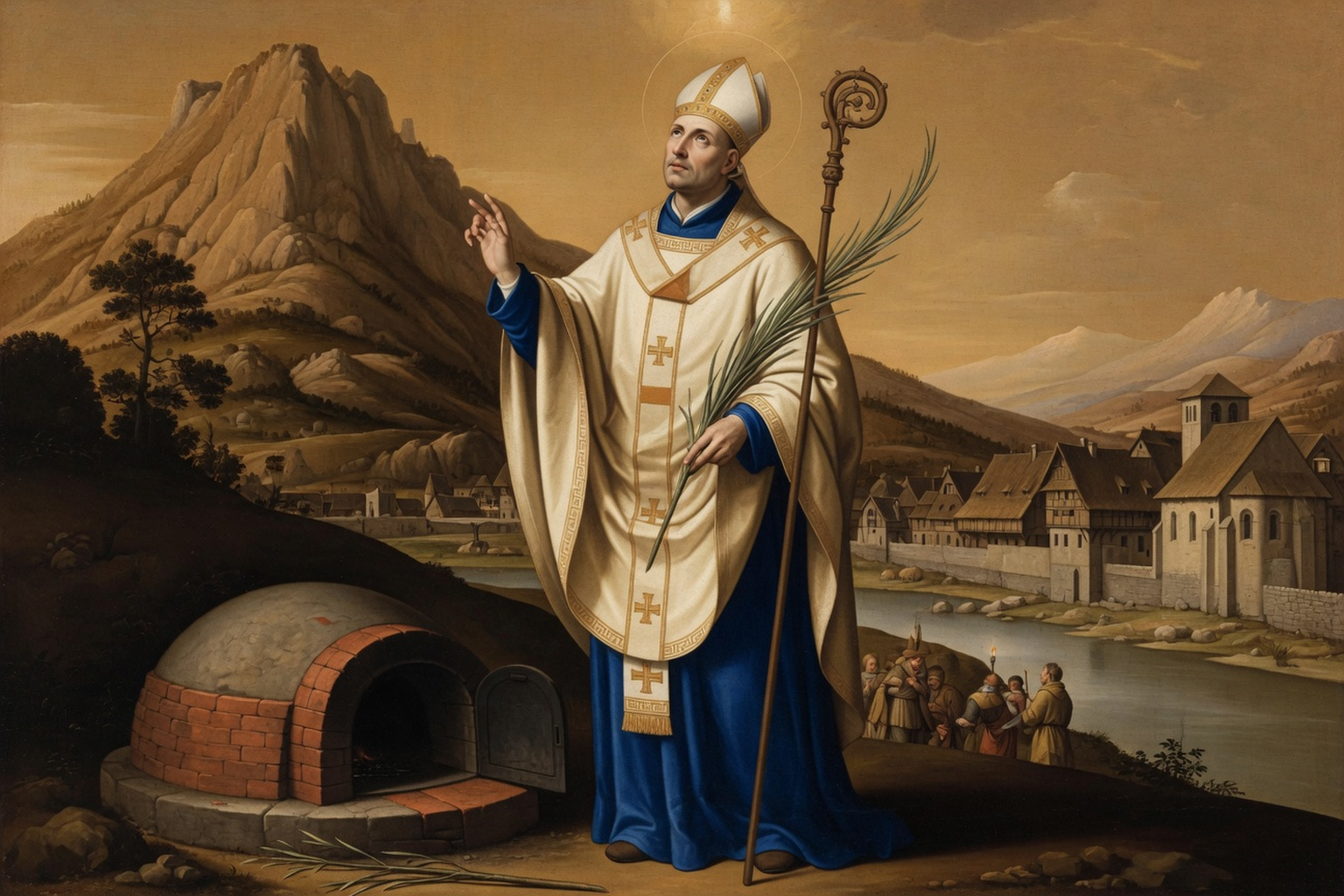
Bishop of Grenoble in the 8th century, Saint Ferjus dedicated himself to instructing his people in the face of heresy. While preaching on a hill overlooking the Isère, he was struck by an opponent and then thrown alive into an oven. His ashes and bones were collected by the faithful and deposited in La Tronche.
Contemporaries

Figures and markers around the normalized period for this entry.
Guided reading
6 reading sections
SAINT FERJUS OR FERRÉOL,
BISHOP OF GRENOBLE AND MARTYR
Portrait and pastoral zeal
Saint Ferjus, Bishop of Grenoble in the 8th century, distinguished himself by his holiness and his ardor in converting his people, who were then marked by infidelity and heresy.
Saint Ferjus , Bishop of Grenoble in the 8th century, shone with all the qualities that make great bishops: the holiness of his life, knowledge, pastoral solicitude, and zeal for the purity of the faith. His people were then enveloped in the darkness of infidelity and heresy, and lived in great disorder. Thus, Saint Ferjus worked with ardor and tirelessly, through his instructions and his examples, to bring his flock back to the knowledge of religion, to the rule of faith, and to the practice of piety.
Ministry on Mount Esson
The bishop regularly preaches on Mount Esson, overlooking the Isère, where he instructs the faithful despite a possible exile imposed by the mayor of the palace, Ebroin.
Above Grenoble, on the right bank of the Isère, rise s a high hill which was then called Mount Esson, and on the sl opes of which spread a small and charming plateau. This is probably the location occupied today by the Rabot fort. The pious bishop, finding this place suitable for the ministry of preaching, had a wooden pulpit set up there, and often came to preach the word of God, to explain the Holy Scriptures and the mysteries of the faith hidden therein. One can judge by this how much he thirsted for the glory of God and the salvation of souls. It can also be supposed that Saint Ferjus had been exiled or expelled from his episcopal city. At the very least, some say that it was at the instigation or by the orders of the cruel Ebroin, mayor of the ro yal pa lace, that he was put to death, as we are about to recount.
Teaching on the Trinity and Grace
During a public sermon, Ferjus expounds upon the mysteries of the divinity of Christ, the Trinity, and the necessity of grace for salvation.
One day, when a great crowd of men and women had gathered to hear him, the man of God, imbued with the spirit of the divine Master who, seeing the multitude, climbed the mountain to instruct them, ascended his pulpit as usual. He spoke at length there of the divinity and humanity of Jesus Christ, especially of his eternal coexistence with the Father and the Holy Spirit, of his eternal birth in the bosom of the Father, and of his birth in time from a mother who remained a virgin. No one, he added, without the help of the grace of Jesus Christ, can have access to the mercy of God; nor should anyone despair of his forgiveness, if he believes with all his heart and all the affection of his soul in him who said: 'I am the door; if anyone enters by me, he will be saved and will find pasture'; and who said in another place: 'No one comes to the Father except through me.'
Martyrdom and first burial
Assassinated with a blow from a willow branch and then thrown into a bread oven, his remains were collected by the faithful and buried at La Tronche.
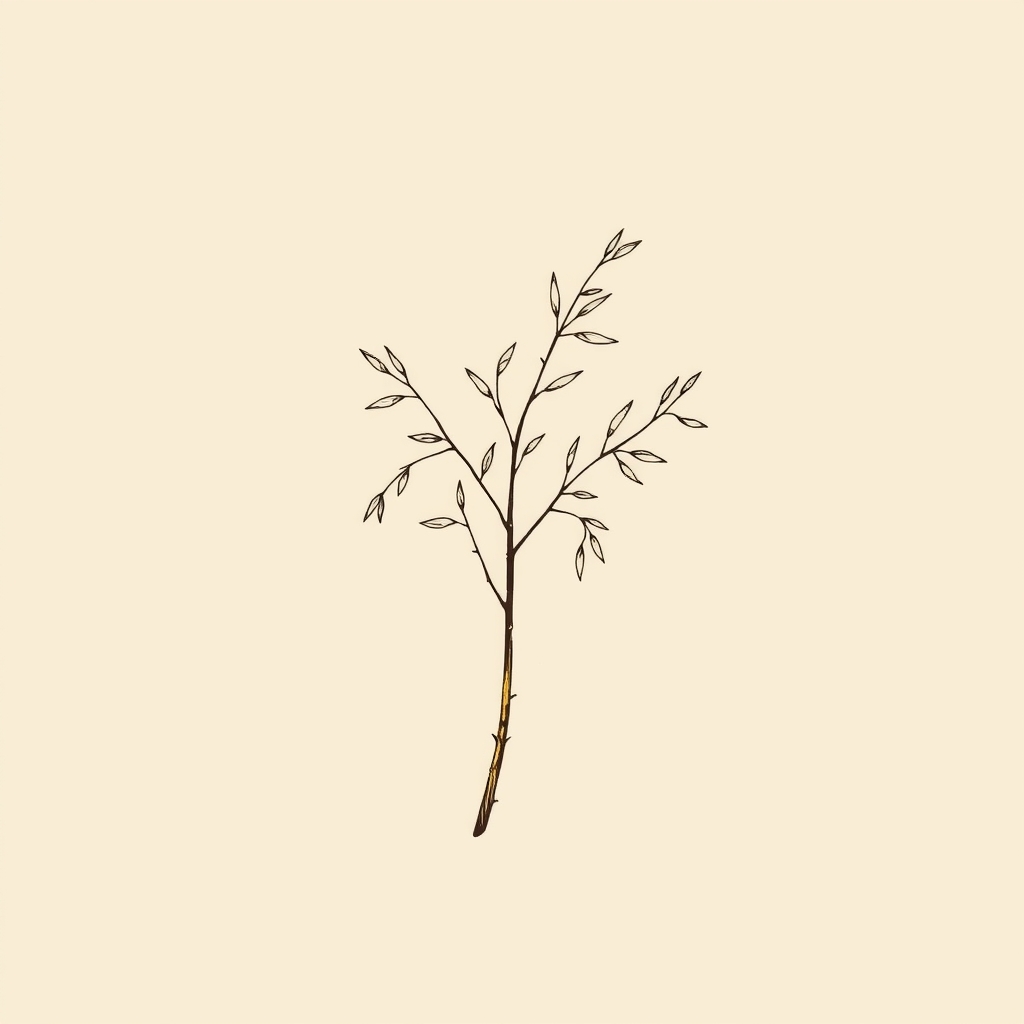
Such were the words of faith and charity that Saint Ferjus spoke with that warmth which animates a pious, vigilant pastor, entirely devoted to the salvation of his people, when one of those present, transported by fury and driven by that hatred of the demon which brought death into the world, after arming himself with a willow branch in a wood near the waters, struck his venerable head with a sacrilegious hand and knocked him unconscious. This attack did not satisfy the rage of the crazed men; other accomplices in a parricidal conspiracy ran up, violently seized the holy pontiff, and threw him into a nearby oven that was being heated by chance to bake bread. They did not withdraw until their impious crime was consummated. The flesh of the holy bishop was promptly reduced to ashes and his bones charred; but his soul, adorned with the palm of martyrdom, flew to heaven. These ashes and bones were collected by pious faithful who, not wishing to expose them to further profanation, did not bring them into the city, but descending from the mountain on the eastern side and going up the course of the Isère for the space of about two thousand paces, they went to bury them in a stone tomb, at the very place where the church of the parish of Saint-Ferjus was later built in his honor, which is now called La Tronche, and where, for some years, there had been only the com munal ceme tery. At the recent time of the relocation of the church, the municipal council of La Tronche had committed to rebuilding a commemorative chapel on the tomb of the parish's patron saint.
Restoration of the cult in the 19th century
In 1867, thanks to the bequest of Mr. Jarquier, a commemorative chapel was erected over his tomb in La Tronche to honor his memory.
This commitment was easily fulfilled in the year 1867, thanks to the liberality contained in the will of Mr. Jar quier, a la wyer, for the benefit of the commune and the church fabric of La Tronche. The main condition of his bequest in favor of the fabric was that a sum of at least 10,000 francs would be taken to erect a monument to Saint Ferjus. The fabric council hastened to execute the pious intentions of this generous benefactor; and the traveler who follows the banks of the Isère above Grenoble can now see, in the middle of the La Tronche cemetery, the chapel of Saint Ferjus, in a Romanesque style, grave and of good taste, surmounted by the statue of the holy bishop and martyr. The fabric devoted nearly 12,000 francs to this work. Mr. Jarquier, who thus discharged the debt of the commune, was a man as learned as he was disinterested. The history and the cult of the patron saint of his parish were the object of patient research and assiduous care on his part. He left us on this subject a manuscript memoir filled with erudition, which we have made use of, along with the legends of the ancient breviaries of Grenoble, for the drafting of this notice.
Historical sources and relics
The cult is attested from the 12th century by Saint Hugh. His relics, formerly in Varacieu, disappeared after having been the site of numerous miracles.
The catalogue of the bishops of Grenoble, which Saint Hugh drew up at the beginning of the 12th century, confirms the cult with which Saint Ferjus was honored in his diocese, by the exceptional epithet with which his name is pr eceded: Sanctus F ergeolus; and the ancient breviary of Grenoble, from 1513, adds to the legend that we have just translated, that God performed a great number of miracles for a long time at the tomb of his servant, and that he would still perform them there if, through the negligence of the inhabitants, his church had not been abandoned and his bones removed. These precious remains were at t hat time in the church of Varacieu, also in the diocese of Grenoble, without it being possible to say with certainty what became of them later.
The feast o f our Sai nt is indicated by Father Giry, on January 12, in the additions to the Martyrology of France. — Notice provided by M. Auvergne, canon, secretary of the bishopric of Grenoble.
Iconography
Signs and attributes
Entities
Narrative network
The names, places, and concepts most present in the entry, weighted by centrality in the text.
The supernatural in their life
The miracles of Saint Ferjus (Ferreol)
Frequently asked questions about Saint Ferjus (Ferreol)
Who was Saint Ferjus (Ferreol)?
Bishop of Grenoble in the 8th century, Saint Ferjus dedicated himself to instructing his people in the face of heresy. While preaching on a hill overlooking the Isère, he was struck by an opponent and then thrown alive into an oven. His ashes and bones were collected by the faithful and deposited in La Tronche.
What is Saint Ferjus (Ferreol) the patron saint of?
Patronage of Saint Ferjus (Ferreol): La Tronche and Diocese of Grenoble.
How is Saint Ferjus (Ferreol) depicted in Christian art?
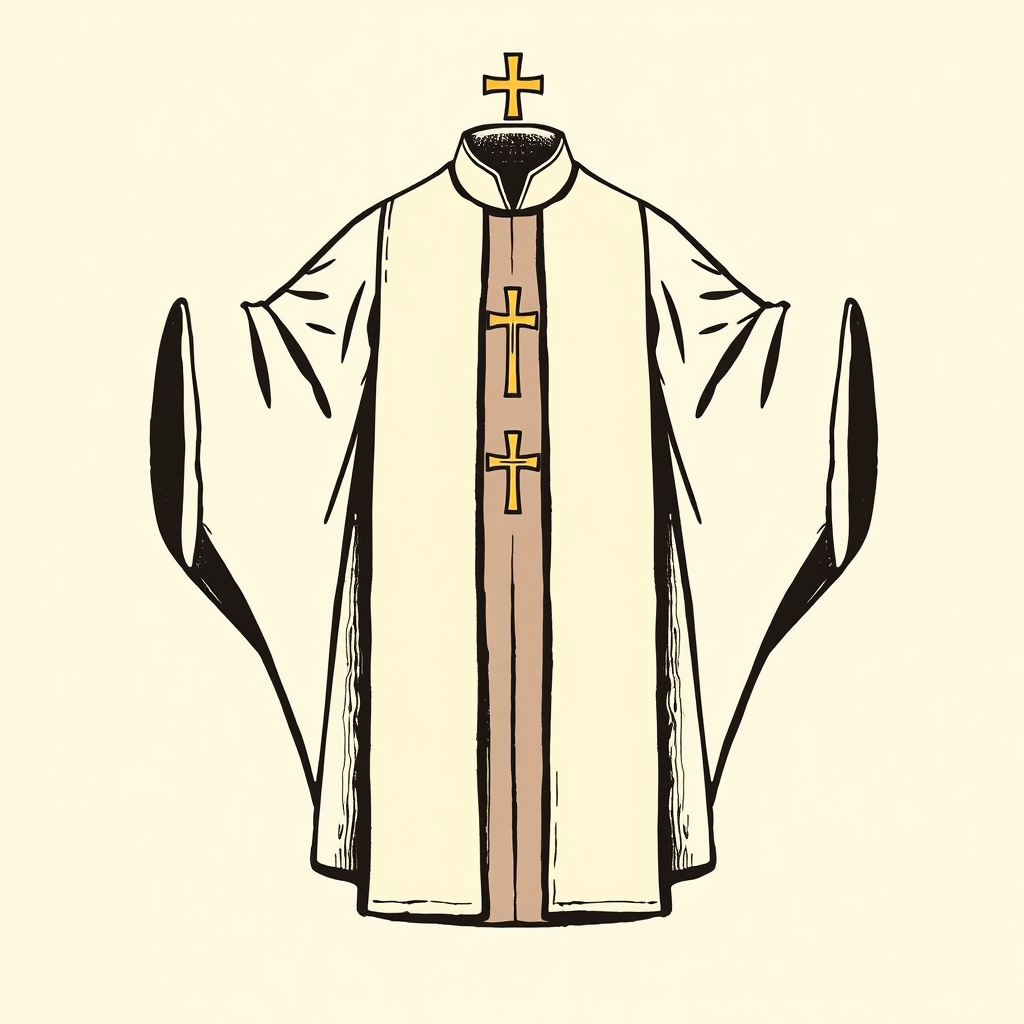
In iconography, Saint Ferjus (Ferreol) is recognizable by: episcopal vestments, palm of martyrdom, bread oven and willow branch.
How did Saint Ferjus (Ferreol) die?
Saint Ferjus (Ferreol) suffered martyrdom for the Christian faith (8th century).
What miracles are attributed to Saint Ferjus (Ferreol)?
1 miracle are attributed to this saint, notably: Sign / wonder.
Which saints were contemporaries of Saint Ferjus (Ferreol)?
Contemporaries include: Saint Hidulph of Trier, Saint Ghislain (Guillain), Saint Lambert (Landebert) and Saint Amand of Maastricht.
What are the other names of Saint Ferjus (Ferreol)?
Other forms of the name: Ferréol and Fergeolus.
Annexes & related entities
Structured data for exploration: events, miracles, quotes, places, attributes, patronages, and important entities cited in the text.
Key Events
- Episcopate in Grenoble marked by the struggle against heresy
- Possible exile or expulsion from his episcopal city
- Preaching on Mount Esson
- Assaulted by an assistant with a willow branch
- Martyrdom in the bread oven
Quotes
-
I am the gate; whoever enters through me will be saved and will find pasture
Words of Christ quoted by the Saint during his preaching