
Saint Maurin of Cologne
Abbot and martyr whose body was discovered in 906 in Cologne during the reconstruction of an oratory. His tomb, identified by an inscription, revealed relics exhaling a sweet odor and performing numerous miracles. Archbishop Volcmar, cured of an eye disease by a tooth of the saint, established his official feast day.
Contemporaries

Figures and markers around the normalized period for this entry.
Guided reading
3 reading sections
SAINT MAURIN, MARTYR IN COLOGNE.
Invention of the relics
In 906, during expansion work on an oratory in Cologne, the tomb of Saint Maurin was discovered with an inscription identifying his martyrdom.
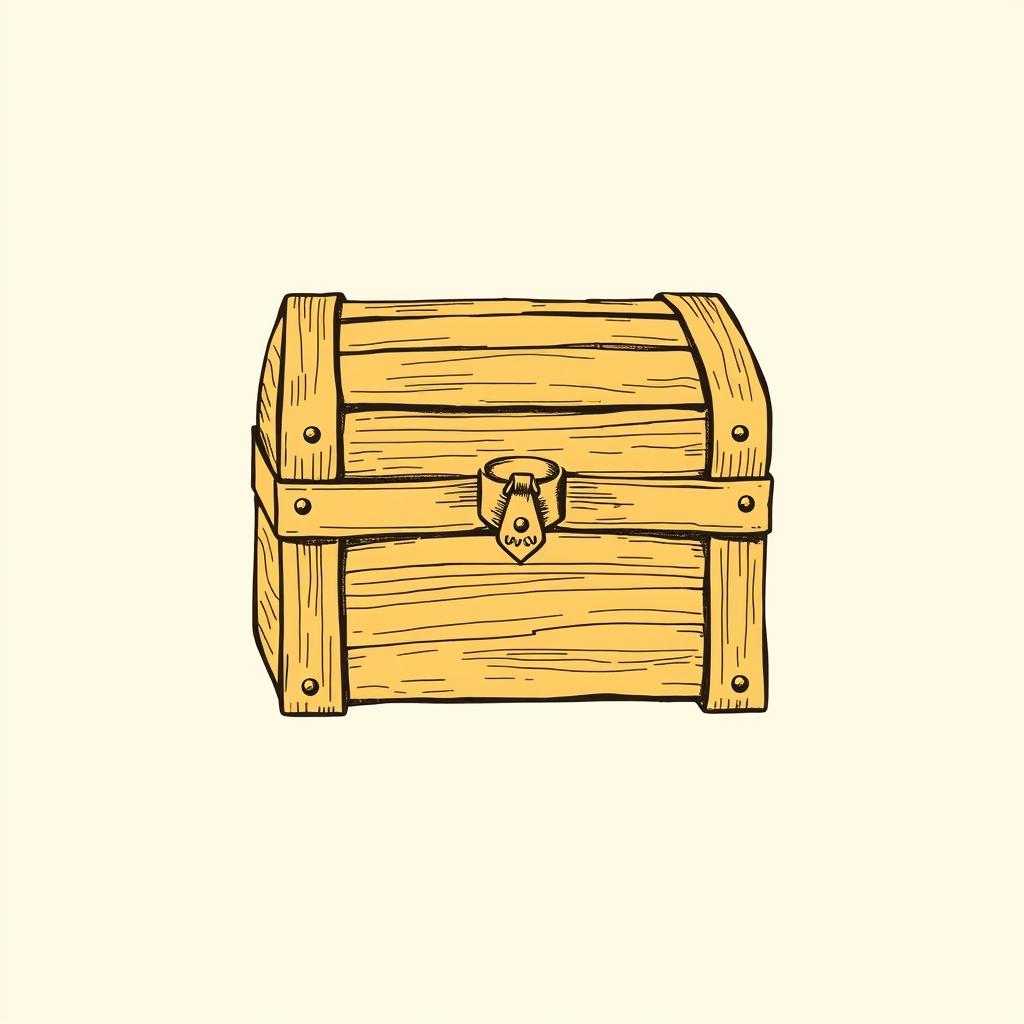
In the year of Our Lord 906, the oratory of Saints Pantaleon, Cosmas, and Damian, then situated outside the walls of Cologne, had fallen into ruin. While digging the foundations for a new church, larger than the first, the tomb of Saint Maurin, martyr, w as found. Th is was announced to Archbishop Volcmar, who came himself to inspect the stone that closed the sepulcher, and read upon it the following inscription: "Here rest the bones of Maur in, abbot, o f happy memory, who suffered martyrdom within the precincts of the church, on the 13th of June." After the stone had been moved, a wooden chest, bound in iron, was seen, which indicated precisely the time of the Martyr's torture. Volcmar, after having prayed, opened the coffin and discovered the holy rel ics. One could s ee on the whole body, and in particular on the arms, the marks of iron and the traces of a violent death. A very sweet odor, which exhaled from the body, struck all those present with a delightful sensation and a feeling of pious joy.
Miracles and recognition
Several miraculous healings, including that of a nun and Archbishop Volcmar, confirm the holiness of Maurin and lead to the institution of his feast day.
A nun, who for two years had lost the use of her sight and hearing, pushed through the crowd and advanced with great confidence to the tomb of the Martyr; she placed her hand upon it and immediately recovered both senses. Several other miracles further illustrated the tomb of the Martyr.
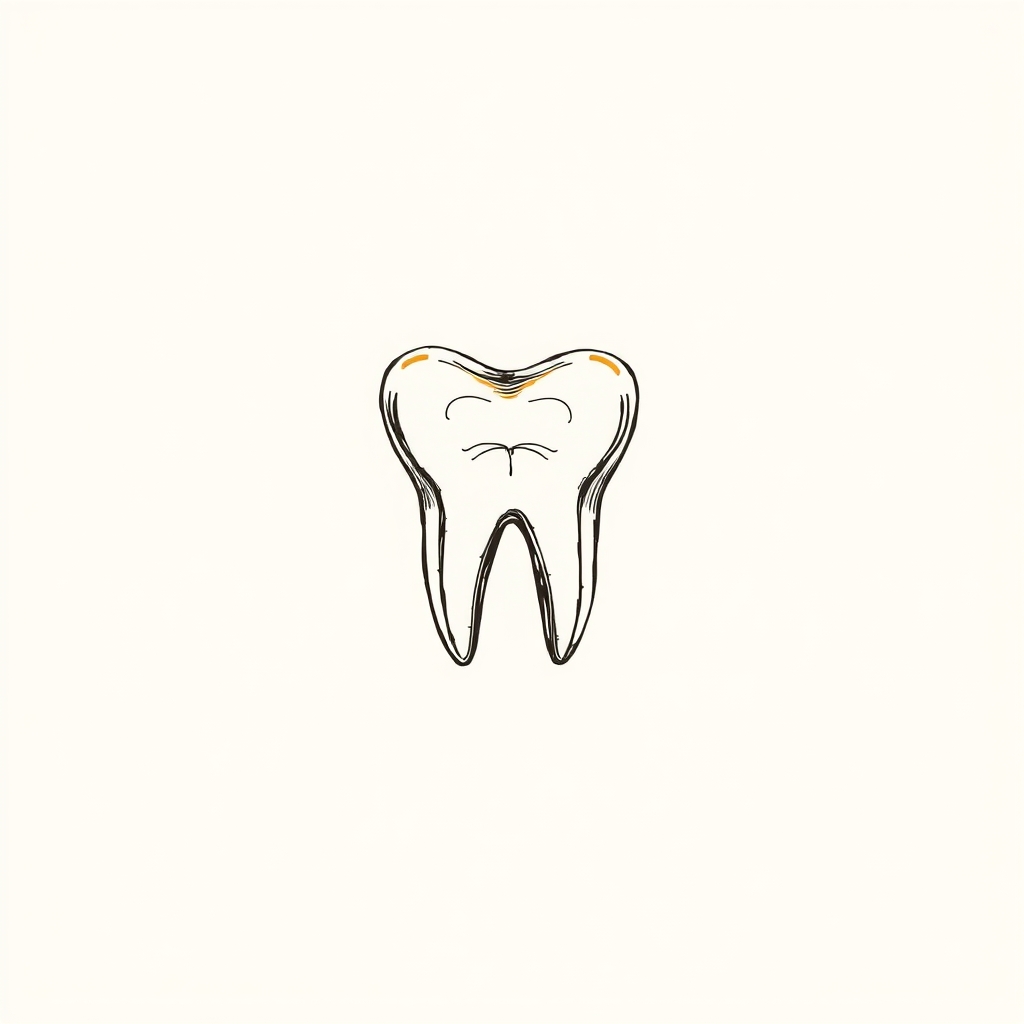
Volcma r himse lf, as the Easter solemnity approached, was struck by an eye ailment, such that he feared Cologne would pass this great feast without being able to enjoy the pontifical office, when the idea came to him to have recourse to the relics of Saint Maurin; he therefore sent someone from his clergy to bring them to his chamber. A tooth of t he Martyr was give n to him, he applied it to his eyes, and immediately he experienced the effect of the heavenly remedy. That is why on Easter day, having taken the floor at Mass, in the presence of all his people, he announced the miracle to them; then he ordered that the day of the passion of Saint Maurin would be celebrated among the feasts of the year.
Transfer of relics in the 19th century
After the suppression of the Saint-Pantaleon monastery in 1820, the relics were transferred to the church of Saint Mary in Cologne.
In 1820, at a time when the mo nastery of Saint-Pantaleon h ad ceased to exist, and the church itself had been removed from Catholic worship, the relics of Saint Maurin, along with the others, were transferred to the church of Saint Mary, now a parish chu rch, where t hey are still held in great veneration.
Proper of Cologne.
Iconography
Signs and attributes
Entities
Narrative network
The names, places, and concepts most present in the entry, weighted by centrality in the text.
The supernatural in their life
The miracles of Saint Maurin of Cologne
Frequently asked questions about Saint Maurin of Cologne
Who was Saint Maurin of Cologne?
Abbot and martyr whose body was discovered in 906 in Cologne during the reconstruction of an oratory. His tomb, identified by an inscription, revealed relics exhaling a sweet odor and performing numerous miracles. Archbishop Volcmar, cured of an eye disease by a tooth of the saint, established his official feast day.
What is Saint Maurin of Cologne the patron saint of?
Patronage of Saint Maurin of Cologne: Cologne.
What is Saint Maurin of Cologne invoked for?
Saint Maurin of Cologne is invoked for: eye diseases, loss of sight and hearing loss.
How is Saint Maurin of Cologne depicted in Christian art?
In iconography, Saint Maurin of Cologne is recognizable by: marks of iron on the body, wooden chest bound in iron and tooth (relic).
How did Saint Maurin of Cologne die?
Saint Maurin of Cologne suffered martyrdom for the Christian faith (10th century).
What miracles are attributed to Saint Maurin of Cologne?
3 miracles are attributed to this saint, notably: Sign / wonder and Healing.
Which saints were contemporaries of Saint Maurin of Cologne?
Contemporaries include: Saint Bernard of Menthon (Apostle of the Alps), Saint Ansgar (Apostle of the North), Saint Stephen of Hungary and Saint Anselm of Canterbury.
Annexes & related entities
Structured data for exploration: events, miracles, quotes, places, attributes, patronages, and important entities cited in the text.
Key Events
- Martyrdom suffered within the church grounds
- Discovery of relics in 906 during reconstruction work
- Opening of the coffin by Archbishop Volcmar
- Translation of relics to St. Mary's Church in 1820
Quotes
-
Here rest the bones of Maurin, abbot, of happy memory, who suffered martyrdom within the precincts of the church, on the 13th of June.
Funerary inscription