
Saint Eustadiola
Coming from a senatorial family of Bourges in the 7th century, Eustadiola became a widow and dedicated her fortune to God. She founded the monastery of Moûtiers-sous-Bourges during the reign of Dagobert, where she lived for seventy years in abstinence. Recognized for her miracles and charity, she was buried in the church of Saint-Paul which she had built.
Contemporaries

Figures and markers around the normalized period for this entry.
Guided reading
5 reading sections
FOUNDRESS OF THE MONASTERY OF MOÛTIERS-SOUS-BOURGES, IN BOURGES (7th century).
Origins and secular life
Coming from a senatorial family, Eustadiola led a pious life from childhood and married out of parental obedience, having a son named Tetradius.
Eustadiola was from a senatorial family: she was raised and lived in piety from her childhood, and, under the secular habit, she led the life of a nun. To obey her parents, she married and had a son named Tetradius.
The choice of religious life
Having become a widow, she refused to remarry despite her fortune and dedicated her wealth to the poor and the building of churches.
Having lost her husband, she refused a second marriage, to which her age and great wealth seemed to call her. She devoted herself entirely to the service of God and used her wealth to assist the poor, and to build or adorn churches.
Foundation of the monastery of Moûtiers
Under the reign of Dagobert, she founded the monastery of Moûtiers-sous-Bourges dedicated to the Virgin Mary, where she established a life of asceticism and charity.
It was first Moûtiers-sous-Bourges, still dedicated to the blessed Virgin Mary, that she founded and endowed in the city of Bourges , under Ki ng Dagobert. She gathered there many young women, whom her example had determined to renounce the world. She spent seventy years in admirable abstinence. Her tears flowed night and day, along with her prayers. She made herself all things to all people: none of the duties of piety and charity were foreign to her; she appeased discords, she washed the feet of pilgrims, she was the consoler and mother of the poor, the widows, and the orphans.
Miraculous gifts and burial
Renowned for her healings and her power of intercession for rain, she died on June 8 and was buried in the church of Saint-Paul by Bishop Roch.
She shone with the grace of healings and the gift of miracles. After a long drought, she obtained from God, through her prayers, an abundant rain. More than once, the water with which she had washed her hands or her face restored sight to the blind and health to the infirm. She rendered her soul to God on June 8. Bish op Roch (69 7-727), all the clergy, and all the people followed her funeral; she was buried in the church of Saint-Paul, which sh e had built herself outside the city walls. A priest, named Leopold, recovered hi s sight at her tomb. Many other miracles were also performed there.
Source
The text is taken from the Proper of the Diocese of Bourges.
Proper of Bourges.
Iconography
Signs and attributes
Entities
Narrative network
The names, places, and concepts most present in the entry, weighted by centrality in the text.
The supernatural in their life
The miracles of Saint Eustadiola
Frequently asked questions about Saint Eustadiola
Who was Saint Eustadiola?
Coming from a senatorial family of Bourges in the 7th century, Eustadiola became a widow and dedicated her fortune to God. She founded the monastery of Moûtiers-sous-Bourges during the reign of Dagobert, where she lived for seventy years in abstinence. Recognized for her miracles and charity, she was buried in the church of Saint-Paul which she had built.
What is Saint Eustadiola the patron saint of?
Patronage of Saint Eustadiola: Moûtiers-sous-Bourges.
What is Saint Eustadiola invoked for?
Saint Eustadiola is invoked for: healing of blindness, infirmities and obtaining rain.
How is Saint Eustadiola depicted in Christian art?
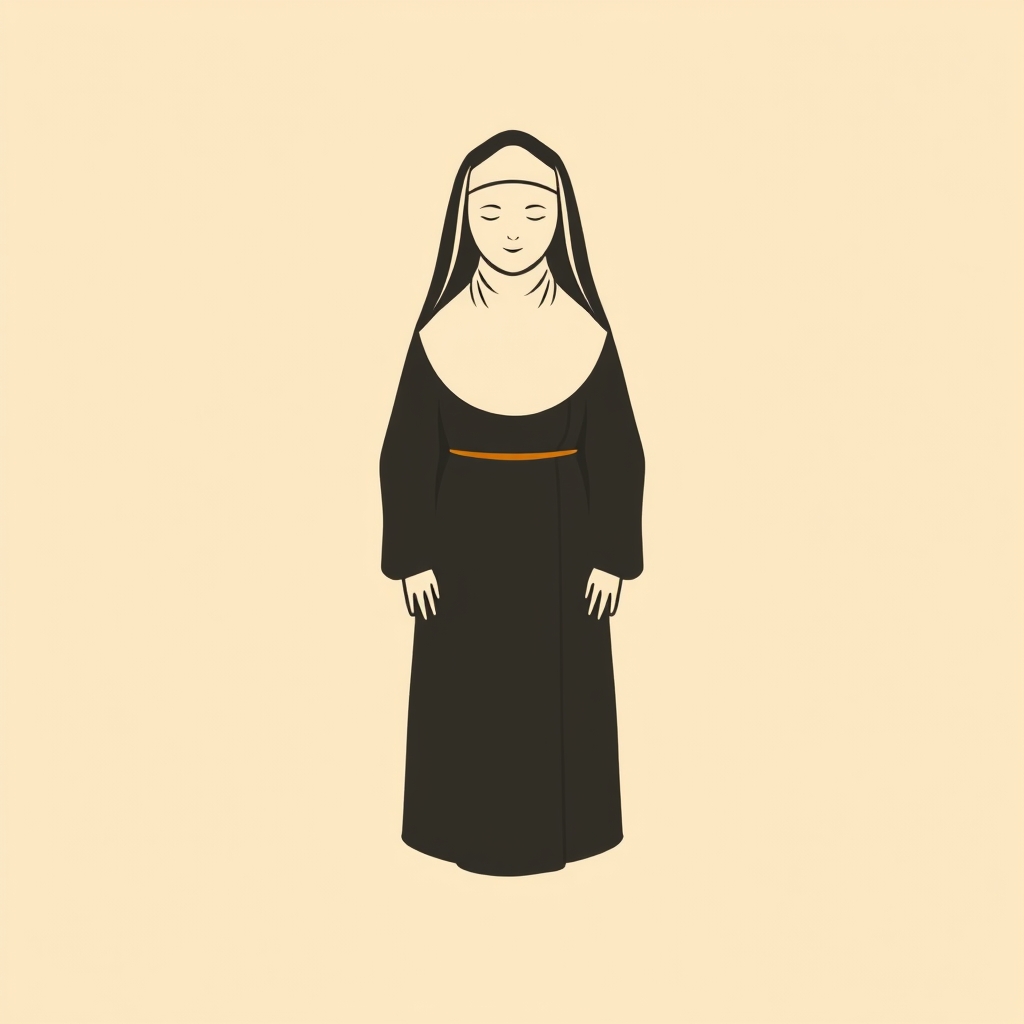
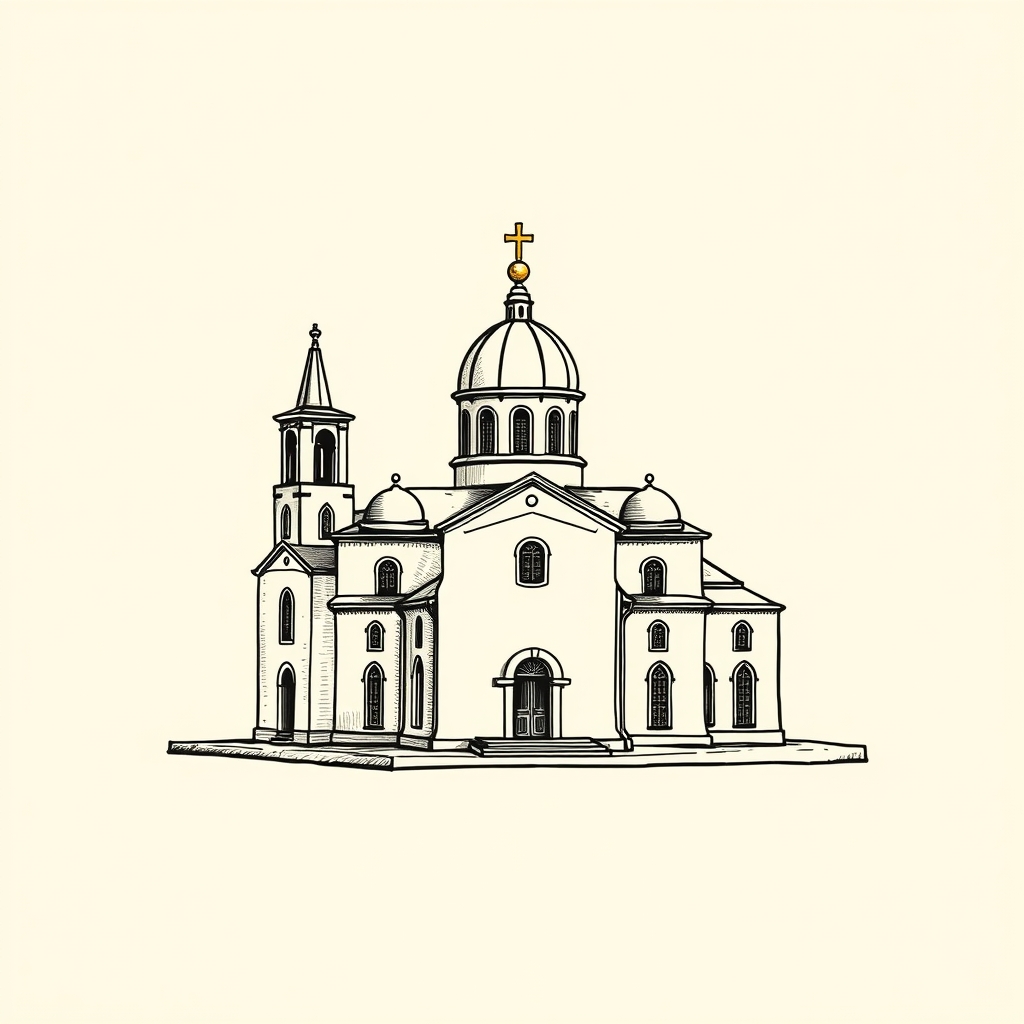
In iconography, Saint Eustadiola is recognizable by: nun's habit and model of a church or monastery.
What miracles are attributed to Saint Eustadiola?
3 miracles are attributed to this saint, notably: Mastery of the elements and Healing.
Which saints were contemporaries of Saint Eustadiola?
Contemporaries include: Saint Priest (Prix), Saint Gregory the Great (Pope and Doctor of the Church), Saint Die (Didier, Deodat) and Saint Augustine of Canterbury.
When did Saint Eustadiola die?
Saint Eustadiola died around 700.
Who are the relatives of Saint Eustadiola?
Relatives of Saint Eustadiola: Tétradius (son).
Annexes & related entities
Structured data for exploration: events, miracles, quotes, places, attributes, patronages, and important entities cited in the text.
Key Events
- Marriage by parental obedience
- Widowhood and refusal of a second marriage
- Foundation and endowment of the monastery of Moûtiers-sous-Bourges under King Dagobert
- Seventy years of life in abstinence and prayer
- Construction of the Saint-Paul-hors-les-murs church