
A 10th-century Provençal nobleman and soldier, Beuvon distinguished himself through his piety and bravery by driving the Saracens from La Garde-Freinet. After renouncing arms, he lived as a penitent and died in Voghera in 986 during a pilgrimage to Rome. He is particularly honored in Lombardy and invoked for the protection of herds.
Contemporaries

Figures and markers around the normalized period for this entry.
Guided reading
6 reading sections
SAINT BEUVON, PROVENÇAL NOBLEMAN
Youth and military training
Born in Provence in the 10th century, Beuvon was raised in the profession of arms by his father Adelfrède while developing remarkable piety and temperance.
Saint Bobon , whom we commonly call Saint Beuvon, and the Italians San-Bovo, son of Adelfrède and Odilinde, was born in Proven ce in th e castle of Noguiers, towards the beginning of the reign of Emper or Otto I and King L ouis d' Outremer. His father , who followed the profession of arms, had him raised in the same exercises; but he took great care to train him at the same time in virtue; so that Beuvon, always having the fear and love of God in his heart, knew how to combine, with a very rare good fortune, piety and modesty with greatness of courage and the other military qualities that attract the esteem and consideration of people of the world. Sober, chaste, and temperate, he was constantly applied to containing and moderating his passions; he used the exercises of running, hunting, and the bow to this end: he sought what could harden his body and protect him from softness and idleness. He did nothing without relating it to God; in all his actions, he had in view either to serve the Church or his neighbor, or to acquire a higher degree of virtue. By this, he made himself the object of the esteem and affection of all those who knew him, and the model of Christian gentlemen and soldiers.
Defense of Provence
He led a victorious military expedition against the Saracens entrenched at the castle of La Garde-Fresnet, liberating the region from their pillaging.
God provided him with various opportunities to exercise his zeal for the honor and interests of religion. The Saracens , declared enemies of the name of Jesus Christ, were extremely troubling to the coasts of Provence, both at sea through their piracy and on land through their brigandage. Having made themselv es masters of the castle of La Garde-Fresnet, which was a peninsula in the Gulf of Saint-Tropez, in the diocese of Fréjus, they had made it the lair of their crimes and violence. They slaughtered with impunity, out of hatred for the religion, the Christians who fell into their power. The entire region was their prey: there was no longer any safety for the lives, property, and honor of individuals. The inhabitants of the country, knowing the courage of Beuvon, had recourse to him to deliver them from such a cruel vexation: he embraced with ardor this opportunity to expose his life for his brothers. At the head of a troop of armed men, he seized the mountain of Pierre-Impie, which was opposite the Fresnet. Aided by the caretaker of this castle, he took possession of it, defeated the Saracens, and took their leader and his children prisoner. He granted him mercy, as well as to all those who wished to embrace Christianity.
Renunciation and pilgrimages
After his military exploits, he embraced a life of penance and made an annual pilgrimage on foot to Rome.
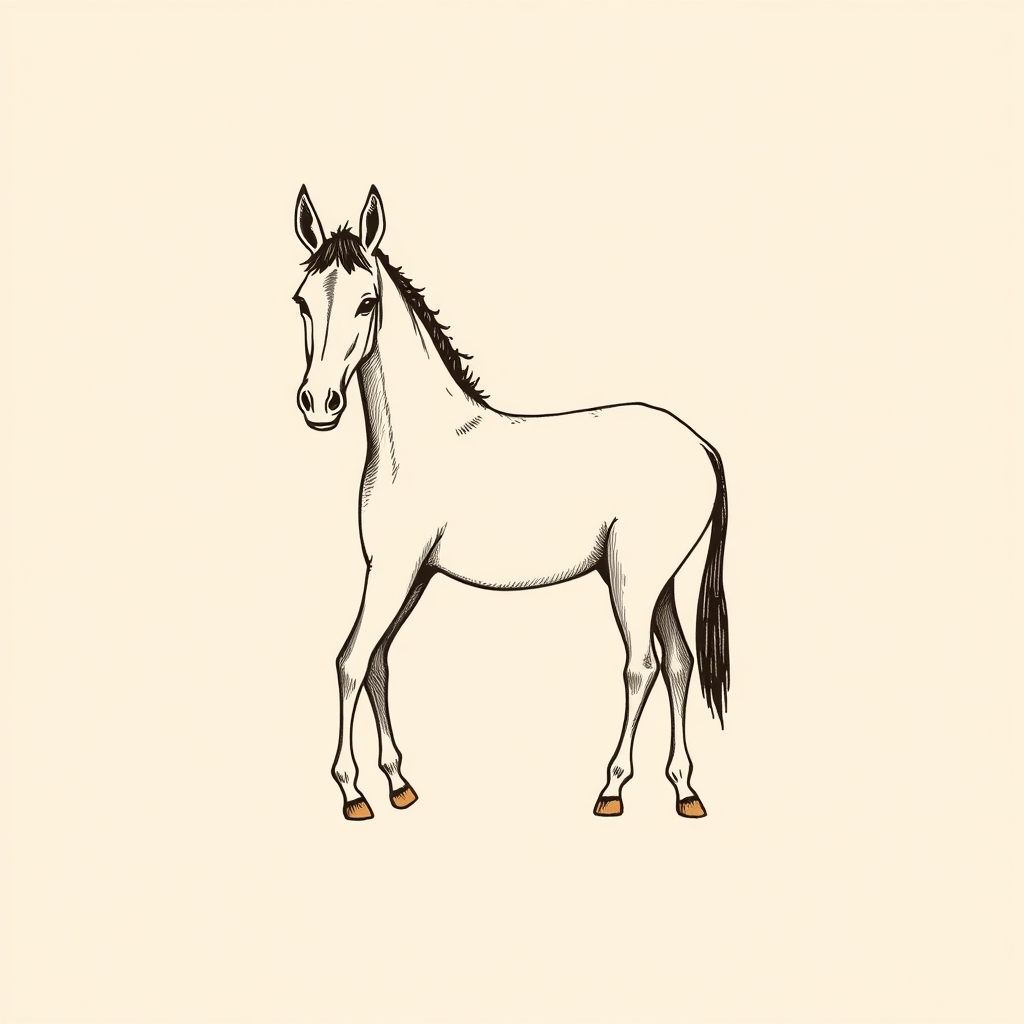
After having restored security and peace to this coast, he renounced arms entirely to devote himself to the exercises of penance in retirement. He lived ever after in great mortification, and made a devotional pilgrimage to Rome every year, in very poor attire, leading with him only a mule which he used only to carry a few belongings and to assist passersby who were in need. He made this long journey on foot, seeking to carry his cross in every way to try to follow Jesus Christ. In one of these pilgrimages, in the year 986, having arrived after Ascension Sunday at Voghera in Lombardy, near Pavia, on the other side of the Po, he was stopped there by an illness from which he judged immediately that he would not recover. He prepared himself to receive death in a Christian manner, for which he had long been preparing; and, having distributed to the poor all that he had, he died on Saturday, the eve of Pentecost, which was May 22. The inhabitants of Voghera did not know the treasure they possessed; but the brilliance of the miracles soon taught them that a Saint had died among them.
Passing at Voghera
He died of illness in 986 in Voghera, Lombardy, where his holiness was quickly attested by numerous miracles.
The body of the Saint was exhumed a few years after his first burial: it was placed in a new coffin, and an altar was erected in his name in a church that was built at the same time. This body was found again in the year 1469, and exposed to public view from February 22 until May 21 of the following year; then, it was enclosed in a marble tomb, at the first Vespers of his feast, which was to be celebrated very solemnly the next day. In the year 1522, it was transported to the sacristy of the same church because of the war that was then being waged in Lombardy between Charles V and Fr ancis I. This is what the inh abitants of Voghera say, who produce titles in charters and engraved stones to authorize their claims.
Translation and cult of the relics
His remains were exhumed and honored on several occasions, notably in 1469 and 1522, despite the troubles of the Italian Wars.
Some of these precious relics were transported to Pavia. The cult of Saint Beuvon became very famous throughout Lombardy, because of the heavenly favors that the people obtained from God through his intercession. His feast is celebrated there on May 22 in most cities, such as in Voghera, Pavia, Lodi, Milan, Padua, and Vicenza; but it is only celebrated on the 25th in Verona. That of his invention and translation is celebrated with great solemnity in Voghera on the second Sunday of Lent, because the body had been found on the Tuesday after the first Sunday, which fell on February 22, in the year 1469.
Popular devotion and representations
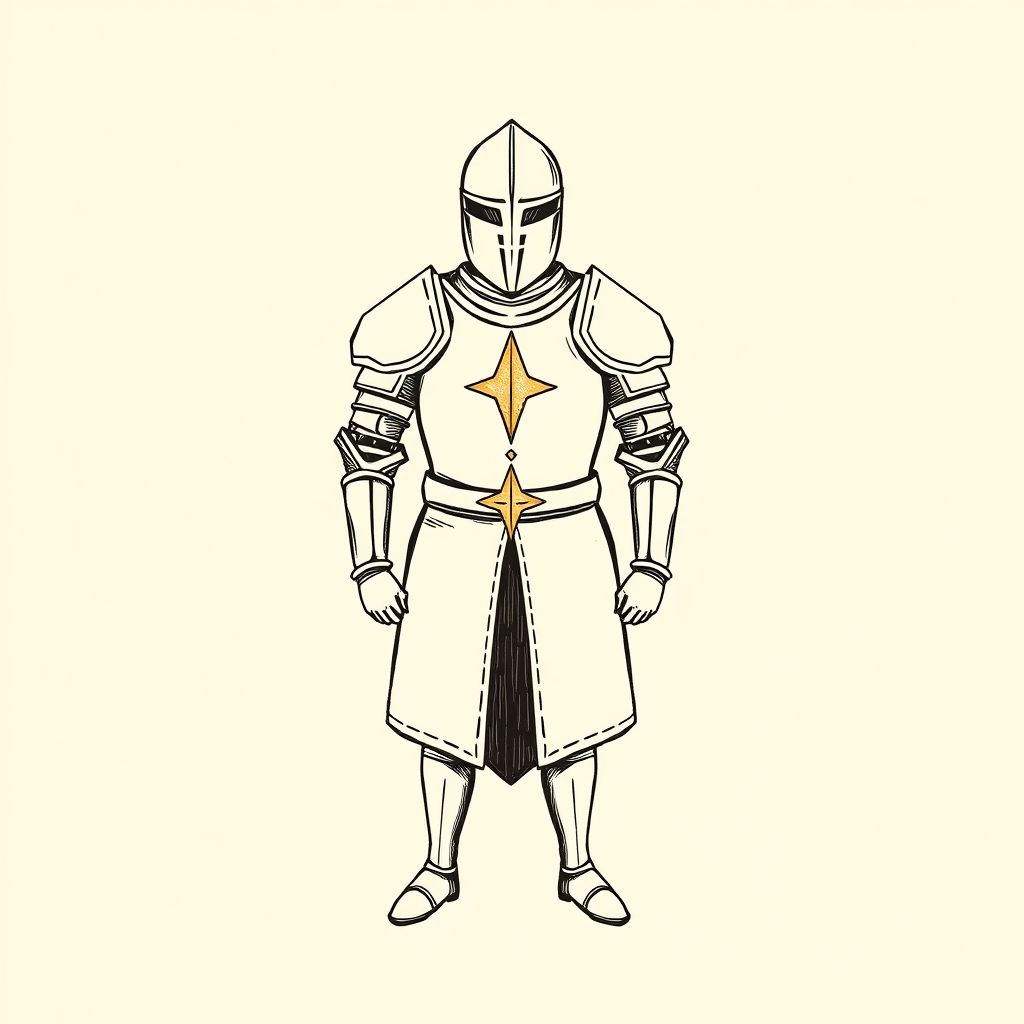
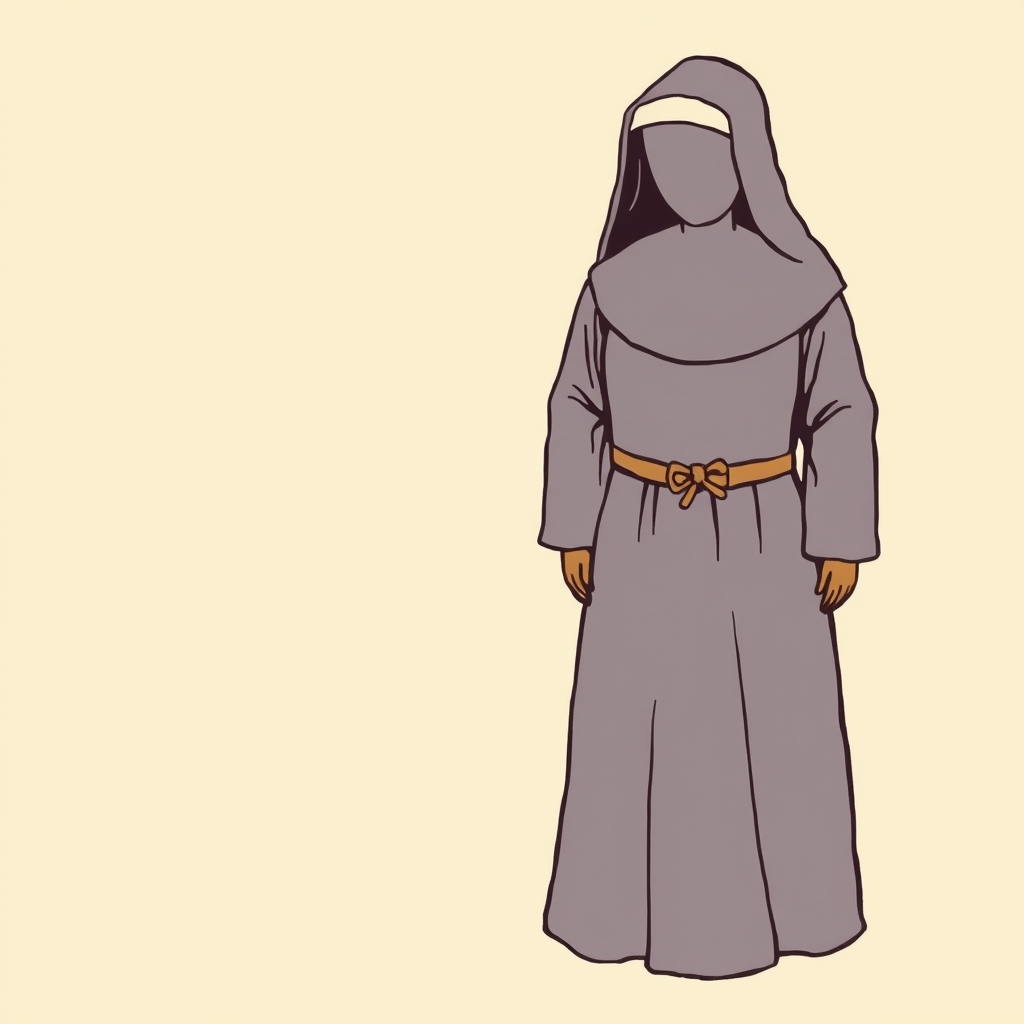
Invoked for the protection of herds in Italy, he is represented either as a knight or as a pilgrim.
Saint Beuvon is invoked in Italy against diseases of the herds because, it is said, his tomb having been neglected, the animals that trampled upon it were struck by a deadly disease. He is represented in the costume of a knight or as a pilgrim.
Cf. Acta S anctorum, Ball ett and most modern bibliographies.
Iconography
Signs and attributes
Entities
Narrative network
The names, places, and concepts most present in the entry, weighted by centrality in the text.
The supernatural in their life
The miracles of Saint Beuvon (Bobon)
Frequently asked questions about Saint Beuvon (Bobon)
Who was Saint Beuvon (Bobon)?
A 10th-century Provençal nobleman and soldier, Beuvon distinguished himself through his piety and bravery by driving the Saracens from La Garde-Freinet. After renouncing arms, he lived as a penitent and died in Voghera in 986 during a pilgrimage to Rome. He is particularly honored in Lombardy and invoked for the protection of herds.
What is Saint Beuvon (Bobon) the patron saint of?
Patronage of Saint Beuvon (Bobon): Voghera and Lombardy.
What is Saint Beuvon (Bobon) invoked for?
Saint Beuvon (Bobon) is invoked for: livestock diseases.
How is Saint Beuvon (Bobon) depicted in Christian art?
In iconography, Saint Beuvon (Bobon) is recognizable by: knight's costume, pilgrim's habit and mule.
What miracles are attributed to Saint Beuvon (Bobon)?
2 miracles are attributed to this saint, notably: Sign / wonder.
Which saints were contemporaries of Saint Beuvon (Bobon)?
Contemporaries include: Saint Bernard of Menthon (Apostle of the Alps), Saint Ansgar (Apostle of the North), Saint Stephen of Hungary and Saint Anselm of Canterbury.
When did Saint Beuvon (Bobon) die?
Saint Beuvon (Bobon) died around 1000.
What are the other names of Saint Beuvon (Bobon)?
Other forms of the name: Bobon and Bovo.
Who are the relatives of Saint Beuvon (Bobon)?
Relatives of Saint Beuvon (Bobon): Adelfrède (father) and Odilinde (mother).
Annexes & related entities
Structured data for exploration: events, miracles, quotes, places, attributes, patronages, and important entities cited in the text.
Key Events
- Born in Provence at the beginning of the reign of Otto I
- Military career and defense of Provence against the Saracens
- Capture of the La Garde-Fresnet castle
- Renunciation of arms for a life of penance
- Annual pilgrimages to Rome
- Died in Voghera, Lombardy, during a pilgrimage
Quotes
-
The life of man upon earth is a warfare.
Job 7:1 (cited as an epigraph)