
Saint Boetius
An Irish nobleman and disciple of Saint Fursy, Boetien retired as a solitary to Pierrepont near Laon. His austere life and reproaches against the vices of the local barbarians led to his assassination in 668. His relics, preserved from the Normans and the Revolution, are the object of a pilgrimage for the health of children.
Contemporaries

Figures and markers around the normalized period for this entry.
Guided reading
5 reading sections
SAINT BOETIEN, SOLITARY AT PIERREPONT (668).
Origins and solitary life
Boetius, an Irish nobleman and disciple of Saint Fursey, established himself as a hermit at Pierrepont, near Laon.
Boetius , a companion o f Saint Goba in and disciple of Saint Fu rsey, was an Irish nobleman. He retired to Pierrepont , a village located fifteen kilometers from Laon (Aisne).
Martyrdom of the saint
Due to his austere life and his reproaches against local vices, Boetius was murdered by barbarians in 668.
The poor and austere life he led in his solitude gave authority to his speeches; but some barbarians, irritated by the freedom with which he spoke out against their vices, killed him on May 22, 668. His relics were carefully collected and placed in the church of the village that adopted him as its patron.
Translations and protection of the relics
His remains, protected from the Normans in the 9th century, were transferred between the Abbey of Saint-Vincent in Laon and a fortified castle in Pierrepont.
Twelve canons served this church. The fear of the Normans forced them in the 9th century to take refuge in the Abbey of Saint-Vincent in Laon, and they took with them the body of Saint Boetius; but they later returned to Pierrepont where Bishop Bidon had bu ilt a fortified castle to keep the relics of the Saint in a chapel dedicated to the Blessed Virgin. This castle was occupied until the 13th century by lords allied with the counts of Rethel and Roucy.
When the castle had been ruined, the Chapter of the canons of Saint Boetius died out, and the remains of the Saint were transported to the parish church contiguous to the castle.
Contemporary cult and pilgrimage
Having survived the Revolution, the relics are the object of a pilgrimage for the healing of children.
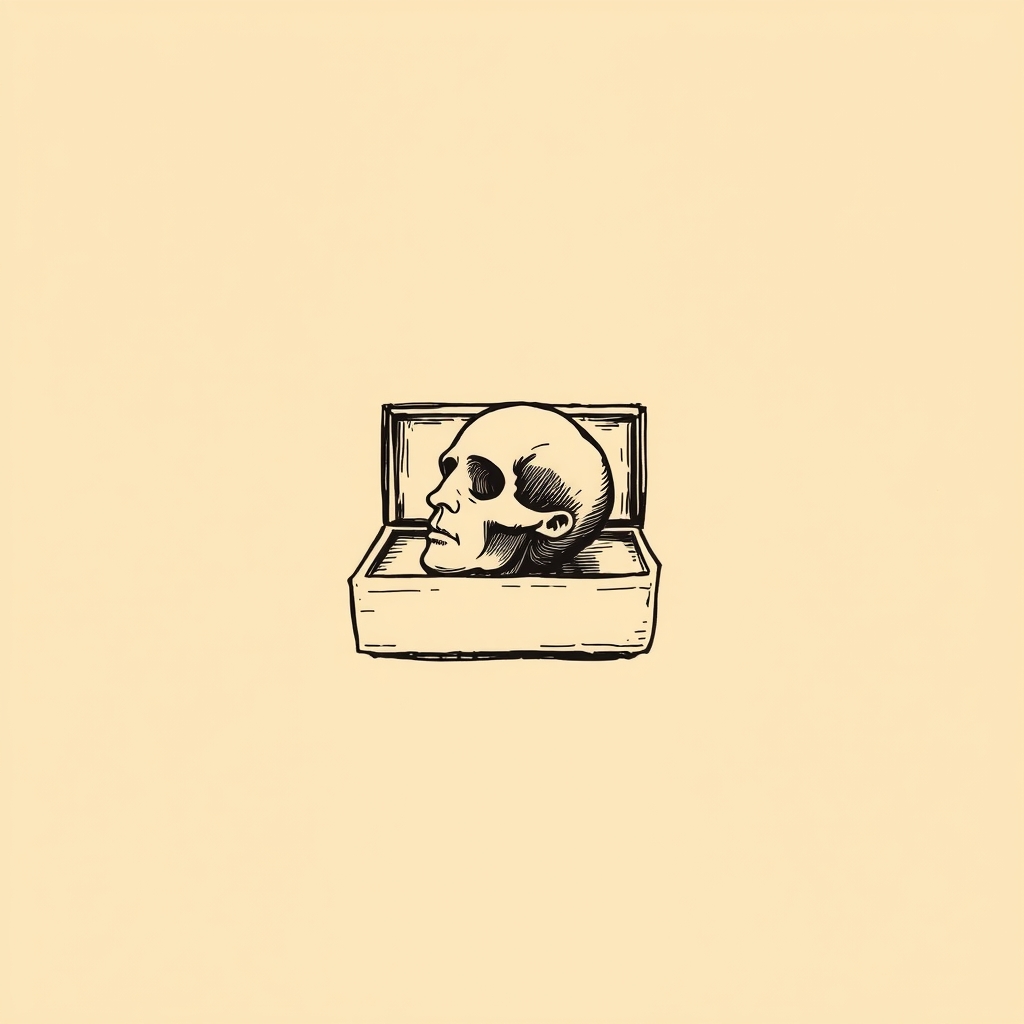
The French Revolution, which profaned or destroyed so many relics, did not lay its sacrilegious hands upon those of Saint Boetien. The church of Pierrepont still venerates them today (1872), enclosed in a reliquary in which the head can be very clearly distinguished. The rest of the body is wrapped in a silk veil. The authentic documents are enclosed in a tin box.
Saint Boetien is espec ially invoked for the healing of young children who are sick or who have difficulty beginning to walk. He is the object of a pilgrimage. The faithful from neighboring parishes come to venerate his relics on the day of his feast, May 22, and throughout the novena.
Hagiographic sources
The text is based on the works of H. Congnet and D. Lelong.
H. Congnet , dean of the chapter of Soissons; D. Lelong.
Iconography
Signs and attributes

Entities
Narrative network
The names, places, and concepts most present in the entry, weighted by centrality in the text.
Frequently asked questions about Saint Boetius
Who was Saint Boetius?
An Irish nobleman and disciple of Saint Fursy, Boetien retired as a solitary to Pierrepont near Laon. His austere life and reproaches against the vices of the local barbarians led to his assassination in 668. His relics, preserved from the Normans and the Revolution, are the object of a pilgrimage for the health of children.
What is Saint Boetius the patron saint of?
Patronage of Saint Boetius: Pierrepont.
What is Saint Boetius invoked for?
Saint Boetius is invoked for: healing of sick young children and children having difficulty starting to walk.
How is Saint Boetius depicted in Christian art?
In iconography, Saint Boetius is recognizable by: reliquary containing his head and silk veil.
How did Saint Boetius die?
Saint Boetius suffered martyrdom for the Christian faith (7th century).
Which saints were contemporaries of Saint Boetius?
Contemporaries include: Saint Priest (Prix), Saint Gregory the Great (Pope and Doctor of the Church), Saint Die (Didier, Deodat) and Saint Augustine of Canterbury.
Annexes & related entities
Structured data for exploration: events, miracles, quotes, places, attributes, patronages, and important entities cited in the text.
Key Events
- Retirement to Pierrepont to lead a life of solitude
- Preaching against the vices of the barbarians
- Assassinated by angry barbarians in 668
- Temporary translation of relics to the Abbey of Saint-Vincent in Laon in the 9th century due to the Normans
- Return of the relics to Pierrepont in a fortified castle built by Bishop Bidon