
Blessed Albert of Ogna
A plowman from Bergamo in the 13th century, Albert of Ogna lived a life of work and heroic charity despite the opposition of his wife and the loss of his property. Settling in Cremona as a wine porter, he undertook great pilgrimages and joined the Dominican Third Order. He is famous for having crossed the Po River on his cloak and for his scythe having sliced through an anvil.
Contemporaries

Figures and markers around the normalized period for this entry.
Guided reading
4 reading sections
BLESSED ALBERT OF OGNA, LABORER (1279).
Youth and married life
Albert was born in Ville-d'Ogna into a family of farmers and manifested an early piety before marrying out of filial obedience.
This holy man was born in the thirteenth century, in Ville-d'O gna, a place in the terr itory o f Bergamo, to parents who were farmers and who raised him in a very Christian manner. Faithful in responding to the graces he received, Albert showed, from his earliest youth, a great attraction to piety. When he was only seven years old, he fasted three times a week and distributed to the poor the food he deprived himself of.
When he was capable of working, his parents occupied him with plowing; he devoted himself to it with ardor; but, while his hands cultivated the earth, his spirit was nourished by the meditation of the truths of salvation, thus uniting in his person, by a happy accord, the functions of Martha and the rest of Mary.
A respectful and submissive son, he entered into marriage on the advice of those who gave him life. Freer then, he set almost no limits to his charity for the poor, whom he assisted generously at every encounter. His wife, less perfect than he, found it wrong that his alms were so abundant, and more than once reproached him sharply for it; but Albert bore this setback with patience and justified his conduct through miracles. One day, among others, when he had given to the needy the dinner that was intended for him and his family, he found it miraculously back on his table.
Spoliation and exile in Cremona
Dispossessed of his lands by powerful men, he settled in Cremona as a wine porter to support himself and help the poor.
The servant of God was the owner of some fields that came from his paternal inheritance. Rich and powerful men disputed his possession of them and eventually dispossessed him. Reduced to indigence, he was forced to give up farming and went to settle in Cremona, where he earne d his l iving through his labor. Although his new state barely offered him enough to meet his needs, he still shared with the poor the little he earned by carrying wine, which was his most ordinary occupation.
Pilgrimages and life of prayer
He traveled to Rome and Compostela, working to fund his journeys and preaching conversion to the sick in hospitals.
He also continued his various practices of piety, thus proving, by his example, that the duties of religion can easily be combined with the most assiduous and tiring work, when one seeks God in the sincerity of one's heart. His devotion led him to Rome and to Santiago de Compostela . Du ring t hese pilgrimages, he gave hi mself to work: when resources failed him and as soon as he had received his wages, he hastened to distribute a portion of them to the needy. Not content with assisting them bodily, he became an apostle to them, through the zeal with which he exhorted them to patience, to the confession of their sins, and to a sincere conversion. It was to the poor in the hospitals that he addressed himself above all, and he tried to lead them to the practice of virtue through his charitable exhortations.
Recognition and iconography
After his death in 1279, his cult was approved by Benedict XIV; he is represented by attributes linked to his miracles and manual labor.
Blessed Albert died in Cremona on May 7, 1279, and was buried in one of the churches of that city, where a public cult was soon rendered to him, which was approved by Pope Benedic t XIV on M ay 9, 1748. He is honored in several cities of Italy and among the Dominic ans, becaus e he had embraced their Third Order.
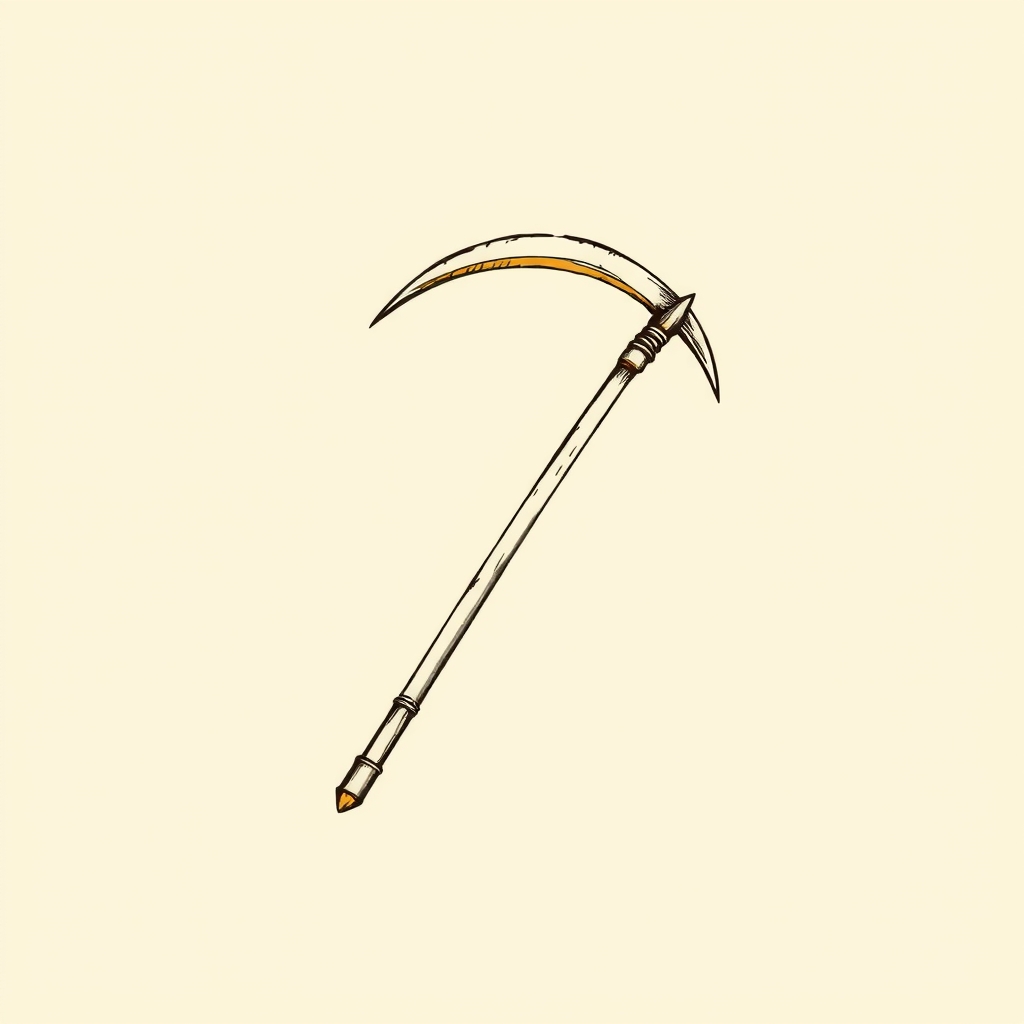
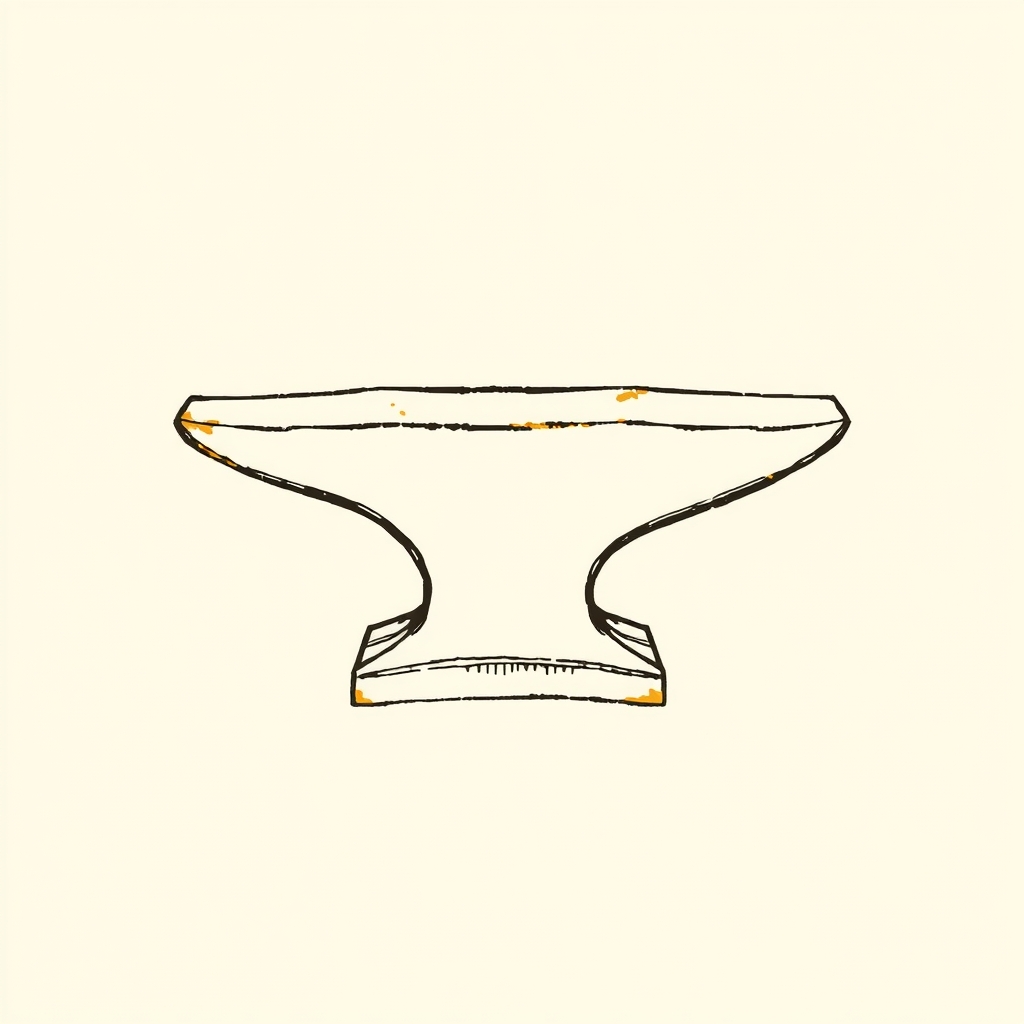
Among other wonders that are told of the blessed Bergamasque peasant and which have served to characterize him in the arts, it is said that a priest being late in bringing him the Viaticum, a dove flew toward him, holding a host in its beak to give him communion. He is also given the scythe as an attribute: having set out for Rome, he ran out of money and hired out his arms for the harvest. His fellow workers, jealous that he was faster at the task than they were, placed an anvil in the grass he was to mow; but it happened that the anvil was cut like a blade of grass, without chipping the holy man's scythe. Finally, he is also represented crossing from one bank of the Po to the other on his cloak, because the bo atmen had refused him passage.
Blessed Albert is the patron of laborers.
See the Bollandists, vol. II of May, and the Dominican Breviary, pri nted in Rome in 1771; Godescard (Brussels edition).
Iconography
Signs and attributes


Entities
Narrative network
The names, places, and concepts most present in the entry, weighted by centrality in the text.
The supernatural in their life
The miracles of Blessed Albert of Ogna
Frequently asked questions about Blessed Albert of Ogna
Who was Blessed Albert of Ogna?
A plowman from Bergamo in the 13th century, Albert of Ogna lived a life of work and heroic charity despite the opposition of his wife and the loss of his property. Settling in Cremona as a wine porter, he undertook great pilgrimages and joined the Dominican Third Order. He is famous for having crossed the Po River on his cloak and for his scythe having sliced through an anvil.
What is Blessed Albert of Ogna the patron saint of?
Patronage of Blessed Albert of Ogna: laborers, ploughmen and wine carriers.
How is Blessed Albert of Ogna depicted in Christian art?
In iconography, Blessed Albert of Ogna is recognizable by: dove with a host, scythe, cut anvil and cloak on the water.
What miracles are attributed to Blessed Albert of Ogna?
4 miracles are attributed to this saint, notably: Multiplication / provision, Eucharistic, Sign / wonder and Mastery of the elements.
Which saints were contemporaries of Blessed Albert of Ogna?
Contemporaries include: Saint Anthony of Padua (Ferdinand), Saint Arthaud of Belley, Saint Thomas Aquinas and Saint Bernard of Clairvaux.
When did Blessed Albert of Ogna die?
Blessed Albert of Ogna died around 1279.
What are the other names of Blessed Albert of Ogna?
Other forms of the name: Albert de Bergame.
Who are the relatives of Blessed Albert of Ogna?
Relatives of Blessed Albert of Ogna: Inconnu (wife).
Annexes & related entities
Structured data for exploration: events, miracles, quotes, places, attributes, patronages, and important entities cited in the text.
Key Events
- Fasting and charity from the age of seven
- Marriage by parental obedience
- Spoliation of his lands by powerful men
- Exile in Cremona and work as a wine porter
- Pilgrimages to Rome and Santiago de Compostela
- Entry into the Third Order of Saint Dominic
- Beatification by Benedict XIV on May 9, 1748