
Saint Avertin
An English deacon and disciple of Saint Thomas Becket in the 12th century, Avertin settled in Touraine after the martyrdom of his master. He lived as a hermit and then as a pastor in Vencay, where he died in 1180. He is particularly invoked for the healing of headaches.
Contemporaries

Figures and markers around the normalized period for this entry.
Guided reading
4 reading sections
SAINT AVERTIN, GILBERTINE CANON (1180).
Origins and vocation
Avertin was born in England in the 12th century and became a canon of the Order of Saint Gilbert before being raised to the diaconate.
Saint Avertin was born in England around the middle of the 12th century. A dis ciple of Saint Thomas of C an terbury and a canon of Sa int Gilbert, he was raised to the diaconate and distinguished himself by numerous and brilliant virtues. He had a particular tenderness for the poor, and God rewarded his virtues with the gift of miracles.
Exile alongside Thomas Becket
A faithful archdeacon to Saint Thomas of Canterbury, he accompanied him to the Council of Tours in 1163 and shared his exile until his martyrdom.
When the great and illustrious martyr for the rights of the Church, Sain t Thomas, came to Tours to attend the Council of 1163 held in that city by Po pe Alexander III t o depose the ant ipope Victor, h e was accompanied by his pious archdeacon. Avertin visited all the places that recalled the memory of Saint Mar tin; he desi red, no doubt following the example of so many Saints, to fix his dwelling near the tomb of the great wonder-worker; but he did not wish to abandon his holy bishop, and as long as his exile lasted, he shared its bitterness and sorrows. He returned with him to his homeland, but it was not for long. After the glorious martyrdom of Saint Thomas, he left England and returned to Touraine. He retired to the woods of Cangé, a few kilometers from the city of Tours, near the village of Saint-Pierre de Vencay. He ha d reso lved to live there in solitude, like the disciple of Saint Martin and the hermits of the caves of Marmoutier. Touched by his merit and his holiness, the inhabitants of the village of Vencay did not allow him to carry out his pious design: they surrounded him with veneration, entrusted him with the care of their souls, listened to his words with avidity, and had recourse to his prayers and his counsel; and God, through his intercession, favored them with extraordinary graces. The pious hermit died in 1180. He was buried in the church of Saint-Pierre de Vencay, where he performed numerous miracles. Pilgrims came in crowds to pray at his tomb, and the village changed its original name to that of Saint-Avertin .
Retirement and ministry in Touraine
After the death of his bishop, he established himself as a hermit and then a pastor in Vencay, where he died in 1180 surrounded by great popular fervor.
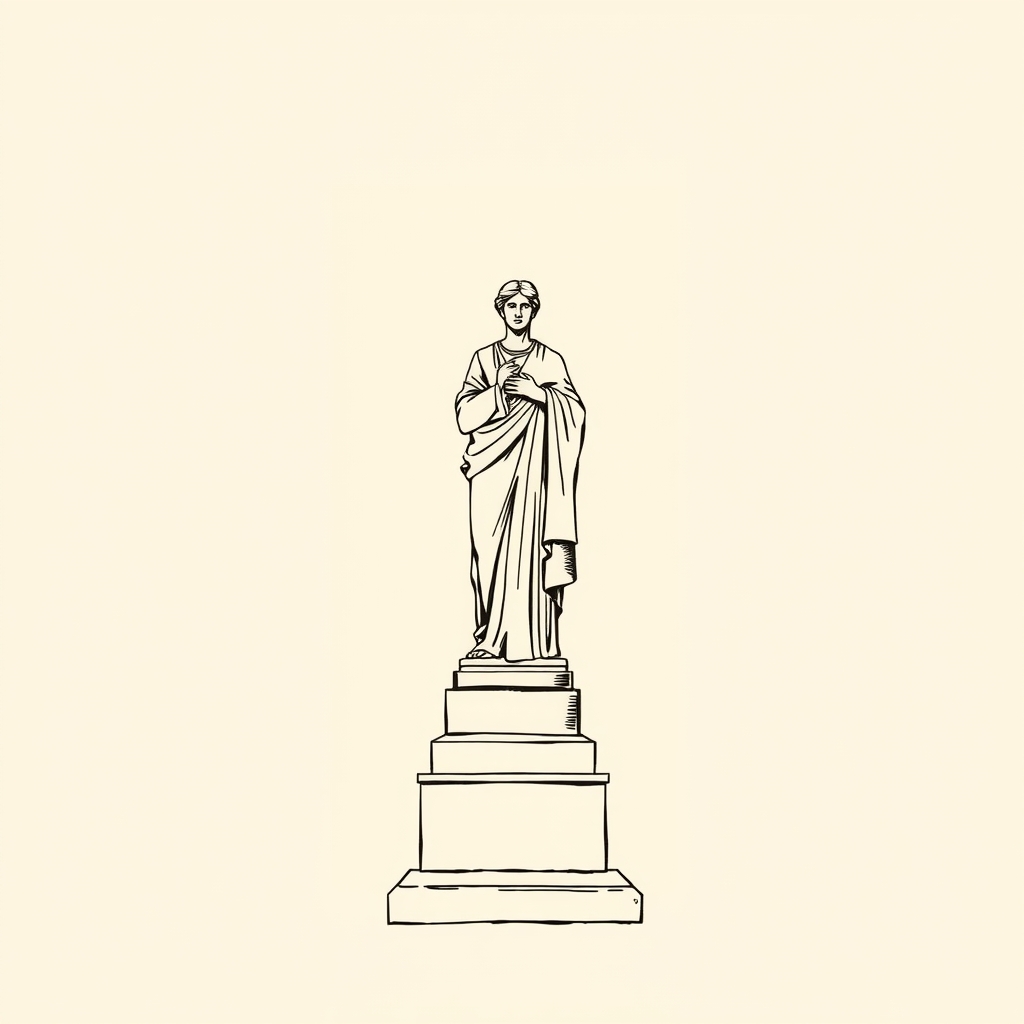
His body was burned by the H uguenots in 1562. In the beginning of the 17th century, Father Guillaume Guérin, vi siting the church of Saint-Avertin, found no relics of the Saint there; but he saw a highly venerated statue surrounded by numerous ex-votos, among which one could especially see wax heads, for the Blessed one had received from heaven the gift of healing all headaches. The devotion towards this Saint was so great that in the past all the houses of the village were transformed into inns to receive pilgrims. The great pilgrimages took place on Easter Tuesday and May 5th, the day of his feast. This devotion has significantly diminished over time, however, a few rare pilgrims still go to Saint-Avertin today to pray to the holy confessor. — He is also the patron saint of Bungival , in the diocese of Versailles.
Cult, relics, and traditions
Despite the destruction of his relics by the Huguenots in 1562, his cult persists, particularly for the healing of headaches.
Abbé Rolland, honorary canon, chaplain of the Boarding School of the Brothers of the Christian Schools of Tours.
Iconography
Signs and attributes

Entities
Narrative network
The names, places, and concepts most present in the entry, weighted by centrality in the text.
The supernatural in their life
The miracles of Saint Avertin
Frequently asked questions about Saint Avertin
Who was Saint Avertin?
An English deacon and disciple of Saint Thomas Becket in the 12th century, Avertin settled in Touraine after the martyrdom of his master. He lived as a hermit and then as a pastor in Vencay, where he died in 1180. He is particularly invoked for the healing of headaches.
What is Saint Avertin the patron saint of?
Patronage of Saint Avertin: Saint-Avertin (formerly Vencay) and Bougival.
What is Saint Avertin invoked for?
Saint Avertin is invoked for: headaches and headaches.
How is Saint Avertin depicted in Christian art?
In iconography, Saint Avertin is recognizable by: wax heads (ex-voto) and statue.
How did Saint Avertin die?
Saint Avertin suffered martyrdom for the Christian faith (12th century).
What miracles are attributed to Saint Avertin?
2 miracles are attributed to this saint, notably: Healing.
Which saints were contemporaries of Saint Avertin?
Contemporaries include: Saint Bernard of Clairvaux, Saint Arthaud of Belley, Saint Norbert of Magdeburg and Saint Anthony of Padua (Ferdinand).
Annexes & related entities
Structured data for exploration: events, miracles, quotes, places, attributes, patronages, and important entities cited in the text.
Key Events
- Born in England in the mid-12th century
- Ordination to the diaconate and entry into the Order of Saint Gilbert
- Accompanied Saint Thomas Becket to the Council of Tours in 1163
- Exile with Saint Thomas of Canterbury
- Return to Touraine after the martyrdom of Saint Thomas
- Retreat in the woods of Cangé
- Ministry to the inhabitants of Vencay