
Maria Costanza Panas
An Italian Capuchin Poor Clare nun and abbess of the monastery of Fabriano, Maria Costanza Panas (1896-1963) is a mystical figure famous for her 'vow of the pen' and her offering for the Second Vatican Council.
Contemporaries

Figures and markers around the normalized period for this entry.
Guided reading
5 reading sections
Biography
The youth of Agnese Pacifica Panas, her education under her priest uncle, her teaching career, and her entry into the Capuchin Poor Clares of Fabriano.
Agnese Pacifica Panas was born on January 5, 1896, in Alano di Piave, Italy, into a modest family. In 1902, her parents emigrated to the United States and entrusted her to her grandfather and her priest uncle, Father Angelo Panas. She studied with the Canossian Sisters and then at the Sant'Alvise College in Venice. After graduating in 1913, she taught in Conetta, where she met her spiritual director, Father Luigi Fritz. Despite opposition from her family, she secretly entered the monastery of the Capuchin Poor Clares of Fabriano on October 11, 1917. There, she took the name Sister Maria Costanza and made her solemn vows on May 19, 1922.
Life and work
Sister Maria Costanza's duties as abbess, her role as a spiritual guide, and her final offering for the Church.
After her profession, Sister Maria Costanza formulated resolutions of total abandonment to God. Appointed novice mistress in 1927, she was elected abbess of the monastery of Fabriano in 1936, a position she held for many years. In 1942, she spent seven months in Ferrara to reform the local monastery. She became a sought-after spiritual advisor, particularly by many priests. Afflicted by serious illnesses in the late 1950s, she offered her sufferings for Pope John XXIII and the Second Vatican Council, before passing away on May 28, 1963.
Path to holiness
The opening of the cause for the beatification of Maria Costanza Panas and the recognition of her heroic virtues.
The reputation for holiness of Mother Maria Costanza Panas led to the opening of her beatification process. The diocesan inquiry took place in the Diocese of Fabriano-Matelica between 1983 and 1988, and its validity was recognized in 1993. After the examination of the Positio, Pope Francis authorized the promulgation of the decree recognizing her heroic virtues on October 10, 2016, thus conferring upon her the title of Venerable.
Beatification and canonization
The recognition of the miracle of the healing of a newborn and the celebration of her beatification in 2022.
On February 18, 2022, Pope Francis approved a miracle attributed to her intercession: the sudden and complete healing in 1985 of a newborn suffering from severe feto-natal anemia, cerebral hemorrhage, and multi-organ failure in Ancona. The beatification ceremony was celebrated on October 9, 2022, in the Cathedral of San Venanzio in Fabriano, presided over by Cardinal Marcello Semeraro on behalf of Pope Francis.
Spirituality and legacy
The vow of the pen, the spiritual writings of the Blessed, and the testimony of Padre Pio regarding her.
The spirituality of Maria Costanza Panas is centered on abandonment to the divine will, the Eucharist, and the Virgin Mary. Her "vow of the pen" led her to write numerous letters of spiritual direction, treatises, and biblical commentaries. During her lifetime, Saint Pio of Pietrelcina (Padre Pio) had described her as a "creature greatly loved by God." Her mortal remains rest today in the Cathedral of San Venanzio in Fabriano.
Iconography
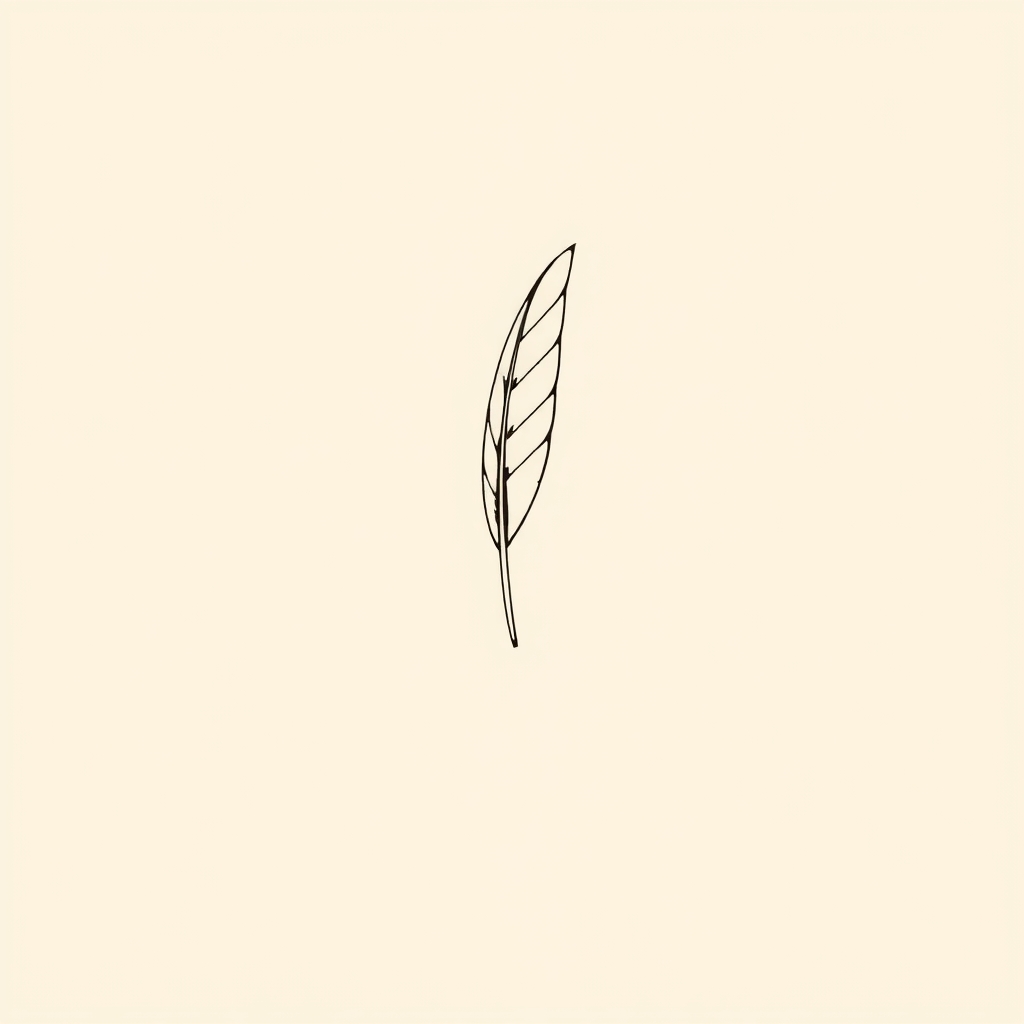
Signs and attributes
The supernatural in their life
The miracles of Maria Costanza Panas
Frequently asked questions about Maria Costanza Panas
Who was Maria Costanza Panas?
An Italian Capuchin Poor Clare nun and abbess of the monastery of Fabriano, Maria Costanza Panas (1896-1963) is a mystical figure famous for her 'vow of the pen' and her offering for the Second Vatican Council.
How is Maria Costanza Panas depicted in Christian art?
In iconography, Maria Costanza Panas is recognizable by: Quill.
What miracles are attributed to Maria Costanza Panas?
1 miracle are attributed to this saint, notably: Healing.
Which saints were contemporaries of Maria Costanza Panas?
Contemporaries include: Jesús María Echavarría Aguirre, Pauline of the Agonizing Heart of Jesus, Narcisa de Jesús and Juan de Jesús López y González.
When did Maria Costanza Panas die?
Maria Costanza Panas died around 1896.
What are the other names of Maria Costanza Panas?
Other forms of the name: Agnese Pacifica Panas and Sœur Maria Costanza.
Who are the relatives of Maria Costanza Panas?
Relatives of Maria Costanza Panas: Antonio Benvenuto Panas (father), Maria Biasotto (mother) and Angelo Panas (uncle).
Annexes & related entities
Structured data for exploration: events, miracles, quotes, places, attributes, patronages, and important entities cited in the text.
Key Events
- Era / death: 1896-1963
- Beatification in 2022 by Francis