
Pere Tarrés i Claret
A Catalan doctor devoted to the poor, Pere Tarrés i Claret became a priest after the Spanish Civil War and co-founded a clinic for tuberculosis patients before dying of cancer at age 45.
Contemporaries

Figures and markers around the normalized period for this entry.
Guided reading
5 reading sections
Biography
Youth, medical studies, and vow of chastity of Pere Tarrés i Claret.
Pere Tarrés i Claret was born on May 30, 1905, in Manresa, Catalonia (Spain). The son of Francesc Tarrés Puigdellívol and Carme Claret Masats, he grew up in a deeply Christian family with his two sisters, Francesca and Maria. After studying with the Jesuits at the Saint Ignatius College in Manresa, he was encouraged to study medicine. He entered the Faculty of Medicine at the University of Barcelona in October 1921. Following the death of his father in 1925 and his mother's serious accident, he made a vow of perfect chastity at Christmas 1927 with the approval of his spiritual director, Father Jaume Serra.
Life and Work
His activity as a doctor, his role during the Civil War, and his priestly ministry.
Having become a doctor, Pere Tarrés i Claret devoted himself to the poorest patients and became actively involved in Catholic Action. During the Spanish Civil War, he was mobilized as a doctor in the Republican army in 1938, treating the wounded on the Ebro front. This experience strengthened his vocation. He entered the seminary in 1939 and was ordained a priest on May 30, 1942. He exercised various pastoral functions in Barcelona and co-founded the Our Lady of Mercy clinic in 1947 to provide free care to tuberculosis patients and the destitute.
Journey toward holiness
His illness accepted with faith, his holy death, and the introduction of his cause.
In 1950, he was diagnosed with lymphoma. Pere Tarrés i Claret accepted this trial with heroic faith, offering his sufferings for the sanctification of priests. He died on August 31, 1950, at the age of 45 in the clinic he founded. His remains were transferred in 1975 to the church of Sant Vicenç de Sarrià. His cause for beatification was introduced in 1982, and he was proclaimed Venerable by John Paul II on June 22, 2004.
Beatification and canonization
The recognized miracle and his solemn beatification by John Paul II in 2004.
The beatification of Pere Tarrés i Claret is based on the unexplained healing, which occurred in the mid-1980s in Barcelona, of an 11-year-old child suffering from a severe viral encephalitis. After the promulgation of the decree recognizing this miracle on June 22, 2004, he was solemnly beatified on September 5, 2004, by Pope John Paul II on the esplanade of Montorso, near Loreto in Italy.
Spirituality and legacy
The union of his vocations as a doctor and priest, and the impact of the Pere Tarrés Foundation.
The spirituality of Pere Tarrés i Claret intimately unites his vocations as a doctor and priest in the service of the suffering Christ. His legacy is perpetuated through the Pere Tarrés Foundation (Fundació Pere Tarrés), originally created in 1957, which is today one of the most important non-profit organizations in Catalonia dedicated to leisure education and social action.
Iconography
Signs and attributes
The supernatural in their life
The miracles of Pere Tarrés i Claret
Frequently asked questions about Pere Tarrés i Claret
Who was Pere Tarrés i Claret?
A Catalan doctor devoted to the poor, Pere Tarrés i Claret became a priest after the Spanish Civil War and co-founded a clinic for tuberculosis patients before dying of cancer at age 45.
What is Pere Tarrés i Claret the patron saint of?
Patronage of Pere Tarrés i Claret: médecins, physicians, Action Catholique, Catholic Action, éducateurs sociaux and social educators.
How is Pere Tarrés i Claret depicted in Christian art?
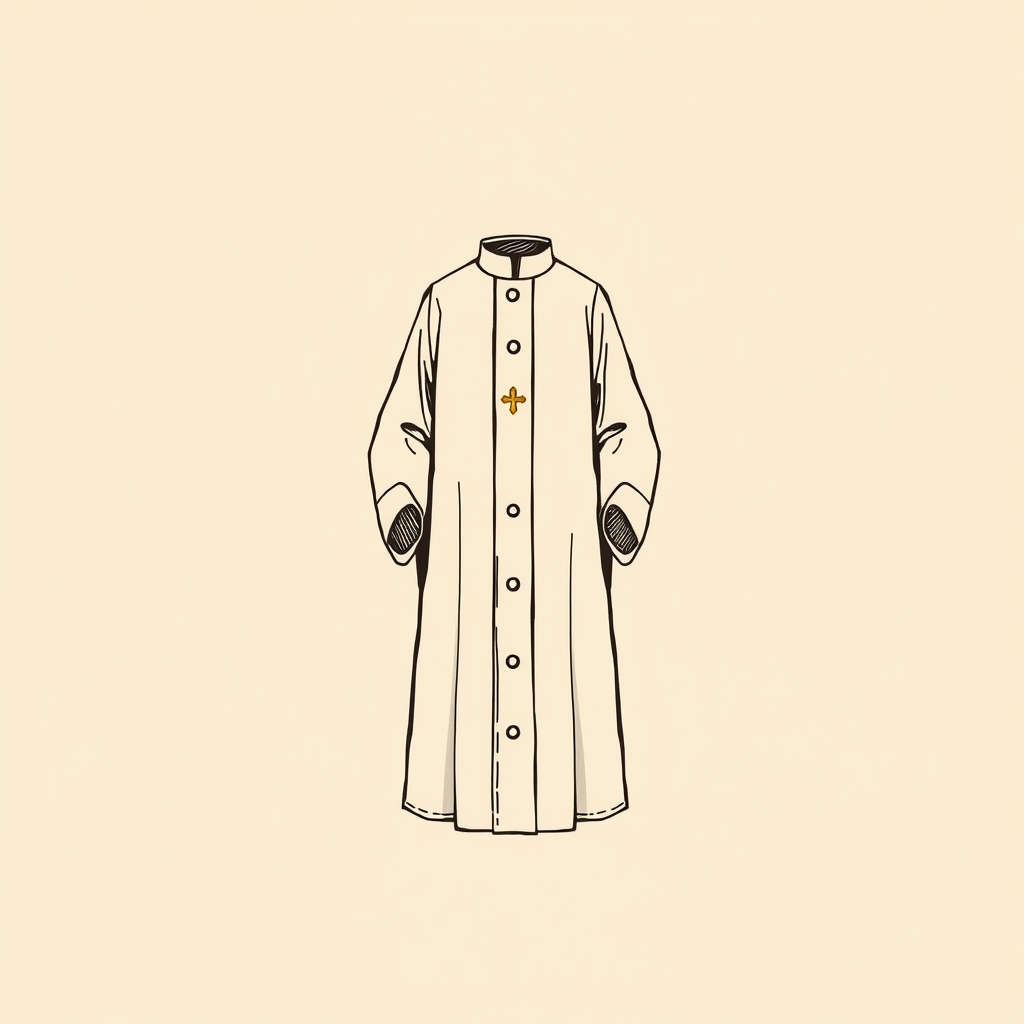
In iconography, Pere Tarrés i Claret is recognizable by: stethoscope and cassock.
What miracles are attributed to Pere Tarrés i Claret?
1 miracle are attributed to this saint, notably: Healing.
Which saints were contemporaries of Pere Tarrés i Claret?
Contemporaries include: Pauline of the Agonizing Heart of Jesus, Felipe de Jesús Munárriz and 50 companions, Mariano de Jesús Euse Hoyos and Teresa of Jesus of the Andes.
When did Pere Tarrés i Claret die?
Pere Tarrés i Claret died around 1950.
What are the other names of Pere Tarrés i Claret?
Other forms of the name: Pedro Tarrés y Claret.
Who are the relatives of Pere Tarrés i Claret?
Relatives of Pere Tarrés i Claret: Francesc Tarrés Puigdellívol (father), Carme Claret Masats (mother), Francesca (sister) and Maria (sister).
Annexes & related entities
Structured data for exploration: events, miracles, quotes, places, attributes, patronages, and important entities cited in the text.
Key Events
- Era / death: 1950
- Beatification in 2004 by John Paul II
Quotes
-
How good the Lord is to me! I am truly happy
https://vertexaisearch.cloud.google.com/grounding-api-redirect/AUZIYQFCgwIaNpVWVZ82Xf62NFCc6fIRc0QRygk1L5nYFO1rYEU6BXfNTIqmOa1f7e3w54sRLciGuFTD4VeOmbU4QGuDhwQZpEHcwbZYnXq8JIpbBi9pGDnpT-RFbOXlVZ3Cy6XhehzO74fIMl-eaPo4