Blessed Lucchese
A merchant from Poggibonzi in Tuscany, Luchesius abandoned his commercial and political activities after hearing the preaching of Saint Francis. He is historically the first member of the Franciscan Third Order. He devoted the rest of his life to penance and works of mercy until his death in 1232.
Contemporaries

Figures and markers around the normalized period for this entry.
Guided reading
4 reading sections
BLESSED LUCHESIUS, CONFESSOR (1232).
The secular life of Luchesius
Luchesius was a merchant from Poggibonsi, initially more concerned with his commercial and political affairs than with his faith.
Luce, or Luchesius, was a merchant from Poggibonsi, near Siena. Politics and commerce occupied him more than the service of God and the salvation of his soul.
Conversion by Saint Francis
Touched by the preaching of Saint Francis of Assisi in Tuscany, Luchesius asks the saint how to ensure his salvation.
Saint Francis was then traveling through Tuscany, announcing the word of God and calling souls to penance. He came to Poggibonzi; all the people crowded to hear him, and in the midst of the crowd was the merchant Luchesius. The Saint had the talent, with the grace of God, to touch his heart, and after the sermon he saw him present himself to him and ask him what he must do to gain heaven.
First member of the Third Order
Following a revelation, Saint Francis makes Luchesius the first member of his Third Order, the rules of which would later be approved by the Pope.
The Saint then had a revelation from above by which he knew that Luchesius was the man who was to be the first to embrace the Rule of the Third Order that he had long intended to found. He gave him the habit and imposed upon him the rules that were later approved by Nicholas IV. The merchant then abandoned politics and commerce entirely to occupy himself only with his salvation and works of mercy. He retained the glory of having been the first member of this Order which has saved so many souls and which, today, seems to be coming back to life everywhere.
Death and recognition of the cult
Lucchese died in 1232; his cult was officially authorized by Pope Innocent XII at the end of the 17th century.
Blessed Lucchese rendered his soul to God in 1232. The Friars Minor obtained from Innocent XII, in 1694, the permission to celebrate the feast of Blessed Lucchese on April 28.
Iconography
Signs and attributes
Entities
Narrative network
The names, places, and concepts most present in the entry, weighted by centrality in the text.
Frequently asked questions about Blessed Lucchese
Who was Blessed Lucchese?
A merchant from Poggibonzi in Tuscany, Luchesius abandoned his commercial and political activities after hearing the preaching of Saint Francis. He is historically the first member of the Franciscan Third Order. He devoted the rest of his life to penance and works of mercy until his death in 1232.
What is Blessed Lucchese the patron saint of?
Patronage of Blessed Lucchese: Franciscan Third Order.
How is Blessed Lucchese depicted in Christian art?
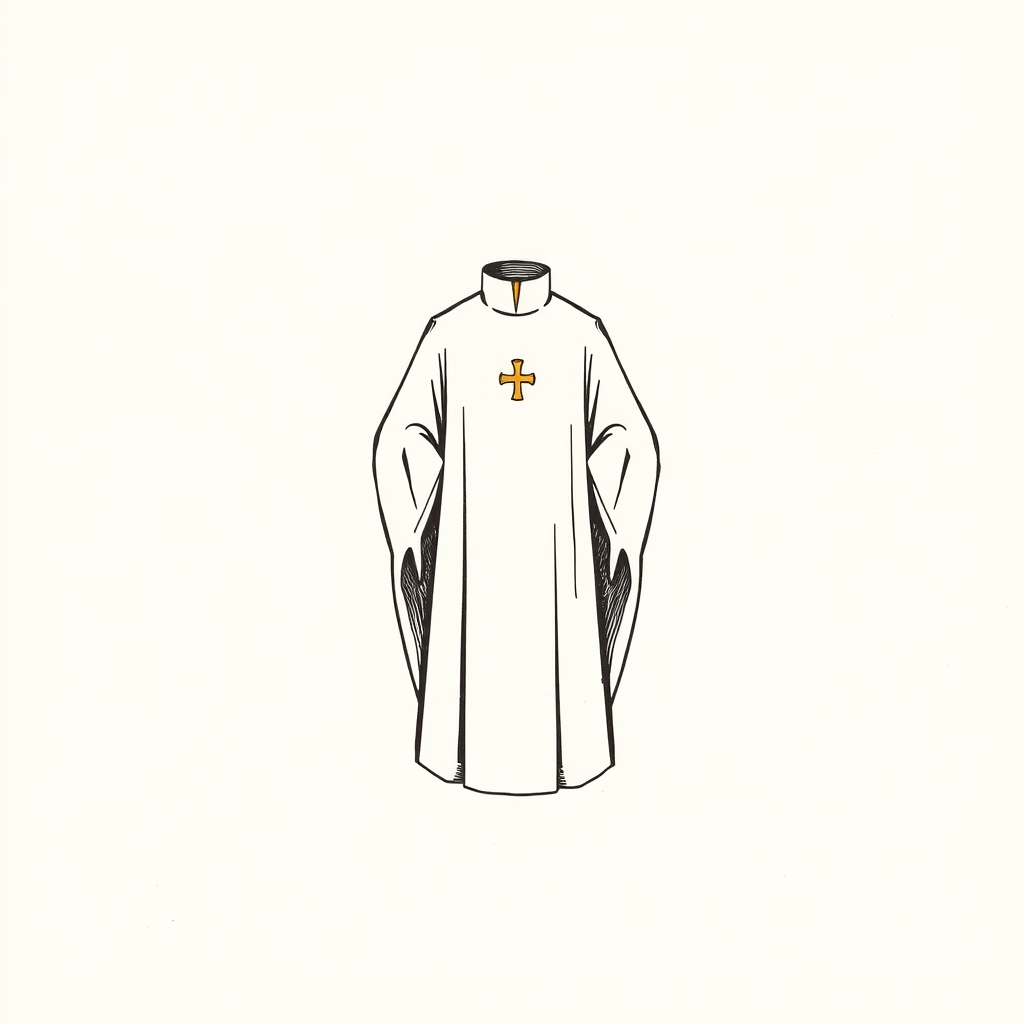
In iconography, Blessed Lucchese is recognizable by: Third Order habit.
Which saints were contemporaries of Blessed Lucchese?
Contemporaries include: Saint Anthony of Padua (Ferdinand), Saint Arthaud of Belley, Saint Thomas Aquinas and Saint Bernard of Clairvaux.
When did Blessed Lucchese die?
Blessed Lucchese died around 1232.
What are the other names of Blessed Lucchese?
Other forms of the name: Luce.
Annexes & related entities
Structured data for exploration: events, miracles, quotes, places, attributes, patronages, and important entities cited in the text.
Key Events
- Merchant and politician in Poggibonsi
- Meeting with Saint Francis of Assisi during his preaching in Tuscany
- Conversion and request for spiritual direction from Saint Francis
- Reception of the Third Order habit (first member in history)
- Abandonment of commerce and politics for works of mercy
- Confirmation of cult by Innocent XII in 1694