
A Roman monk sent by Saint Gregory the Great in 601, Mellitus became the first Bishop of London and converted King Saebert. After being exiled by the king's pagan sons for refusing them the Eucharist, he became Archbishop of Canterbury in 619. He is famous for having stopped a fire through his prayers.
Contemporaries

Figures and markers around the normalized period for this entry.
Guided reading
6 reading sections
SAINT MELLITUS,
FIRST BISHOP OF LONDON, THEN ARCHBISHOP OF CANTERBURY (624).
Mission in England
A Roman monk sent by Gregory the Great in 601, Mellitus became the first bishop of London and converted King Saebert.
Mellit us, a monk from Italy, was initially the abbot of a monastery in R ome. In 601, Saint Greg ory the Great placed him at the head of a second group of missionaries tha t he was sendi ng to Saint Augustine in England. He was the first bishop of London, or of the East Saxons. He baptize d King Saebert along with a great number of his subjects.
Foundations in London and Westminster
With royal support, he founded St. Paul's Cathedral and the monastery of Westminster, the latter benefiting from a miraculous consecration by Saint Peter.
It was with the help of the liberality of this prince that he laid the foundations of the church of St. Paul in London, and of the monastery of St. Peter at Thorney, which is known today by the name of Westminster . It is asserted that Saint Peter himself came to consecrate the church raised in honor of the great Apostle, on the eve of the day when Mellitus was preparing to perform this ceremony.
Conflict with the pagan heirs
Upon the death of Saeberht, his sons demand the Eucharist without being baptized; faced with Mellitus's refusal, they expel him from the kingdom.
Saeberht, who died around the year 616, left his states to his three sons, Sexred, Saeward, and Sigeberht. These princes had never renounced idolatry, but they had hidden their sentiments during their father's lifetime. When they saw him dead, they publicly professed paganism and allowed their subjects to return to the worship of idols. This did not prevent them from sometimes attending the celebration of our mysteries; they even wanted to persuade the holy bishop to give them some of that fine bread of which their father had eaten so often. By this bread, they meant t he divine Eucharis t. Mellitus declared to them 'that he could not grant them what they asked, unless they were baptized.' They viewed this refusal as an outrage and drove the Saint from his church and from their states.
Fall of the princes and return to Christianity
After the death of the princes in battle, the Saxon people eventually returned to the Christian faith around 628.
The three princes were killed, after a reign of six years, in a battle they fought against the West Saxons: but the worship of idols did not cease immediately in their states; it was not until 628, according to the author of the Saxon annals, that the people resumed the profession of Christianity.
Archbishopric of Canterbury and miracle
Having become Archbishop of Canterbury in 619, he saved the city from a fire through his prayers before passing away in 624.
Saint Mellitus, having been driven from his church, had gone to France; but he returned to England some time later. In 619, he succeeded Saint Laurence in the se e of Cante rbury. By the virtue of his prayers, he stopped a fire that had already reduced a large part of that city to ashes. He died on April 24, 624.
Documentary sources
The life of Mellitus is documented by Bede the Venerable and several medieval chroniclers.
See Be de, Le Neve's Fasti, Geseclin, and Capgrave.
Iconography
Signs and attributes

Entities
Narrative network
The names, places, and concepts most present in the entry, weighted by centrality in the text.
The supernatural in their life
The miracles of Saint Mellitus
Frequently asked questions about Saint Mellitus
Who was Saint Mellitus?
A Roman monk sent by Saint Gregory the Great in 601, Mellitus became the first Bishop of London and converted King Saebert. After being exiled by the king's pagan sons for refusing them the Eucharist, he became Archbishop of Canterbury in 619. He is famous for having stopped a fire through his prayers.
What is Saint Mellitus the patron saint of?
Patronage of Saint Mellitus: London and Canterbury.
What is Saint Mellitus invoked for?
Saint Mellitus is invoked for: protection against fires.
How is Saint Mellitus depicted in Christian art?
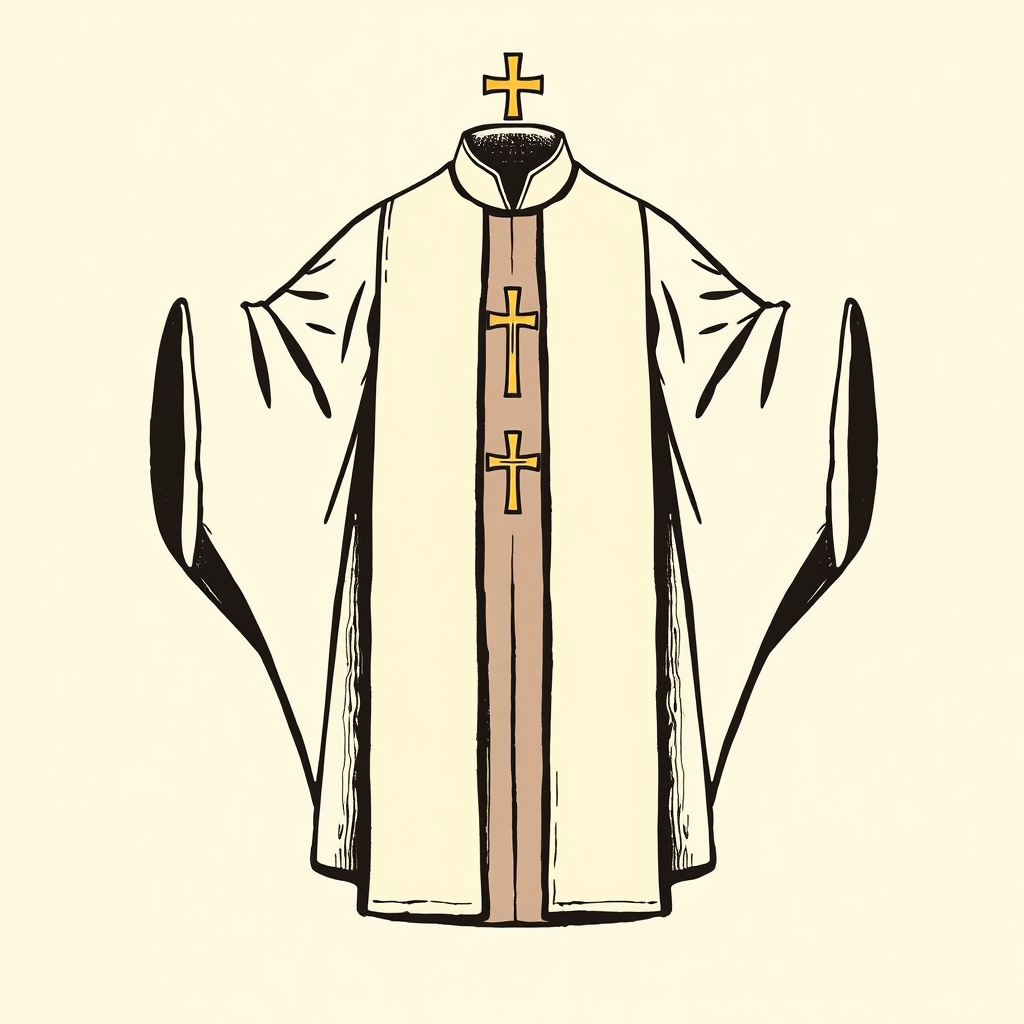
In iconography, Saint Mellitus is recognizable by: episcopal vestments and depiction of an extinguished fire.
What miracles are attributed to Saint Mellitus?
2 miracles are attributed to this saint, notably: Mastery of the elements, Protection / deliverance, Vision / apparition and Sign / wonder.
Which saints were contemporaries of Saint Mellitus?
Contemporaries include: Saint Priest (Prix), Saint Gregory the Great (Pope and Doctor of the Church), Saint Die (Didier, Deodat) and Saint Augustine of Canterbury.
When did Saint Mellitus die?
Saint Mellitus died around 624.
What are the other names of Saint Mellitus?
Other forms of the name: Mellitus.
Annexes & related entities
Structured data for exploration: events, miracles, quotes, places, attributes, patronages, and important entities cited in the text.
Key Events
- Abbot of a monastery in Rome
- Sent to England by Saint Gregory the Great in 601
- First Bishop of London
- Baptism of King Sæberht
- Foundation of St. Paul's Church and Westminster Abbey
- Exile in France after refusing to give the Eucharist to the sons of Saebert
- Accession to the See of Canterbury in 619
- Miraculous extinguishing of a fire in Canterbury
Quotes
-
He could not grant them what they asked, unless they were baptized
Response to the sons of Saebert regarding the Eucharist