
Originally from Dalmatia and a relative of Emperor Diocletian, Pope Caius governed the Church for twelve years during a period of bloody persecutions. He structured the ecclesiastical hierarchy by requiring the passage through minor orders before the episcopate. He died a martyr in 295 and was buried in the cemetery of Callixtus.
Contemporaries

Figures and markers around the normalized period for this entry.
Guided reading
6 reading sections
SAINT CAIUS, POPE AND MARTYR
Origins and imperial kinship
A native of Dalmatia, Caius belonged to an illustrious family, being a relative of the Emperor Diocletian, although this did not protect him from persecution.
Saint Caius was born in Dalmatia. His father was named Caius and his brother Gabinus: the latter had Saint Susanna as his daughter. The Empero r Diocletian was their relative; but he was no more favorable to them for that reason.
Clandestine life in Rome
Faced with the violence of the persecutions in Rome, the Pope and the faithful were forced to hide in caves and tombs to survive.
The persecution against the Christians was so bloody at that time in the city of Rome that they were forced to remain hidden in caverns and amidst the tombs, in order to preserve their lives for a few moments among the dead, since the living sought only to take them away.
Our holy Pope suffered much because of the zeal he had for confirming the faithful in the faith of Jesus Christ. It was he who advised the patrician Chromatius to r eceive all the Chris tians into his country house, in order to preserve those among them who wished to flee the rage of their persecutors.
Teaching on faith and martyrdom
In the house of Chromatius, Caius distinguishes two paths for believers: the confession of faith for the more fragile and martyrdom for the more courageous.
One Sunday, he went to this house of Chromatius, and said to all the assembled faithful: "Our Lord Jesus Christ, knowing the fragility of human nature, has established two different degrees for all those who believe in him: Confession and Martyrdom, so that those who do not believe they can endure the rigor of torments may nevertheless preserve the grace of faith through their confession." Then he said to them: "Let those who wish to remain in the house of Chromatius remain there with Tiburtius; and let those who prefer to go with me to the city, come there."
Organization of the ecclesial hierarchy
The Pope structures the Church by appointing deacons and priests, and by establishing a decree setting the mandatory stages (minor orders) before the episcopate.
It was then that he made Mark and Marcellinus deacons, that he raised their father Tranquillinus to the priesthoo d, that he esta blished Saint Sebastian as defender of the Church, and that he showed his tenderness to all the faithful.
He made a decree, by which he ordered that he who would be elected bishop should ascend to this dignity through the orders of porter, lector, exorcist, acolyte, subdeacon, deacon, and priest. He is not the first author of this ordinance, since it was practiced in the time of the Apostles; but he renewed it, so that no one would be admitted to the episcopate without having previously officiated and served the time that was prescribed in the other orders inferior to this dignity.
Martyrdom and burial
After a twelve-year pontificate and the writing of an epistle on the Incarnation, Caius died a martyr in 295 and was buried in the cemetery of Callixtus.
A very serious Epistle is attributed to Saint Caius, worthy of the hand of such a gre at Pontiff, c oncerning the mystery of the Incarnation of the eternal Word. Finally, after having holily filled the first throne of the Church for twelve years, four months, and some days, and having ordained twenty-five priests, eight deacons, and five bishops, in four instances when he performed Ordinations in the month of December, according to custom, he received the crown of martyrdom on April 22, in the year of Our L ord 295, and was buried in the cemetery of Callixtus.
Posterity and translation of relics
His body was rediscovered in the 17th century; his relics were dispersed between Novellara, Rome, and Amiens under the impetus of Popes Gregory XV and Urban VIII.
His body was found there in 1622, with an inscription suitable for identifying it and two coins of Diocle tian, his relative. Pope Gr egory XV gave th e greater part of it to Alfonso Gonzaga, Archbishop of Rhodes, who had it transported to Novellara, in Lombardy: a small portion of his relics remained in Rome, in the chapel of the Oratory. A church had been erected early on at the site of Saint Caius's house: Urban VIII had it repaired in 1631.
There are relics of his at the Saint-Charles hospice and at the Carmel of Amiens.
See the lives of Saint Se bastia n and Saint Susanna and the various histories of the Church and the Popes.
Iconography
Signs and attributes

Entities
Narrative network
The names, places, and concepts most present in the entry, weighted by centrality in the text.
Frequently asked questions about Saint Caius (Pope and Martyr)
Who was Saint Caius (Pope and Martyr)?
Originally from Dalmatia and a relative of Emperor Diocletian, Pope Caius governed the Church for twelve years during a period of bloody persecutions. He structured the ecclesiastical hierarchy by requiring the passage through minor orders before the episcopate. He died a martyr in 295 and was buried in the cemetery of Callixtus.
What is Saint Caius (Pope and Martyr) the patron saint of?
Patronage of Saint Caius (Pope and Martyr): Rome.
How is Saint Caius (Pope and Martyr) depicted in Christian art?
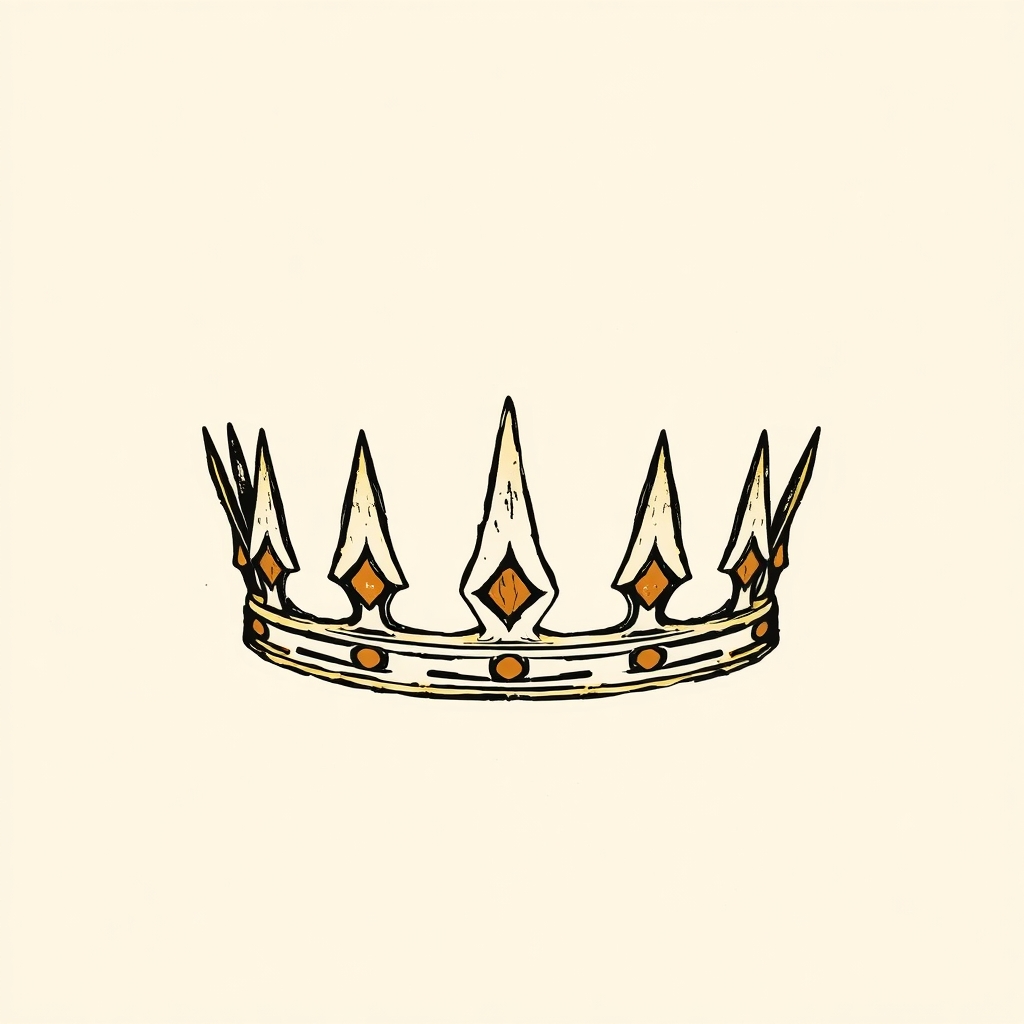
In iconography, Saint Caius (Pope and Martyr) is recognizable by: papal insignia and crown of martyrdom.
How did Saint Caius (Pope and Martyr) die?
Saint Caius (Pope and Martyr) suffered martyrdom for the Christian faith (3rd century).
Which saints were contemporaries of Saint Caius (Pope and Martyr)?
Contemporaries include: Saint Irenaeus of Lyon, Saint Ausonius of Angoulême, Saint Firmin of Pamplona and Saint Baudilus.
What are the other names of Saint Caius (Pope and Martyr)?
Other forms of the name: Caius and Gaius.
Who are the relatives of Saint Caius (Pope and Martyr)?
Relatives of Saint Caius (Pope and Martyr): Caïus (father), Gabin (brother), Sainte Suzanne (niece) and Dioclétien (parent).
Annexes & related entities
Structured data for exploration: events, miracles, quotes, places, attributes, patronages, and important entities cited in the text.
Key Events
- Election to the pontificate (reign of 12 years and 4 months)
- Advised the patrician Chromatius on sheltering Christians
- Establishment of the hierarchy of orders for accession to the episcopate
- Appointment of Mark and Marcellinus as deacons
- Establishment of Saint Sebastian as defender of the Church
- Martyrdom under Diocletian
Quotes
-
Our Lord Jesus Christ, knowing the fragility of human nature, established two different degrees for all those who believe in him: Confession and Martyrdom
Discourse to Chromatius